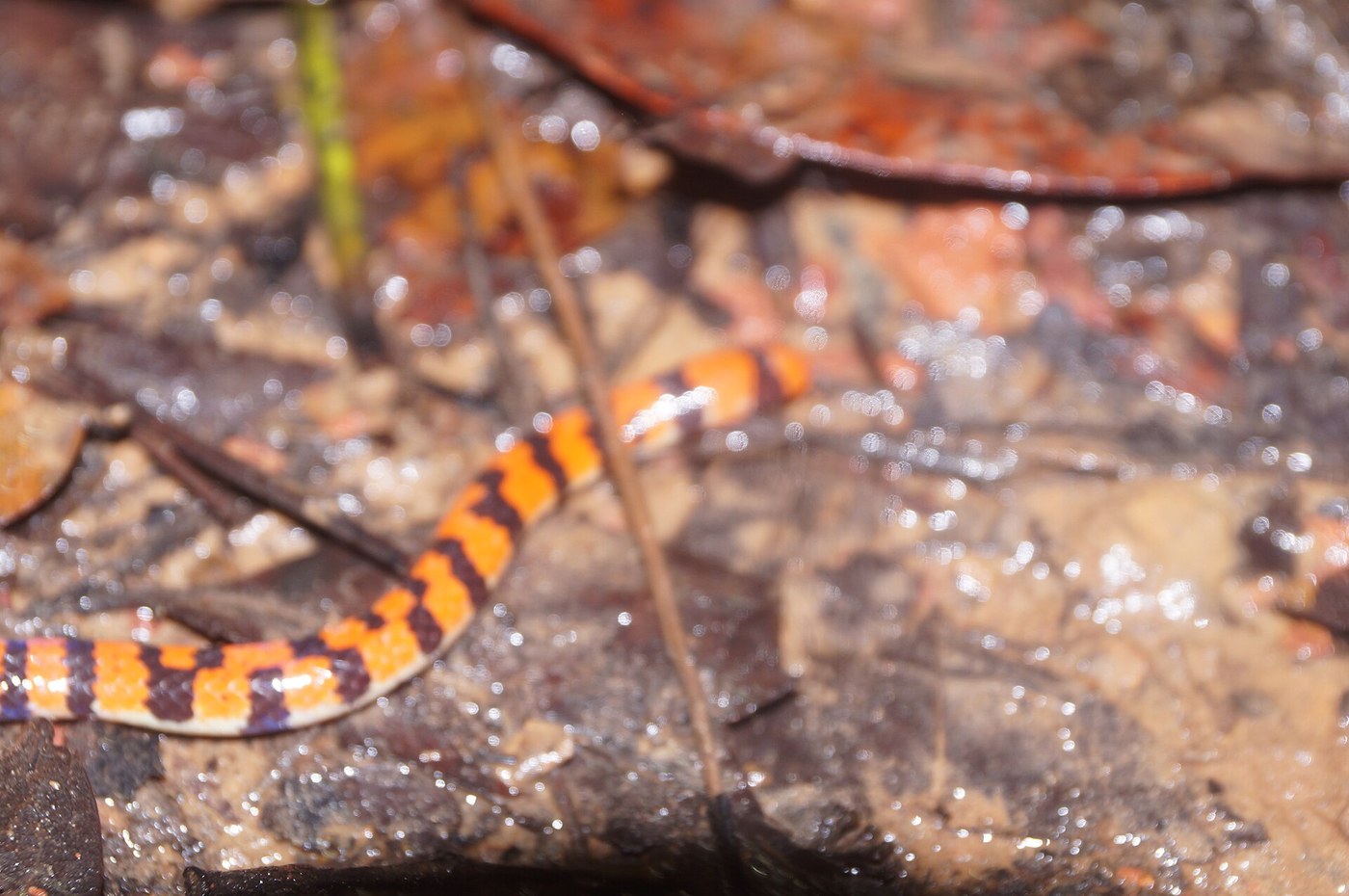


Scytale
ہدایات
Wind, write, unwind
Wind, write, unwind
Make and send your first message.
- Wrap a long paper strip in a close spiral along a dowel, edges touching, no gaps.
- Write your message ALONG the rod, across the turns.
- Unwind the strip and read what is on it.
اس مرحلے کے لیے مواد:
 لکڑی کی چولیں2 ٹکڑے
 گتا1 پیک
Work out what the key really is
Work out what the key really is
The rod's diameter is a proxy for a number.
- Count how many letters fit around one full turn — call it n.
- Write your message into a grid n columns wide, filling row by row.
- Read it out column by column.
اس مرحلے کے لیے مواد:
 خانہ دار کاغذ1 pad
Break someone else's message
Break someone else's message
Attack it and see how weak the key space is.
- Take a ciphertext of known length without knowing n.
- Try n = 2, 3, 4, 5… writing the text into a grid of each width.
- Stop when readable text appears.
Test what it does and does not hide
Test what it does and does not hide
Count letters in plaintext and ciphertext.
- Tally how often each letter appears in your original message.
- Tally the same for the ciphertext.
- Compare the two tallies.
History and context
History and context
The scytale is described by Plutarch and other classical authors as a Spartan military device for sending orders to generals in the field. It is one of the oldest cipher devices for which we have a written description.
The historical claim is contested and should be stated as such. The classicist Thomas Kelly argued in the 1980s that the earliest references describe the scytale as a means of AUTHENTICATION — proving a message came from Sparta because it fitted your rod — rather than as a cipher for secrecy, and that the encryption interpretation may be a later reading. Both functions are plausible and the evidence is thin. The device is real; what the Spartans thought it was for is less certain than most popular accounts admit.
Transposition never went away. Columnar transposition was used seriously into the twentieth century, and the German ADFGVX cipher of the First World War combined substitution with transposition precisely because the two attack differently — frequency analysis breaks substitution, and anagramming breaks transposition, so doing both defeats each single technique.
The general lesson holds: a cipher's strength lives in the size of its key space and in whether it hides statistical structure. The scytale fails both tests, and it fails them for reasons a student can measure in twenty minutes with paper and a pencil.
مواد
3- 2 ٹکڑےپلیس ہولڈر
- 1 پیکپلیس ہولڈر
- 1 padپلیس ہولڈر
متعلقہ بلیو پرنٹ
یہ بلیو پرنٹ علم بانٹتے ہیں — تکنیک، مواد یا اصول

CC0 پبلک ڈومین
یہ بلیو پرنٹ CC0 کے تحت جاری کیا گیا ہے۔ آپ اجازت لیے بغیر اس کام کو نقل، ترمیم، تقسیم اور کسی بھی مقصد کے لیے استعمال کرنے کے لیے آزاد ہیں۔
میکر کی حمایت کریں ان کے بلیو پرنٹ کے ذریعے پروڈکٹس خرید کر جہاں وہ میکر کمیشن وینڈرز کی طرف سے مقرر، کماتے ہیں، یا اس بلیو پرنٹ کی نئی تکرار بنائیں اور آمدنی شیئر کرنے کے لیے اسے اپنے بلیو پرنٹ میں کنکشن کے طور پر شامل کریں۔