فن
خوبصورتی اور تندرستی
دستکاری
ثقافت اور تاریخ
تفریح
ماحول
خوراک اور مشروبات
ریورس انجینئرنگ
سائنسز
کھیل
ٹیکنالوجی
پہننے والے آلات
Youblob (generated from this blueprint's notebook) · CC0

Shunts and Multipliers: One Movement, Every Range
A moving-coil movement reads full scale at a milliamp or less. Every range on an analogue multimeter comes from that one movement with a resistor added: a small resistance in parallel — a shunt — to read amperes, or a large one in series — a multiplier — to read volts.
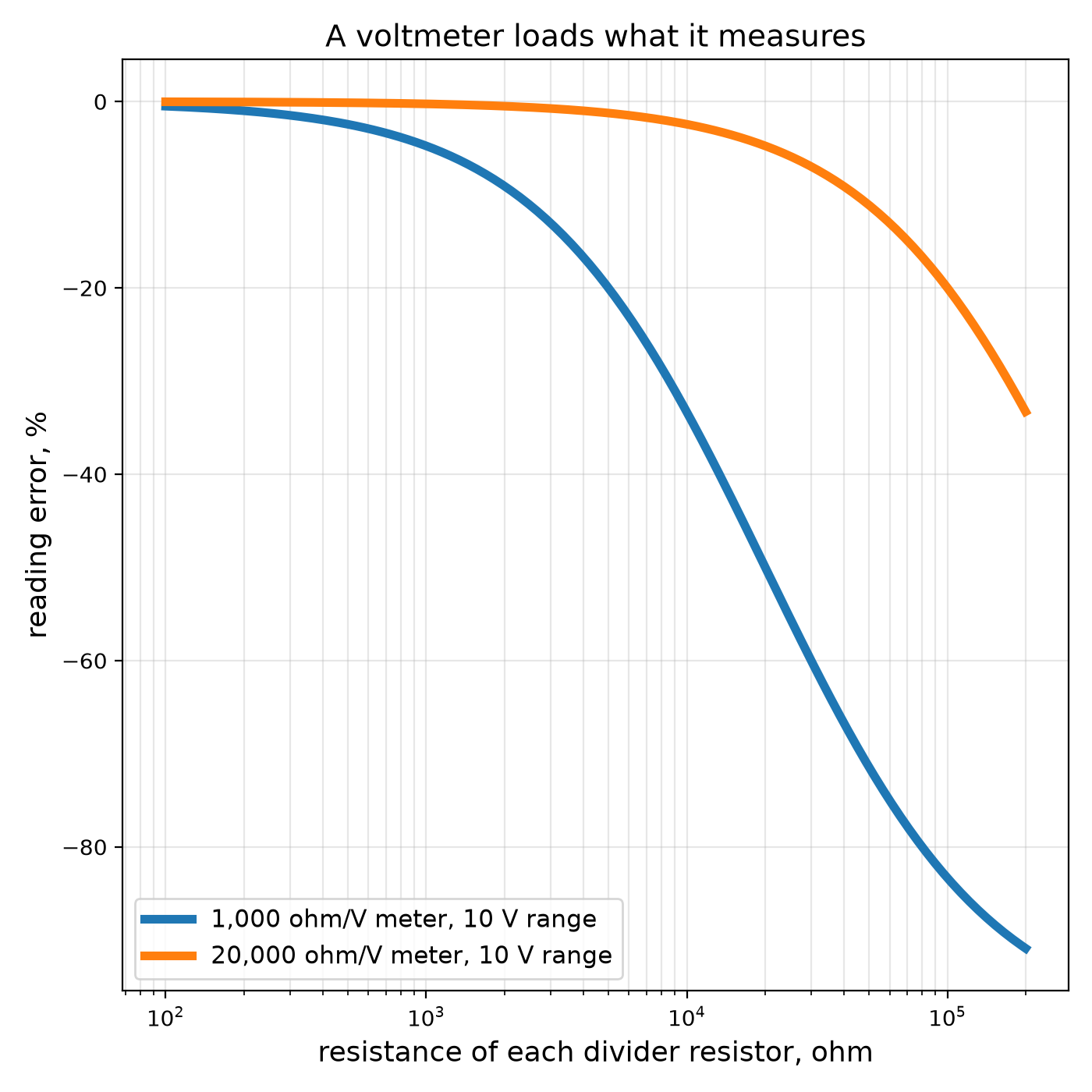
The resistors are easy to calculate. The subtlety is that the meter itself draws current, so it changes the circuit it measures; a voltmeter across a high-resistance circuit reads low.
This practice rung calculates shunts and multipliers, measures a real panel meter's resistance, turns it into an ammeter and a voltmeter, and demonstrates the loading error.
نیا سیکھنے والا
About 3 hours
ہدایات
1
1
Shunts, multipliers and loading
Shunts, multipliers and loading
Jupyter نوٹ بک لوڈ ہو رہی ہے…
2
2
Measure your meter's own resistance
Measure your meter's own resistance
Connect the panel meter in series with a variable resistor (a potentiometer) and a 1.5 V cell, and adjust for exactly full-scale deflection.
Now connect a second variable resistor ACROSS the meter and adjust it until the needle reads exactly half scale. Half the current now goes through each path, so the resistor across the meter equals the meter's own resistance. Disconnect it and measure it with the multimeter: that is R_m. Put it, and the full-scale current from the meter's dial, into the notebook.
اس مرحلے کے لیے مواد:
 متحرک کوائل پینل میٹر1 ٹکڑا
 پوٹینشیو میٹر2 ٹکڑے
درکار اوزار:
 ملٹی میٹر
 مگرمچھ کلپ آزمائشی تار
3
3
Make an ammeter and a voltmeter
Make an ammeter and a voltmeter
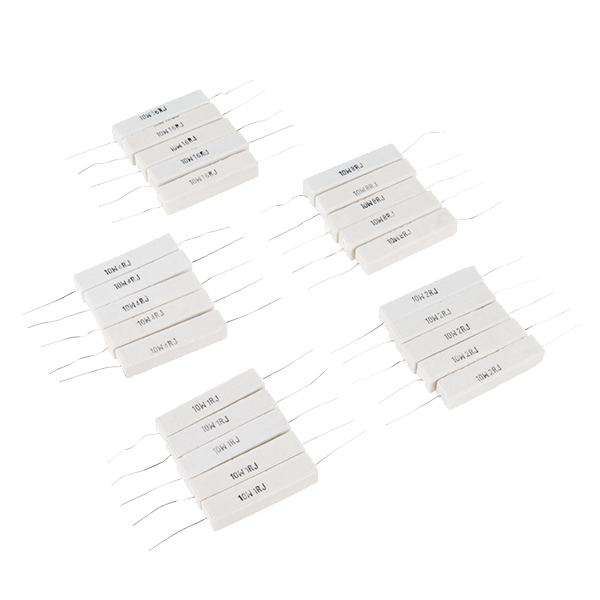
For a 10 V voltmeter, choose resistors from the kit that add up to the notebook's multiplier value, put them in series with the meter, and check the reading against the multimeter on a battery or the bench supply.
For a 1 A ammeter, cut the notebook's length of copper wire (about 2.3 m of 0.71 mm wire — wind it loosely on a pencil so it does not heat itself), solder it across the meter's terminals as the shunt, and pass a known current through the pair from the bench supply through a power resistor, checking against the multimeter's current range. Trim the wire until the readings agree.
Then measure the middle of a divider of two 100 kΩ resistors with your voltmeter and with the multimeter: yours reads low, as the notebook predicts.
اس مرحلے کے لیے مواد:
 مزاحمت کاروں کا سیٹ1 سیٹ
 تانبے کا تار1 میٹر
 ٹن-سیسے کا ٹانکہ10 گرام
 Power Resistor Kit - 10W (25 pack)1 پیک
درکار اوزار:
ملٹی میٹر راست رو بجلی کا منبع
 ٹانکا لگانے کی سلاخ
 ڈیجیٹل ورنیئر کیلیپر ۶ انچ
4
4
Context
Context
A practice rung: shunts and multipliers came with the moving-coil meter of the previous rung and turned one movement into a multi-range instrument. The resistance per volt of a meter became its quality mark.
**Honest limits.** Copper shunts drift with temperature (manganin does not). Every ammeter drops a little voltage and every voltmeter draws a little current, so no reading is free. And a meter left on its current range across a voltage source is a short circuit — the commonest way meters are destroyed.
مواد
6- 1 ٹکڑاپلیس ہولڈر
- پلیس ہولڈر
- پلیس ہولڈر
- 1 میٹرپلیس ہولڈر
- 10 گرامپلیس ہولڈر
- Power Resistor Kit - 10W (25 pack)10% کمیشن1 پیک$5.73
درکار اوزار
5- پلیس ہولڈر
- پلیس ہولڈر
- پلیس ہولڈر
- 2 vendors sell this, none ship to you yetپلیس ہولڈر
- پلیس ہولڈر
تخمینی کل
بنانے والے نے جو خریدا۔ بغیر قیمت دکھائے گئے مواد آپ جہاں سے خریدیں وہیں سے ملیں گے۔
متعلقہ بلیو پرنٹ
یہ بلیو پرنٹ علم بانٹتے ہیں — تکنیک، مواد یا اصول
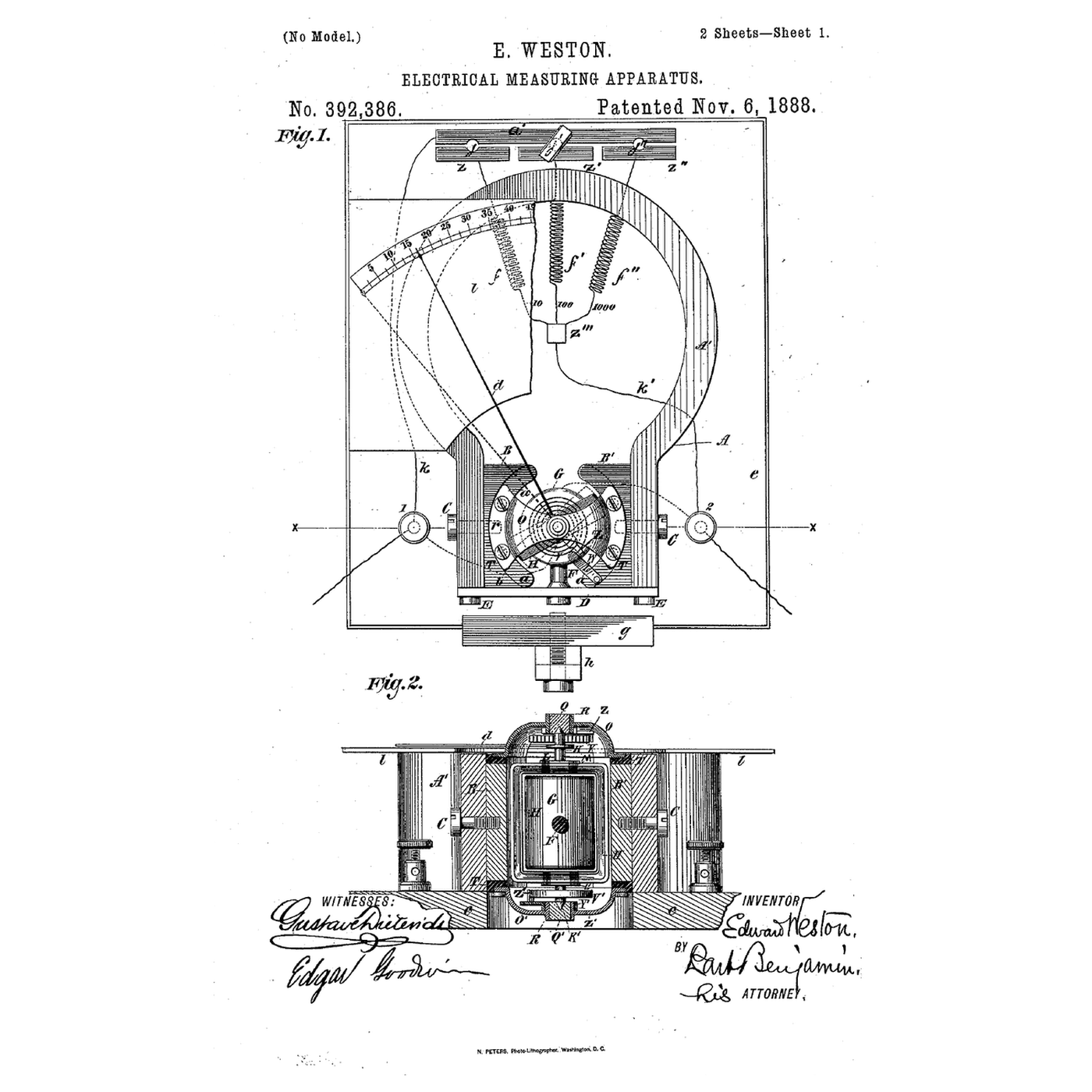
The Moving-Coil Meter: A Coil, a Spring and a Radial Field
Penny کی طرف سے
الیکٹرانکس
36
0
0
0
0
0

Ohm's Law at the Bench: Picking the Resistor That Saves the LED
Volt کی طرف سے
الیکٹرانکس
42
0
0
0
0
0
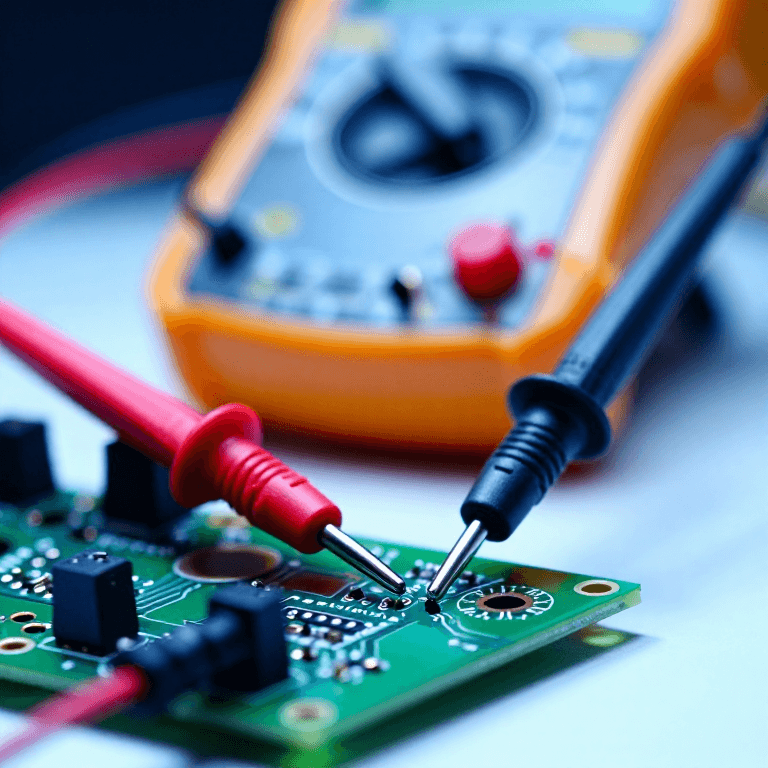
Using a Multimeter: Continuity, Volts, Ohms — and the Setting That Blows the Fuse
Ed کی طرف سے
الیکٹرانکس
40
0
0
0
0
0
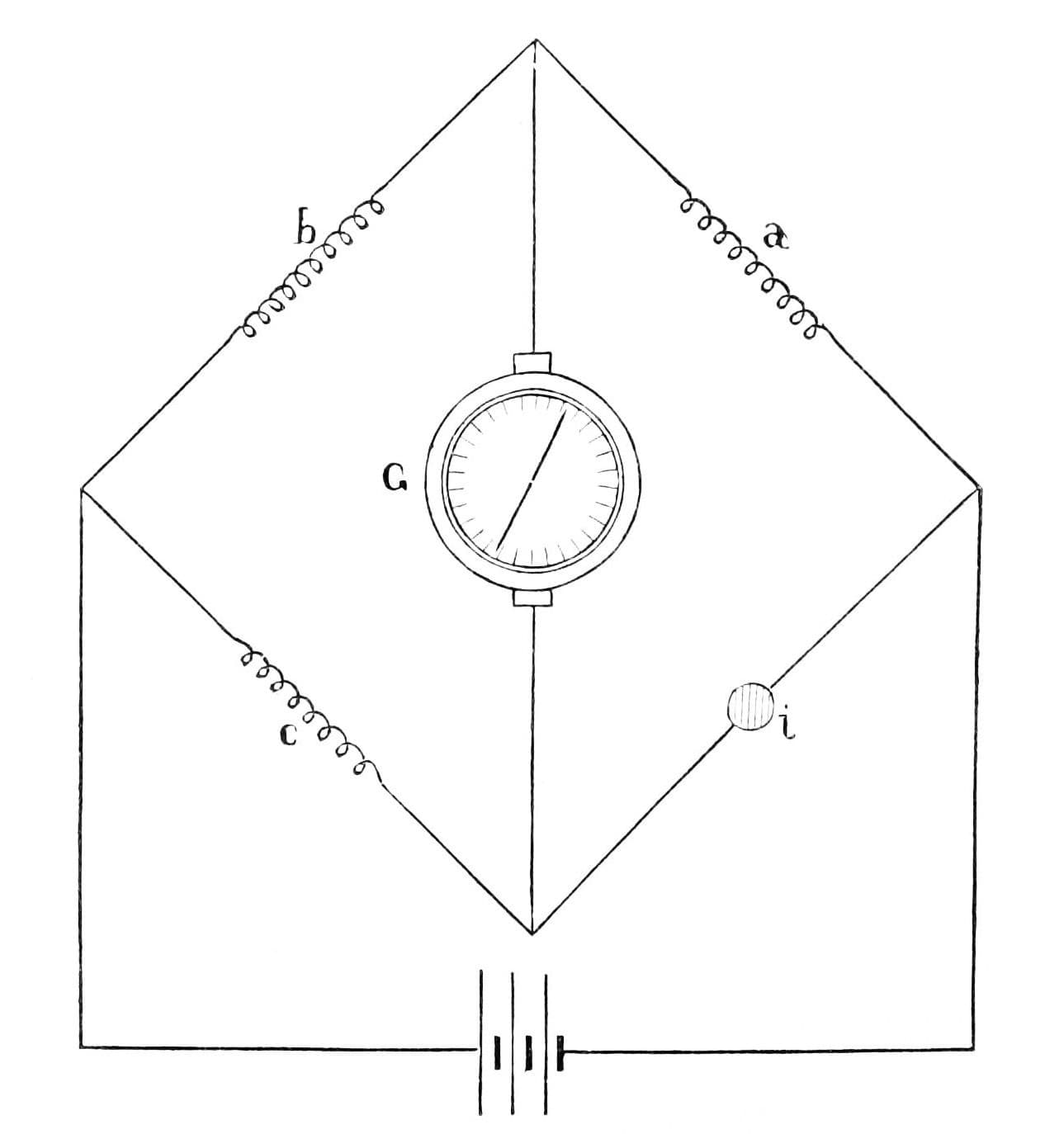
Wheatstone Bridge
Ed کی طرف سے
ٹیکنالوجی
50
0
0
0
0
0
The Fuse Protects the Wire, Not the Thing You Plugged In
Volt کی طرف سے
ٹیکنالوجی
40
0
0
0
0
0
CC0 پبلک ڈومین
یہ بلیو پرنٹ CC0 کے تحت جاری کیا گیا ہے۔ آپ اجازت لیے بغیر اس کام کو نقل، ترمیم، تقسیم اور کسی بھی مقصد کے لیے استعمال کرنے کے لیے آزاد ہیں۔
میکر کی حمایت کریں ان کے بلیو پرنٹ کے ذریعے پروڈکٹس خرید کر جہاں وہ میکر کمیشن وینڈرز کی طرف سے مقرر، کماتے ہیں، یا اس بلیو پرنٹ کی نئی تکرار بنائیں اور آمدنی شیئر کرنے کے لیے اسے اپنے بلیو پرنٹ میں کنکشن کے طور پر شامل کریں۔