فن
خوبصورتی اور تندرستی
دستکاری
ثقافت اور تاریخ
تفریح
ماحول
خوراک اور مشروبات
ریورس انجینئرنگ
سائنسز
کھیل
ٹیکنالوجی
پہننے والے آلات
خطرناک

Sludge Digestion and Biogas
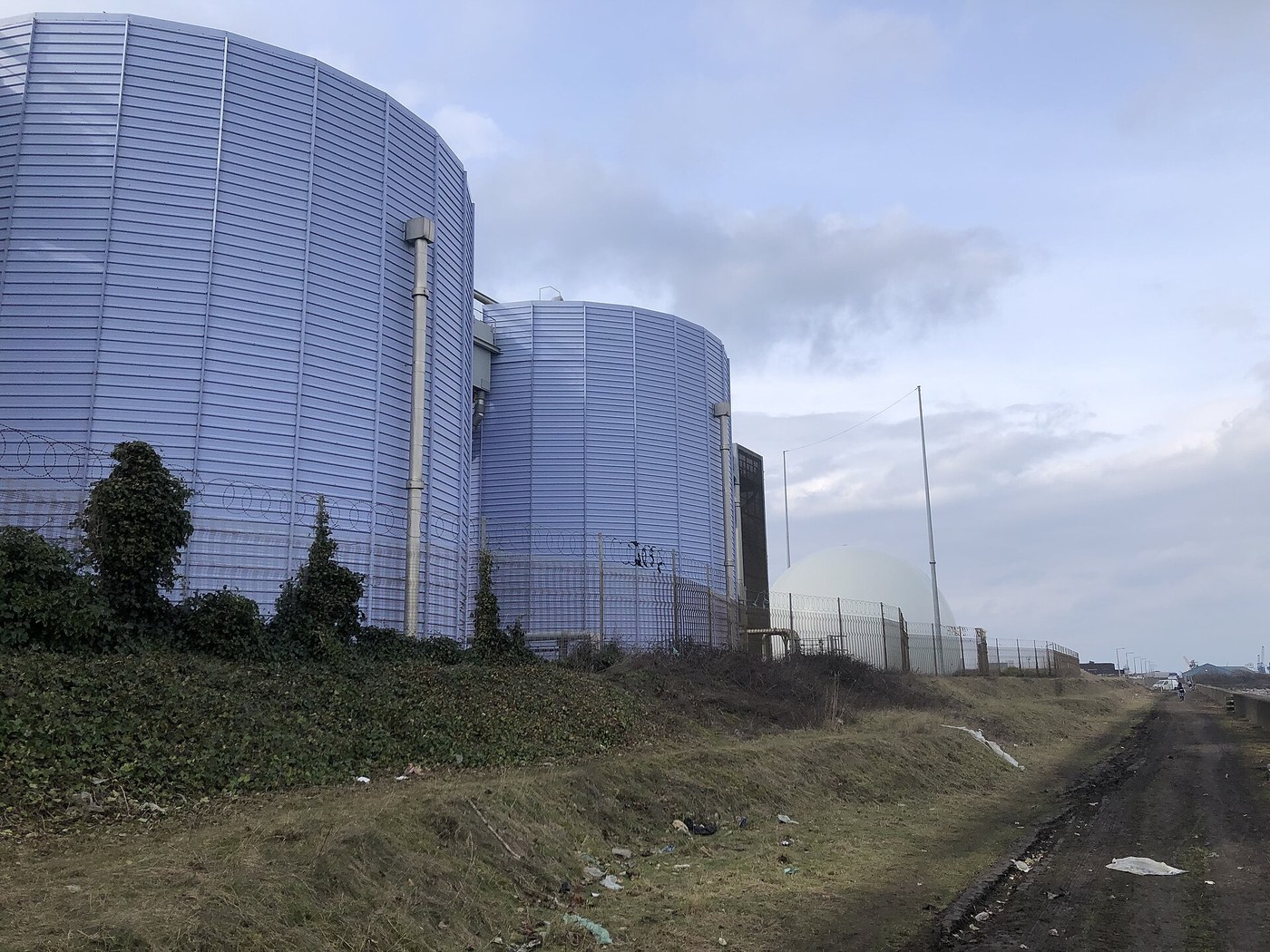
Every device in this batch produces sludge, and sludge was for a century the embarrassment at the end of the works — the thing you were left holding after you had cleaned the water. This blueprint is about the moment that reversed, when the residue stopped being a disposal problem and became the only part of the process that gives energy back.
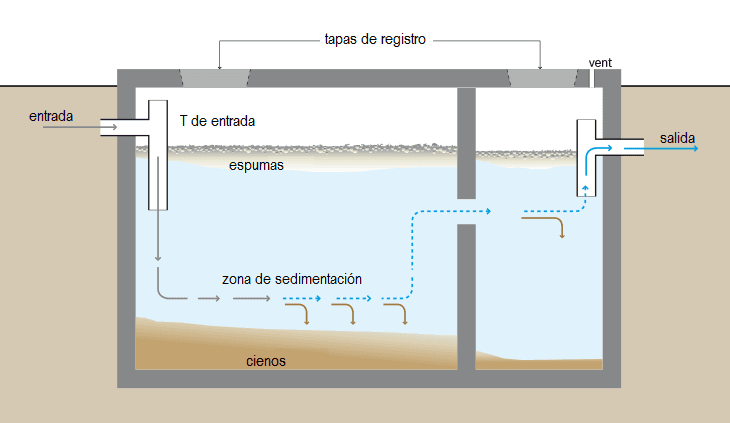
Anaerobic digestion is what a septic tank and the lower storey of an Imhoff tank are already doing, slowly and by accident. Organisms with no oxygen available break organic matter down in a relay: hydrolysis cuts polymers into sugars and amino acids, acidogens ferment those into volatile fatty acids, acetogens convert those to acetate and hydrogen, and finally methanogens — ancient, slow-growing archaea — turn acetate and hydrogen into methane and carbon dioxide.
That relay is the whole engineering problem, because the four groups have completely different speeds and completely different tolerances. The acid-formers are fast, robust and happy over a wide pH range. The methanogens are slow, fragile, and stop below about pH 6.6. Overload a digester and the acid-formers race ahead, acids accumulate, pH falls, the methanogens falter, more acid accumulates, and the whole thing sours in a runaway that takes weeks to recover from. A digester does not fail gradually; it fails in one direction, quickly, once a buffer is exhausted.
The deliberate engineering is heat and mixing. Hold the contents at about 35 degrees and the same job that takes an unheated Imhoff tank six months takes twenty to thirty days, in a fraction of the volume. Exeter's septic tank was collecting gas for street lighting by 1895 and a plant at Matunga in Bombay was doing the same in 1897, so the fuel was recognised early; what took longer was learning to run the biology reliably enough to depend on it.
SAFETY IS NOT OPTIONAL HERE. Biogas is roughly two thirds methane and is explosive in air between about 5 and 15 percent by volume. It also carries hydrogen sulfide, which is genuinely poisonous — dangerous well below one part per thousand, and it paralyses your sense of smell at concentrations that can still hurt you, so the warning smell disappears exactly when you need it. Build outdoors or in a genuinely ventilated space, never seal a vessel without a working pressure relief, and never trust your nose.
اعلیٰ
8 hours to build, 30 days to first stable gas
خطرناک مواد
اس بلو پرنٹ میں خطرناک طریقہ کار شامل ہے۔ قدم بہ قدم ہدایات دیکھنے کے لیے لاگ ان کریں اور اپنی اکاؤنٹ سیٹنگز میں خطرناک مواد فعال کریں۔
سائن ان کریںمتعلقہ بلیو پرنٹ
یہ بلیو پرنٹ علم بانٹتے ہیں — تکنیک، مواد یا اصول

CC0 پبلک ڈومین
یہ بلیو پرنٹ CC0 کے تحت جاری کیا گیا ہے۔ آپ اجازت لیے بغیر اس کام کو نقل، ترمیم، تقسیم اور کسی بھی مقصد کے لیے استعمال کرنے کے لیے آزاد ہیں۔
میکر کی حمایت کریں ان کے بلیو پرنٹ کے ذریعے پروڈکٹس خرید کر جہاں وہ میکر کمیشن وینڈرز کی طرف سے مقرر، کماتے ہیں، یا اس بلیو پرنٹ کی نئی تکرار بنائیں اور آمدنی شیئر کرنے کے لیے اسے اپنے بلیو پرنٹ میں کنکشن کے طور پر شامل کریں۔