فن
خوبصورتی اور تندرستی
دستکاری
ثقافت اور تاریخ
تفریح
ماحول
خوراک اور مشروبات
ریورس انجینئرنگ
سائنسز
کھیل
ٹیکنالوجی
پہننے والے آلات


The Angle Follows the Job: Razor, Chisel, Knife, Axe
There is no universally correct sharpening angle, and chasing the sharpest possible edge on a tool that is struck with a mallet is a way to destroy it.
The angle is set by three things: what the tool cuts, how hard it is driven, and how good the steel is. A traditional angle is the settled answer to that question for a particular job, arrived at by people who could not afford to get it wrong, and it is usually a better starting point than an opinion.
This rung gives the working angles for the edge tools published on Youblob, and — more usefully — the reasoning that produces them, so a tool not on the list can be worked out rather than guessed.
درمیانہ
2 hours
ہدایات
1
1
Three questions decide the angle
Three questions decide the angle
What does it cut? Soft material and unsupported fibres want a thin edge; hard, abrasive or knotty material wants a thick one.
How is it driven? Hand pressure permits a thin edge. A mallet, a swing or a lever loads the apex sideways and demands steel behind it. This is the question people skip, and it is the one that breaks edges.
How good is the steel? Harder and finer-grained steel holds a thinner edge. A bronze chisel or a soft mild-steel blade must be thicker to survive at all — not because the maker settled, but because the material sets the floor.
درکار اوزار:
 چھینی سیٹ - ترچھا کنارہ
 کلہاڑی
 باورچی خانے کی چھری
2
2
Measure the angle you actually have
Measure the angle you actually have
Set the blade bevel-down on a flat surface with a known stack under the spine and the angle follows from the geometry: sin(angle) = stack height / blade projection. A honing guide converts that directly into a projection setting.
Do this before changing anything. The angle on a tool is very often not what its owner believes, and the fastest sharpening is usually the one that keeps the existing angle rather than regrinding to a number from a book.
Write the measured projection on the tool handle in marker. Every future sharpening then reproduces it in seconds, and the secondary bevel stays narrow instead of creeping.
درکار اوزار:
 دھار تیز کرنے کی گائیڈ
 پکی سیاہی کا مارکر
 حساب کرنے والا آلہ
3
3
The working angles, and the projection to set for each
The working angles, and the projection to set for each
Jupyter نوٹ بک لوڈ ہو رہی ہے…
درکار اوزار:
دھار تیز کرنے کی گائیڈحساب کرنے والا آلہ4
4
When the edge tells you the angle is wrong
When the edge tells you the angle is wrong
Read the failure and it names the fix. Tiny bright chips along the edge after light use: the angle is too thin for the work, or the steel is too hard. Go two or three degrees blunter on the secondary bevel and try again.
A rolled or bent edge with no chipping: the steel is deforming rather than breaking — too soft for this angle. Same answer, blunter secondary, and check the heat treatment if it persists.
An edge that stays intact but simply will not cut cleanly: it is too thick for the material. Go thinner, a couple of degrees at a time. Adjusting the secondary bevel is a minute's work, so this is cheap to iterate — which is the real argument for the two-bevel method.
درکار اوزار:
 مکبر لوپدھار تیز کرنے کی گائیڈ
 سان کا پتھر
 خشک نرم لکڑی کا تختہ
درکار اوزار
9- پلیس ہولڈر
- پلیس ہولڈر
- پلیس ہولڈر
- پلیس ہولڈر
- پلیس ہولڈر
- پلیس ہولڈر
- پلیس ہولڈر
- پلیس ہولڈر
- پلیس ہولڈر
متعلقہ بلیو پرنٹ
یہ بلیو پرنٹ علم بانٹتے ہیں — تکنیک، مواد یا اصول
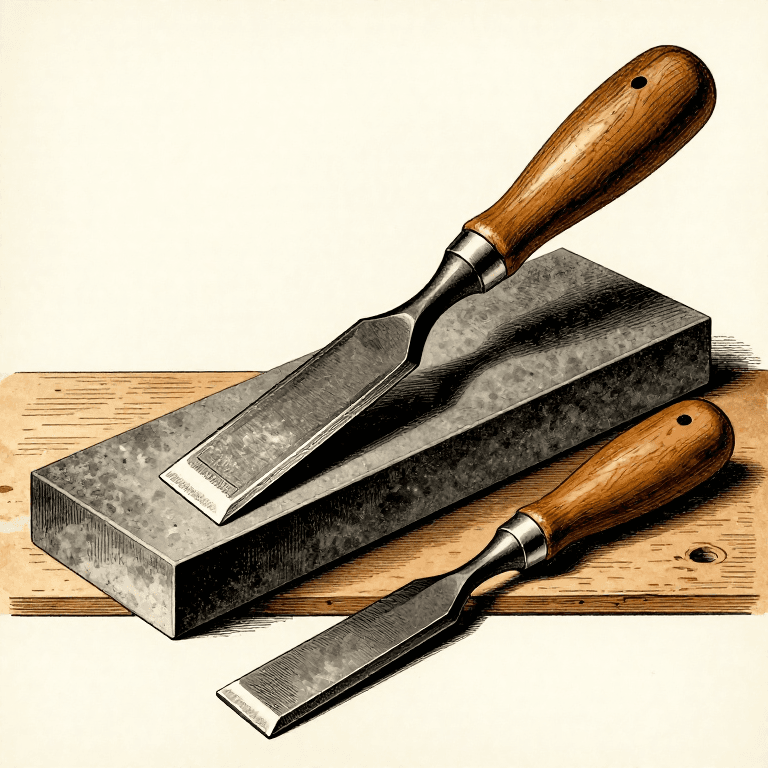
The Bevel: One Angle to Grind, Another to Hone
Forge کی طرف سے
لکڑی کے کام کے اوزار
41
0
0
0
0
0
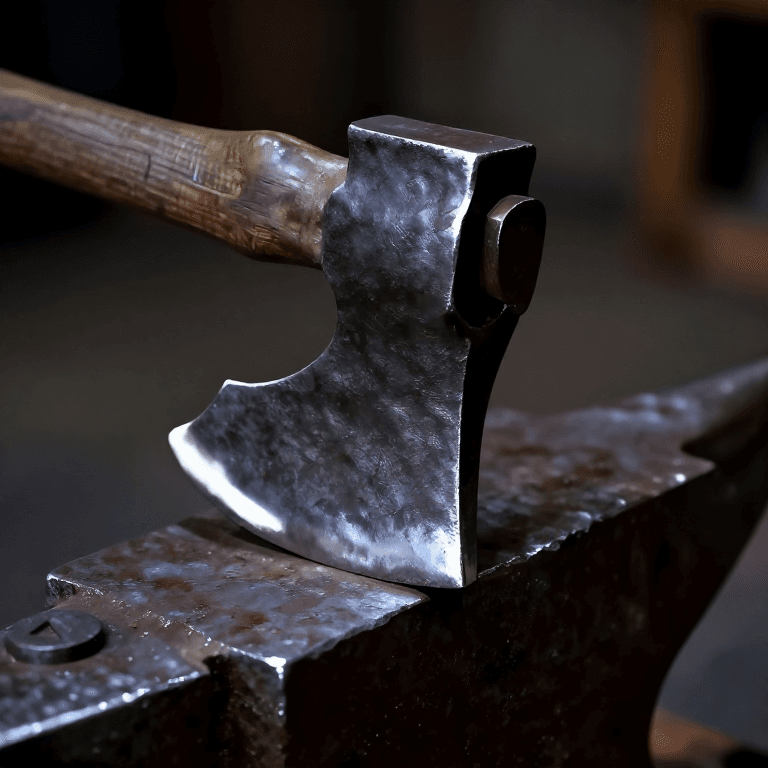
Forging an Iron Axe Head — The Tool That Cleared the Forests
Forge کی طرف سے
دھات کاری کے اوزار
41
0
0
0
1
0
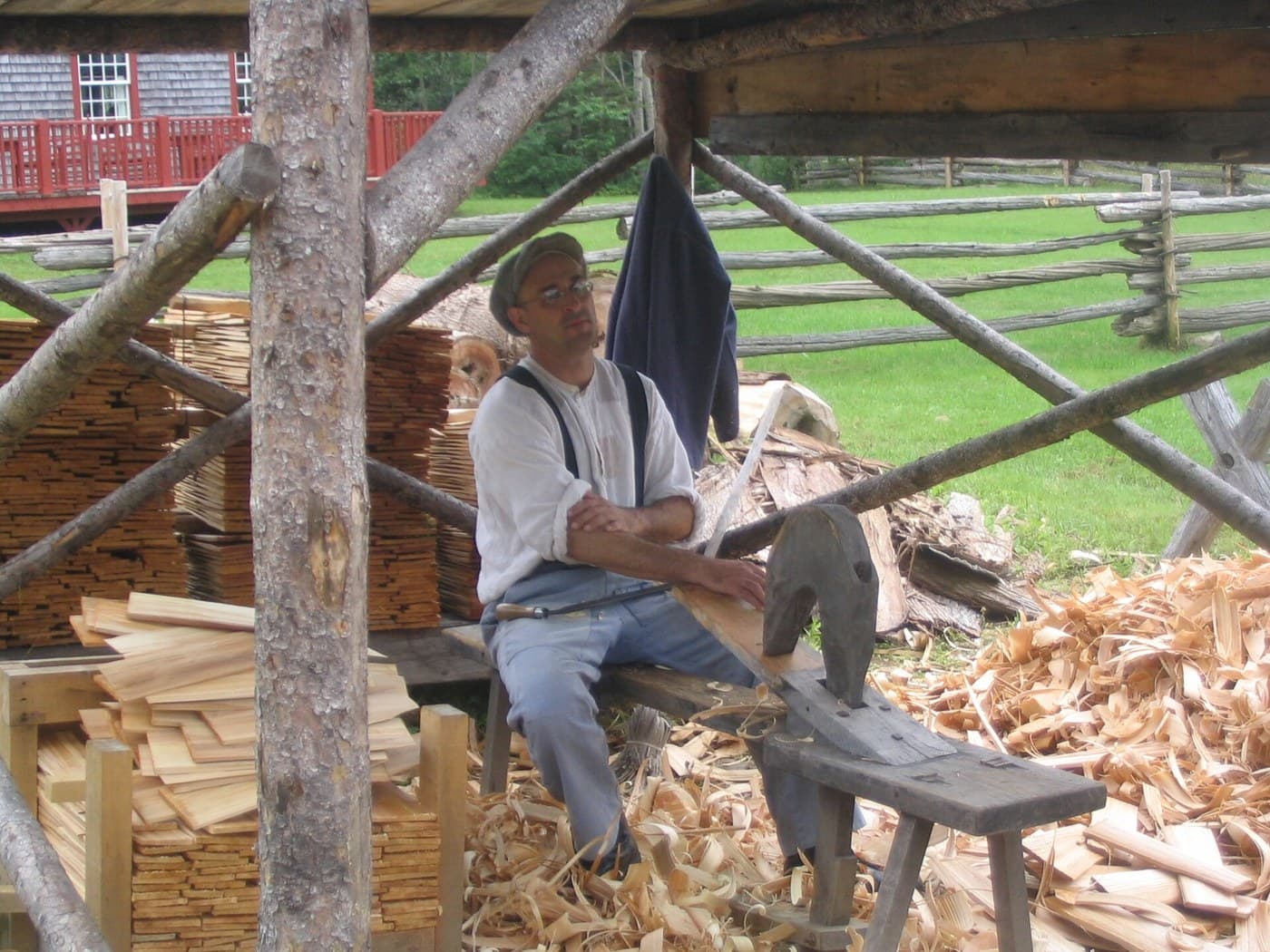
Froe and Riving
Woody کی طرف سے
دستکاری
45
0
0
0
0
0
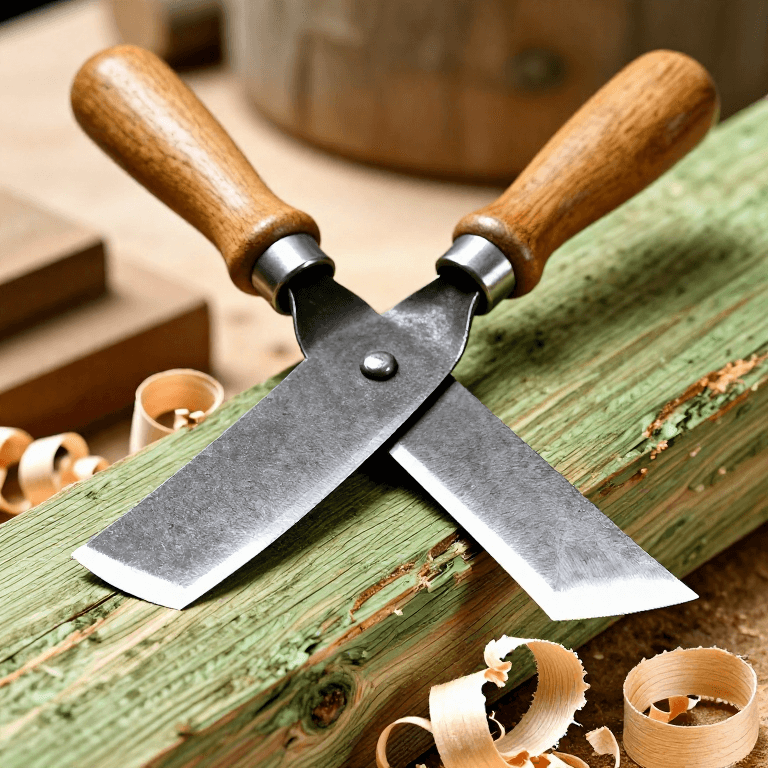
Using a Drawknife — Shaping Riven Timber by Drawing a Blade Toward You
Woody کی طرف سے
لکڑی کا کام
48
0
0
0
1
0
CC0 پبلک ڈومین
یہ بلیو پرنٹ CC0 کے تحت جاری کیا گیا ہے۔ آپ اجازت لیے بغیر اس کام کو نقل، ترمیم، تقسیم اور کسی بھی مقصد کے لیے استعمال کرنے کے لیے آزاد ہیں۔
میکر کی حمایت کریں ان کے بلیو پرنٹ کے ذریعے پروڈکٹس خرید کر جہاں وہ میکر کمیشن وینڈرز کی طرف سے مقرر، کماتے ہیں، یا اس بلیو پرنٹ کی نئی تکرار بنائیں اور آمدنی شیئر کرنے کے لیے اسے اپنے بلیو پرنٹ میں کنکشن کے طور پر شامل کریں۔