فن
خوبصورتی اور تندرستی
دستکاری
ثقافت اور تاریخ
تفریح
ماحول
خوراک اور مشروبات
ریورس انجینئرنگ
سائنسز
کھیل
ٹیکنالوجی
پہننے والے آلات
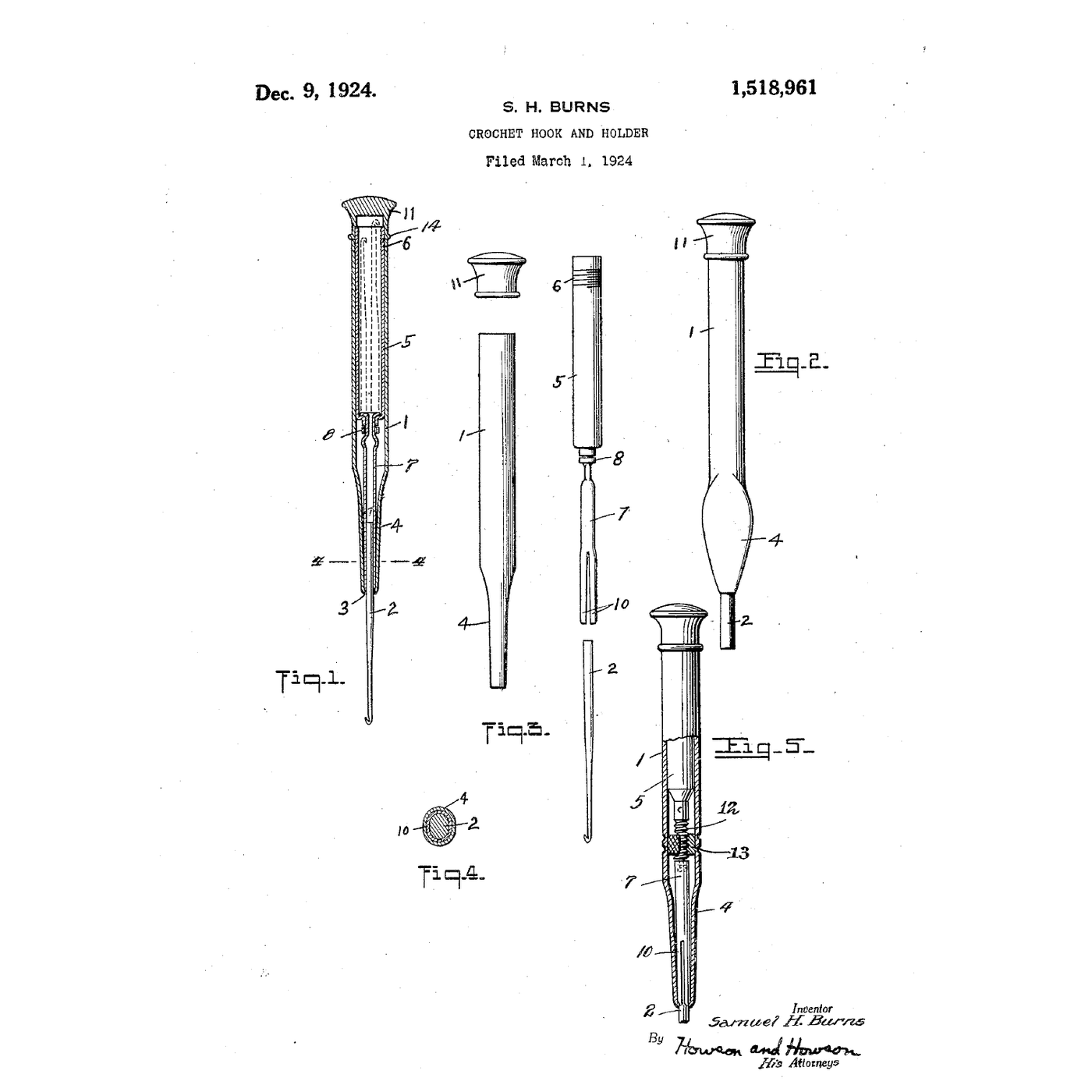

The Reversible Crochet Hook Holder: Collet Jaws Grip the Hook Either Way Round
A fine steel hook is hard to hold, and its point catches when carried.
Samuel H. Burns of Brooklyn, New York, received US 1,518,961, patented 9 December 1924, for a crochet hook and holder "in which the needle can be reversed and left with the point inside the holder for protection when not in use": split jaws on a small tube are drawn into the handle's flattened, tapered end by a threaded inner shell and grip the hook's non-round shank; the hollow inner shell stores hooks of other sizes.
This rung works out how hard a taper squeezes the jaws, then builds a collet holder from brass, aluminium and an M4 screw and measures the pull it holds.
اعلیٰ
About 4 hours
ہدایات
1
1
Grip from the taper
Grip from the taper
Jupyter نوٹ بک لوڈ ہو رہی ہے…
2
2
A hook protected in its handle before it
A hook protected in its handle before it
The embedded blueprint folds the hook into its handle. Burns takes the hook out, turns it round and clamps it point-in.
3
3
Read US 1,518,961
Read US 1,518,961
"The shank of the hook is then introduced into opening 3 of the tapered end and the jaws 10 until the desired length of the shank is left outside the holder when the inner shell 5 can be screwed into the outer shell and the clamping jaws 10 forced into the opening 3 of the tapered end thus gripping the shank of the hook."
"By making the inner shell 5 hollow, and of the proper length, I can use it as a reservoir for an assortment of needles for various sizes and kinds of crochet work."
4
4
Make the nose
Make the nose
Cut 30 mm of 12 mm aluminium rod. Drill 3.5 mm through on the axis, then 8.5 mm from the back 18 mm deep. Finish the bottom of the bore with the 8.5 mm bit's point, then file the front 15 mm to a flattened taper.
اس مرحلے کے لیے مواد:
 ایلومینیم کی سلاخ1 ٹکڑا
درکار اوزار:
 لوہا کاٹنے کی آری
 میز کا شکنجہ
 بے تار مشق
 مشقوں کا سیٹ
 ریتیاں (ہاتھ کی ریتی)
 ڈیجیٹل ورنیئر کیلیپر ۶ انچ
 شفاف حفاظتی عینک
5
5
Make the jaws
Make the jaws
Cut 30 mm of 8 mm brass rod. Drill 3.3 mm through on the axis and tap the back 10 mm M4. File the front to a cone matching the bore's bottom, and saw two cuts across it 12 mm deep, making four jaws.
اس مرحلے کے لیے مواد:
 پیتل کی سلاخ1 ٹکڑا
درکار اوزار:
لوہا کاٹنے کی آریمیز کا شکنجہبے تار مشقمشقوں کا سیٹ چُوڑی کاٹنے کا سیٹ
 باریک ریتیوں کا سیٹ
6
6
Assemble the handle
Assemble the handle
Epoxy the nose into one end of 120 mm of 1/2" brass tube. Epoxy an M4 nut in a 20 mm hardwood plug, centred, and set it 50 mm behind the nose. Screw 90 mm of M4 threaded rod through the nut into the jaws.
اس مرحلے کے لیے مواد:
 پیتل کی نلی، بیرونی قطر ۱/۲ انچ1 ٹکڑا
 دو جزو والی ایپوکسی1 ٹکڑا
 چھ گوشہ ڈھبری1 ٹکڑا
 سخت لکڑی کی کھونٹیاں1 ٹکڑا
 چوڑی دار سلاخ1 ٹکڑا
درکار اوزار:
لوہا کاٹنے کی آریبے تار مشقمشقوں کا سیٹ7
7
Clamp a hook both ways
Clamp a hook both ways
Choose a hook from the set with a shank under 3.3 mm and file two flats on it. Push it through the nose into the jaws and turn the rod's back end to draw the jaws in until it grips. Then reverse it, point inside, and clamp it again.
درکار اوزار:
باریک ریتیوں کا سیٹ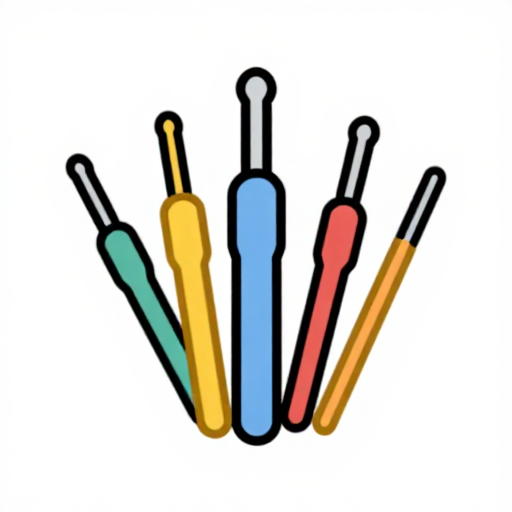 کروشیا کی سوئیوں کا سیٹ
8
8
Measure the grip
Measure the grip
Tie yarn to the hook's throat and pull along it with the force meter until it slips. Repeat at finger-tight and at firm; then twist the hook by hand and see if it turns.
اس مرحلے کے لیے مواد:
 سوت1 ٹکڑا
درکار اوزار:
 قوت پیما (کمانی ترازو)
9
9
A holder that slips, binds or will not open
A holder that slips, binds or will not open
Reversible crochet hook holder troubleshooting.
Flow
Loading...
10
10
History and honest limits
History and honest limits
**Samuel H. Burns** of Brooklyn, New York, filed US 1,518,961 on 1 March 1924, a continuation in part of his application of 5 June 1922; it was patented 9 December 1924. The flattened tapered end gives the thumb and forefinger a grip, and with a non-round shank the hook cannot turn in it. His small tube turns freely on the inner shell, so the jaws are drawn in without revolving; a cap on the inner shell turns it.
**Honest limits.** Our jaws turn with the screw, where his did not, and a threaded rod replaces his threaded inner shell. The drill point leaves a steep 118° cone, which grips less than a shallow taper would. Sizes are ours. Your pull forces are the result.
مواد
8- 1 ٹکڑاپلیس ہولڈر
- 1 ٹکڑاپلیس ہولڈر
- پلیس ہولڈر
- 1 ٹکڑاپلیس ہولڈر
- 1 ٹکڑاپلیس ہولڈر
- 1 ٹکڑاپلیس ہولڈر
- 1 ٹکڑاپلیس ہولڈر
- 1 ٹکڑاپلیس ہولڈر
درکار اوزار
11- پلیس ہولڈر
- پلیس ہولڈر
- 1 vendor sell this, none ship to you yetپلیس ہولڈر
- پلیس ہولڈر
- پلیس ہولڈر
- پلیس ہولڈر
- پلیس ہولڈر
- پلیس ہولڈر
- پلیس ہولڈر
- پلیس ہولڈر
- پلیس ہولڈر
متعلقہ بلیو پرنٹ
یہ بلیو پرنٹ علم بانٹتے ہیں — تکنیک، مواد یا اصول
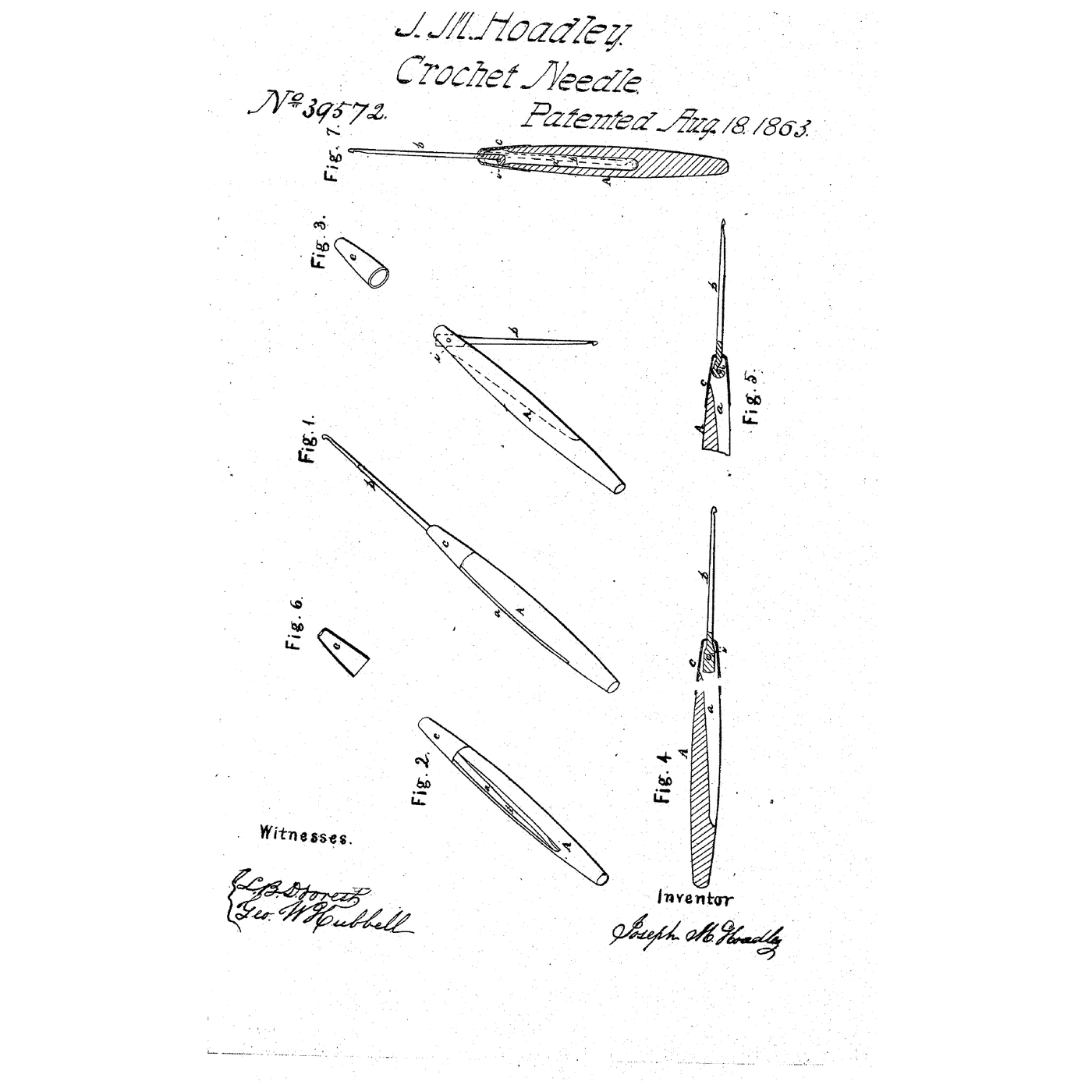
The Folding Crochet Needle: A Hook That Shuts Into Its Handle
Tex کی طرف سے
لکڑی کا کام
28
0
0
0
0
0
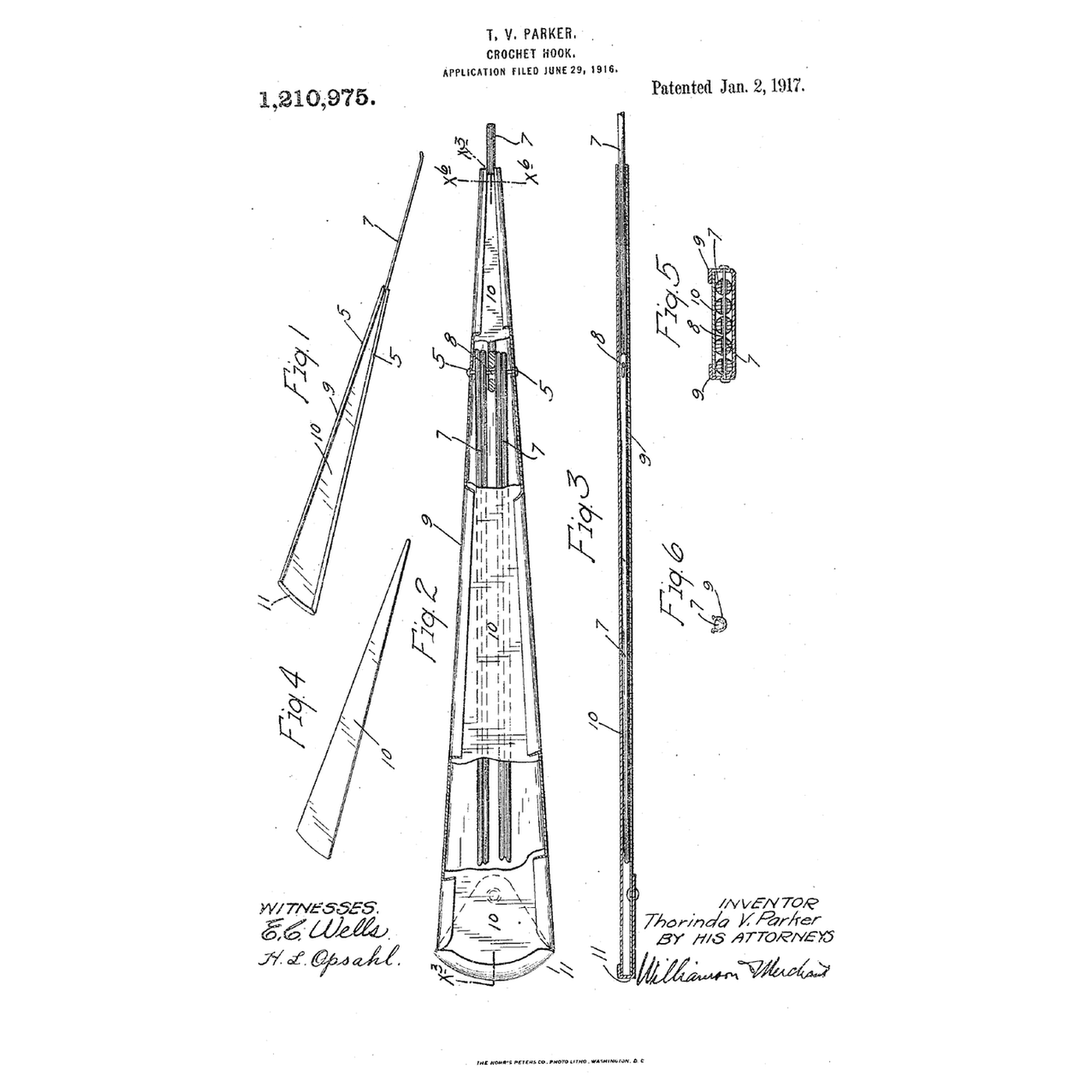
The Hook-Case Crochet Set: Hooks of Every Size Swing From One Rivet in Their Own Case
Martin کی طرف سے
دھات کاری کے اوزار
30
0
0
0
0
0
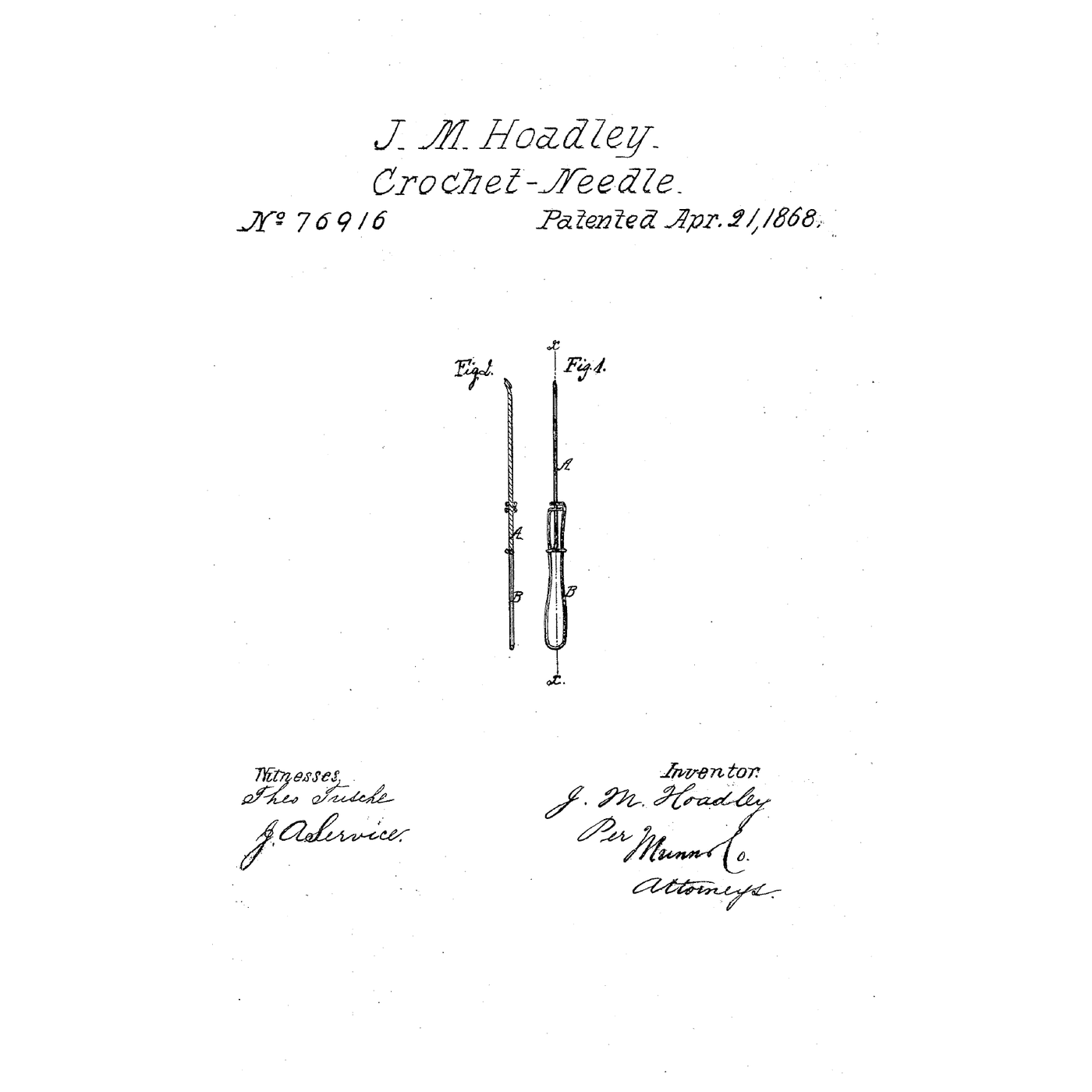
The Spring-Wire Crochet Holder: A Needle Held by Tempered Wire
Emma کی طرف سے
کپڑے کے اوزار
26
0
0
0
0
0
CC0 پبلک ڈومین
یہ بلیو پرنٹ CC0 کے تحت جاری کیا گیا ہے۔ آپ اجازت لیے بغیر اس کام کو نقل، ترمیم، تقسیم اور کسی بھی مقصد کے لیے استعمال کرنے کے لیے آزاد ہیں۔
میکر کی حمایت کریں ان کے بلیو پرنٹ کے ذریعے پروڈکٹس خرید کر جہاں وہ میکر کمیشن وینڈرز کی طرف سے مقرر، کماتے ہیں، یا اس بلیو پرنٹ کی نئی تکرار بنائیں اور آمدنی شیئر کرنے کے لیے اسے اپنے بلیو پرنٹ میں کنکشن کے طور پر شامل کریں۔