فن
خوبصورتی اور تندرستی
دستکاری
ثقافت اور تاریخ
تفریح
ماحول
خوراک اور مشروبات
ریورس انجینئرنگ
سائنسز
کھیل
ٹیکنالوجی
پہننے والے آلات
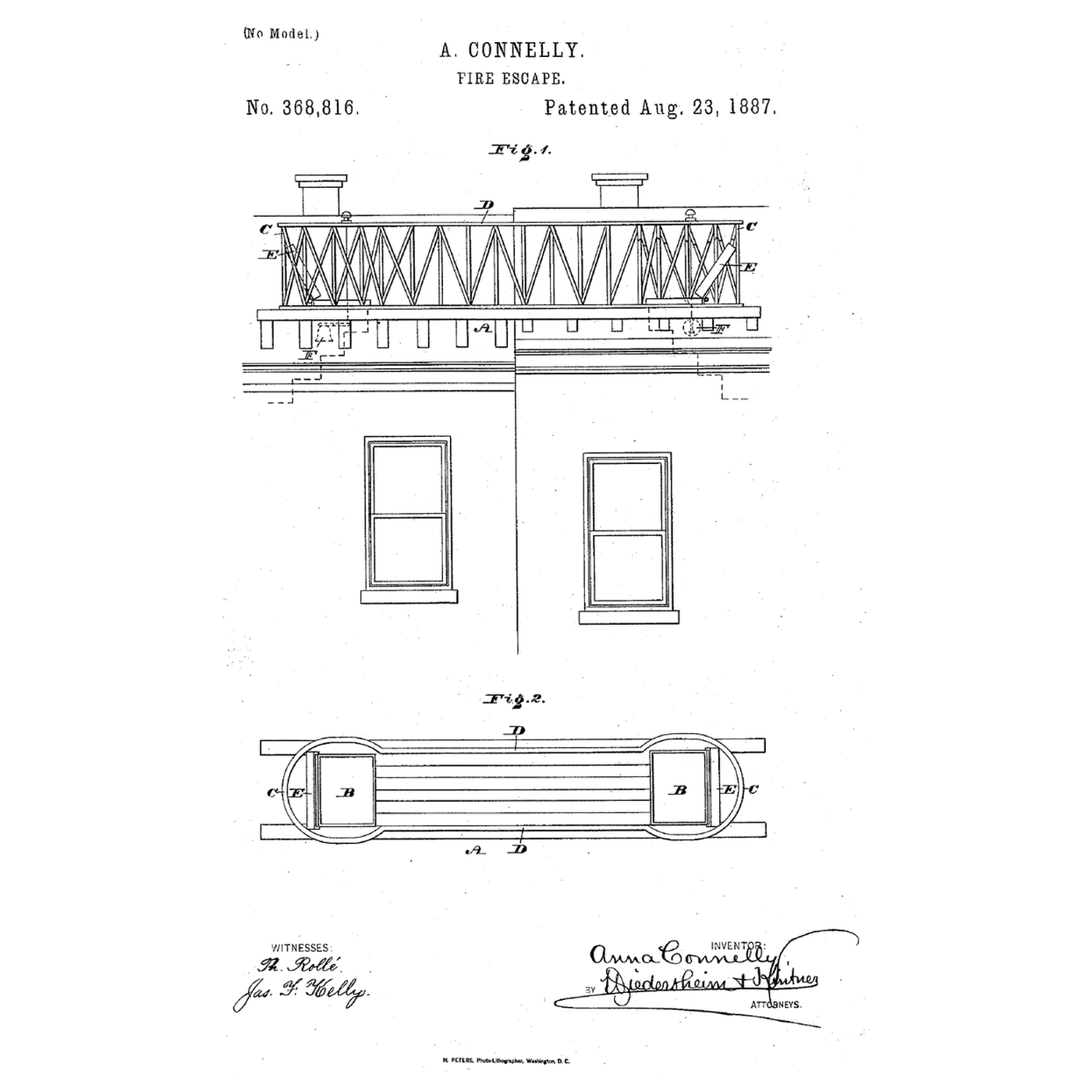


The Rooftop Fire Escape: A Railed Bridge to the House Next Door
In a row of tall city houses a fire on the stairs traps the people above it. The way out is up, through the roof hatch — and then across to the next house.
Anna Connelly of Philadelphia filed US 368,816 on 13 May 1887; it is dated 23 August 1887. Her fire escape is "a bridge surrounded by a railing and having openings in the ends of the floor thereof", placed on the roofs of adjoining buildings so people can pass safely from one roof to the other, with alarms worked from the bridge to rouse the neighbours if their scuttle is shut.
This rung works out how long an escape takes and what the bridge must carry, and builds a model between two boxes.
نیا سیکھنے والا
About 2 hours
ہدایات
1
1
Crossing time and bridge strength
Crossing time and bridge strength
Jupyter نوٹ بک لوڈ ہو رہی ہے…
2
2
The way up to the roof
The way up to the roof
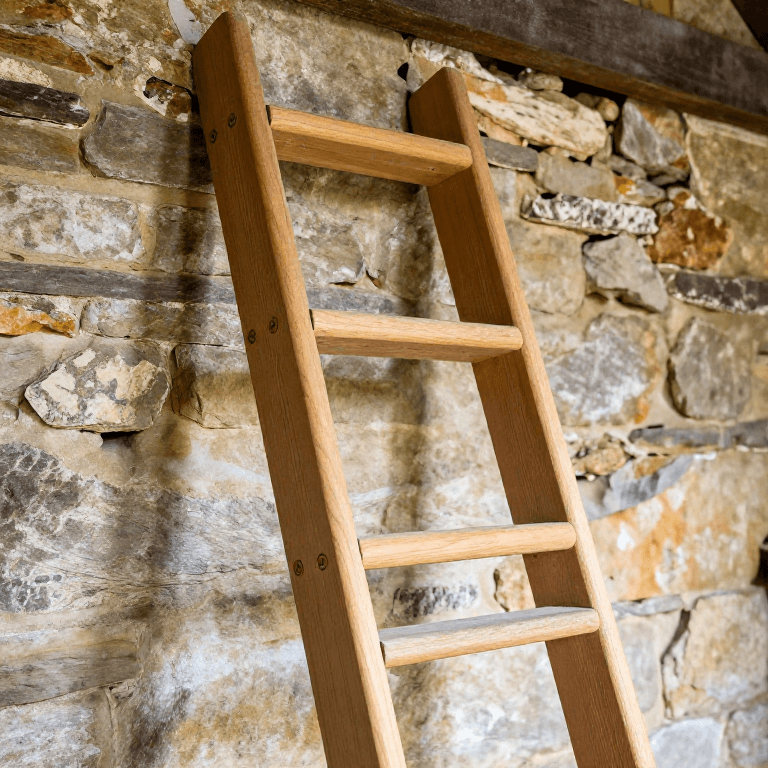
Every roof escape starts with a ladder to the hatch. The embedded blueprint makes one.
3
3
Read US 368,816
Read US 368,816
Connelly's invention "consists of a bridge surrounded by a railing and having openings in the ends of the floor thereof ... the said bridge being adapted to be placed on the roofs of adjoining or adjacent buildings, thereby permitting the ready and safe passage from one roof to the other." It further provides "alarms adapted to be operated from said bridge", whereby "the inmates of either or both of the said buildings may be alarmed".
The bridge A has openings B at opposite ends of its floor, with guards C round them continuous with the side rails D. Placed so the openings are over the scuttles or trap doors, people pass up through one and "over the bridge to the opposite scuttle or trap door, being prevented from falling owing to the end guards and side rails". "Should said scuttle or trap-door not be open, the respective bell is rung, whereby the occupants of the house are alarmed or signaled", and they open it from within.
4
4
Model the escape
Model the escape
Stand two cardboard boxes 25 cm apart as neighbouring houses and cut a square hatch in each lid. Build a bridge from two dowel side rails and card decking, with a hole at each end over the hatches and guard rails round the holes, and glue it down.
Load the middle of the bridge with weights until it sags visibly, measure the sag, and try a deeper side rail. Tie a small bell under one end that rings when a string across the far hatch is pulled.
اس مرحلے کے لیے مواد:
 نالی دار گتے کی چادریں1 ٹکڑا
 سخت لکڑی کی کھونٹیاں1 ٹکڑا
 پیزو بزر1 ٹکڑا
درکار اوزار:
 دستکاری کا چاقو
 خود بھرنے والی کٹائی کی چٹائی
 گرم گوند کی بندوق
 پیمانہ
 بوجھ
5
5
A roof escape that fails
A roof escape that fails
Roof escape checks.
Flow
Loading...
6
6
History and honest limits
History and honest limits
**Anna Connelly** of Philadelphia filed US 368,816 on 13 May 1887; it is dated 23 August 1887. She claims a fire-escape bridge connectible with adjacent houses, with floor openings over their scuttles, guards and rails, and alarms operated from the bridge.
**Honest limits.** Flow rates, crowd size and timber strength in the notebook are assumptions.
مواد
3- 1 ٹکڑاپلیس ہولڈر
- 1 ٹکڑاپلیس ہولڈر
- 1 ٹکڑاپلیس ہولڈر
درکار اوزار
5- پلیس ہولڈر
- پلیس ہولڈر
- پلیس ہولڈر
- پلیس ہولڈر
- پلیس ہولڈر
متعلقہ بلیو پرنٹ
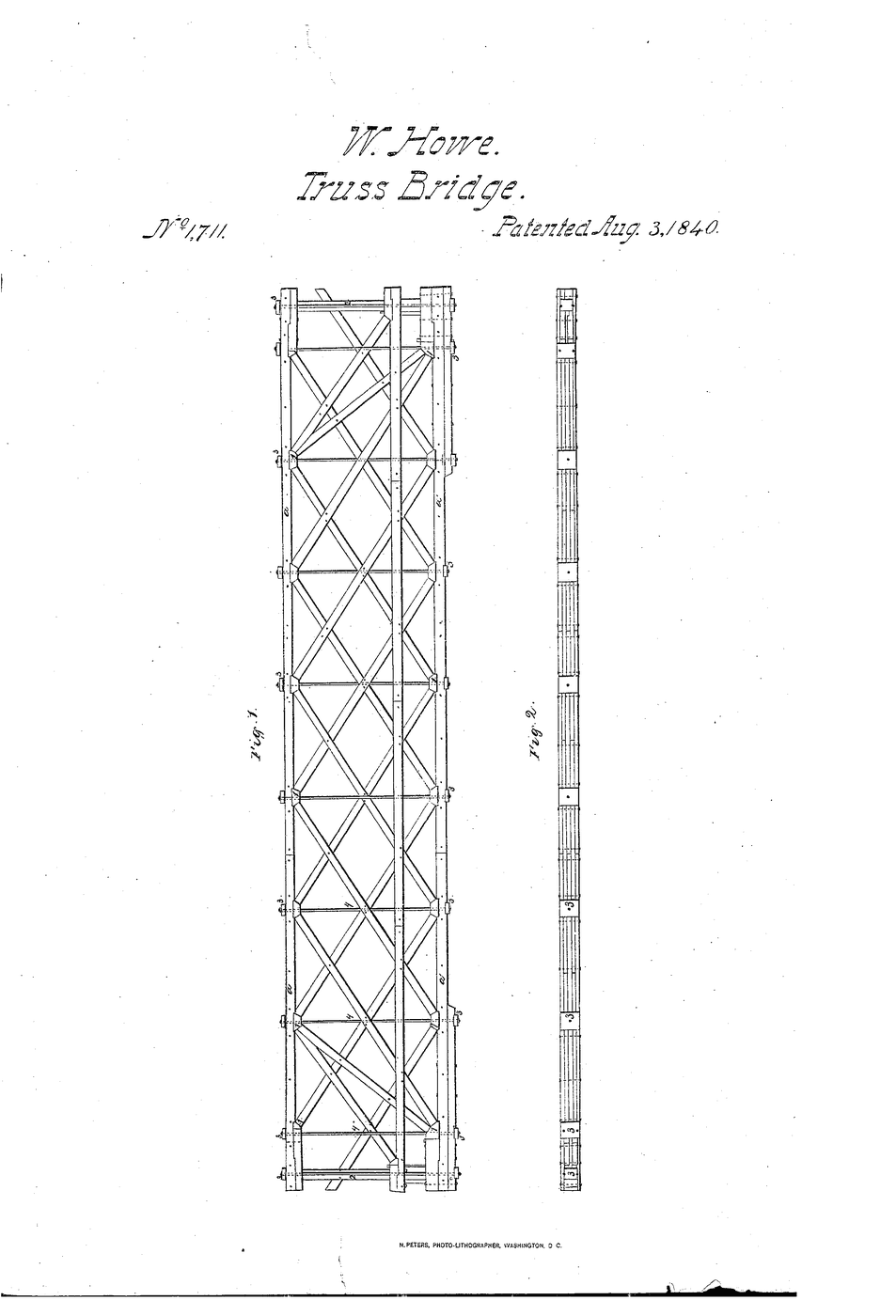
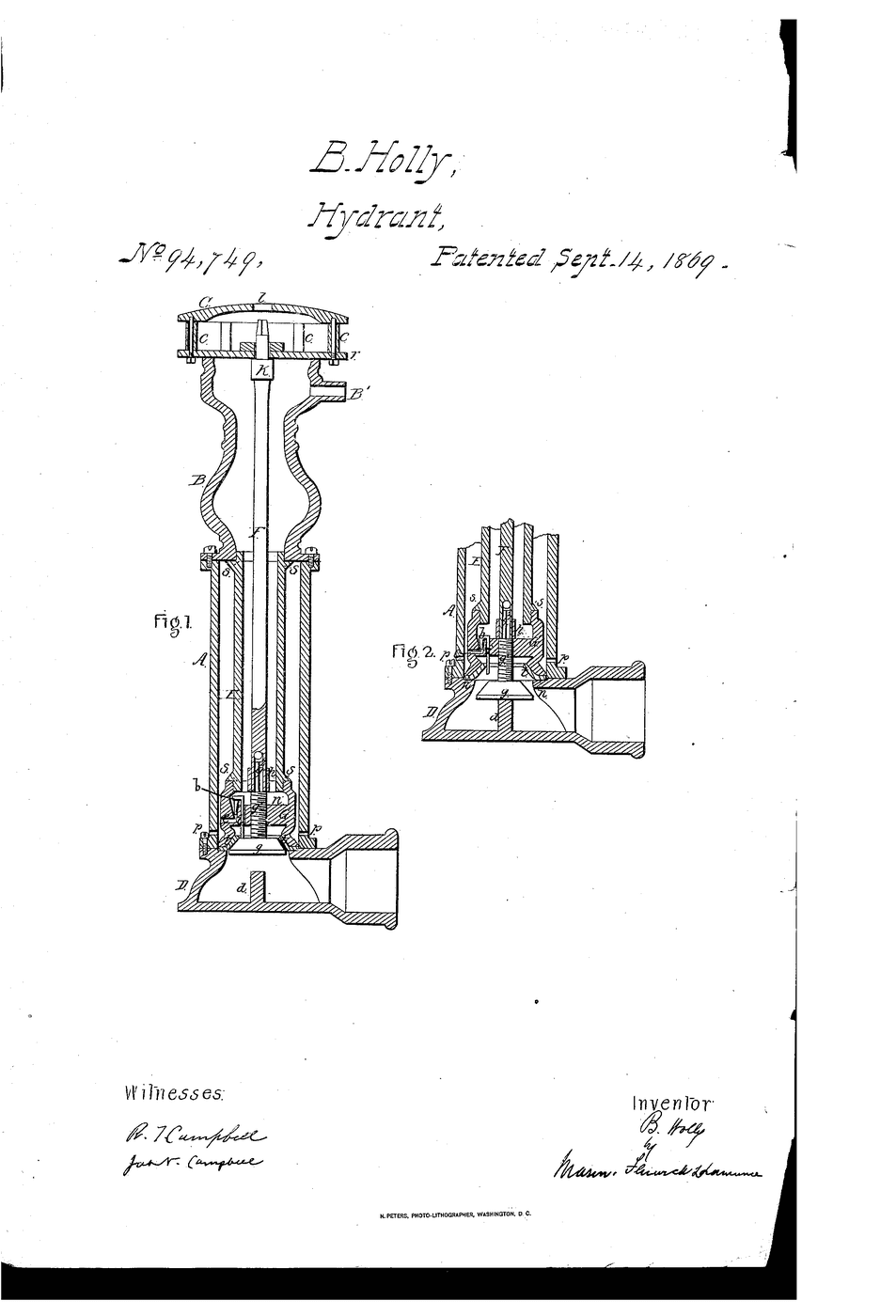
یہ بلیو پرنٹ علم بانٹتے ہیں — تکنیک، مواد یا اصول
CC0 پبلک ڈومین
یہ بلیو پرنٹ CC0 کے تحت جاری کیا گیا ہے۔ آپ اجازت لیے بغیر اس کام کو نقل، ترمیم، تقسیم اور کسی بھی مقصد کے لیے استعمال کرنے کے لیے آزاد ہیں۔
میکر کی حمایت کریں ان کے بلیو پرنٹ کے ذریعے پروڈکٹس خرید کر جہاں وہ میکر کمیشن وینڈرز کی طرف سے مقرر، کماتے ہیں، یا اس بلیو پرنٹ کی نئی تکرار بنائیں اور آمدنی شیئر کرنے کے لیے اسے اپنے بلیو پرنٹ میں کنکشن کے طور پر شامل کریں۔