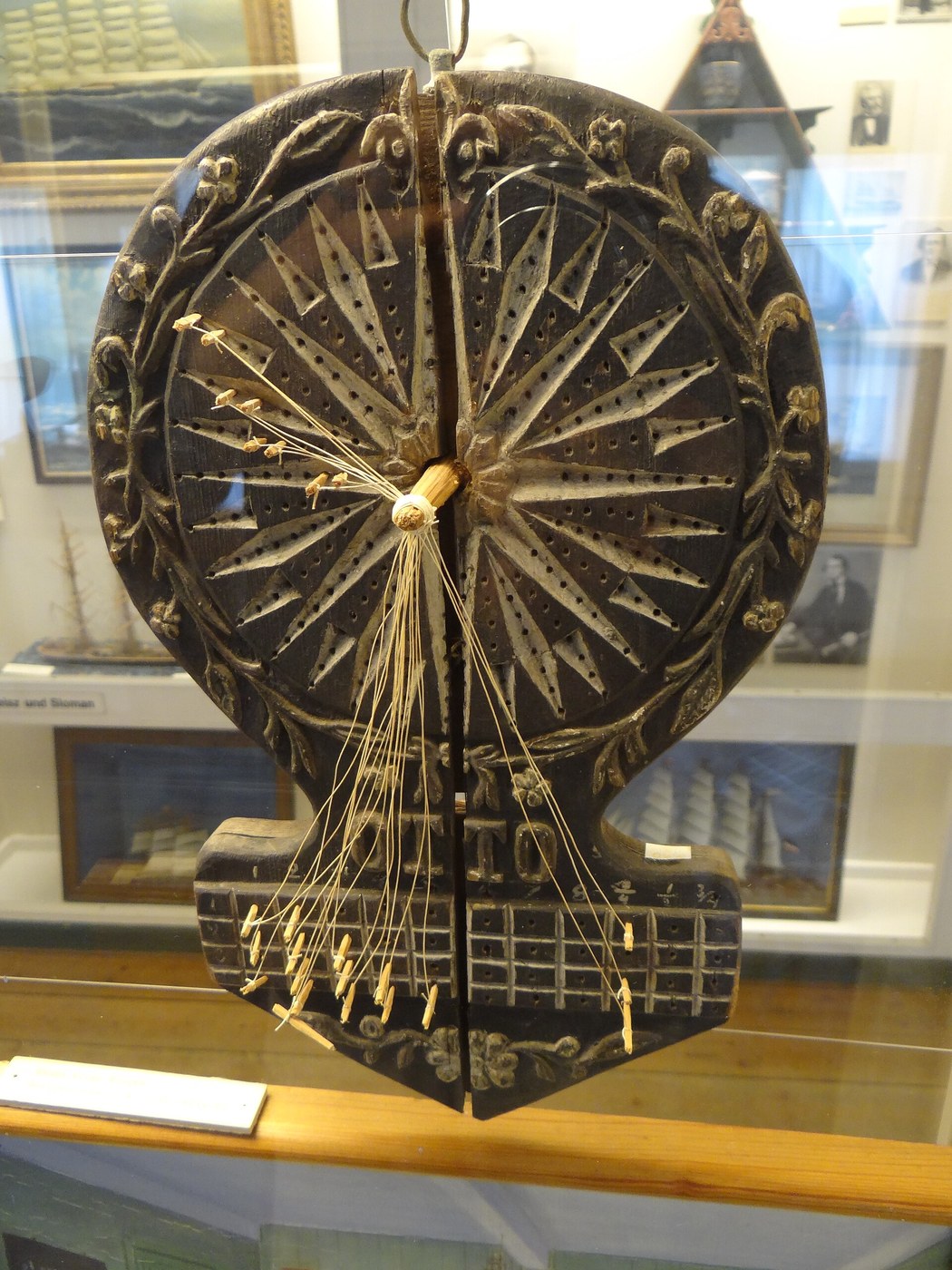


Traverse Board
ہدایات
Lay out the compass rose
Lay out the compass rose
Thirty-two points, not 360 degrees.
- Draw a circle and divide it into 32 equal points — 11.25 degrees each.
- Label them in the traditional order: North, North by East, North-north-east, and so on.
- Drill eight holes along each radius, from centre outward.
اس مرحلے کے لیے مواد:
 چیڑ کا تختہ1 board
 زاویہ پیما1 ٹکڑا
Add the speed section
Add the speed section
A separate grid below the rose records what the log said.
- Rule a grid of rows and columns beneath the rose.
- Columns are speed in knots; rows are the successive half-hours.
- Drill a hole at each intersection and attach pegs on lanyards.
اس مرحلے کے لیے مواد:
 سوتی ڈوری1 رول
 لکڑی کی چولیں1 ٹکڑا
Keep a watch
Keep a watch
Run a simulated watch and fill the board.
- Every half-hour, peg the heading actually steered.
- Peg the speed from your log reading.
- Work outward from the centre so the sequence is unambiguous.
اس مرحلے کے لیے مواد:
 قطب نما1 ٹکڑا
Work up the average course
Work up the average course
Turn eight headings and eight speeds into one position change.
- For each half-hour, resolve the run into north-south and east-west components.
- Sum each component over the watch.
- The totals give the distance made good and the course made good.
اس مرحلے کے لیے مواد:
 گریفائٹ پنسلوں کا سیٹ1 سیٹ
History and context
History and context
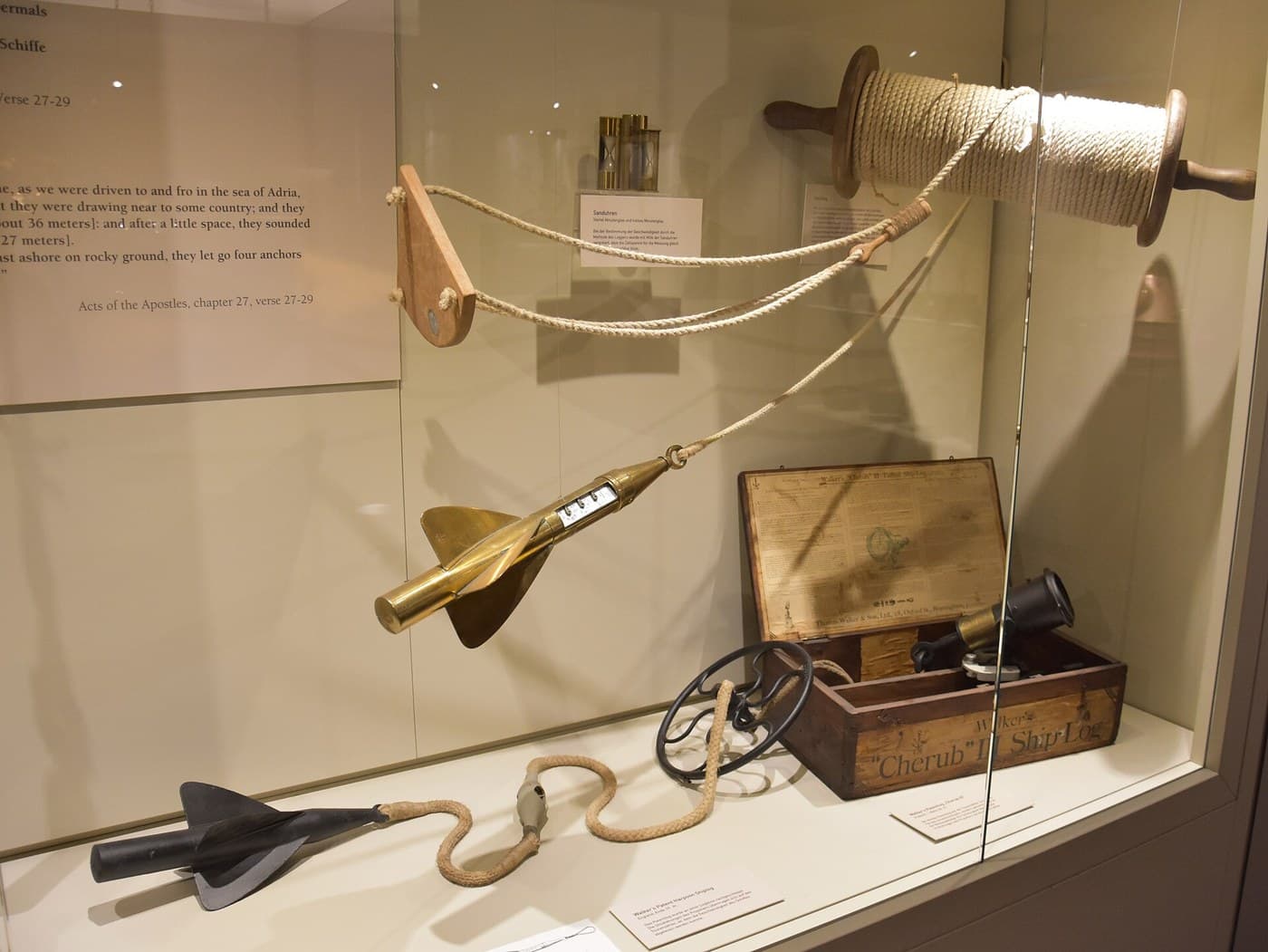
Traverse boards are documented from around the fifteenth century and were standard on European vessels for centuries. They belong to dead reckoning: from a known position, apply course and distance to get the next position. The chip log supplied speed, the compass supplied heading, the glass supplied time, and the board held the record between them.
The design assumes an illiterate user, deliberately. Ordinary seamen were often unable to read, and the helmsman was the only person who knew what had actually been steered. A pegboard lets that person record data accurately without writing, and lets the mate — who could write — read it off at the end of the watch. It is an interface designed around who is actually operating it, which is not a modern idea.
Errors accumulated relentlessly. Leeway from the wind pushing the hull sideways, currents, a helmsman's average error, and the chip log reading slightly low all compound over days out of sight of land. Dead reckoning was good enough for coastal work and terrifying for ocean crossings, which is the whole reason the longitude problem attracted a national prize.
Boxing the compass survives as a phrase, and the 32-point system persists in wind and swell descriptions. The board itself was displaced by the deck log book as literacy became general — and the underlying method, integrating heading and speed over time to update a position, is exactly what an inertial navigation system does now with gyroscopes and a processor.
مواد
6- 1 boardپلیس ہولڈر
- 1 ٹکڑاپلیس ہولڈر
- 1 رولپلیس ہولڈر
- 1 ٹکڑاپلیس ہولڈر
- 1 ٹکڑاپلیس ہولڈر
- پلیس ہولڈر
یہ بلوپرنٹ بناتا ہے

متعلقہ بلیو پرنٹ
یہ بلیو پرنٹ علم بانٹتے ہیں — تکنیک، مواد یا اصول
CC0 پبلک ڈومین
یہ بلیو پرنٹ CC0 کے تحت جاری کیا گیا ہے۔ آپ اجازت لیے بغیر اس کام کو نقل، ترمیم، تقسیم اور کسی بھی مقصد کے لیے استعمال کرنے کے لیے آزاد ہیں۔
میکر کی حمایت کریں ان کے بلیو پرنٹ کے ذریعے پروڈکٹس خرید کر جہاں وہ میکر کمیشن وینڈرز کی طرف سے مقرر، کماتے ہیں، یا اس بلیو پرنٹ کی نئی تکرار بنائیں اور آمدنی شیئر کرنے کے لیے اسے اپنے بلیو پرنٹ میں کنکشن کے طور پر شامل کریں۔