تعاون
فن
خوبصورتی اور تندرستی
دستکاری
ثقافت اور تاریخ
تفریح
ماحول
خوراک اور مشروبات
ریورس انجینئرنگ
سائنسز
کھیل
ٹیکنالوجی
پہننے والے آلات
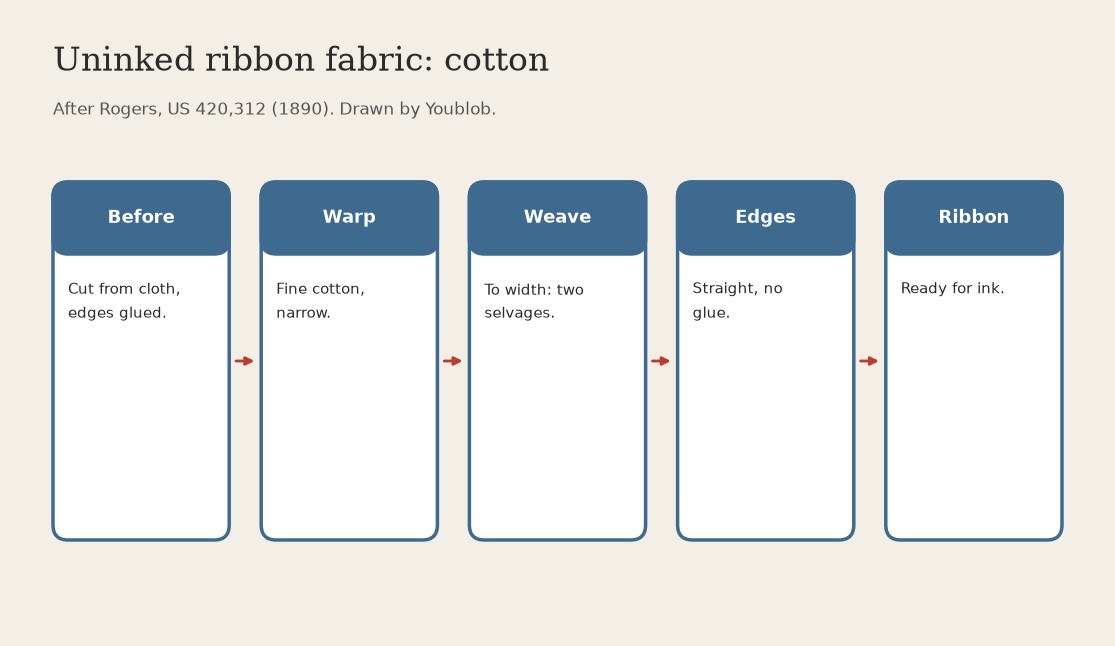


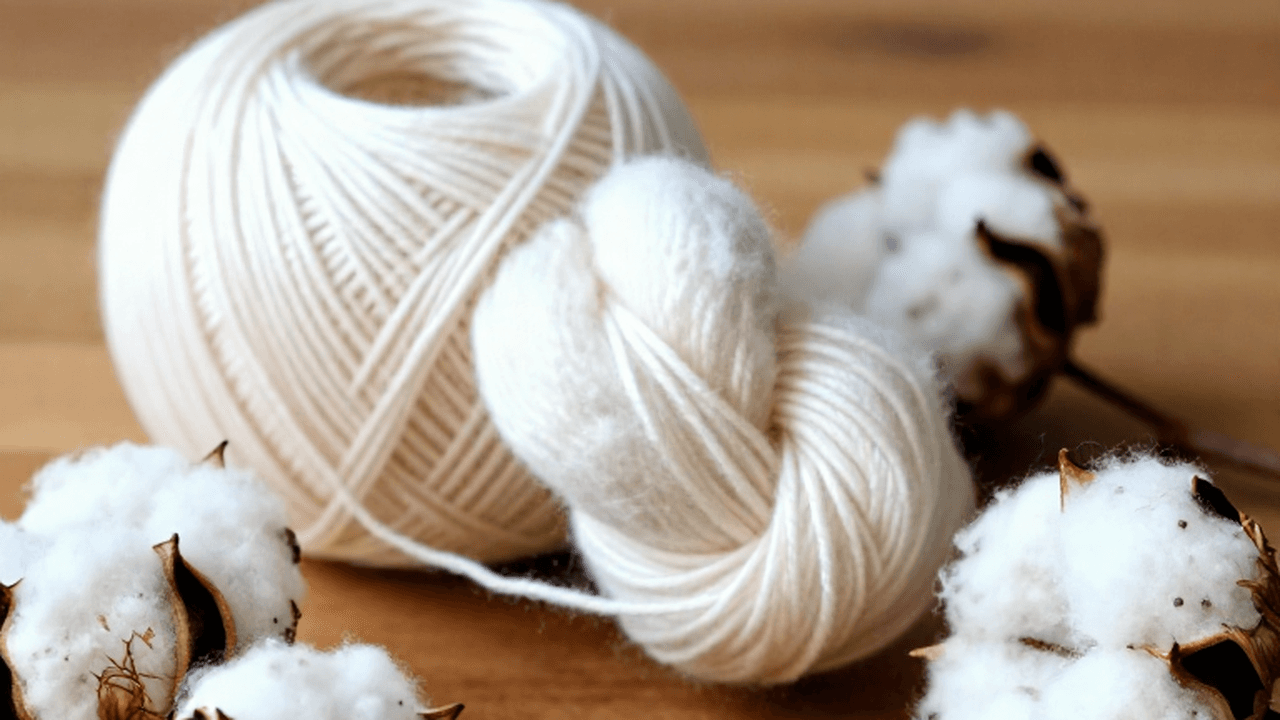
Uninked Ribbon Fabric: Narrow Woven Cotton Strip with Two Selvages (Rogers, US 420,312, 1890)
Early typewriter ribbons were cut from a roll of fine cotton cloth and the cut edges glued; the edges came out zigzag and the glue spoiled the inking surface. Rogers wove the ribbon to width instead, so it has two true selvages and needs no glue.
Result: a narrow cotton ribbon with straight woven edges, ready for inking.
Source: Rogers, US 420,312 (1890). He chose cotton over silk: silk cost more, held less ink and sagged in the middle. Not given: width, thread count. Picture drawn by Youblob.
درمیانہ
Factory process
ہدایات
1
1
Warp a narrow loom with fine cotton
Warp a narrow loom with fine cotton
Set up the loom for a ribbon of typewriter width, not a wide bolt. Rogers used fine cotton; width and thread count: not given. Ours: a power loom (Rogers built his own machinery).
اس مرحلے کے لیے مواد:
 سوتی دھاگہ1 as required
درکار اوزار:
 مشینی کھڈی
2
2
Weave the ribbon to width
Weave the ribbon to width
Weave the strip at its final width so both edges are selvages: straight, unravelling-free, with no cut edge to glue.
اس مرحلے کے لیے مواد:
سوتی دھاگہ1 as requiredدرکار اوزار:
مشینی کھڈی3
3
Wind it off for inking
Wind it off for inking
Take the woven ribbon off the loom; its whole surface is free for ink. Rogers then inks it on one side only.
درکار اوزار:
مشینی کھڈییہ بلوپرنٹ بناتا ہے
متعلقہ بلیو پرنٹ
یہ بلیو پرنٹ علم بانٹتے ہیں — تکنیک، مواد یا اصول

CC0 پبلک ڈومین
یہ بلیو پرنٹ CC0 کے تحت جاری کیا گیا ہے۔ آپ اجازت لیے بغیر اس کام کو نقل، ترمیم، تقسیم اور کسی بھی مقصد کے لیے استعمال کرنے کے لیے آزاد ہیں۔
میکر کی حمایت کریں ان کے بلیو پرنٹ کے ذریعے پروڈکٹس خرید کر جہاں وہ میکر کمیشن وینڈرز کی طرف سے مقرر، کماتے ہیں، یا اس بلیو پرنٹ کی نئی تکرار بنائیں اور آمدنی شیئر کرنے کے لیے اسے اپنے بلیو پرنٹ میں کنکشن کے طور پر شامل کریں۔