فن
خوبصورتی اور تندرستی
دستکاری
ثقافت اور تاریخ
تفریح
ماحول
خوراک اور مشروبات
ریورس انجینئرنگ
سائنسز
کھیل
ٹیکنالوجی
پہننے والے آلات
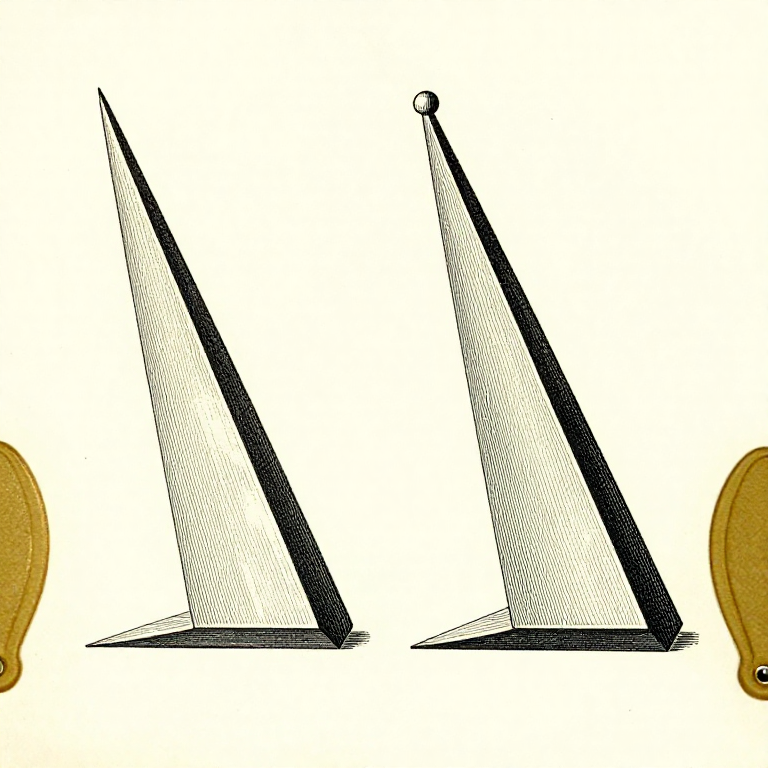


What Sharp Actually Is: Two Surfaces Meeting at a Line
An edge is not a thing. It is the LINE where two polished surfaces meet, and it has no width at all when it is perfect. Everything about sharpening follows from that one sentence, and most of the confusion around it comes from not having heard it.
A dull edge is not worn away — it is ROUNDED. Where two flat surfaces used to meet at a line there is now a tiny cylinder, a few micrometres across, and that cylinder pushes fibres aside instead of parting them. Sharpening does not add anything; it removes metal from both surfaces until they meet again.
Twenty-two edge tools are published on Youblob — bronze chisels, stone adzes, Viking sickles, a drawknife — and not one of them works for long without this. It is the same problem on every one.
نیا سیکھنے والا
2 hours
ہدایات
1
1
Look at a dull edge and see the line of light
Look at a dull edge and see the line of light
Hold a blunt blade edge-up under a bright lamp and look straight down at the edge. Tilt it slowly.
A dull edge catches the light and shows as a thin bright line, because the rounded tip is a surface and surfaces reflect. A truly sharp edge has no surface to catch the light and simply disappears — you cannot see it at all.
That is the only sharpness test you always have with you, it takes two seconds, and it is more reliable than dragging a thumb across the edge. Bright spots along an otherwise invisible edge are nicks; a bright line along its whole length means the whole edge is round.
درکار اوزار:
 چھینی سیٹ - ترچھا کنارہ
 مکبر لوپ
2
2
Sharpening removes metal — it does not restore anything
Sharpening removes metal — it does not restore anything
Draw across the bevel of a blunt chisel with a permanent marker, then take a few strokes on a stone and look at what the marker shows.
Where the ink is gone, the stone touched. Where it remains, it did not. This is the most useful diagnostic in sharpening and it costs nothing: it tells you exactly where your strokes are landing, which is almost never where you assume.
It also makes the principle concrete. You are not reviving an edge, you are grinding the whole bevel back until it meets the flat side again. A chisel gets shorter over its life, and that is correct.
درکار اوزار:
چھینی سیٹ - ترچھا کنارہ سان کا پتھر
 پکی سیاہی کا مارکر
3
3
The angle is a compromise, not a preference
The angle is a compromise, not a preference
Jupyter نوٹ بک لوڈ ہو رہی ہے…
درکار اوزار:
 حساب کرنے والا آلہ
4
4
Sharp is a property of the steel, not only the grinding
Sharp is a property of the steel, not only the grinding
A blade too soft will not hold the edge you put on it; one too hard will chip rather than dull. Both feel like a sharpening failure and neither is.
If an edge goes from sharp to useless within a few cuts with no visible damage, the steel is too soft — it is deforming, rolling over. If it comes back from the stone perfect and then shows tiny bright nicks, it is too hard or too thin for the work. The heat-treatment blueprint published here is where that is set.
This matters for the bronze and stone tools in the catalogue too. A bronze chisel cannot hold a razor angle — it work-hardens at the edge and then deforms — so it is sharpened blunter on purpose, and that is not a compromise but the correct angle for that metal.
درکار اوزار:
چھینی سیٹ - ترچھا کنارہمکبر لوپ خشک نرم لکڑی کا تختہ
درکار اوزار
6- پلیس ہولڈر
- پلیس ہولڈر
- پلیس ہولڈر
- پلیس ہولڈر
- پلیس ہولڈر
- پلیس ہولڈر
متعلقہ بلیو پرنٹ
یہ بلیو پرنٹ علم بانٹتے ہیں — تکنیک، مواد یا اصول

CC0 پبلک ڈومین
یہ بلیو پرنٹ CC0 کے تحت جاری کیا گیا ہے۔ آپ اجازت لیے بغیر اس کام کو نقل، ترمیم، تقسیم اور کسی بھی مقصد کے لیے استعمال کرنے کے لیے آزاد ہیں۔
میکر کی حمایت کریں ان کے بلیو پرنٹ کے ذریعے پروڈکٹس خرید کر جہاں وہ میکر کمیشن وینڈرز کی طرف سے مقرر، کماتے ہیں، یا اس بلیو پرنٹ کی نئی تکرار بنائیں اور آمدنی شیئر کرنے کے لیے اسے اپنے بلیو پرنٹ میں کنکشن کے طور پر شامل کریں۔