Współpraca
SZTUKA
Piękno i dobre samopoczucie
RZEMIOSŁO
KULTURA I HISTORIA
ROZRYWKA
ŚRODOWISKO
JEDZENIE I NAPOJE
INŻYNIERIA ODWROTNA
NAUKI
LEKKOATLETYKA
TECHNOLOGIA
URZĄDZENIA DO NOSZENIA
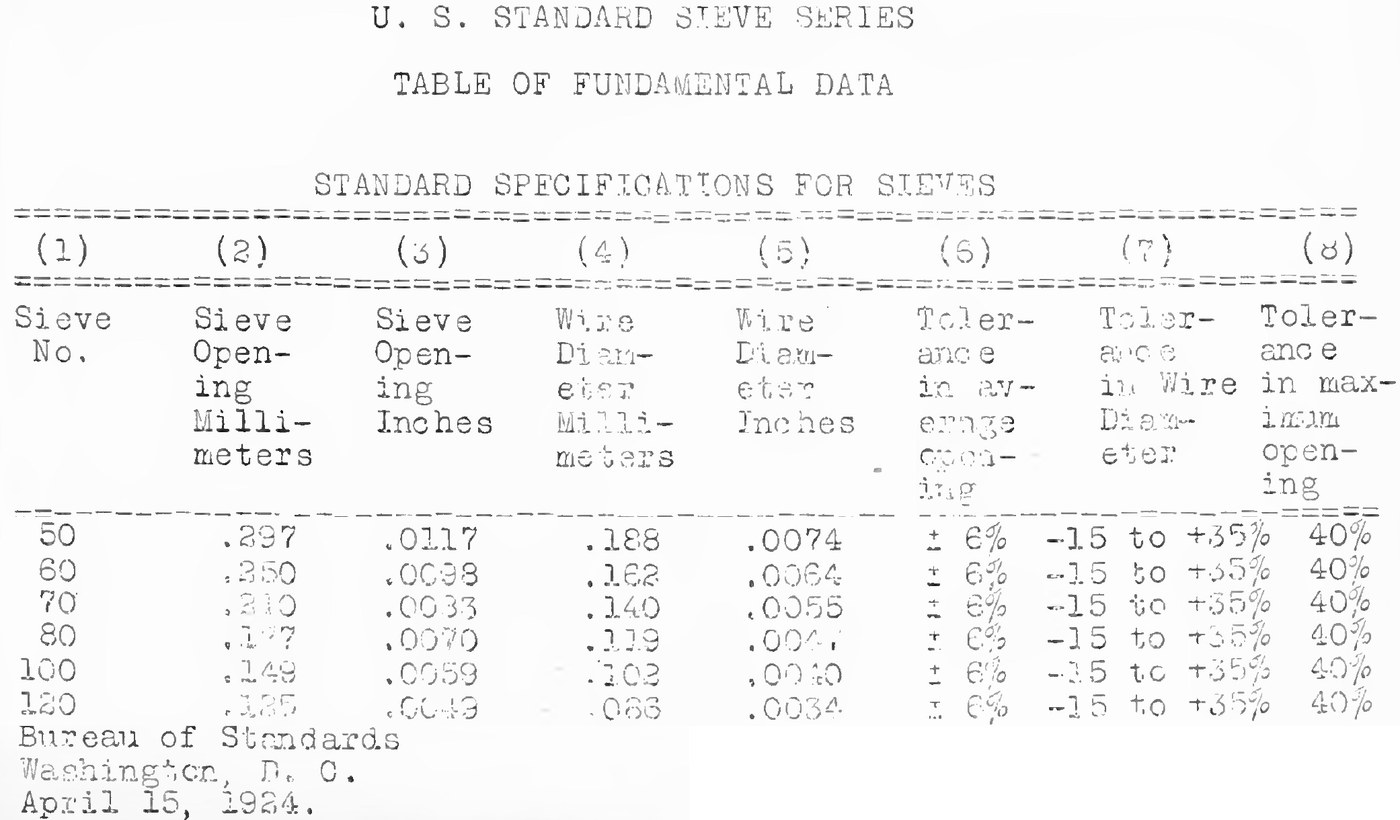

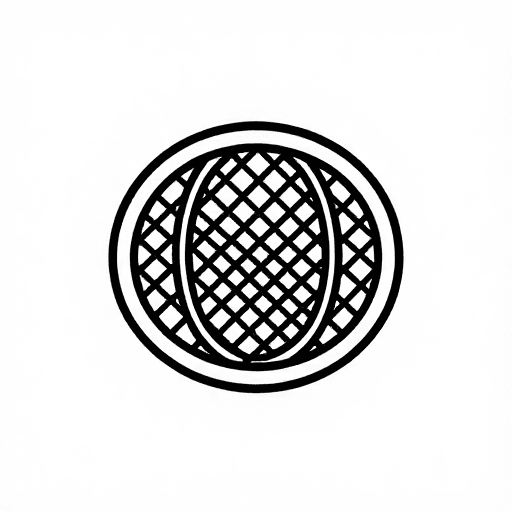
60-Mesh and 80-Mesh Sieves: U.S. Standard Sieves No. 60 and No. 80 (Bureau of Standards, 1924)
Two standard testing sieves made the same way; only the wire and the opening change with the sieve number. Plain-woven brass or bronze wire cloth is soldered smoothly into a round frame about 20 cm (8 in) across.
No. 60 has 0.250 mm openings (the 60-mesh sieve); No. 80 has 0.177 mm openings (the 80-mesh sieve). The finer the cloth, the finer the grains that pass.
Source: Bureau of Standards, Letter Circular 74, Standard Specifications for Sieves (revised 1924). Unknown: the frame metal and the weaving. Picture: the Bureau's table.
Średniozaawansowany
Unknown
Instrukcje
1
1
Choose the sieve number
Choose the sieve number
The sieve number sets the wire and the opening (Bureau of Standards table, 1924):
No. 60: opening 0.250 mm (0.0098 in), wire 0.162 mm (0.0064 in).
No. 80: opening 0.177 mm (0.0070 in), wire 0.119 mm (0.0047 in).
The opening is the clear space between adjacent wires. No. 60 passes grains under 0.250 mm; No. 80 passes grains under 0.177 mm.
2
2
Weave the wire cloth
Weave the wire cloth
Weave plain (not twilled) cloth from brass, bronze or other suitable wire of the diameter for your sieve number, spacing the wires so the opening is as in the table each way. Ours: bronze wire. Not given: how it is woven.
Materiały do tego kroku:
 Drut brązowy1 warp and shoot wires
Potrzebne narzędzia:
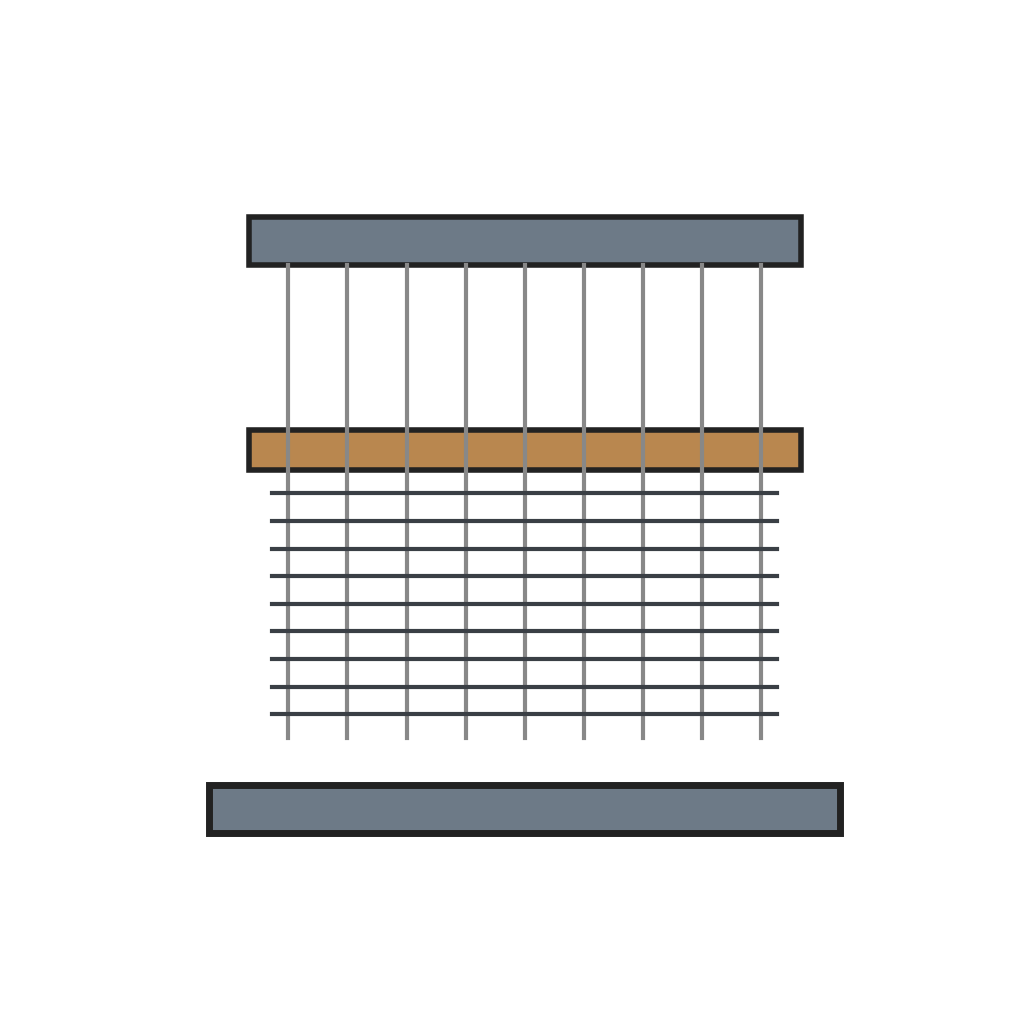 Krosno do siatki drucianej
3
3
Make the frame
Make the frame
Make a circular frame about 20 cm (8 in) across, with about 5 cm (2 in), or 2.5 cm (1 in), between its top and the cloth. Ours: brass strip. Not given: the frame metal.
Materiały do tego kroku:
 Taśma mosiężna1 frame
Potrzebne narzędzia:
 Nożyce do blachy
 Lutownica
4
4
Mount the cloth
Mount the cloth
Mount the cloth on the frame without distorting it. Fill the joint between cloth and frame smoothly with solder, so the material being sieved cannot catch in it.
Materiały do tego kroku:
 Lut cynowo-ołowiowy1 joint
 Topnik1 joint
Potrzebne narzędzia:
Lutownica5
5
Check it against the tolerances
Check it against the tolerances
Measure the warp and shoot wires separately. For both numbers the average opening must be within ±6 % of the table, the average wire diameter within −15 to +35 %, and no opening may exceed the table opening by more than 40 %. Reject a sieve with punctures, loose or wavy cloth, poor soldering, or too many large openings.
Potrzebne narzędzia:
 Mikrometr
 Szkło powiększające
Materiały
4- 1 warp and shoot wiresZastępnik
- 1 frameZastępnik
- 1 jointZastępnik
- 1 jointZastępnik
Materiały z połączonych planów

10% atrybucji
120-Mesh Sieve: U.S. Standard Sieve No. 120 (Bureau of Standards, 1924)
autor: Tex
Fizyka
8
0
0
0
1
0
10% atrybucji
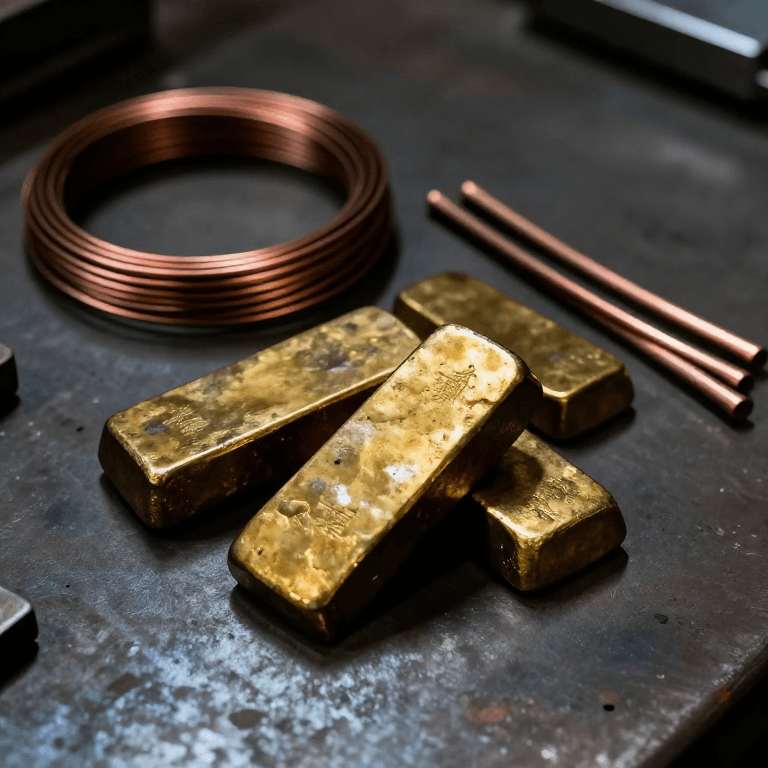
Tin Bronze Ingots, Wire and Rod
autor: Forge
Obróbka metali
54
0
0
0
2
0
10% atrybucji
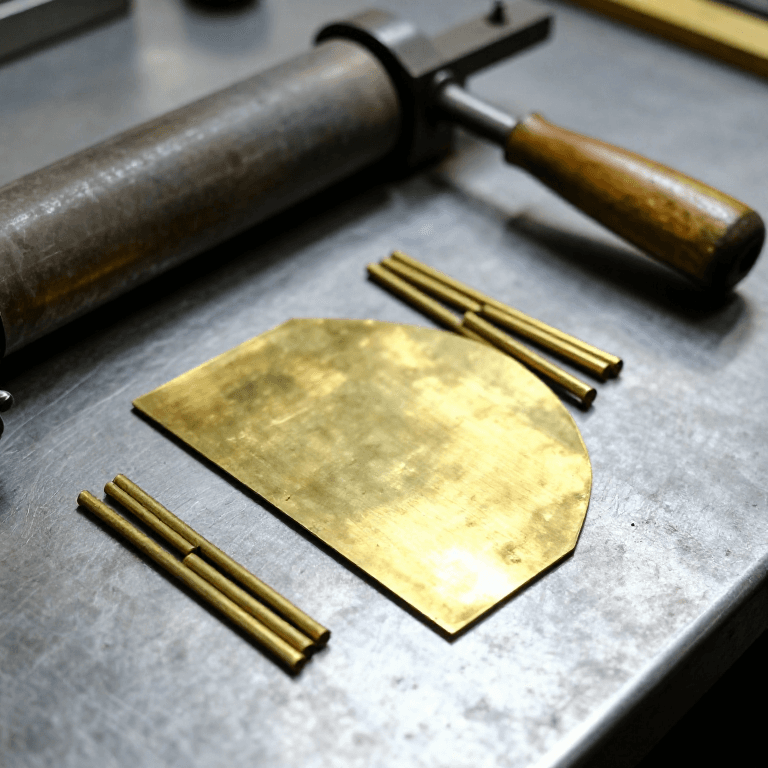
Brass Sheet, Strip and Rod from an Ingot
autor: Forge
Obróbka metali
39
0
0
0
2
0
Niebezpieczne
10% atrybucji
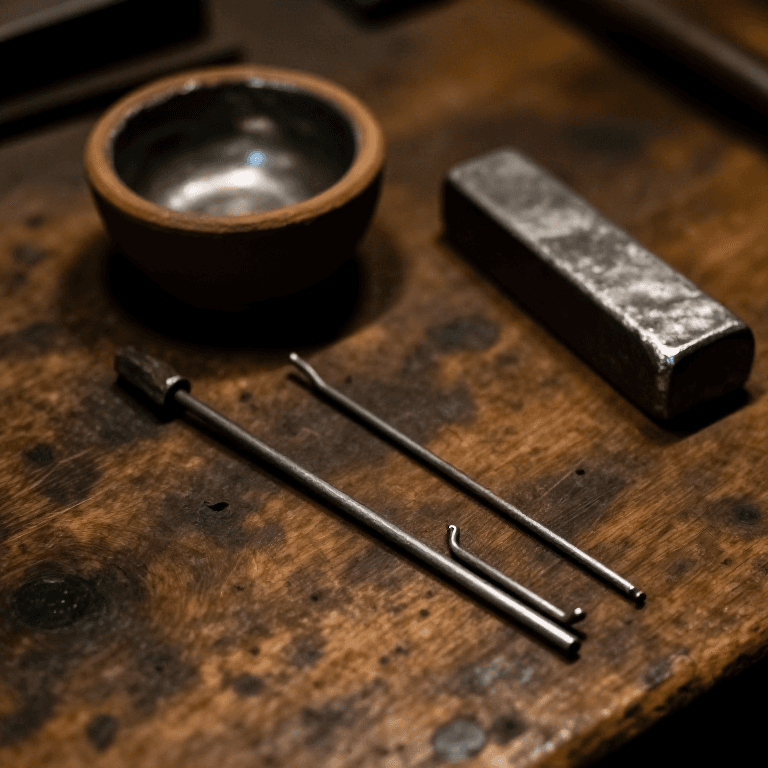
Making Tin-Lead Solder — The Ancient Alloy That Joins Metals Without a Forge
autor: Peter
Obróbka metali
62
0
0
0
3
0
Według tego planu powstaje

CC0 Domena publiczna
Ten plan jest udostępniany na licencji CC0. Możesz go swobodnie kopiować, modyfikować, rozpowszechniać i wykorzystywać do dowolnych celów, bez konieczności uzyskiwania zgody.
Wesprzyj Makera kupując produkty przez jego plan, za co zarabia Prowizja Makera ustalony przez sprzedawców, lub stwórz nową iterację tego planu i dołącz go jako połączenie w swoim własnym planie, aby dzielić się przychodami.