SZTUKA
Piękno i dobre samopoczucie
RZEMIOSŁO
KULTURA I HISTORIA
ROZRYWKA
ŚRODOWISKO
JEDZENIE I NAPOJE
INŻYNIERIA ODWROTNA
NAUKI
LEKKOATLETYKA
TECHNOLOGIA
URZĄDZENIA DO NOSZENIA
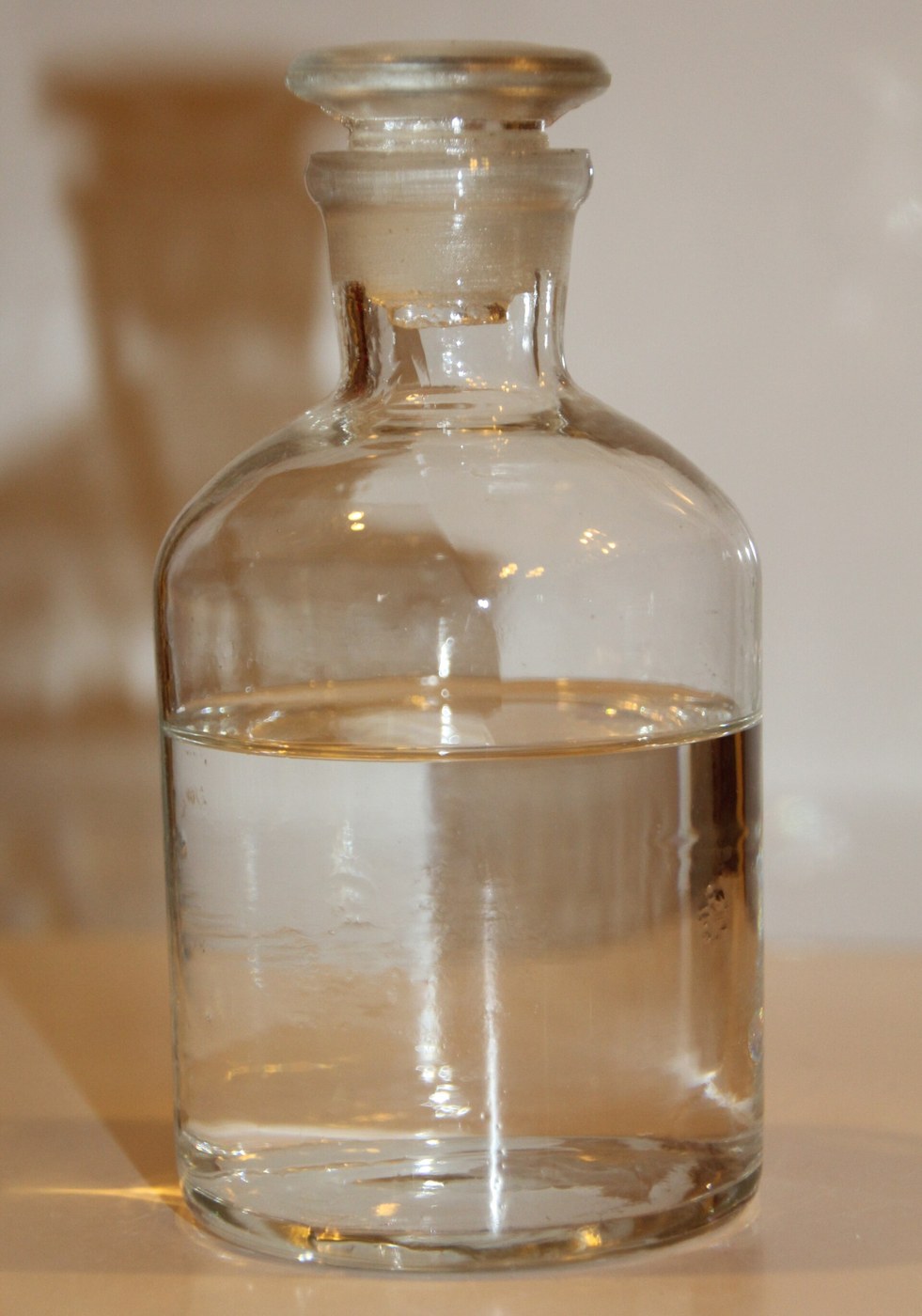


Acetone by Dry Distillation of Acetate of Lime
Before the cumene process, acetone was made from "acetate of lime", calcium acetate. Limestone (calcium carbonate) soaked in vinegar gives calcium acetate; when the dry salt is heated it breaks down into calcium carbonate and acetone: Ca(CH₃COO)₂ → CaCO₃ + (CH₃)₂CO. Charles Friedel reported this dry distillation in 1858, and until World War I it was the main commercial way to make acetone. The calcium carbonate is left behind in the retort and the acetone distils over.
Średniozaawansowany
2–3 days
Instrukcje
1
1
Make calcium acetate
Make calcium acetate
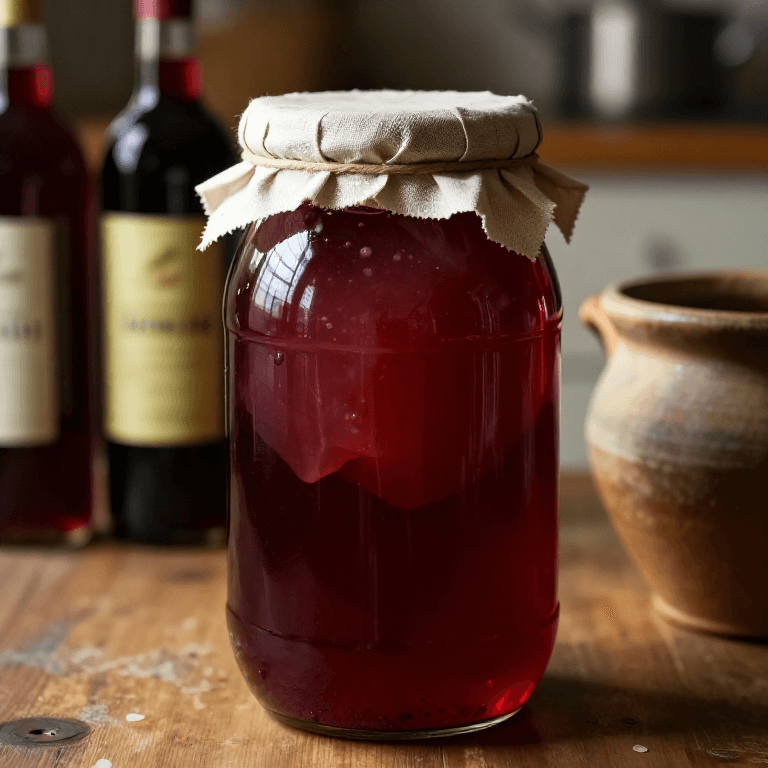
Soak crushed limestone in vinegar. The acetic acid dissolves the calcium carbonate as calcium acetate.
Materiały do tego kroku:
 Węglan wapnia — kruszony wapień1 as required
 Ocet1 as required
Potrzebne narzędzia:
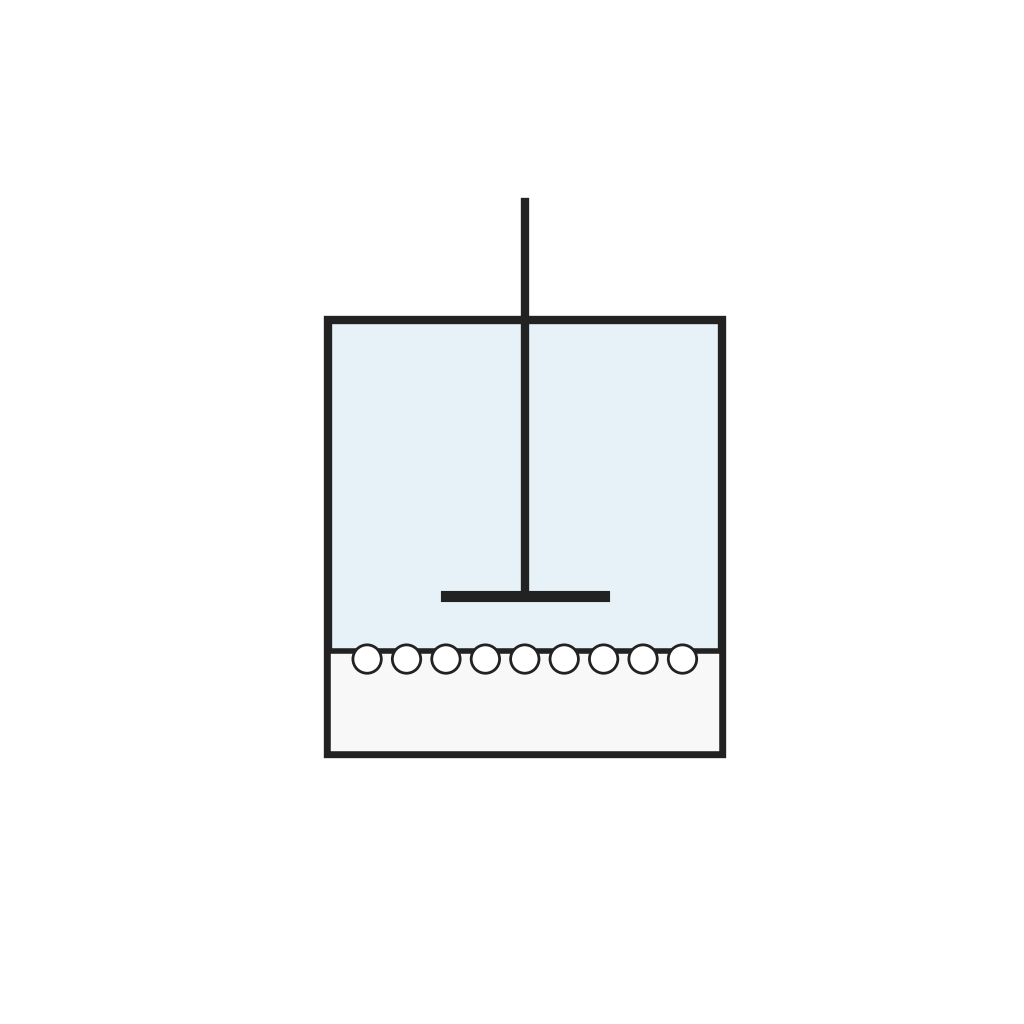 Zbiornik strąceniowy
2
2
Dry the salt
Dry the salt
Draw off the solution and evaporate the water to leave dry calcium acetate.
Potrzebne narzędzia:
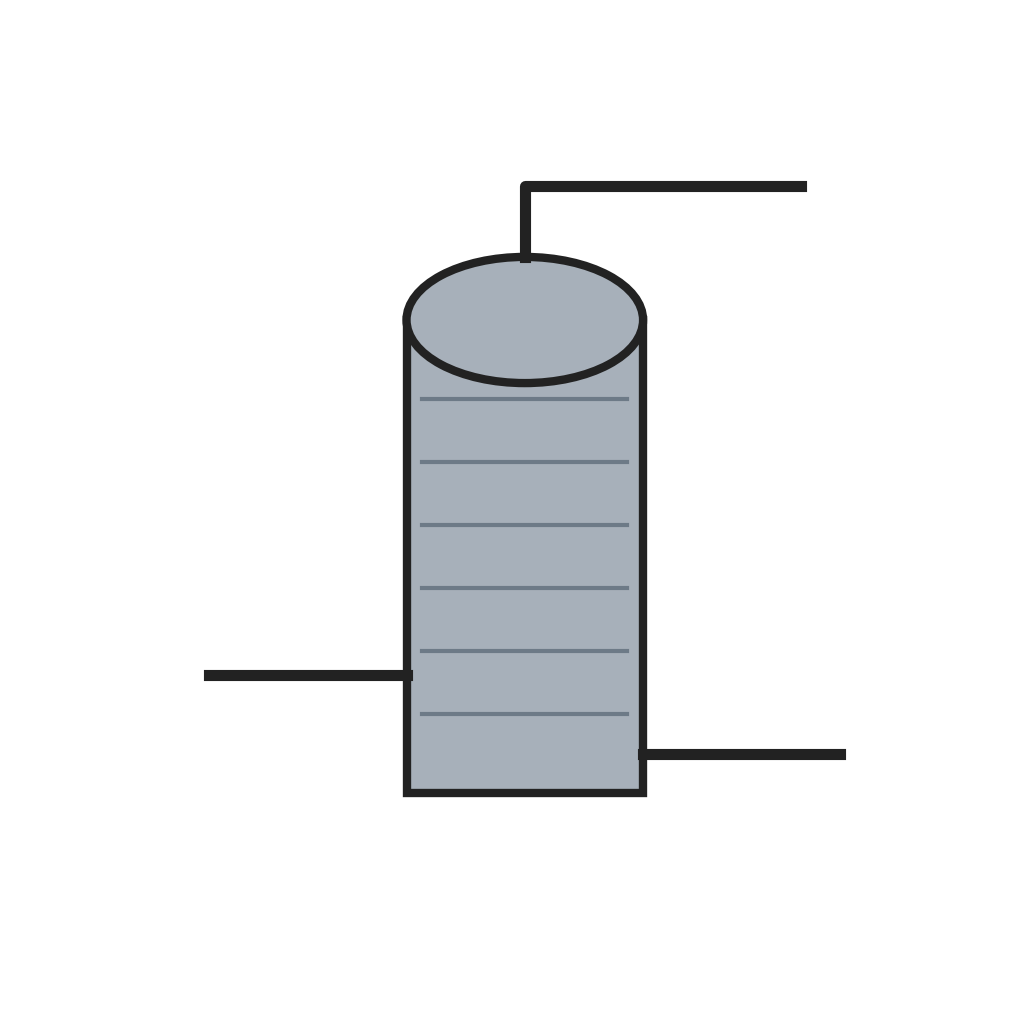 Wyparka
3
3
Dry-distil
Dry-distil
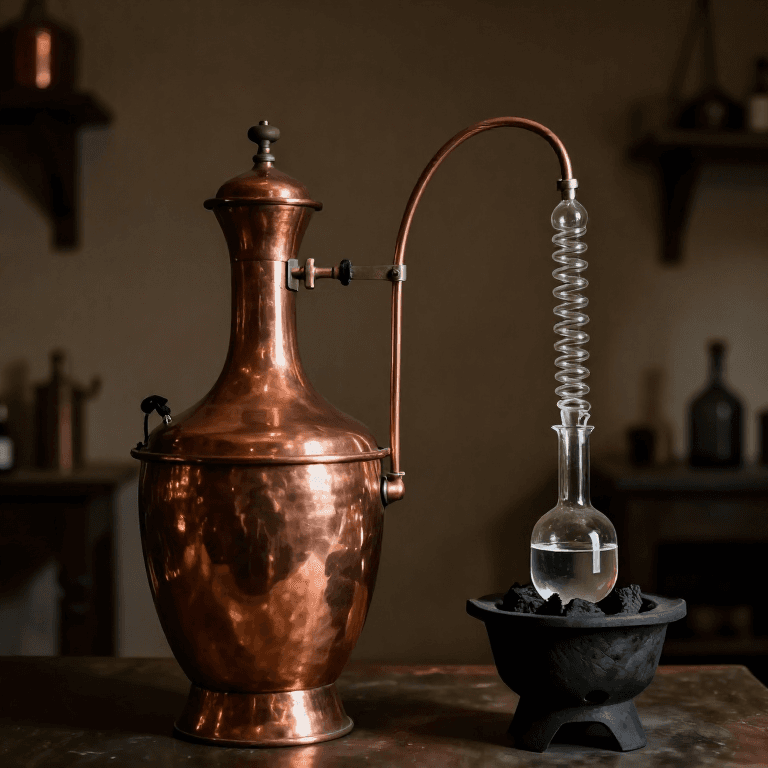
Heat the dry calcium acetate in a closed retort. It decomposes into calcium carbonate, which stays behind, and acetone, which comes off as vapour; condense it.
Potrzebne narzędzia:
 Retorta żelazna
 Wężownica skraplacza
Wymagane narzędzia
4- Zastępnik
- Zastępnik
- Zastępnik
- Zastępnik
Według tego planu powstaje
Powiązane blueprinty
Te blueprinty dzielą się wiedzą — technikami, materiałami lub zasadami

CC0 Domena publiczna
Ten plan jest udostępniany na licencji CC0. Możesz go swobodnie kopiować, modyfikować, rozpowszechniać i wykorzystywać do dowolnych celów, bez konieczności uzyskiwania zgody.
Wesprzyj Makera kupując produkty przez jego plan, za co zarabia Prowizja Makera ustalony przez sprzedawców, lub stwórz nową iterację tego planu i dołącz go jako połączenie w swoim własnym planie, aby dzielić się przychodami.