SZTUKA
Piękno i dobre samopoczucie
RZEMIOSŁO
KULTURA I HISTORIA
ROZRYWKA
ŚRODOWISKO
JEDZENIE I NAPOJE
INŻYNIERIA ODWROTNA
NAUKI
LEKKOATLETYKA
TECHNOLOGIA
URZĄDZENIA DO NOSZENIA
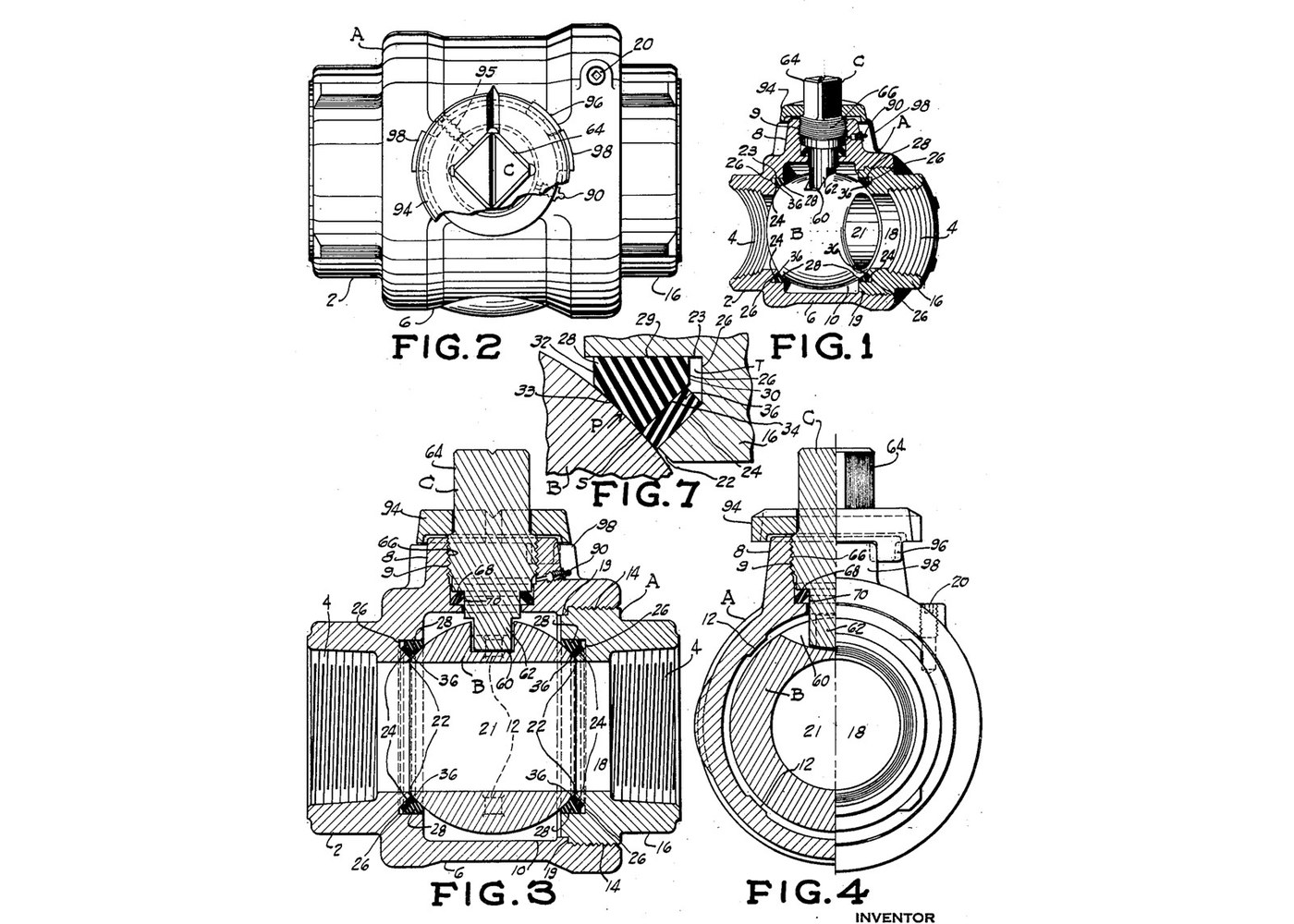


Ball Valve: Floating PTFE Seat and Seal Rings on a Stainless Ball (Clade 1956)
A ball with a hole through it, turned a quarter turn, opens or shuts a pipe. Clade's valve seals it with PTFE. A seating ring rests on the ball, and behind it sits a flat PTFE ring twisted into a cone. PTFE remembers its shape, so the ring keeps pressing on the ball, and line pressure only presses it harder. The metal never touches the ball, so body and ball can be stainless steel.
Source: R. Clade (W-K-M Manufacturing), US 2,762,601 (1956). Unknown: the dimensions. The patent gives the design and a 45° seat angle, but no sizes, so they are linked to an unknown head. Stainless rod as stock and the machining tools are ours. Picture: the patent's sheet 1.
Ekspert
3 days
Instrukcje
1
1
Make the two-part body
Make the two-part body
Turn the cup: a base threaded inside for the pipe, an enlarged cavity with small bosses that lightly support the ball, a boss on top bored and threaded for the stem, and the mouth threaded inside for the closure, with a shoulder below the threads. Turn the closure: threaded outside to screw into the cup, threaded inside for the other pipe. Bore a through passage in both. Unknown: all the dimensions.
Materiały do tego kroku:
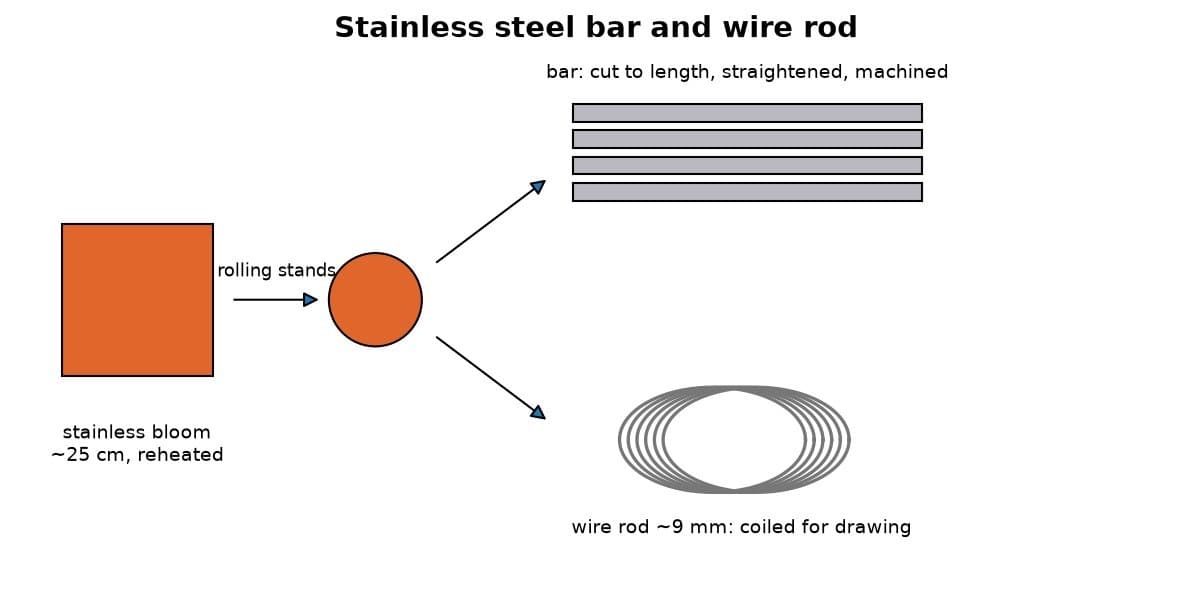
 Pręt ze stali nierdzewnej1 as required
Potrzebne narzędzia:
 Tokarka do metalu
 Zestaw dłut tokarskich (HSS)
 Wytaczadło
 Zestaw do gwintowania
 Suwmiarka
 Nieznane wymiary
2
2
Cut the 45° seats and their V grooves
Cut the 45° seats and their V grooves
On the closure and on the ledge inside the cup next to the base, machine a conical seat at about 45° to the passage axis, so it would touch the ball at 45°. Interrupt each seat with a groove of truncated V section: its outer wall parallel to the axis, its inner wall parallel to the 45° line, its bottom square to the axis.
Potrzebne narzędzia:
Tokarka do metaluZestaw dłut tokarskich (HSS)SuwmiarkaNieznane wymiary3
3
Make the ball and the stem
Make the ball and the stem
Turn the ball as a true sphere and bore a passage through it. Round off the edges where the passage meets the surface, so they do not cut the rings. Mill a slot across the top for the stem. Turn the stem with a square operating end, a thread below it for the boss, a shoulder, and a lower end that fits the ball's slot.
Materiały do tego kroku:
Pręt ze stali nierdzewnej1 as requiredPotrzebne narzędzia:
Tokarka do metaluZestaw dłut tokarskich (HSS) Frezarka
 Zestaw pilnikówNieznane wymiary
4
4
Make the PTFE rings
Make the PTFE rings
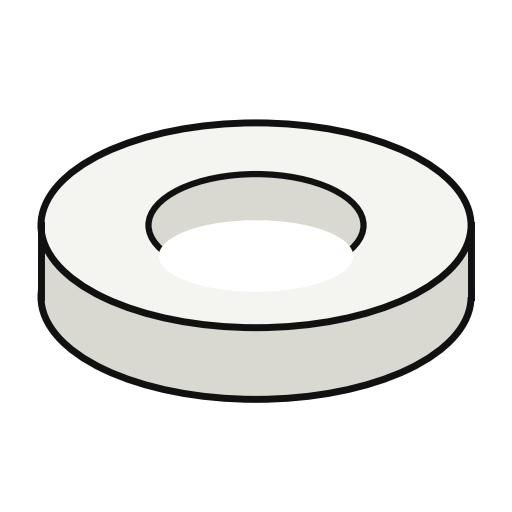
For each seat, cut a seating ring with a face parallel to the 45° seat and a sliding fit in the groove. Then cut a sealing ring, flat and rectangular in section (or cut from PTFE tube). For the stem, cut a ring of parallelogram section. Ours: all cut from PTFE ring stock.
Materiały do tego kroku:
 Pierścień z PTFE5 sztuk
Potrzebne narzędzia:
Tokarka do metaluZestaw dłut tokarskich (HSS)Nieznane wymiary5
5
Fit the rings and assemble the valve
Fit the rings and assemble the valve
Put each sealing ring into its V groove first, twisting the flat ring into a cone, then slide in the seating ring. The ball closes the gap left behind the seal ring, and PTFE's memory keeps the seal's corner pressed on the ball. Set the ball in the cup and screw the closure in hard against the shoulder. Drill and tap the cup for a locking stud that enters a hole drilled in the closure. Fit the stem with its PTFE ring between the stem and boss shoulders, and screw it down: the ring is squeezed into a seal. Drop the stop cap over the stem and lock it with a stud. Its projection meets the body stops, so the ball turns only 90°.
Potrzebne narzędzia:
 Wiertarka stołowaZestaw do gwintowania
 Klucz hydrauliczny
 Imadło warsztatowe
 Okulary ochronne
Materiały
2- 1 as requiredZastępnik
- 5 sztukZastępnik
Wymagane narzędzia
12- Zastępnik
- Zastępnik
- Zastępnik
- Zastępnik
- Zastępnik
- Zastępnik
- Zastępnik
- Zastępnik
- Zastępnik
- Zastępnik
- Zastępnik
- Zastępnik
Według tego planu powstaje

Powiązane blueprinty
Te blueprinty dzielą się wiedzą — technikami, materiałami lub zasadami


CC0 Domena publiczna
Ten plan jest udostępniany na licencji CC0. Możesz go swobodnie kopiować, modyfikować, rozpowszechniać i wykorzystywać do dowolnych celów, bez konieczności uzyskiwania zgody.
Wesprzyj Makera kupując produkty przez jego plan, za co zarabia Prowizja Makera ustalony przez sprzedawców, lub stwórz nową iterację tego planu i dołącz go jako połączenie w swoim własnym planie, aby dzielić się przychodami.