Współpraca
SZTUKA
Piękno i dobre samopoczucie
RZEMIOSŁO
KULTURA I HISTORIA
ROZRYWKA
ŚRODOWISKO
JEDZENIE I NAPOJE
INŻYNIERIA ODWROTNA
NAUKI
LEKKOATLETYKA
TECHNOLOGIA
URZĄDZENIA DO NOSZENIA
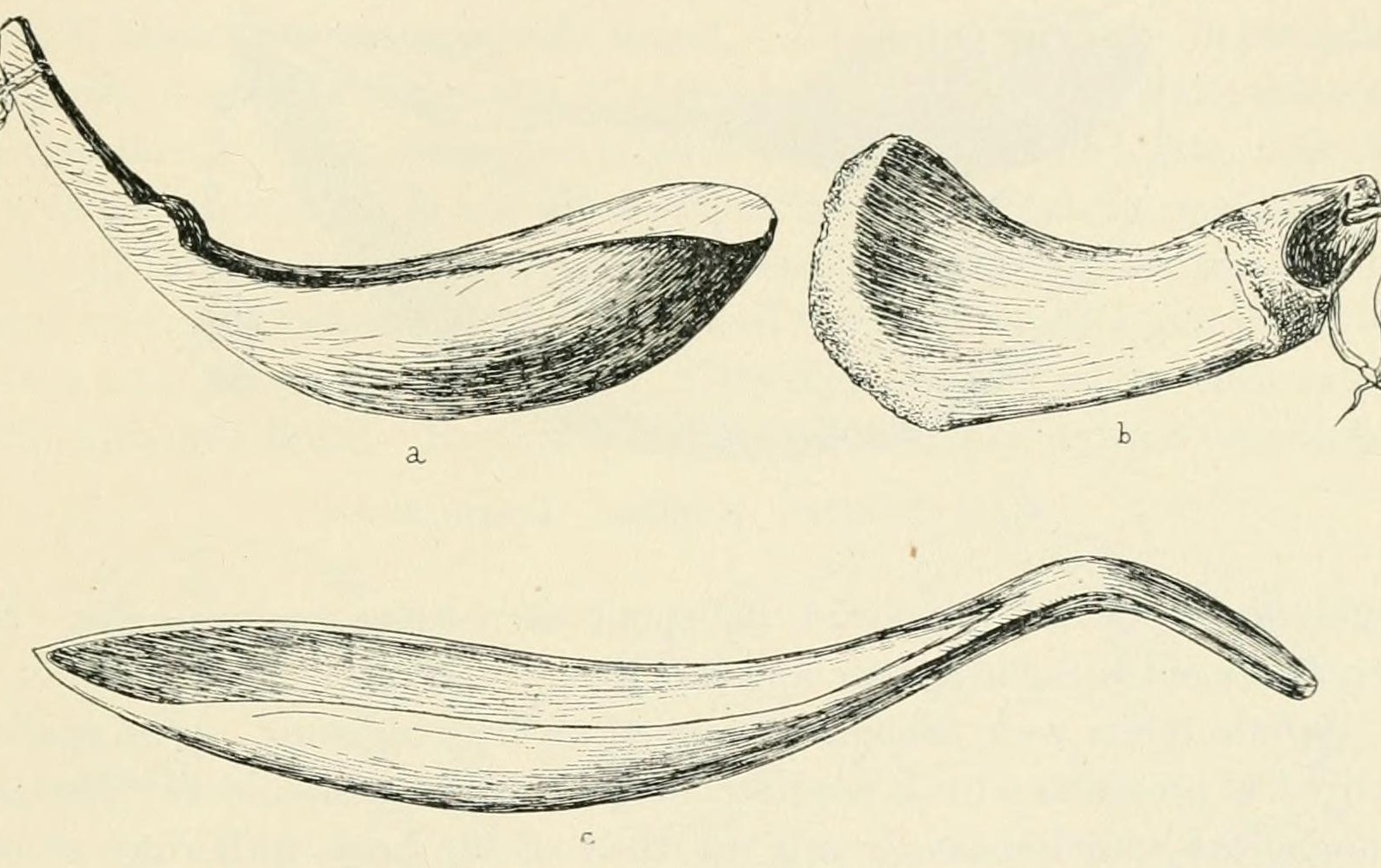


Blackfoot Horn Spoon: Horn Scorched, Trimmed, Boiled Soft, Bowl Pressed over a Stone in the Ground, Tip Bent for a Handle (Wissler, 1910)
The Blackfoot (Niitsitapi) horn spoon as Clark Wissler recorded it: a buffalo or cow horn scorched in the fire to fry out the glue, trimmed with a knife, boiled soft, its bowl pressed out over a shaped stone held in a hole in the ground, and the tip bent into a handle and weighted down with stones until it dries.
Początkujący
An afternoon, then days to dry
Instrukcje
1
1
Read Wissler
Read Wissler
"The process of shaping horn spoons was simple."
2
2
Scorch and trim
Scorch and trim
Scorch the horn in the fire until the gluey matter fries out, then trim it to shape with a knife: split the wide base for a long slender bowl (his Fig. 3c), leaving the tip for the handle. Ours: a saw for the split.
Materiały do tego kroku:
 Róg bydlęcy1 sztuka
Potrzebne narzędzia:
 Palenisko
 Nóż
 Piła do metalu
3
3
Boil soft
Boil soft
Boil the horn in water until it is soft.
Materiały do tego kroku:
 Woda1 sztuka
Potrzebne narzędzia:
 Czajnik żeliwnyPalenisko
4
4
Press the bowl and bend the handle
Press the bowl and bend the handle
Dig a hole in the ground to hold a stone of the right shape. Force the soft bowl part over the stone so the hole's sides hold it in place. Bend the handle as you want it and weigh it down with stones.
Potrzebne narzędzia:
 Tłuk kamienny
 Łopata
5
5
Dry and finish
Dry and finish
Leave it until thoroughly dry, then take it out: the spoon is ready. Larger ladles were made the same way from mountain sheep horn, with a hole at one end for a thong.
Materiały do tego kroku:
 Rzemień ze skóry surowej1 sztuka
Potrzebne narzędzia:
 Szydło
6
6
Troubleshooting
Troubleshooting
Horn spoon troubleshooting.
Flow
Loading...
7
7
History and honest limits
History and honest limits
From Clark Wissler, *Material Culture of the Blackfoot Indians*, **Anthropological Papers of the American Museum of Natural History** vol. V (1910), pp. 28-30 and Figs. 3-4 (checked on the archive.org scan materialcultureo00wiss). Both men and women made spoons and bowls; by 1910 most horn spoons had gone out of use. Cattle horn standing for buffalo, the saw and timings are ours.
Materiały
3- 1 sztukaZastępnik
- 1 sztukaZastępnik
- 1 sztukaZastępnik
Według tego planu powstaje

Powiązane blueprinty
Te blueprinty dzielą się wiedzą — technikami, materiałami lub zasadami
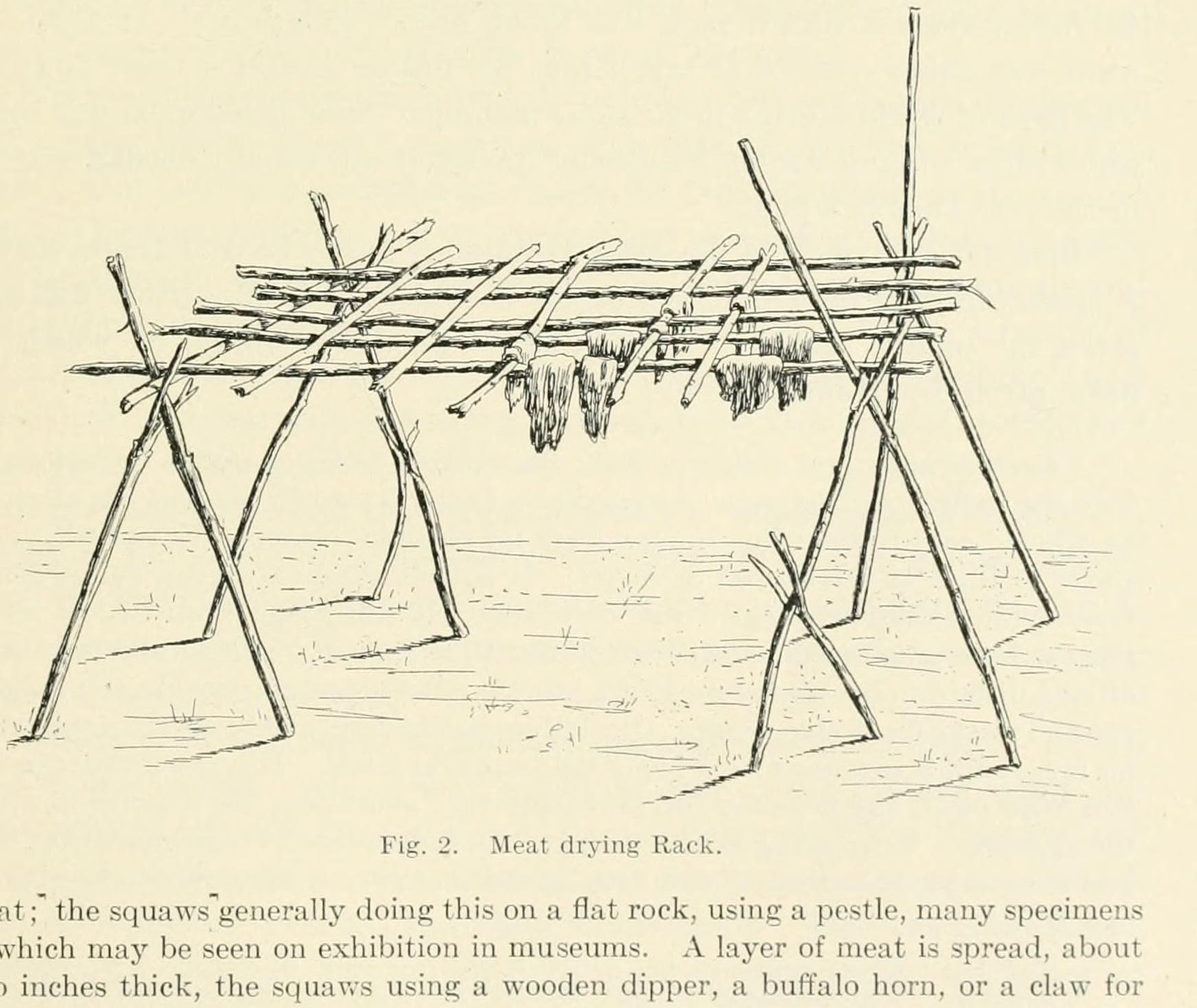
Blackfoot Pemmican: Dried Meat Warmed and Pounded, Marrow and Tallow Melted In, Crushed Chokecherries Worked Through (Wissler, 1910)
autor: TheChef
JEDZENIE I NAPOJE
3
0
0
0
0
0
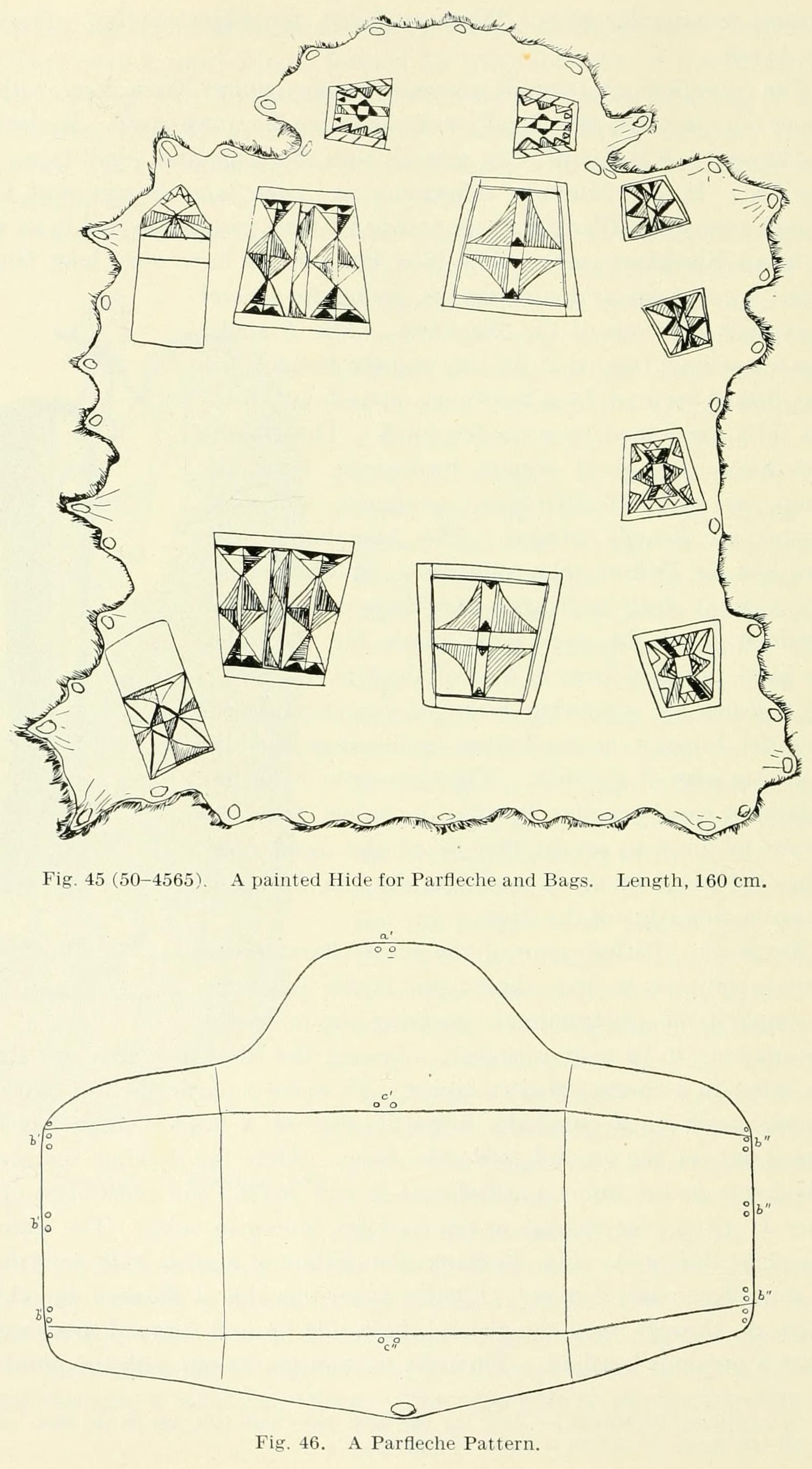
Blackfoot Parfleche: Rawhide Pegged Out, Fleshed, Painted While Staked, Scraped Even, Cut and Folded Like an Envelope (Wissler, 1910)
autor: Tex
Tekstylia i skóra
3
0
0
0
0
0
CC0 Domena publiczna
Ten plan jest udostępniany na licencji CC0. Możesz go swobodnie kopiować, modyfikować, rozpowszechniać i wykorzystywać do dowolnych celów, bez konieczności uzyskiwania zgody.
Wesprzyj Makera kupując produkty przez jego plan, za co zarabia Prowizja Makera ustalony przez sprzedawców, lub stwórz nową iterację tego planu i dołącz go jako połączenie w swoim własnym planie, aby dzielić się przychodami.