Współpraca
SZTUKA
Piękno i dobre samopoczucie
RZEMIOSŁO
KULTURA I HISTORIA
ROZRYWKA
ŚRODOWISKO
JEDZENIE I NAPOJE
INŻYNIERIA ODWROTNA
NAUKI
LEKKOATLETYKA
TECHNOLOGIA
URZĄDZENIA DO NOSZENIA
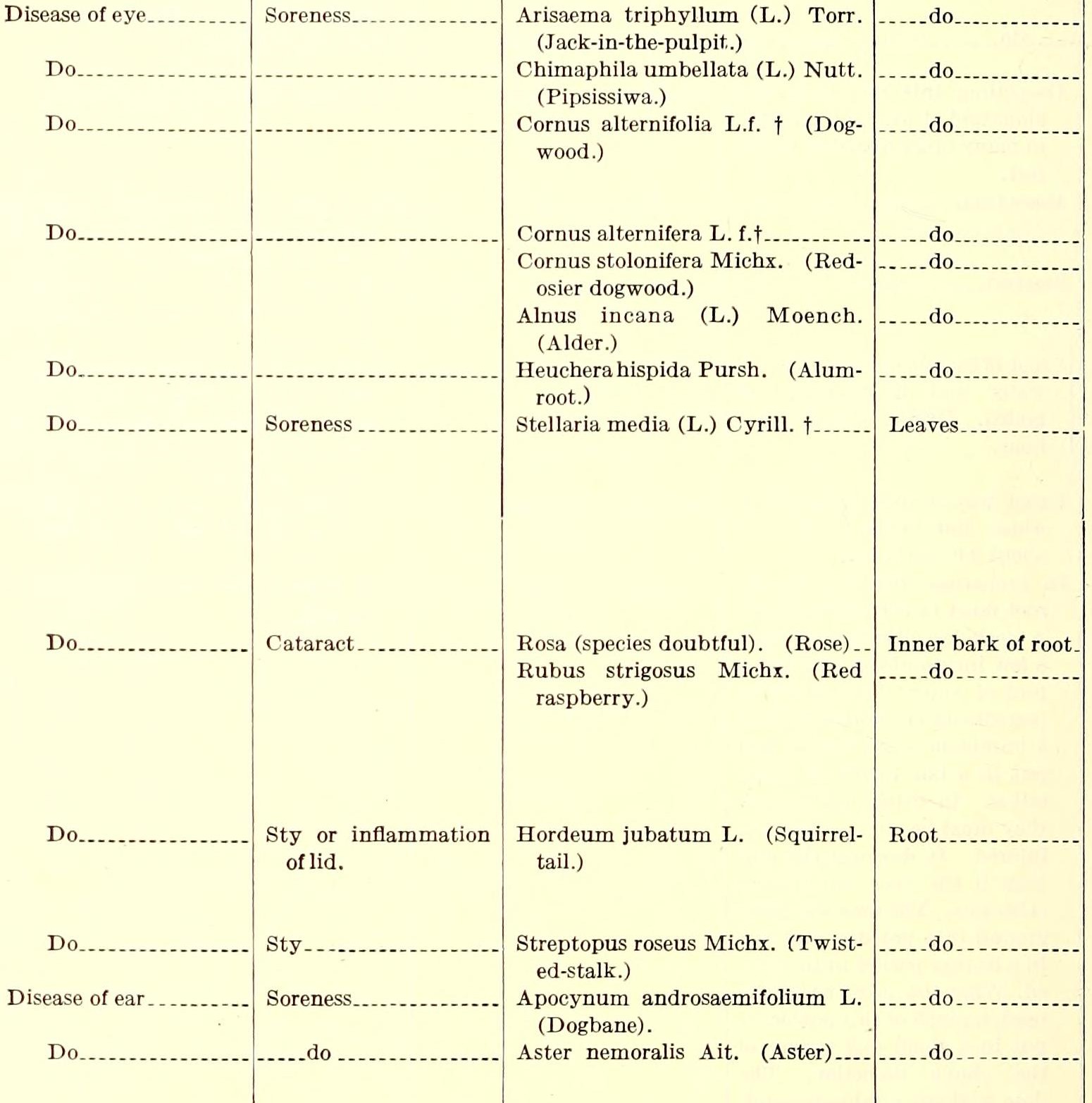

Chippewa Remedies for Sore Eyes, Sties, Cataract and Sore Ears: Dogwood and Alder Washes, Chickweed, Rose and Raspberry Root, Squirrel-Tail, Aster (Densmore, 1928)
Chippewa (Ojibwe) eye and ear remedies recorded by Frances Densmore: pipsissewa drops, a strained dogwood root wash, dogwood and alder root compresses, alum root, a chickweed leaf wash, rose and then raspberry root bark squeezed over the eye for cataract, a strong squirrel-tail root compress or twisted-stalk poultice for a sty, and lukewarm aster, harebell or trillium root drops for a sore ear. Recorded use, not medical advice.
Początkujący
An hour
Instrukcje
1
1
Her measures
Her measures
Wczytywanie notatnika Jupyter…
2
2
Read Densmore
Read Densmore
Rows under "Disease of eye" and "Disease of ear". Recorded use, not medical advice: anything put in an eye should be sterile (ours).
3
3
Washes for sore eyes
Washes for sore eyes
Pipsissewa root decoction was dropped in the eye. "Scrape and steep the [dogwood] root, using a handful to about a pint and a half of water. Let it cool and strain well"; bathe the eye or use it on a compress. Equal parts of dogwood, red-osier dogwood and alder roots were boiled for a wash or compress, and whole alum root was boiled for use outside.
Materiały do tego kroku:
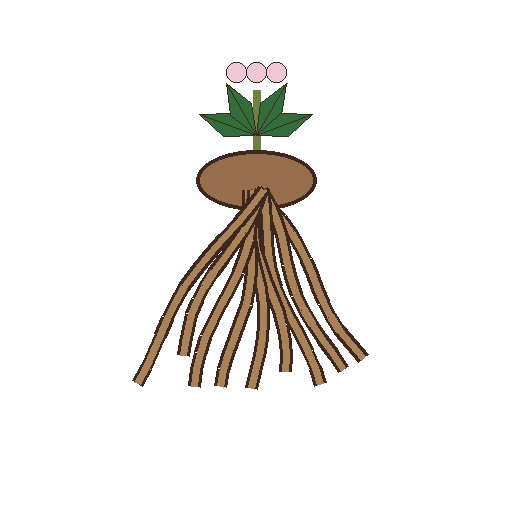 Korzeń pomocnika baldaszkowego1 sztuka
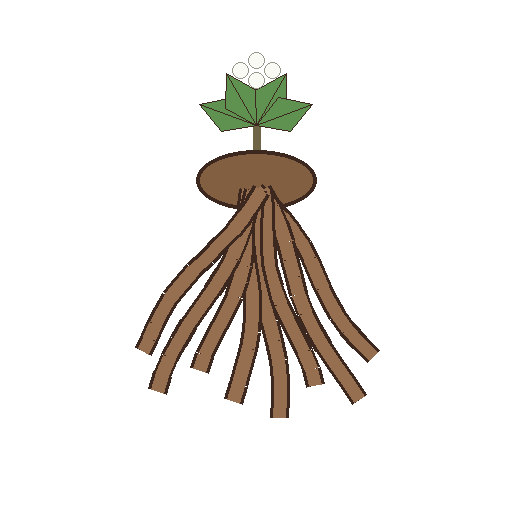 Korzeń derenia skrętolistnego1 sztuka
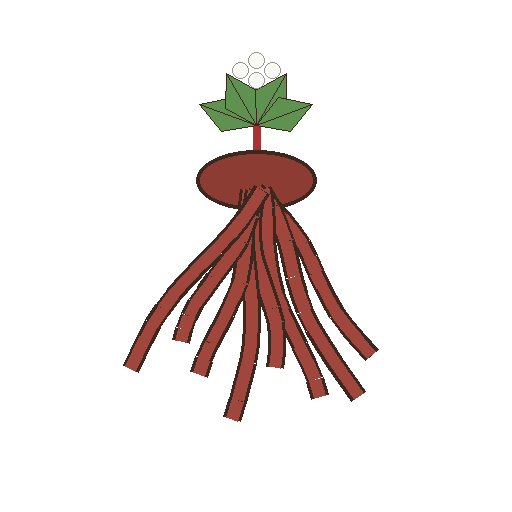 Korzeń derenia rozłogowego1 sztuka
 Korzeń olszy szarej1 sztuka
 Korzeń żurawki1 sztuka
 Woda1 sztuka
 Gaza bawełniana1 sztuka
Potrzebne narzędzia:
 Kopieniak
 Nóż
 Garnek gliniany
 Palenisko
 Gaza serowarska
4
4
Chickweed wash
Chickweed wash
"Put a handful of the leaves in hot water, do not let it boil long, let it stand and strain it." Used as a wash.
Materiały do tego kroku:
 Liście gwiazdnicy1 sztukaWoda1 sztuka
Potrzebne narzędzia:
Garnek glinianyPaleniskoGaza serowarska5
5
Rose and raspberry for cataract
Rose and raspberry for cataract
Two remedies used one after the other: rose root first "for removing inflammation," raspberry root second "for healing the eye." Scrape the second layer of the root into a bit of cloth, soak it in warm water and squeeze it over the eye, "letting some of the liquid run into the eye. This is done 3 times a day." It was said these would cure cataract unless too far advanced; ours: cataract is cured by surgery.
Materiały do tego kroku:
 Kora wewnętrzna korzenia róży1 sztuka
 Korzeń maliny1 sztukaWoda1 sztukaGaza bawełniana1 sztuka
Potrzebne narzędzia:
KopieniakNóżGarnek glinianyPalenisko6
6
Sties
Sties
Squirrel-tail root: "Dried, pounded, put in a cloth which was moistened with warm water and sopped on the eye." It was so strong that one root would have an effect. Or steep twisted-stalk root and use it as a poultice.
Materiały do tego kroku:
 Korzeń jęczmienia grzywiastego1 sztuka
 Korzeń liczydła różowego1 sztukaWoda1 sztukaGaza bawełniana1 sztuka
Potrzebne narzędzia:
Kopieniak Suszarka (regał)
 Tłuk kamiennyGarnek glinianyPalenisko
7
7
Sore ear
Sore ear
Boil aster root: "Drop in ear or apply on cloth; use lukewarm water." Or "take 1 root [of harebell] to one half cup of water; steep and strain" and drop a very little in the ear, lukewarm. Or scrape the second layer of trillium root bark, boil it and drop it in the ear.
Materiały do tego kroku:
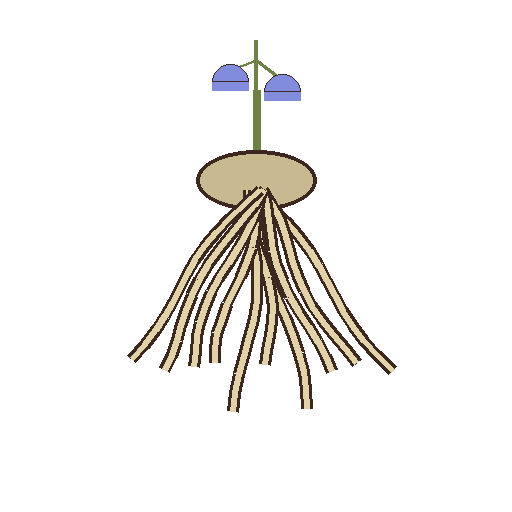
 Korzeń astra torfowiskowego1 sztuka
 Korzeń dzwonka okrągłolistnego1 sztuka
 Kora wewnętrzna korzenia trylii1 sztukaWoda1 sztukaGaza bawełniana1 sztuka
Potrzebne narzędzia:
KopieniakGarnek glinianyPaleniskoGaza serowarska8
8
Troubleshooting
Troubleshooting
Eye and ear safety.
Flow
Loading...
9
9
History and honest limits
History and honest limits
From Frances Densmore, *Uses of Plants by the Chippewa Indians*, **44th Annual Report of the Bureau of American Ethnology** (1928), pp. 360-363 (checked on the archive.org scan usesofplantsbych00dens). Chippewa remedies were mostly Midewiwin knowledge, shared so a record would survive. Left out: a Jack-in-the-pulpit eye wash (strong irritant) and dogbane and tansy ear drops (poisonous plants). Metric and safety lines are ours. Recorded use, not medical advice.
Materiały
15- 1 sztukaZastępnik
- 1 sztukaZastępnik
- 1 sztukaZastępnik
- 1 sztukaZastępnik
- 1 sztukaZastępnik
- 5 sztukZastępnik
- 4 sztukZastępnik
- 1 sztukaZastępnik
- 1 sztukaZastępnik
- 1 sztukaZastępnik
- 1 sztukaZastępnik
- 1 sztukaZastępnik
- 1 sztukaZastępnik
- 1 sztukaZastępnik
- 1 sztukaZastępnik
Według tego planu powstaje
Powiązane blueprinty
Te blueprinty dzielą się wiedzą — technikami, materiałami lub zasadami
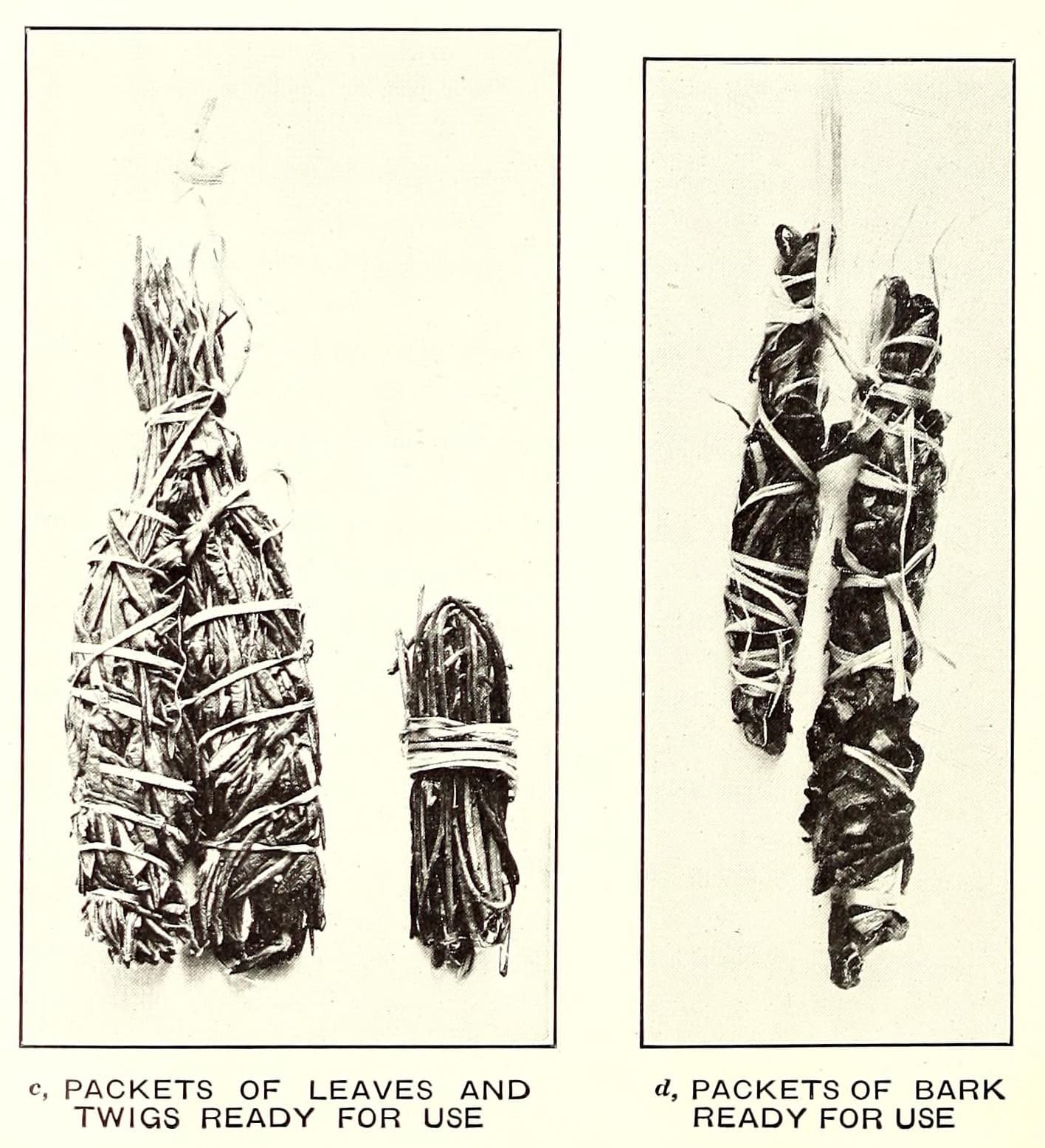
Chippewa Medicinal Roots and Barks: Gathered by the Sap, Dried, Tied in Packets and Kept in Bags (Densmore, 1928)
autor: Bob
Botanika
6
0
0
0
0
0
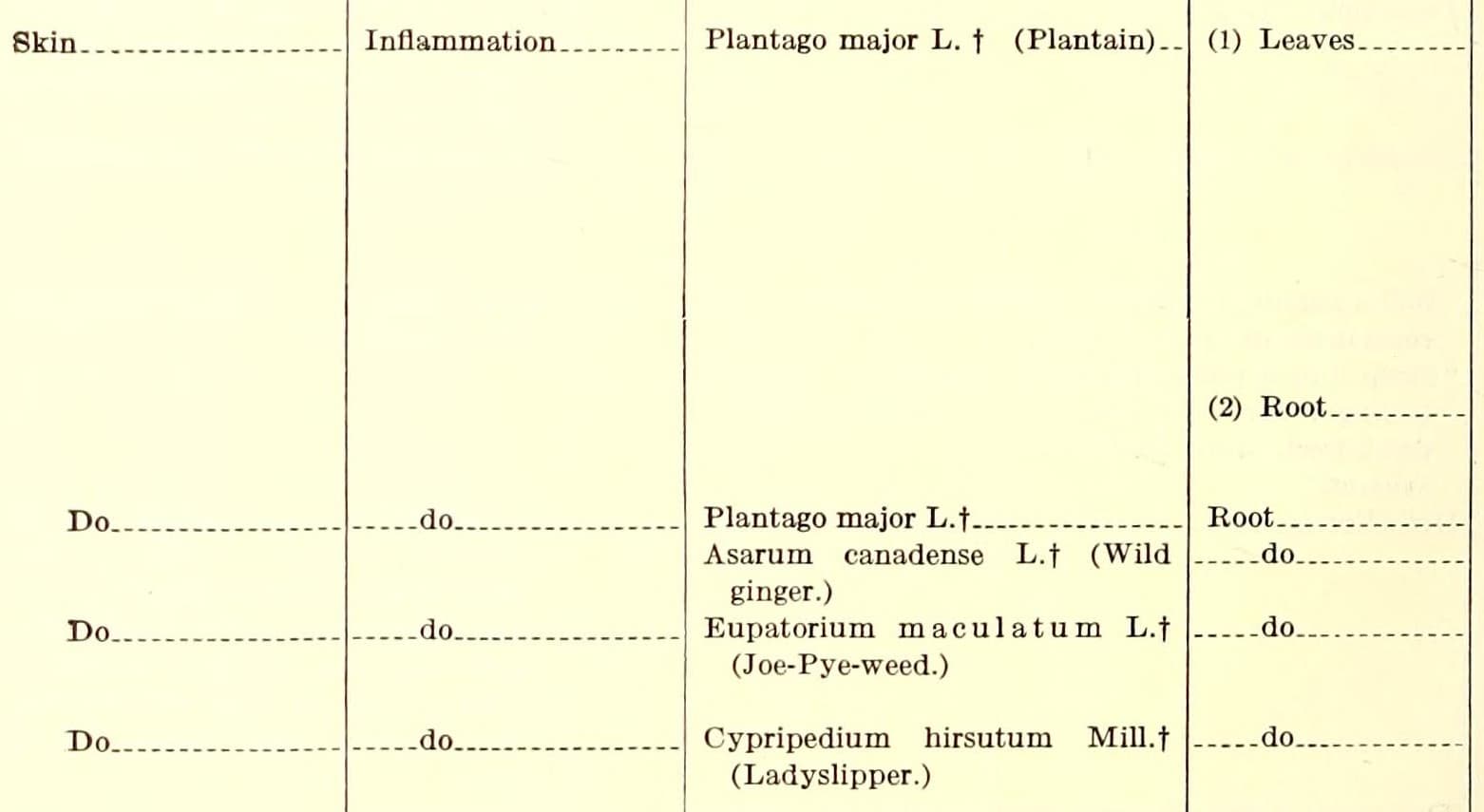
Chippewa Remedies for Inflammation: Greased Plantain Leaves, Plantain and Wild Ginger Root Poultice, Joe-Pye Weed Wash, Lady's Slipper (Densmore, 1928)
autor: Bob
Medycyna
3
0
0
0
0
0
CC0 Domena publiczna
Ten plan jest udostępniany na licencji CC0. Możesz go swobodnie kopiować, modyfikować, rozpowszechniać i wykorzystywać do dowolnych celów, bez konieczności uzyskiwania zgody.
Wesprzyj Makera kupując produkty przez jego plan, za co zarabia Prowizja Makera ustalony przez sprzedawców, lub stwórz nową iterację tego planu i dołącz go jako połączenie w swoim własnym planie, aby dzielić się przychodami.