SZTUKA
Piękno i dobre samopoczucie
RZEMIOSŁO
KULTURA I HISTORIA
ROZRYWKA
ŚRODOWISKO
JEDZENIE I NAPOJE
INŻYNIERIA ODWROTNA
NAUKI
LEKKOATLETYKA
TECHNOLOGIA
URZĄDZENIA DO NOSZENIA
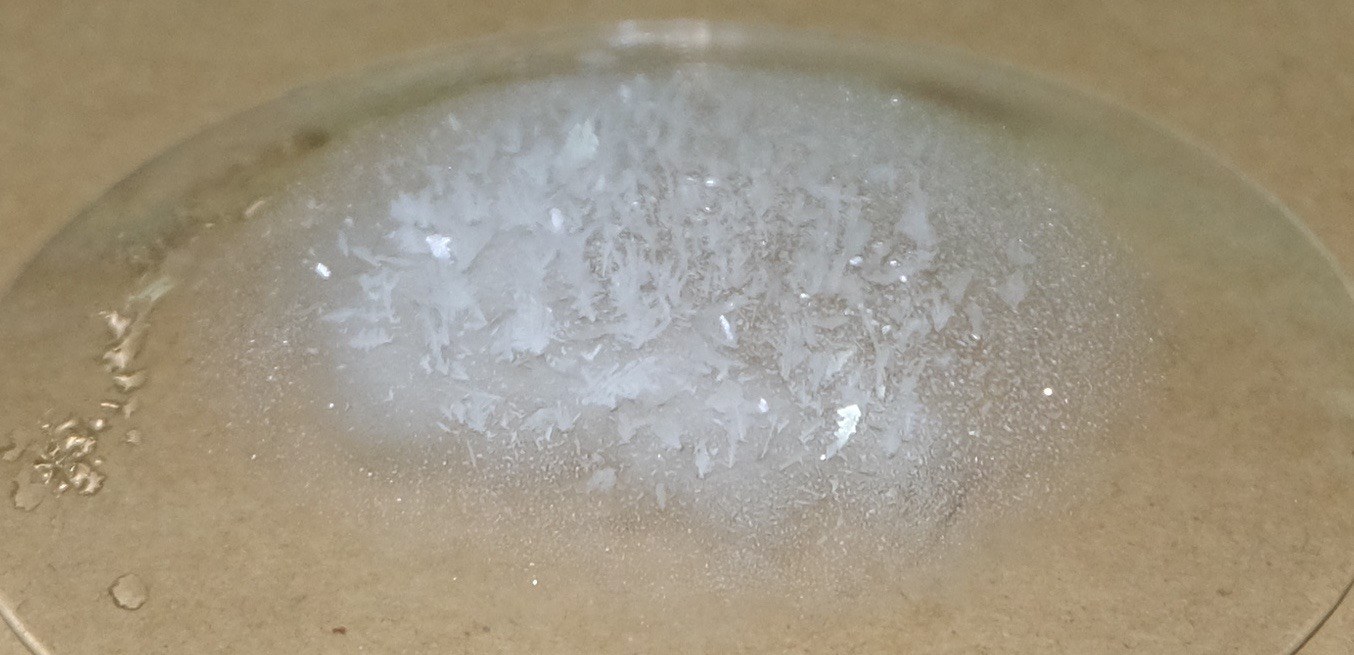


Crude Naphthalene from Light Creosote Oil: Warnes, 1913
How a coal-tar works made crude naphthalene, from Arthur R. Warnes's Coal Tar Distillation (1913). The naphthalene crystallises out of the light creosote oil (middle or carbolic oil) as it stands. It is melted, recrystallised and drained, sold as drained naphthalene, or pressed hard in bags as pressed naphthalene.
Zaawansowany
Works process
Instrukcje
1
1
Salt out the oil
Salt out the oil
Use washed light creosote, quite free from tarry matter. Pump it into crystallising boilers and let it stand for several days, on average 3 to 5 depending on the time of year, while the naphthalene, the "salts", crystallises out. Then drain the separated oil away through the drain pipes.
Materiały do tego kroku:
 Lekki olej kreozotowy1 as required
Potrzebne narzędzia:
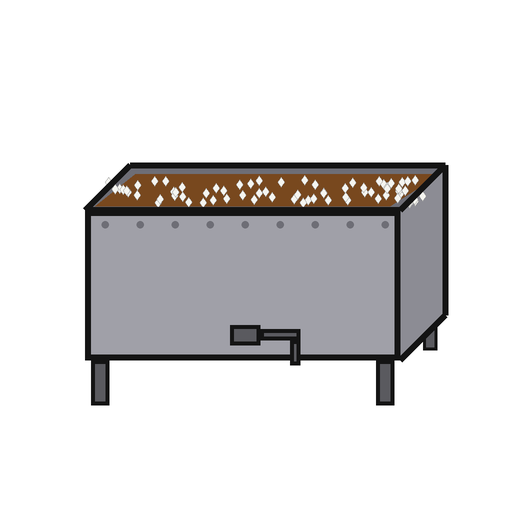 Zbiornik krystalizacyjny
 Pompa przetłaczająca
2
2
Melt and recrystallise
Melt and recrystallise
Melt the crude naphthalene left in the boilers with closed steam. When it is all liquid and well above its crystallising point, pump it into the recrystallising tanks, and at once blow steam through the pipes so no liquid salts set solid in them. Let it cool and recrystallise from the oil carried over.
Potrzebne narzędzia:
 Kocioł parowyPompa przetłaczającaZbiornik krystalizacyjny
 Termometr
3
3
Drain it
Drain it
After two to four days open the drain taps and run off the oil that has separated. When the crude naphthalene has thoroughly drained, it can be packed in barrels as drained naphthalene.
Potrzebne narzędzia:
Zbiornik krystalizacyjny Beczka drewniana
4
4
Press it in bags
Press it in bags
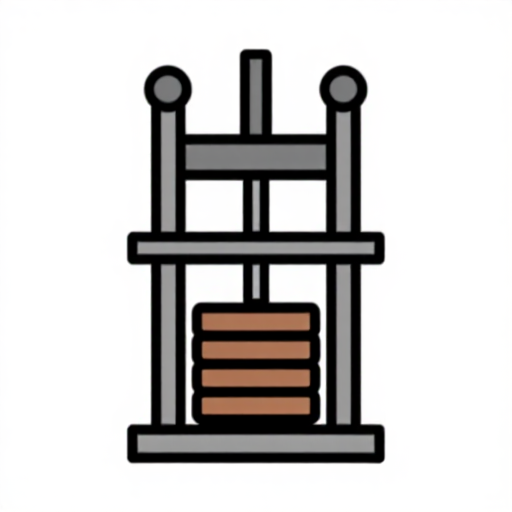
For pressed naphthalene, fill press bags (sometimes ordinary sacking) with the recrystallised crude, about 9 by 18 by 3 inches, keeping them evenly thick. Lay them on the press table about 2 inches apart, cover with a wrought-iron plate about 1/4 inch thick, and build up layer on layer, each lying squarely over the one below. Raise the press gently, then slowly increase the pressure to 1 1/2 to 2 tons per square inch and hold about an hour.
Potrzebne narzędzia:
 Prasa hydrauliczna
 Płyta żelazna
 Juta / tkanina workowa
5
5
Trim and break up the cakes
Trim and break up the cakes
Release the pressure and take the cakes from the bags. Cut off any wet edges and press them again with the next batch. Break the cakes up in a disintegrator and pack them.
Potrzebne narzędzia:
 Nóż
 Dezintegrator
6
6
The press load
The press load
Wczytywanie notatnika Jupyter…
Materiały
1- 1 as requiredZastępnik
Wymagane narzędzia
10- Zastępnik
- Zastępnik
- Zastępnik
- Zastępnik
- Zastępnik
- Zastępnik
- Zastępnik
- Zastępnik
- Zastępnik
- Zastępnik
Według tego planu powstaje

Powiązane blueprinty
Te blueprinty dzielą się wiedzą — technikami, materiałami lub zasadami


CC0 Domena publiczna
Ten plan jest udostępniany na licencji CC0. Możesz go swobodnie kopiować, modyfikować, rozpowszechniać i wykorzystywać do dowolnych celów, bez konieczności uzyskiwania zgody.
Wesprzyj Makera kupując produkty przez jego plan, za co zarabia Prowizja Makera ustalony przez sprzedawców, lub stwórz nową iterację tego planu i dołącz go jako połączenie w swoim własnym planie, aby dzielić się przychodami.