SZTUKA
Piękno i dobre samopoczucie
RZEMIOSŁO
KULTURA I HISTORIA
ROZRYWKA
ŚRODOWISKO
JEDZENIE I NAPOJE
INŻYNIERIA ODWROTNA
NAUKI
LEKKOATLETYKA
TECHNOLOGIA
URZĄDZENIA DO NOSZENIA
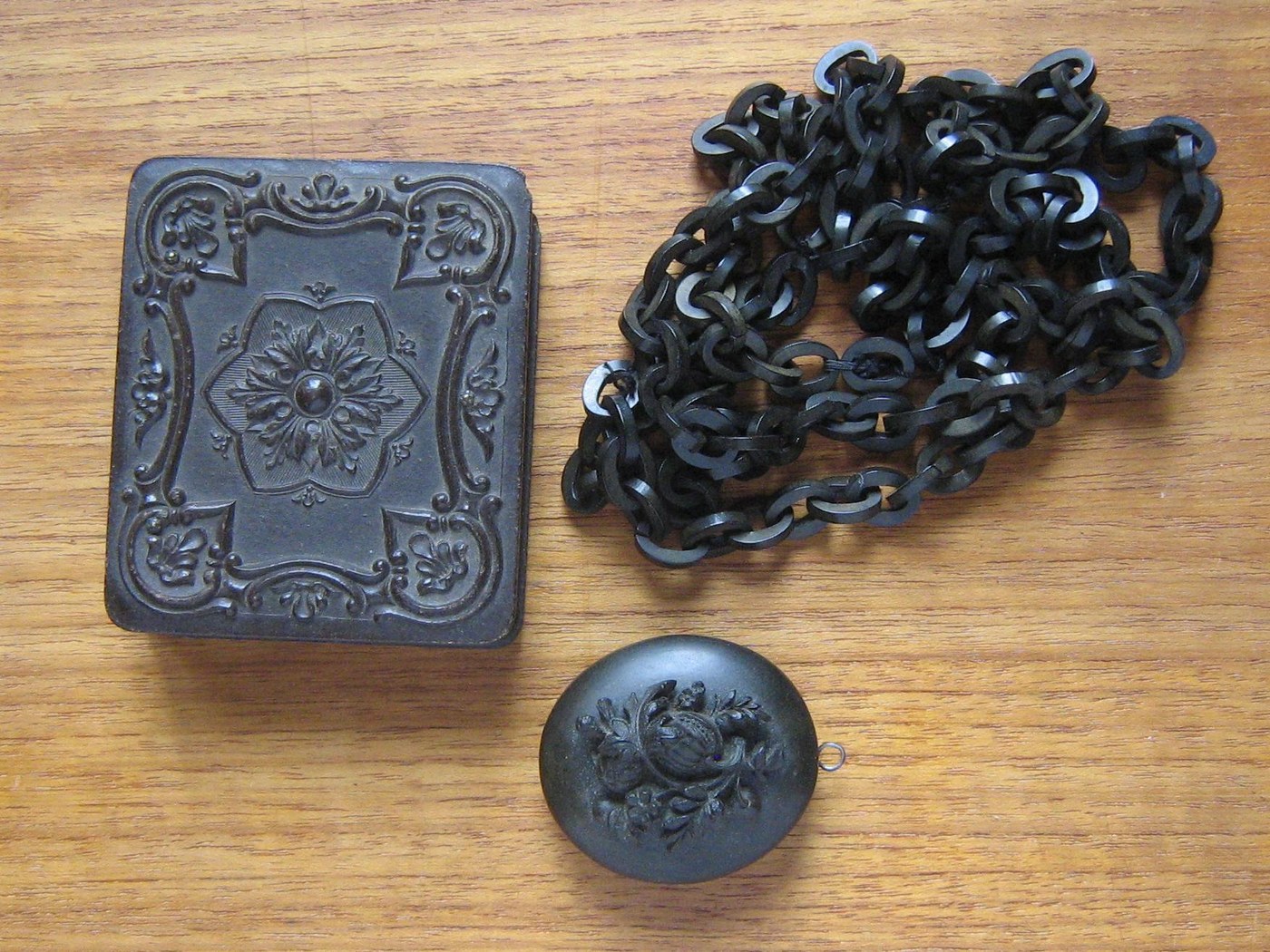


Ebonite Rod: Rubber and an Equal Weight of Sulphur, Cured Hours in the Heat, Goodyear 1851
Ebonite is rubber with a great deal of sulphur. Nelson Goodyear's patent (1851) uses about equal weights of the two, far more than for soft rubber, moulded and then cured at 260–275 °F for three to six hours or longer. It comes out hard and stiff.
The picture: ebonite objects (photo by FBQ, Wikimedia Commons, CC BY-SA 3.0).
Średniozaawansowany
1 day
Instrukcje
1
1
Weigh equal parts
Weigh equal parts
Weigh the rubber and the sulphur, about equal parts by weight. Much less sulphur will not make it hard.
Materiały do tego kroku:
 Wędzony arkusz kauczuku500 g
 Siarka w proszku500 g
Potrzebne narzędzia:
 Waga szalkowa
2
2
Work the sulphur in
Work the sulphur in
Mix the sulphur into the rubber the usual way rubber is compounded: on the rubber mill, until the sulphur is spread evenly through.
Potrzebne narzędzia:
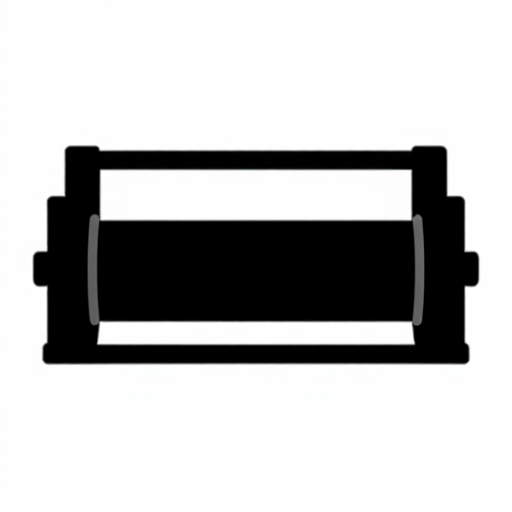 Walcarka dwuwalcowa do gumy
3
3
Mould the rod
Mould the rod
Press the compound firmly into a tube to shape it as a rod.
Potrzebne narzędzia:
 Rura stalowa 12 mm
4
4
Cure it
Cure it
Heat it to 260–275 °F (about 127–135 °C) and hold it there three to six hours, or longer. Let it cool and push out the hard rod.
Potrzebne narzędzia:
 Piekarnik
 Termometr
Materiały
2- Zastępnik
- 500 gZastępnik
Wymagane narzędzia
5- Zastępnik
- Zastępnik
- Zastępnik
- Zastępnik
- Zastępnik
Według tego planu powstaje
CC0 Domena publiczna
Ten plan jest udostępniany na licencji CC0. Możesz go swobodnie kopiować, modyfikować, rozpowszechniać i wykorzystywać do dowolnych celów, bez konieczności uzyskiwania zgody.
Wesprzyj Makera kupując produkty przez jego plan, za co zarabia Prowizja Makera ustalony przez sprzedawców, lub stwórz nową iterację tego planu i dołącz go jako połączenie w swoim własnym planie, aby dzielić się przychodami.