SZTUKA
Piękno i dobre samopoczucie
RZEMIOSŁO
KULTURA I HISTORIA
ROZRYWKA
ŚRODOWISKO
JEDZENIE I NAPOJE
INŻYNIERIA ODWROTNA
NAUKI
LEKKOATLETYKA
TECHNOLOGIA
URZĄDZENIA DO NOSZENIA
Przetłumaczone


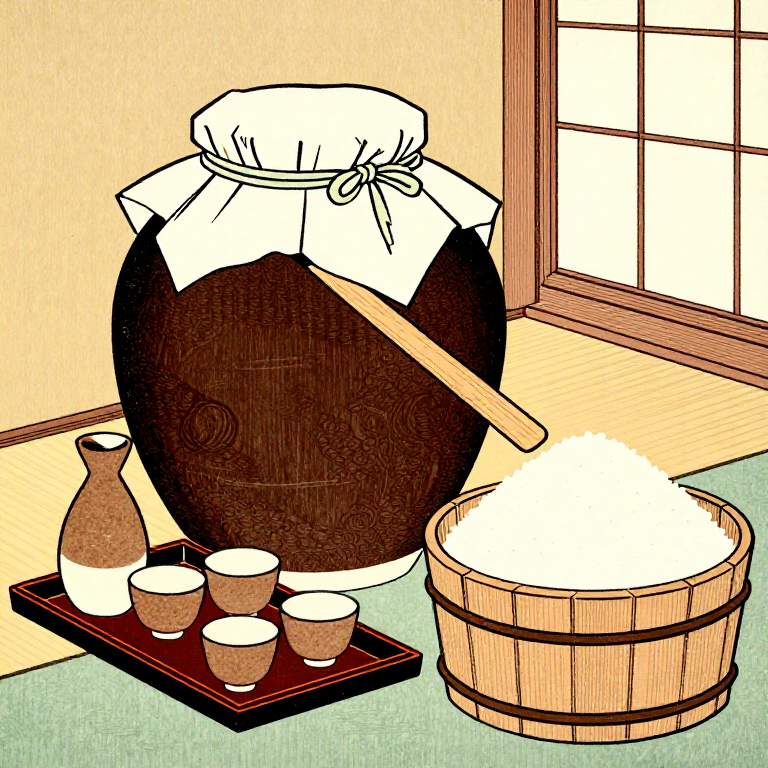
Fermentacja sake z ryżu — Równoległa fermentacja z koji
Fermentuj sake (nihonshu) używając unikalnego procesu wieloetapowej równoległej fermentacji, w którym pleśń koji konwertuje skrobię ryżu na cukier, a drożdże jednocześnie fermentują ten cukier na alkohol, wszystko w jednym naczyniu. Proces ten osiąga zawartość alkoholu na poziomie 18-20%, najwyższą spośród wszystkich naturalnie fermentowanych napojów.
Zaawansowany
3-4 tygodnie (aktywna fermentacja), 2-3 miesiące (dojrzewanie)
Instrukcje
1
1
Przygotowanie ryżu i sporządzenie spor koji
Przygotowanie ryżu i sporządzenie spor koji
Wybierz odpowiednią odmianę ryżu brewera (np. Yamada Nishiki). Umyj ryż, następnie parz na parze przez 45-60 minut do stanu miękko-twardego (nie do pełnej czystości). Chłódź do 30-35°C. Przygotuj spory koji z zarodnika Aspergillus oryzae na twardym ryżu lub waciku, utrzymując temperaturę 25-27°C przez 3-5 dni, aż ryż będzie całkowicie obrosły białym, zarodnikowym miceliami. Sprawdzaj wilgotność codziennie.
Materiały do tego kroku:
 Japoński ryż krótkoziarnisty2 kg sztuka
 Wodafor washing and soaking sztuka
Potrzebne narzędzia:
 Koszyk do gotowania na parze
2
2
Przygotowanie moromi — pierwsza inokulacja
Przygotowanie moromi — pierwsza inokulacja
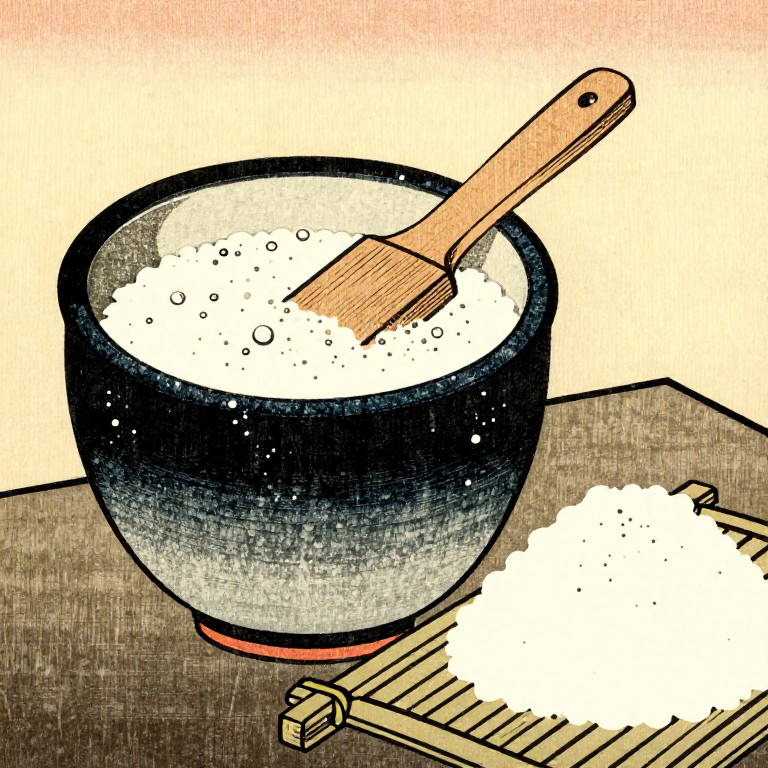
Umieść przygotowany ryż w czystym naczyniu fermentacyjnym ze zdolnością do zapamiętania. Dodaj sporów koji (10-15% masy ryżu) i rozprowadź równomiernie. Dodaj drożdży sake lub kultury startowe (na przykład drożdży piwowarskich o wysokiej zawartości alkoholu, 7-10% inokulatu od wagi). Dodaj wodę destylowaną (stosunek ryż:woda = 1:1,5 do 1:2), aby uzyskać gęstość ok. 1.040-1.050. Przemieszaj dokładnie.
Materiały do tego kroku:
 Ryż koji (Aspergillus oryzae)initial portion sztuka
 Drożdże do sake1 packet sztuka
 Kwas mlekowy (spożywczy)5-10 ml sztukaWodaas needed sztuka
Potrzebne narzędzia:
 Naczynie fermentacyjne (gąsior szklany)
 Termometr piekarnikowy
3
3
Równoległa fermentacja — faza aktywna
Równoległa fermentacja — faza aktywna
Utrzymuj temperaturę między 18-22°C. Pleśń koji będzie konwertować skrobię na glukozę (saccharification), a drożdże będą jednocześnie fermentować cukier na alkohol (alcoholic fermentation). Co 2-3 dni mieszaj delikatnie lub przesypuj, aby zapobiec osadzaniu się i zapewnić równomierną fermentację. Po 7-10 dniach fermentacja osiąga szybkość (maksymalne wydzielanie CO2). Po 14-21 dniach, gdy wydzielanie gazu spadnie, główna fermentacja się kończy. Zawartość alkoholu powinno wynosić 18-20% ABV.
Materiały do tego kroku:
Japoński ryż krótkoziarnistyremaining batches sztukaRyż koji (Aspergillus oryzae)remaining portions sztukaWodaas needed sztukaPotrzebne narzędzia:
Koszyk do gotowania na parze4
4
Filtracja i oddzielenie osadu
Filtracja i oddzielenie osadu
Po zakończeniu głównej fermentacji, ostrożnie przelej clear sake do czystego naczynia, zostawiając osad drożdży na dnie. Jeśli chcesz filtrować, użyj gazy lub Fine muslin, aby uniknąć uszkodzenia drożdży i utleniania. Alternatywnie, pozwól naturalnemu osadzeniu się przez 3-5 dni i delikatnie przelej. Zanotuj gęstość (powinna wynosić około 1.005-1.010 dla trochę słodkiego sake).
Potrzebne narzędzia:
 Rurka fermentacyjnaTermometr piekarnikowy
 Areometr
5
5
Dojrzewanie i finalizacja
Dojrzewanie i finalizacja
Przelej sake do butelek lub naczynia do przechowywania. Przechowyj w chłodnym, ciemnym miejscu (10-15°C, przez co najmniej 2-3 miesiące) w celu dojrzewania. Sake mogą się ulepszać przez 6-12 miesięcy. Po ponad roku przechowywania może stać się ładniejszy kolor i głębsze aromaty. W końcu filtruj do czystych butelek do podawania. Podawaj chłodne (10-15°C) lub w temperaturze pokojowej w zależności od preferencji.
Potrzebne narzędzia:
 Gaza serowarskaTermometr piekarnikowy
Materiały
5- 2 kg sztukaZastępnik
- for washing and soaking sztukaZastępnik
- initial portion sztukaZastępnik
- 1 packet sztukaZastępnik
- 5-10 ml sztukaZastępnik
Wymagane narzędzia
7- Zastępnik
- Zastępnik
- Zastępnik
- Zastępnik
- Zastępnik
- Zastępnik
Według tego planu powstaje

CC0 Domena publiczna
Ten plan jest udostępniany na licencji CC0. Możesz go swobodnie kopiować, modyfikować, rozpowszechniać i wykorzystywać do dowolnych celów, bez konieczności uzyskiwania zgody.
Wesprzyj Makera kupując produkty przez jego plan, za co zarabia Prowizja Makera ustalony przez sprzedawców, lub stwórz nową iterację tego planu i dołącz go jako połączenie w swoim własnym planie, aby dzielić się przychodami.