
SZTUKA
Piękno i dobre samopoczucie
RZEMIOSŁO
KULTURA I HISTORIA
ROZRYWKA
ŚRODOWISKO
JEDZENIE I NAPOJE
ZIELONA PRZYSZŁOŚĆ
INŻYNIERIA ODWROTNA
NAUKI
LEKKOATLETYKA
TECHNOLOGIA
URZĄDZENIA DO NOSZENIA
Building a Merkhet — The Egyptian Star Transit Instrument for Finding True North
Astro

Autor

Astro

30. maj 2026IS
7
0
0
0
0

Building a Merkhet — The Egyptian Star Transit Instrument for Finding True North

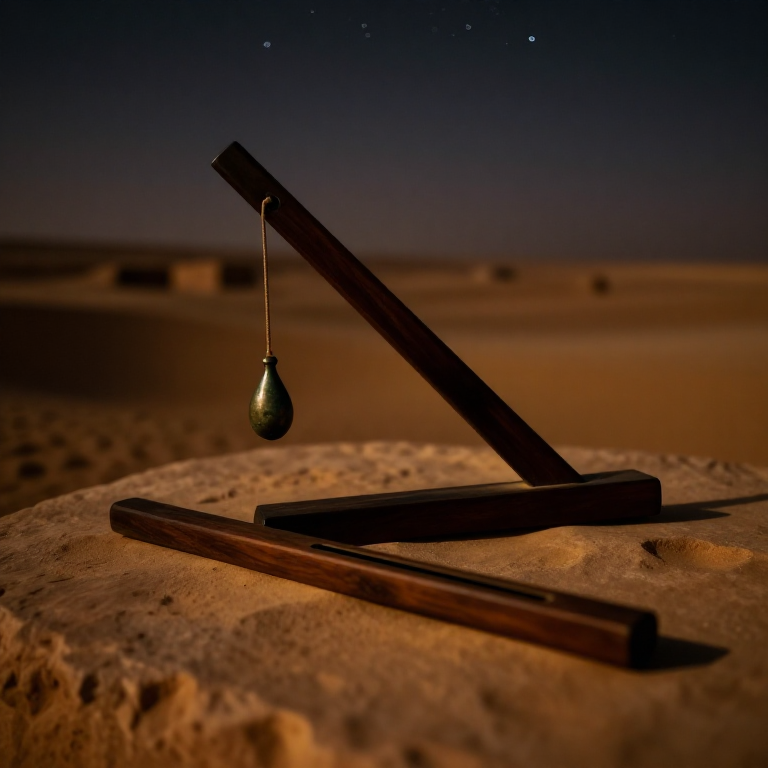
The merkhet (Egyptian: mrḫt, meaning 'instrument of knowing') is the oldest known astronomical observation instrument, used in ancient Egypt from at least 2500 BC. It consists of two simple parts: a bay — a straight bar with a V-notch from which a plumb line hangs, establishing a precise vertical reference — and the merkhet itself — a straight sighting bar with a narrow slot. By aligning the sighting slot with the plumb line string and a target star, the astronomer could determine the exact moment a star crossed the meridian (the north-south line through the zenith). This technique, called transit observation, served two critical purposes: finding true north for aligning temple and pyramid foundations with extraordinary precision (the Great Pyramid of Giza is aligned to within 3 arcminutes of true north), and telling time at night by tracking when specific 'clock stars' (decans) crossed the meridian. The merkhet is depicted on the ceiling of the tomb of Ramesses VI and was used by hour-watching priests who kept the official time for temple rituals throughout the night. This blueprint builds a functional merkhet and bay from hardwood and a plumb bob, capable of finding true north and performing star transit observations exactly as Egyptian astronomers did over four thousand years ago.

Początkujący
3-5 hours

Instrukcje

1

Understand the merkhet principle

The merkhet system uses a plumb line to establish a perfect vertical reference and a sighting bar to align that vertical with a star. When a star appears to pass exactly behind the taut plumb line string, it is crossing the observer's meridian — the imaginary north-south line passing directly overhead. The time of this transit depends on which star it is and the date, allowing the instrument to serve as both a compass and a clock. Egyptian astronomers tracked 36 stars called decans, each rising at ten-day intervals, to divide the night into hours.
2

Shape the bay (plumb line bar)

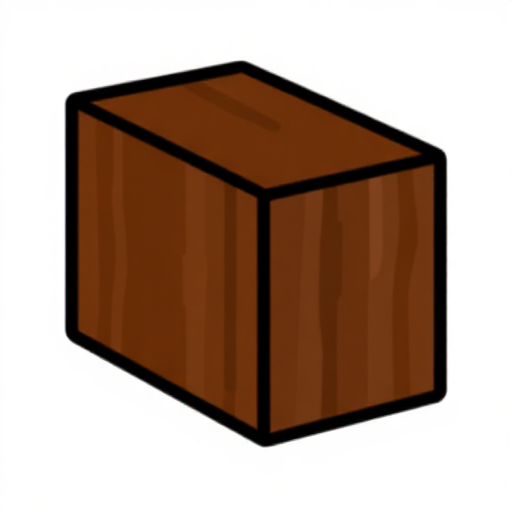
The bay is a straight bar approximately 40-50 cm long and 2-3 cm wide, with a V-shaped notch cut into the top end. In ancient Egypt this was typically a split palm rib; any straight-grained hardwood works equally well. Cut the bar to length, plane or sand it perfectly straight, and carve a V-notch about 1 cm deep and 1 cm wide centred at the top. The plumb line cord will hang from this notch. The bar must be rigid enough not to flex when held upright.

Materiały do tego kroku:

Hardwood BlockHardwood Block1 sztuka

Tools needed:

Hand SawHand Saw
Iron ChiselIron Chisel
3

Attach the plumb bob and cord

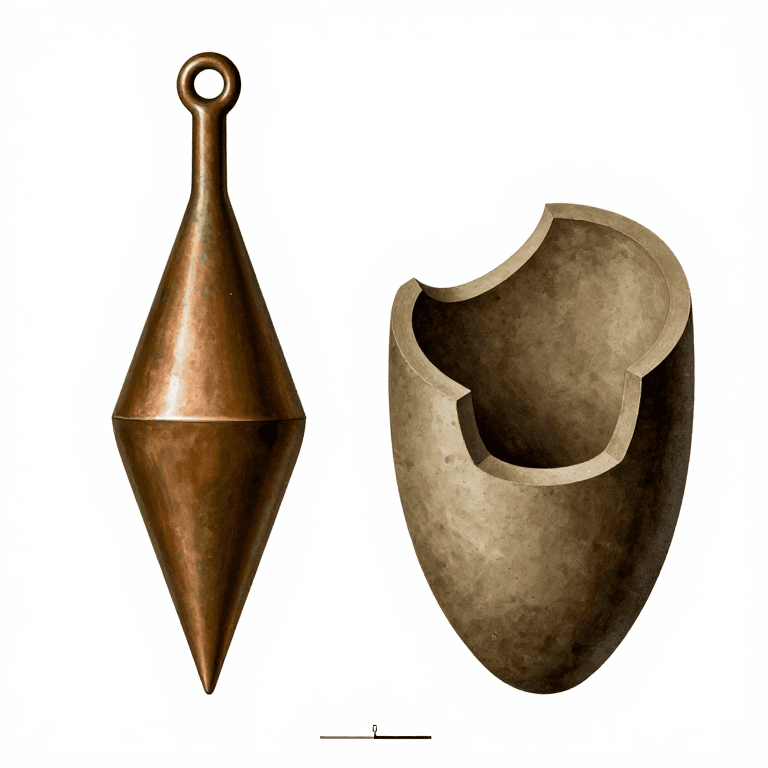
Tie a length of thin cord approximately 50-60 cm long to a plumb bob. Thread the other end through the V-notch in the bay bar and secure it so the plumb bob hangs freely below the notch with about 40 cm of cord between notch and bob. The cord must be thin enough to serve as a precise sighting line — thick rope is too wide for accurate star observations. When the bay is held upright, the plumb bob should hang motionless and the cord should bisect the V-notch exactly.

Materiały do tego kroku:

Plumb BobPlumb Bob1 sztuka
CordageCordage1 metr
4

Shape the merkhet sighting bar

The merkhet itself is a straight sighting bar approximately 30-40 cm long and 2-3 cm wide, with a narrow slit cut into one end. This slit is the sighting aperture — you look through it to align with the plumb line and a target star. Cut the wood to length and sand it smooth. At one end, cut a narrow vertical slit about 2 mm wide and 1.5 cm deep. The slit must have clean, parallel edges — a rough or uneven slit makes accurate sighting impossible.

Materiały do tego kroku:

Hardwood BlockHardwood Block1 sztuka

Tools needed:

Hand SawHand Saw
Fine Sandpaper
5

Finish and seal the wood

Sand both bars with fine sandpaper until perfectly smooth. Apply a thin coat of linseed oil to protect the wood from moisture and give it a warm finish. Allow the oil to dry completely before use. The surfaces should be smooth enough that the cord slides freely in the V-notch without snagging on rough fibres.

Materiały do tego kroku:

Linseed OilLinseed Oil10 ml

Tools needed:

Fine Sandpaper
6

Set up the bay for observation

Choose a clear night with an unobstructed view of the northern sky. Plant the bay bar vertically in the ground or mount it in a stable holder on a flat surface. The bar must be perfectly vertical — check that the plumb line hangs exactly parallel to the bar. The plumb cord should hang motionless in still air. If there is wind, shield the cord from air movement — even a slight breeze will displace the plumb line and ruin the observation.
7

Find true north by observing a circumpolar star

Position yourself south of the bay with the merkhet sighting bar held horizontally at eye level. Sight through the merkhet slit and align it with the plumb line cord. When Polaris (the current north pole star) appears exactly behind the plumb cord as seen through the slit, the line from your eye through the cord points toward the celestial pole. Mark the direction on the ground — this is true north. In 2500 BC the pole star was Thuban (Alpha Draconis), about 2 degrees from the true pole, so the Egyptians needed an additional refinement step.
8

Refine alignment using eastern and western elongations

For greater precision — this is how the Egyptians achieved their extraordinary pyramid alignments — observe a circumpolar star at its maximum eastern elongation (the furthest point east of the pole) and mark the direction on the ground. Then wait and observe the same star at its maximum western elongation and mark that direction. True north lies exactly halfway between these two marks. This bisection method eliminates the error caused by the pole star not sitting exactly at the celestial pole, and is accurate to a few arcminutes.
9

Use the merkhet as a star clock

Once the bay is aligned to true north, you can tell time by observing which stars cross the meridian. Two observers work together: one sits facing the bay with the plumb line between them, while the other sits behind and sights through the merkhet slit across the plumb cord to the stars above. When a specific decan star crosses the cord, the corresponding hour of the night has arrived. The Egyptians divided the night into twelve hours and tracked which decans crossed the meridian during each hour for every ten-day period of the year.
10

Record observations and calibrate

To calibrate your merkhet, observe and record the transit times of several bright stars over multiple nights. Compare with a modern star chart or planetarium software to verify your meridian alignment. The Egyptian star clocks (diagonal star tables preserved on tomb ceilings at Luxor and the Valley of the Kings) listed the transit stars for each ten-day period, creating a complete annual timetable of the night sky. You are now performing positional astronomy in the manner practised by Egyptian astronomer-priests over four thousand years ago — the oldest systematic stellar observation programme in human history.

Materiały

4

Wymagane narzędzia

3

Materiały z połączonych planów

CC0 Domena publiczna

Ten plan jest udostępniany na licencji CC0. Możesz go swobodnie kopiować, modyfikować, rozpowszechniać i wykorzystywać do dowolnych celów, bez konieczności uzyskiwania zgody.

Wesprzyj Makera kupując produkty przez jego plan, za co zarabia Prowizja Makera ustalony przez sprzedawców, lub stwórz nową iterację tego planu i dołącz go jako połączenie w swoim własnym planie, aby dzielić się przychodami.

Dyskusja

(0)

Zaloguj się aby dołączyć do dyskusji

Ładowanie komentarzy...