Współpraca
SZTUKA
Piękno i dobre samopoczucie
RZEMIOSŁO
KULTURA I HISTORIA
ROZRYWKA
ŚRODOWISKO
JEDZENIE I NAPOJE
INŻYNIERIA ODWROTNA
NAUKI
LEKKOATLETYKA
TECHNOLOGIA
URZĄDZENIA DO NOSZENIA

Web Saddle Girth: Pointed Leather Chapes and Safety-Bar Buckles (Hasluck, Saddlery, 1904)
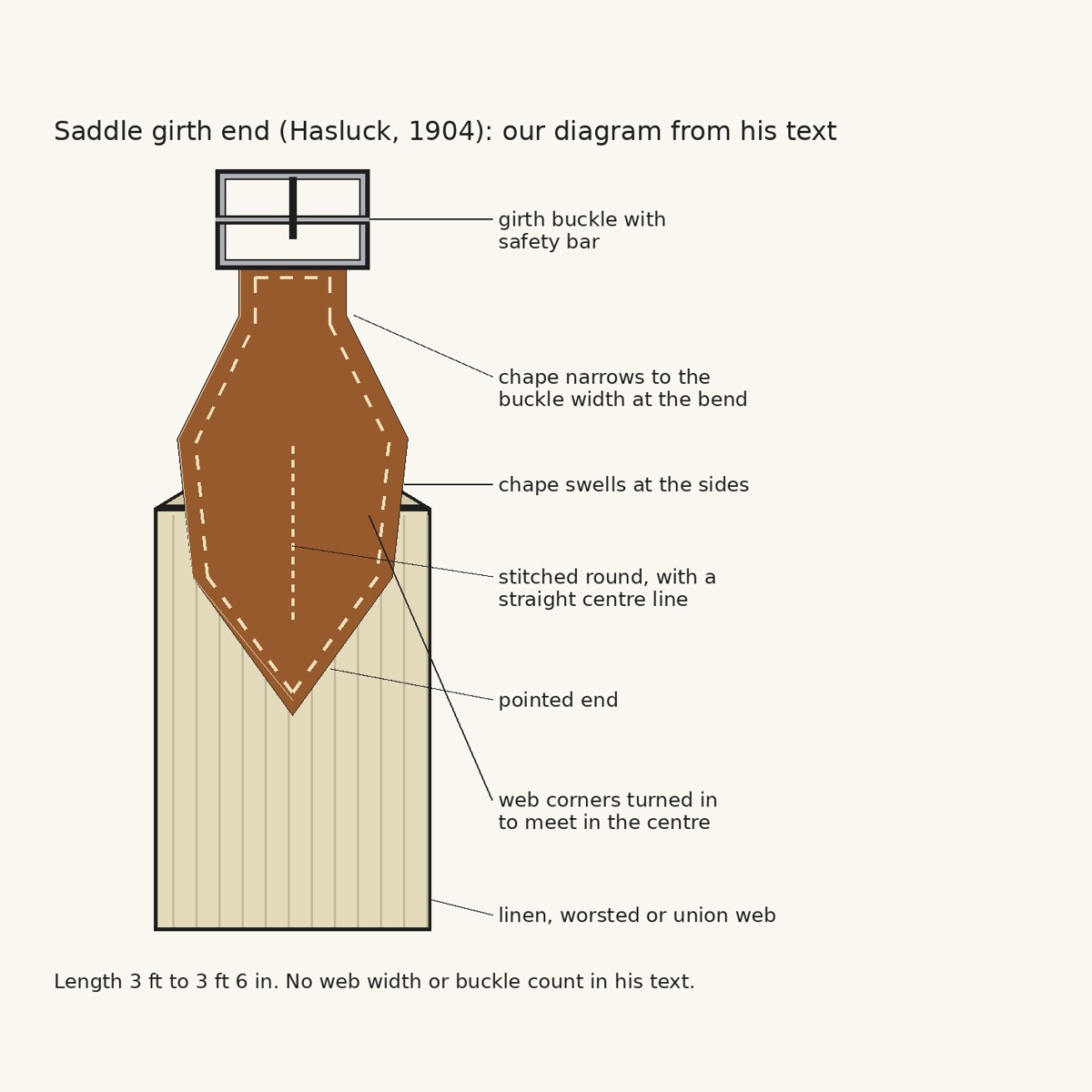
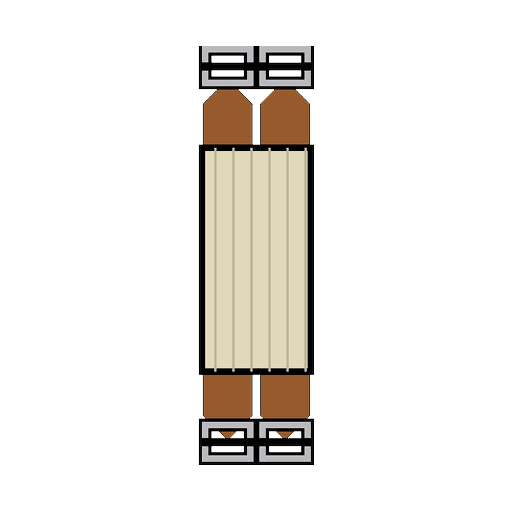
The girth goes under the horse's belly and buckles to the saddle on both sides. This is the web saddle girth from Paul N. Hasluck's Saddlery (1904): linen, worsted or union web, 3 ft to 3 ft 6 in long, with pointed leather chapes and girth buckles that have safety bars. He gives no web width; the picture is our diagram from his text.
Początkujący
About 3 hours
Instrukcje
1
1
His length in centimetres
His length in centimetres
Wczytywanie notatnika Jupyter…
2
2
Read Saddlery, ch. V
Read Saddlery, ch. V
"Saddle girths (Figs. 12, 13, and 14) are made of linen, worsted, or union (that is part linen and part wool); they are also made of raw hide, whipcord, and plaited brown leather. It is, however, more common to employ the first-named material."
3
3
Cut the web and the chapes
Cut the web and the chapes
Cut the web 3 ft to 3 ft 6 in long. Get girth buckles with safety bars across them. Cut the chapes pointed at the ends, swelling out at the sides and growing narrow to the width of the buckle at the top, where they bend.
Materiały do tego kroku:
 Taśma popręgowa1 sztuka
 Skóra uprzężowa1 sztuka
 Sprzączka popręgu2 sztuk
Potrzebne narzędzia:
 Nóż do skóry
 Nożyczki
 Miara zwijana
4
4
Prepare the web ends
Prepare the web ends
Stain the edges of the chapes. Turn in both corners of the web to meet in the centre, run a stitch through them to keep them down, and cut a little off the extreme point.
Materiały do tego kroku:
 Barwnik do skóry1 sztuka
 Nić lniana1 sztuka
 Wosk pszczeli1 sztuka
Potrzebne narzędzia:
Nóż do skóry Dwie igły rymarskie
5
5
Tack and stitch the chapes
Tack and stitch the chapes
Tack the chapes and buckles in place before stitching. Always stitch the chapes round, and put a straight line in the centre to keep down the point of the turn-down; only about twelve or fifteen stitches go in the centre.
Materiały do tego kroku:
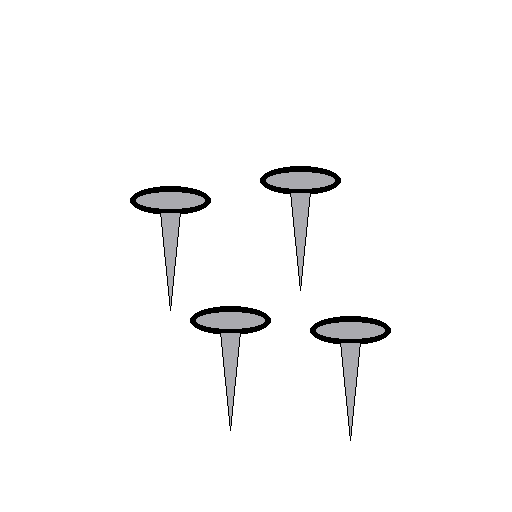 Ćwieki montażowe1 sztukaNić lniana1 sztukaWosk pszczeli1 sztuka
Potrzebne narzędzia:
 Młotek
 SzydłoDwie igły rymarskie
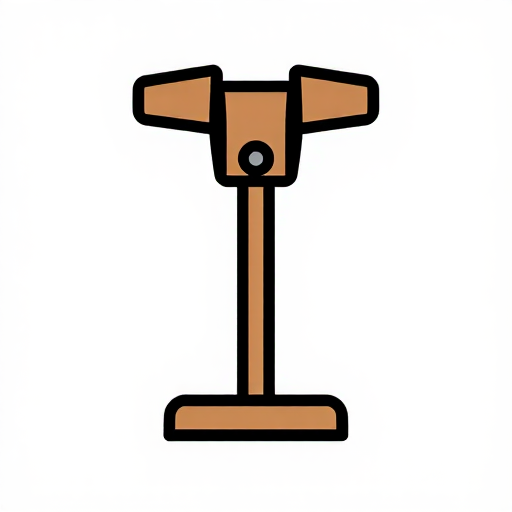 Kozioł rymarski
6
6
Troubleshooting
Troubleshooting
Saddle girth troubleshooting.
Flow
Loading...
7
7
History and honest limits
History and honest limits
From **Saddlery**, edited by Paul N. Hasluck, David McKay, 1904 (archive.org saddlery00hasl), chapter V, saddle girths, pp. 47-48; read on the scan. He gives no web width and does not say how many buckles go on each end; his Figs. 12-14 show cord girths, not this web girth, so the picture is our own diagram from his text. One buckle per end in the list, the thread, tools and metric figures are ours.
Materiały
7- 1 sztukaZastępnik
- 1 sztukaZastępnik
- 2 sztukZastępnik
- 1 sztukaZastępnik
- 2 sztukZastępnik
- 2 sztukZastępnik
- 1 sztukaZastępnik
Według tego planu powstaje
Powiązane blueprinty
Te blueprinty dzielą się wiedzą — technikami, materiałami lub zasadami
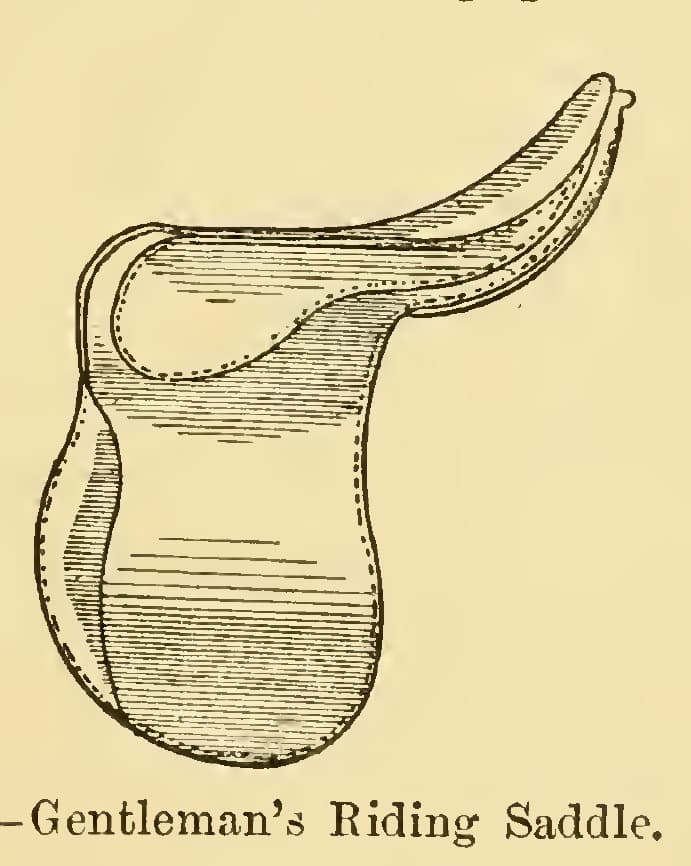
Riding Saddle: Web, Stuffed Seat, Hogskin Skirts, Knee-Pad Flaps and Quilted Panel on a Bought Tree (Hasluck, Saddlery, 1904)
autor: Tex
Tekstylia i skóra
4
0
0
0
0
0
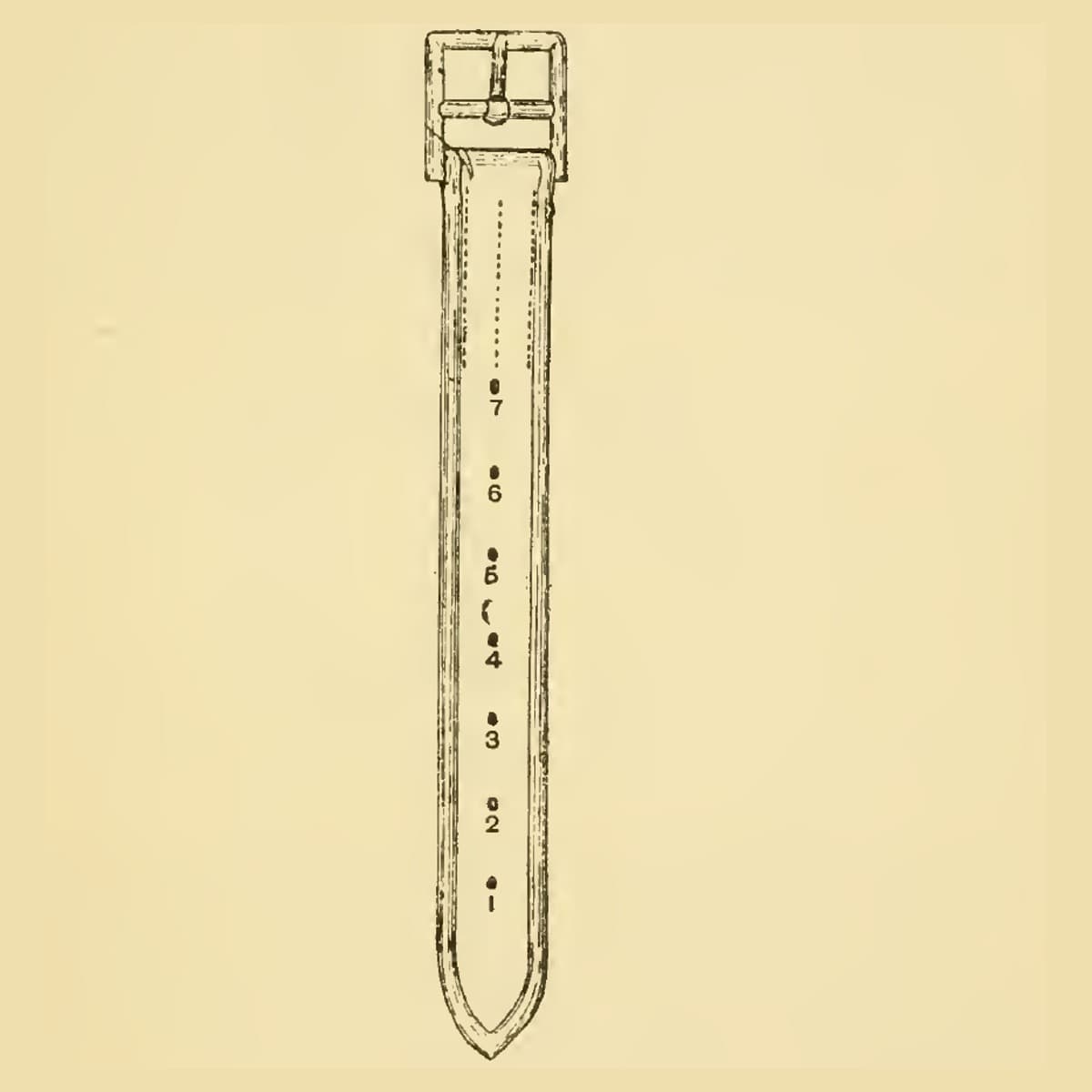
Stirrup Leathers: Middlings Straps Stitched to Stirrup Buckles, Creased on the Flesh Side (Hasluck, Saddlery, 1904)
autor: Tex
Tekstylia i skóra
4
0
0
0
0
0
CC0 Domena publiczna
Ten plan jest udostępniany na licencji CC0. Możesz go swobodnie kopiować, modyfikować, rozpowszechniać i wykorzystywać do dowolnych celów, bez konieczności uzyskiwania zgody.
Wesprzyj Makera kupując produkty przez jego plan, za co zarabia Prowizja Makera ustalony przez sprzedawców, lub stwórz nową iterację tego planu i dołącz go jako połączenie w swoim własnym planie, aby dzielić się przychodami.