SZTUKA
Piękno i dobre samopoczucie
RZEMIOSŁO
KULTURA I HISTORIA
ROZRYWKA
ŚRODOWISKO
JEDZENIE I NAPOJE
INŻYNIERIA ODWROTNA
NAUKI
LEKKOATLETYKA
TECHNOLOGIA
URZĄDZENIA DO NOSZENIA
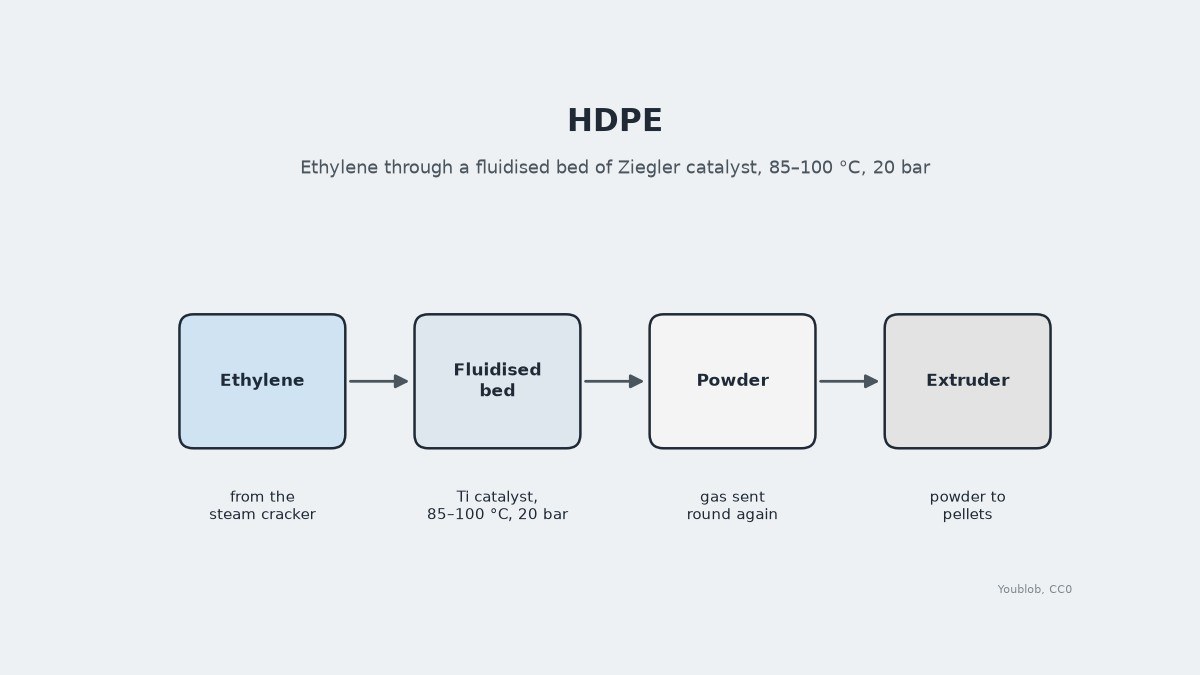


HDPE Pellets: Ethylene Polymerised in a Fluidised Bed
High-density polyethylene is made at low pressure on a Ziegler catalyst (a titanium halide with an aluminium compound). In the gas-phase process, ethylene flows up through a fluidised bed of fine catalyst at 85–100 °C and 20 bar and grows into polymer powder, which is melted and cut into pellets.
The picture: our diagram of the bed reactor and extruder.
Zaawansowany
Continuous
Instrukcje
1
1
Polymerise in a fluidised bed
Polymerise in a fluidised bed
Feed fine catalyst into the bed reactor and blow ethylene up through it at 85–100 °C and 20 bar. The polymer grows on the catalyst grains.
Materiały do tego kroku:
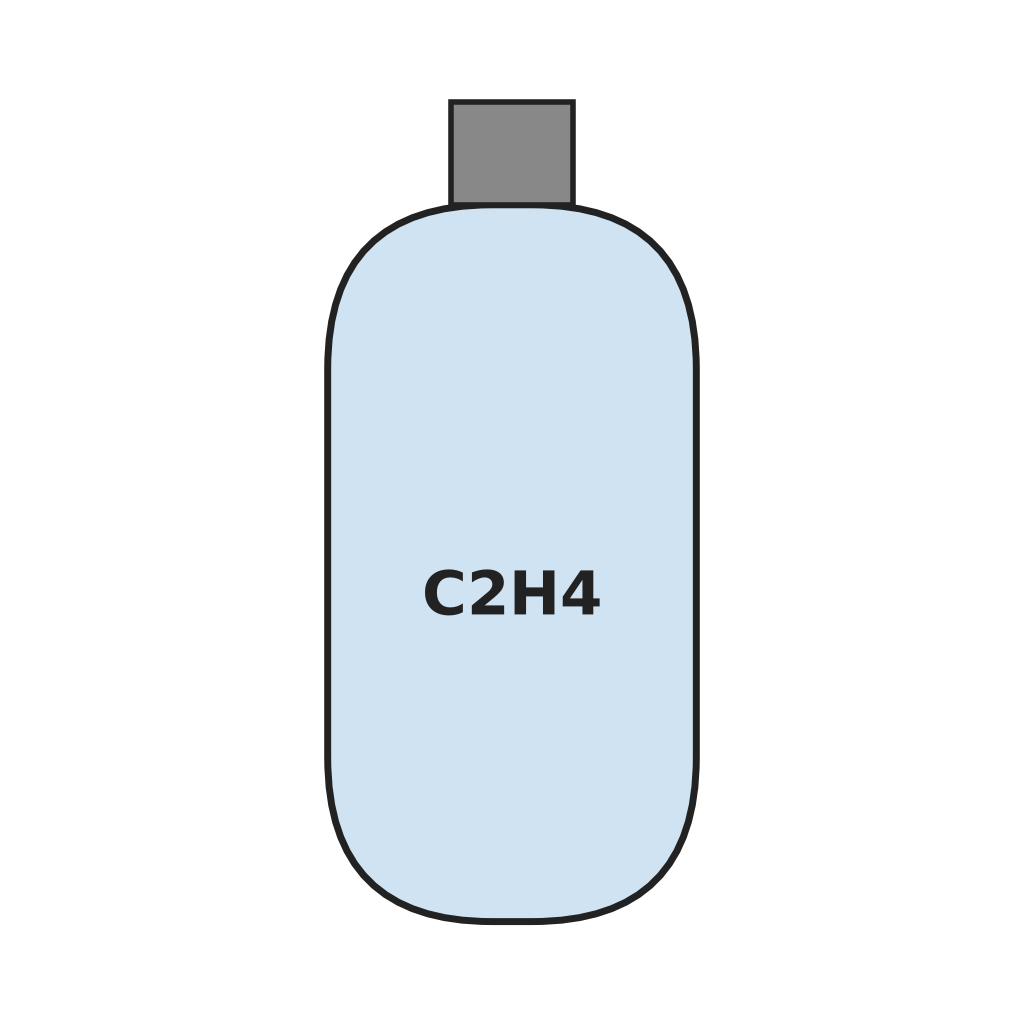 Etylen1 t
Potrzebne narzędzia:
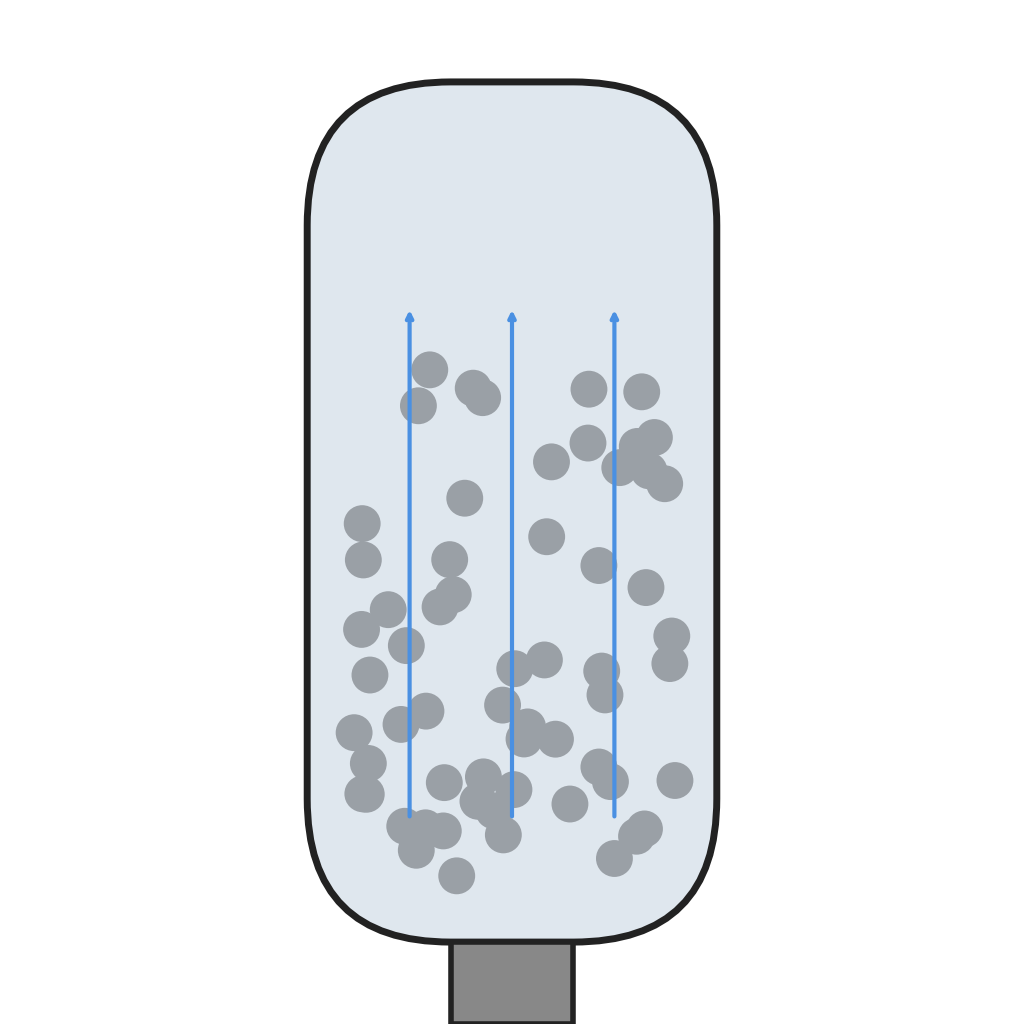 Reaktor ze złożem fluidalnym
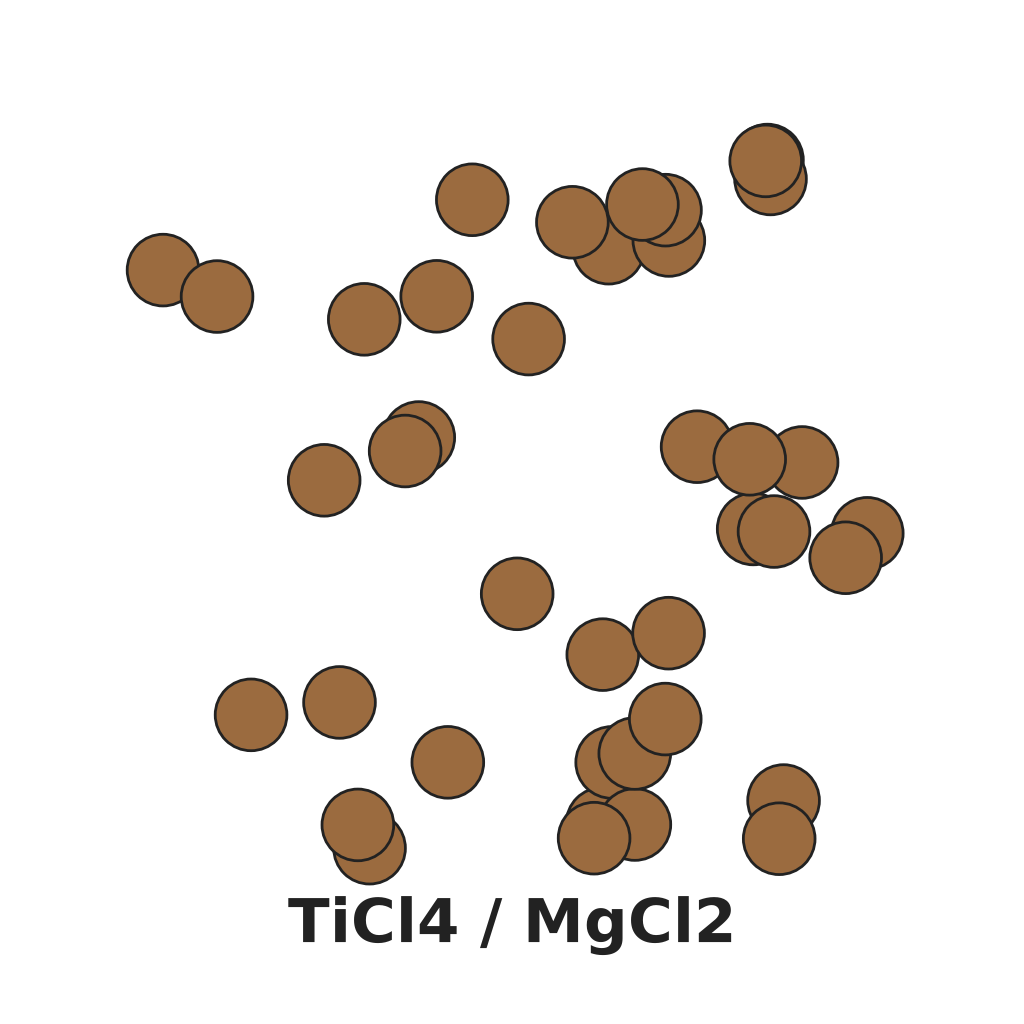 Katalizator Zieglera-Natty (TiCl4 na MgCl2)
 Sprężarka gazu
2
2
Take off the powder
Take off the powder
Draw the polyethylene powder off the bed; compress the unreacted ethylene and send it round again.
Potrzebne narzędzia:
Reaktor ze złożem fluidalnymSprężarka gazu3
3
Pelletise
Pelletise
Melt the powder in the extruder and cut the strand into pellets.
Potrzebne narzędzia:
 Wytłaczarka do tworzyw sztucznych
4
4
Ethylene gas per kilogram of polymer
Ethylene gas per kilogram of polymer
Wczytywanie notatnika Jupyter…
Wymagane narzędzia
4- Zastępnik
- Zastępnik
- Zastępnik
Według tego planu powstaje

Powiązane blueprinty
Te blueprinty dzielą się wiedzą — technikami, materiałami lub zasadami
CC0 Domena publiczna
Ten plan jest udostępniany na licencji CC0. Możesz go swobodnie kopiować, modyfikować, rozpowszechniać i wykorzystywać do dowolnych celów, bez konieczności uzyskiwania zgody.
Wesprzyj Makera kupując produkty przez jego plan, za co zarabia Prowizja Makera ustalony przez sprzedawców, lub stwórz nową iterację tego planu i dołącz go jako połączenie w swoim własnym planie, aby dzielić się przychodami.