Współpraca
SZTUKA
Piękno i dobre samopoczucie
RZEMIOSŁO
KULTURA I HISTORIA
ROZRYWKA
ŚRODOWISKO
JEDZENIE I NAPOJE
INŻYNIERIA ODWROTNA
NAUKI
LEKKOATLETYKA
TECHNOLOGIA
URZĄDZENIA DO NOSZENIA
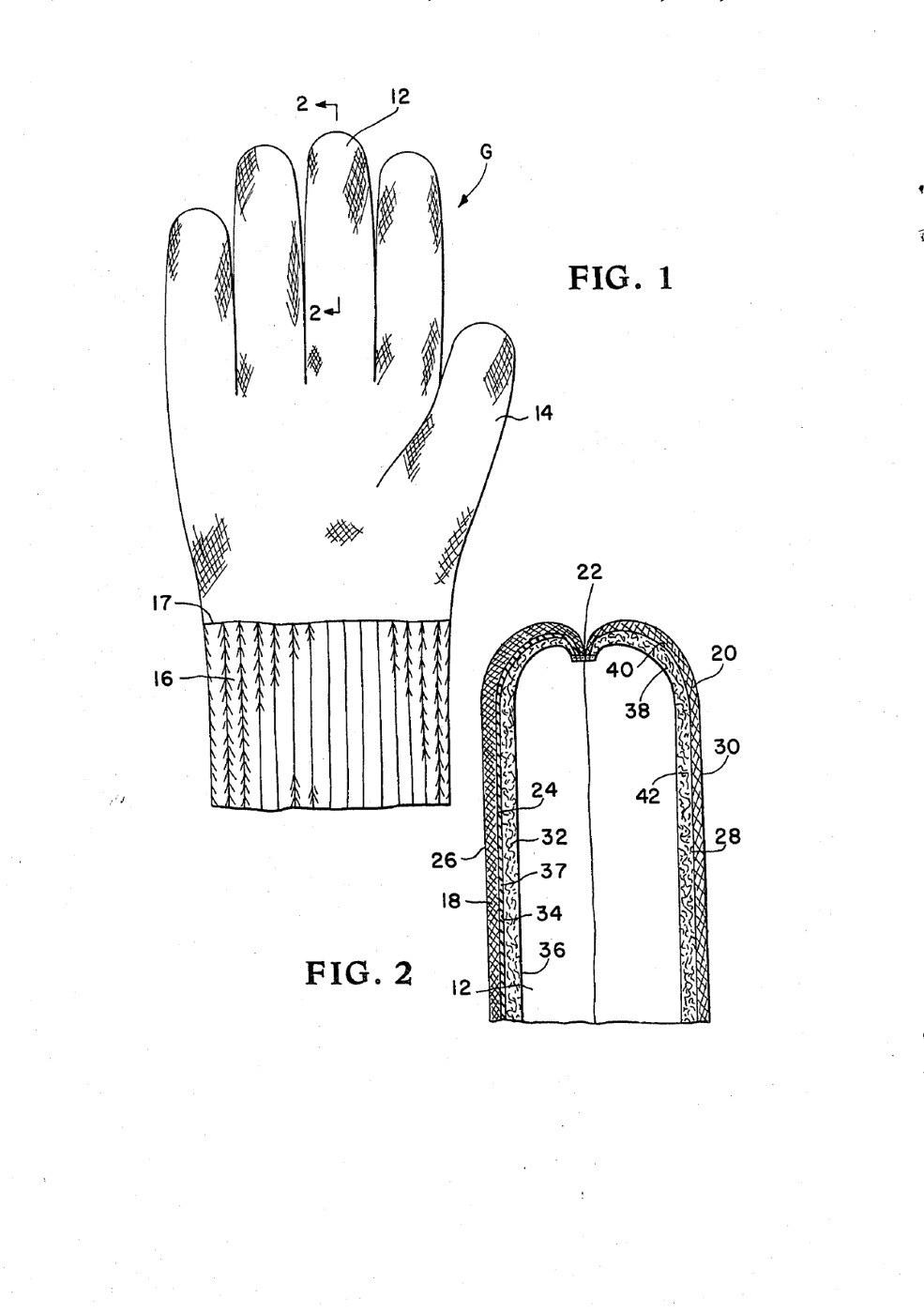


Heat-Resistant Gloves: Aramid Twill Palm, Knit Back and Felt Liners (NASA, 1984)
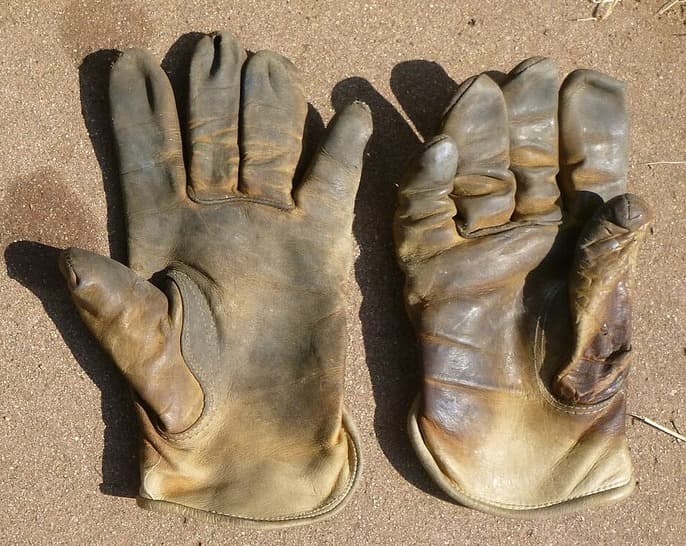
A heat-resistant glove made entirely of aramid fibre (Kevlar), patented by NASA for firefighters and foundry workers. The palm is a hard-wearing twill, the back a stretchy knit, and each is lined with aramid felt. A thin neoprene coat on the palm liner slows heat coming through from hot objects you grip.
Result: gloves that passed the NIOSH tests for firefighters' gloves for cuts, punctures, flame and dexterity. The patent reports 23 lb to puncture, against a 13.2 lb minimum.
Source: K. R. Sidman, R. P. Tschirch and I. J. Arons (NASA), US Patent 4,433,439 (1984). Unknown: the pattern and sizes, and how the neoprene coat is put on. Ours: the sewing tools. Picture: patent drawing.
Średniozaawansowany
1 day
Instrukcje
1
1
Cut the shells
Cut the shells
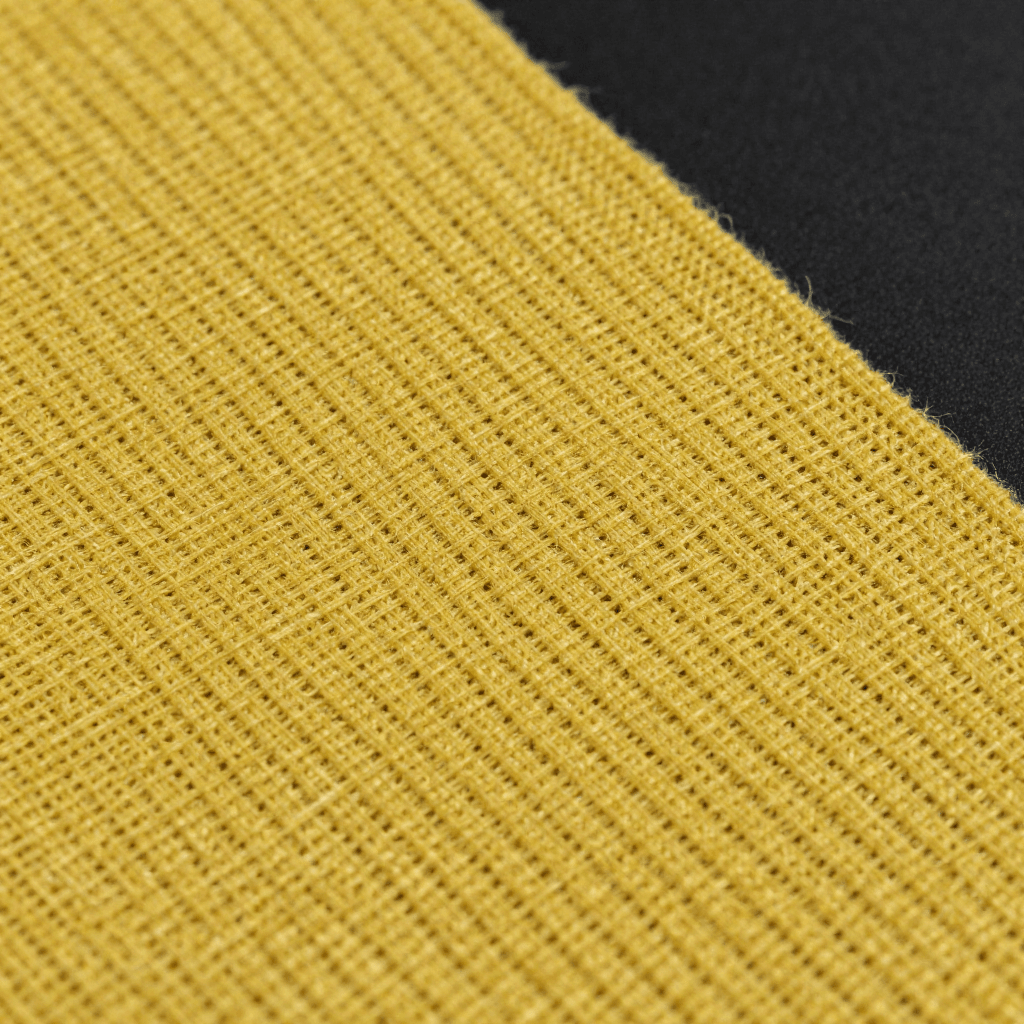
Cut the palm side of the glove from aramid twill of about 8 oz per square yard; twill wears best. Cut the back from knitted aramid of about 7 oz per square yard, which stretches for dexterity and comfort. Both should have a napped (raised) face; put it on the inside, where it adds insulation. Not given: the glove pattern and sizes.
Materiały do tego kroku:
 Tkanina aramidowa1 twill 8 oz/yd2 and knit 7 oz/yd2
Potrzebne narzędzia:
 Nożyce krawieckie
 Kreda krawiecka
 Nieznane wymiary
2
2
Cut and coat the liners
Cut and coat the liners
Cut a palm liner and a back liner to the same shapes from aramid felt of about 3.5 oz per square yard. Coat the face of the palm liner that will lie against the palm shell with a flame-resistant elastomer, preferably neoprene, 4 to 5 mils thick. It helps stop heat conducting through the palm. Not given: how the coat is applied.
Materiały do tego kroku:
 Filc aramidowy1 3.5 oz/yd2
 Neopren1 4-5 mil coat
Potrzebne narzędzia:
Nożyce krawieckie3
3
Sew the glove
Sew the glove
Lay each liner against its shell, coated face to the palm shell. Sew shells and liners together along their edges with aramid thread, joining palm half to back half in one seam round the fingers and thumb.
Materiały do tego kroku:
 Nić aramidowa1 sztuka
Potrzebne narzędzia:
 Maszyna do szycia
4
4
Add the wristlet
Add the wristlet
Make a tube of knitted aramid about 4 inches long and sew it round the glove opening. It seals loosely round the wrist to keep water and other matter out. Make it longer to protect more of the forearm.
Materiały do tego kroku:
Tkanina aramidowa1 knit tubeNić aramidowa1 sztukaPotrzebne narzędzia:
Maszyna do szyciaMateriały
4- 1 knit tubeZastępnik
- 1 3.5 oz/yd2Zastępnik
- 1 4-5 mil coatZastępnik
- 2 sztukZastępnik
Wymagane narzędzia
4- Zastępnik
- Zastępnik
- Zastępnik
- Zastępnik
Materiały z połączonych planów

Według tego planu powstaje

CC0 Domena publiczna
Ten plan jest udostępniany na licencji CC0. Możesz go swobodnie kopiować, modyfikować, rozpowszechniać i wykorzystywać do dowolnych celów, bez konieczności uzyskiwania zgody.
Wesprzyj Makera kupując produkty przez jego plan, za co zarabia Prowizja Makera ustalony przez sprzedawców, lub stwórz nową iterację tego planu i dołącz go jako połączenie w swoim własnym planie, aby dzielić się przychodami.