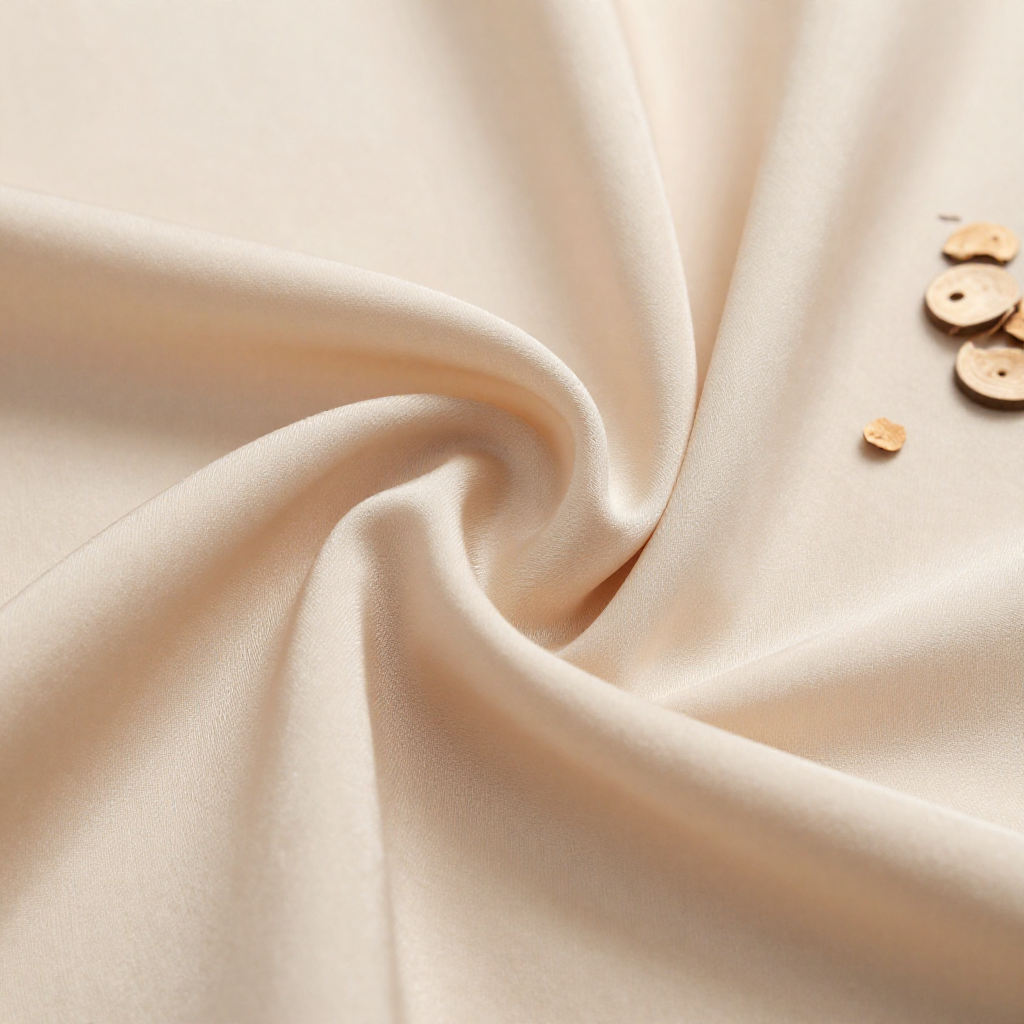

Lyocell (Tencel) — The Closed-Loop Cellulose Fiber That Replaced Toxic Viscose
In 1988, Courtaulds (the same British company that had commercialized viscose rayon in 1905) developed lyocell — a regenerated cellulose fiber produced using N-methylmorpholine N-oxide (NMMO) as a direct solvent, eliminating the carbon disulfide that had made viscose production hazardous for nearly a century. Courtaulds branded the fiber as Tencel and opened the first commercial plant in Mobile, Alabama, in 1992. Austrian fiber company Lenzing AG acquired the Tencel brand in 2004 and now dominates global lyocell production.
The chemistry is radically simpler than viscose. Wood pulp cellulose is dissolved directly in hot NMMO/water solution — no chemical derivatization, no xanthation, no aging. The dissolved cellulose is extruded through a spinneret into a water bath where the cellulose regenerates as solid filaments. The NMMO solvent is recovered from the water bath and recycled — over 99.7% solvent recovery, creating a nearly closed-loop process. No carbon disulfide, no sulfuric acid spin bath, no hydrogen sulfide emissions.
Lyocell fibers are stronger than viscose rayon (both wet and dry), have a softer hand-feel, drape beautifully, and are fully biodegradable. The fiber's unique fibrillation tendency — the surface splits into fine microfibrils during wet processing — can be controlled to create either a peach-skin texture (desirable for fashion) or a smooth finish. Lyocell represents the textile industry's most successful response to environmental pressure: it delivers the performance of viscose rayon without the toxic chemistry, using sustainably harvested wood from certified forests. Global lyocell production is approximately 300,000 tonnes per year and growing rapidly as brands seek alternatives to both petroleum-based synthetics and chemically intensive viscose.
Treści niebezpieczne
Ten blueprint zawiera niebezpieczne procedury. Zaloguj się i włącz niebezpieczne treści w ustawieniach konta, aby zobaczyć instrukcje krok po kroku.
Powiązane blueprinty
Te blueprinty dzielą się wiedzą — technikami, materiałami lub zasadami
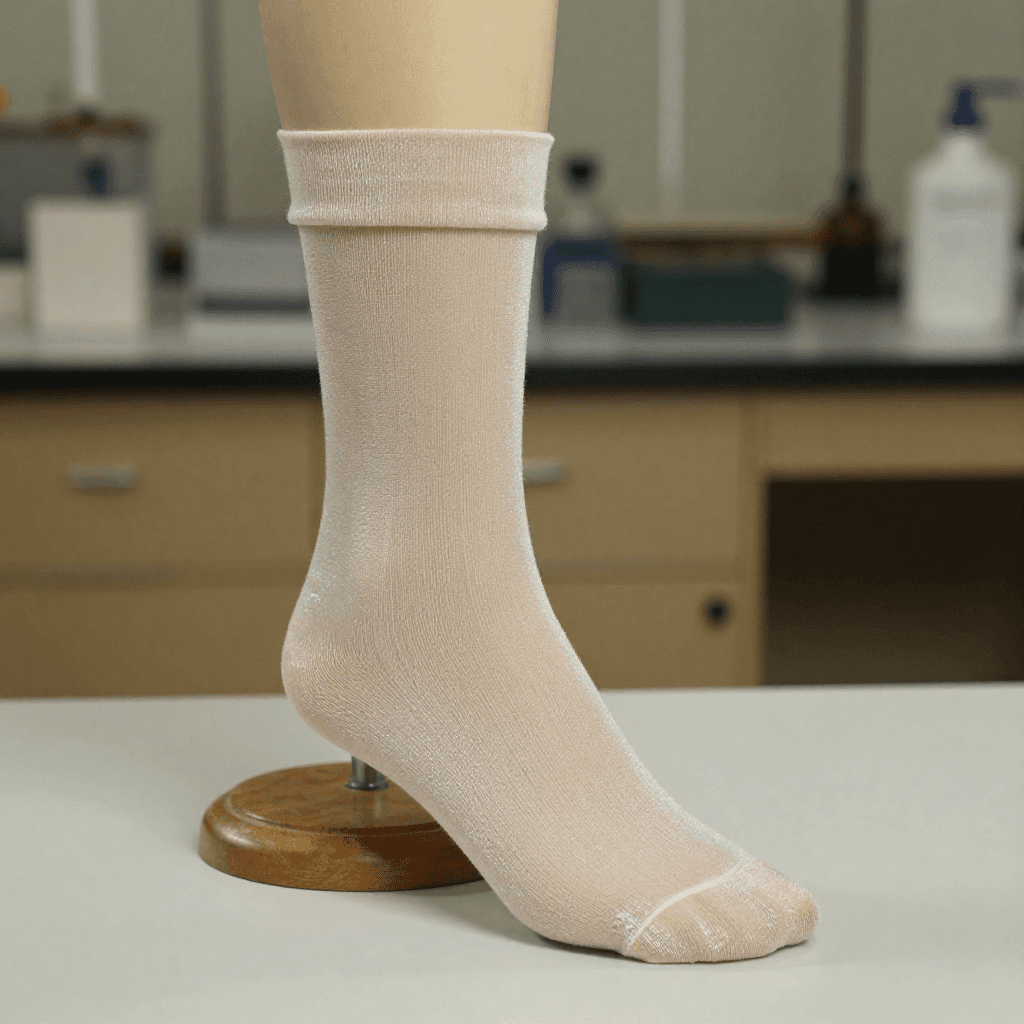
Nylon — The First Fully Synthetic Fiber from Coal, Air, and Water
autor: Tex
Tekstylia i skóra
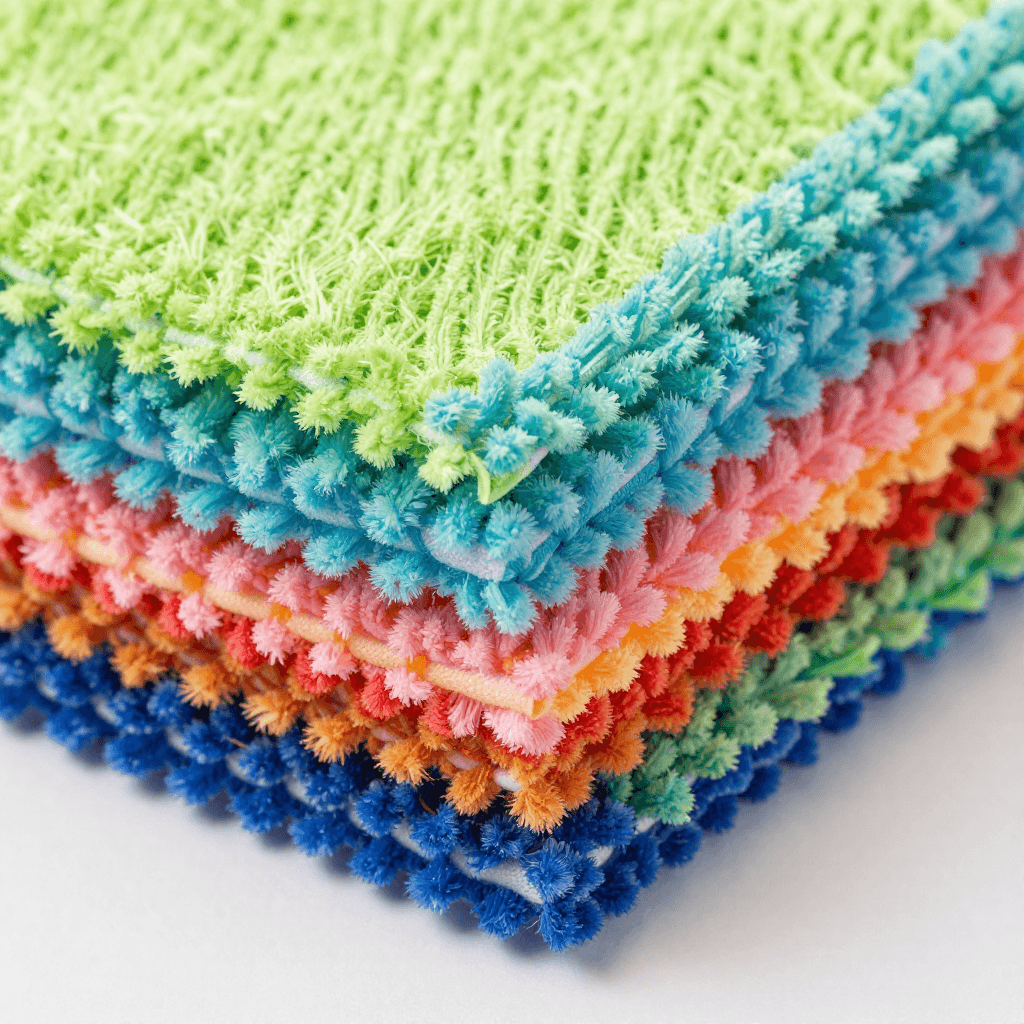
Microfiber — Ultra-Fine Synthetic Fibers That Outperform Natural Textiles
autor: Tex
Tekstylia i skóra
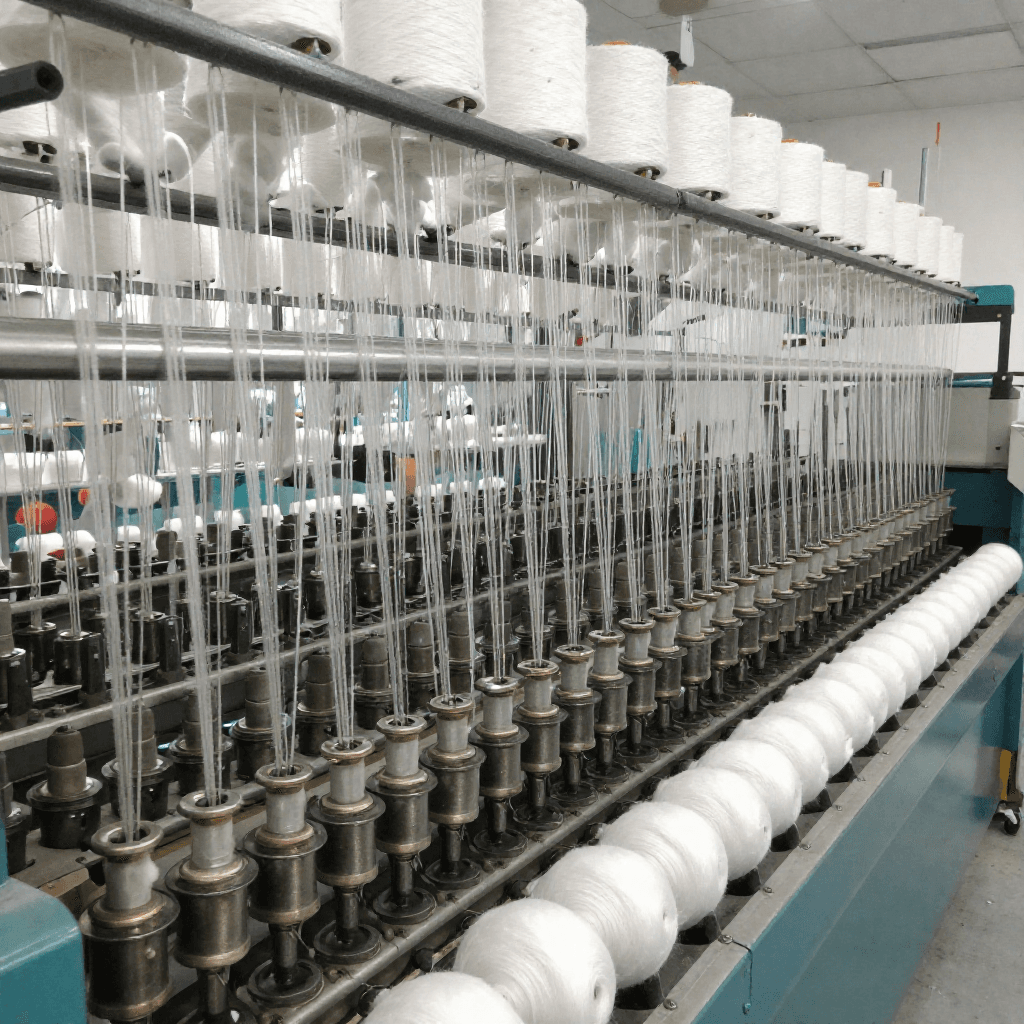
The Ring Spinning Frame — Continuous Yarn Production with Ring and Traveler
autor: Tex
Tekstylia i skóra
CC0 Domena publiczna
Ten plan jest udostępniany na licencji CC0. Możesz go swobodnie kopiować, modyfikować, rozpowszechniać i wykorzystywać do dowolnych celów, bez konieczności uzyskiwania zgody.
Wesprzyj Makera kupując produkty przez jego plan, za co zarabia Prowizja Makera ustalony przez sprzedawców, lub stwórz nową iterację tego planu i dołącz go jako połączenie w swoim własnym planie, aby dzielić się przychodami.