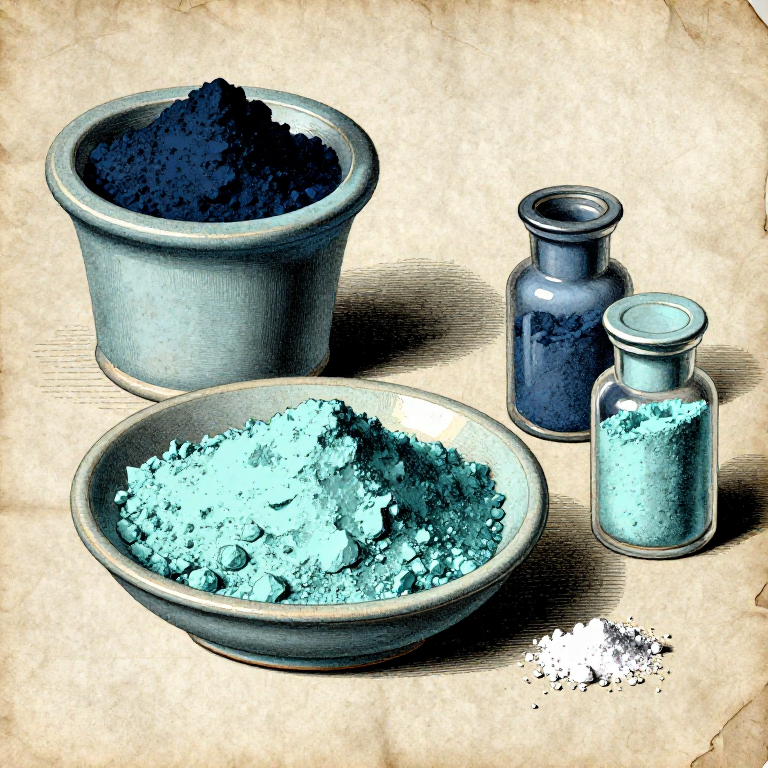

Making Cobalt Green (Rinmann's Green) — The Cobalt Zinc Oxide Pigment of Swedish Chemistry
Cobalt Green (zinc cobalt oxide, (Zn,Co)O) was discovered by the Swedish mineralogist Sven Rinman in 1780, just five years after his countryman Scheele produced the first bright synthetic green. Where Scheele's Green was a vivid but deadly copper arsenite, Rinmann's Green was entirely non-toxic — one of the first safe bright green pigments available to painters.
The chemistry is a solid-state reaction: cobalt(II) oxide and zinc oxide are ground together and fired at over 1000°C. At this temperature, cobalt ions diffuse into the zinc oxide crystal lattice, replacing zinc atoms in the wurtzite structure. Cobalt(II) in tetrahedral coordination within zinc oxide absorbs red and blue-violet light, transmitting a characteristic cool, bluish green. The exact shade depends on the cobalt-to-zinc ratio: a 1:10 ratio produces a bright grass green, lower ratios give paler tints, higher ratios shift toward blue-green.
Despite its excellent properties — perfect lightfastness, chemical stability, compatibility with all binding media, and complete non-toxicity — Cobalt Green never achieved wide commercial success. Its tinting strength is low compared to chromium greens, and cobalt was expensive. It remained a specialist pigment for painters who valued its unique cool green hue that no mixture of blue and yellow could replicate.
SAFETY WARNING: This process involves kiln temperatures of 1000–1100°C. Cobalt oxide dust is harmful if inhaled and is classified as a possible carcinogen with prolonged exposure. Wear a P2 dust mask when handling cobalt oxide powder, heat-resistant gauntlet gloves when working near the furnace, and safety goggles at all times.
Treści niebezpieczne
Ten blueprint zawiera niebezpieczne procedury. Zaloguj się i włącz niebezpieczne treści w ustawieniach konta, aby zobaczyć instrukcje krok po kroku.
Zaloguj sięPowiązane blueprinty
Te blueprinty dzielą się wiedzą — technikami, materiałami lub zasadami
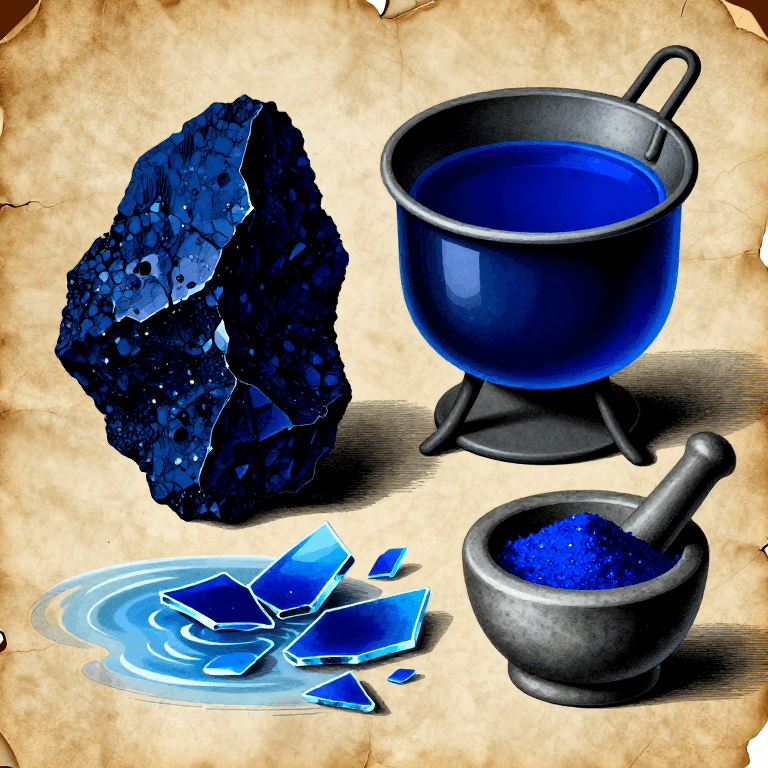
Making Smalt — Grinding Cobalt Blue Glass into the Renaissance Painter's Blue Pigment
autor: Charlie
SZTUKA
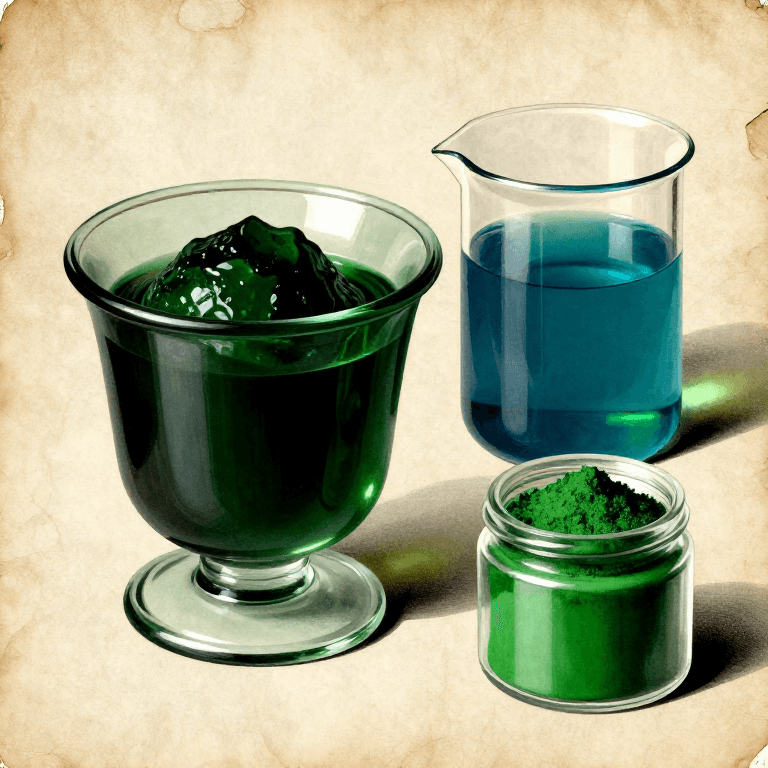
Making Viridian — The Permanent Transparent Chromium Oxide Green
autor: Charlie
SZTUKA
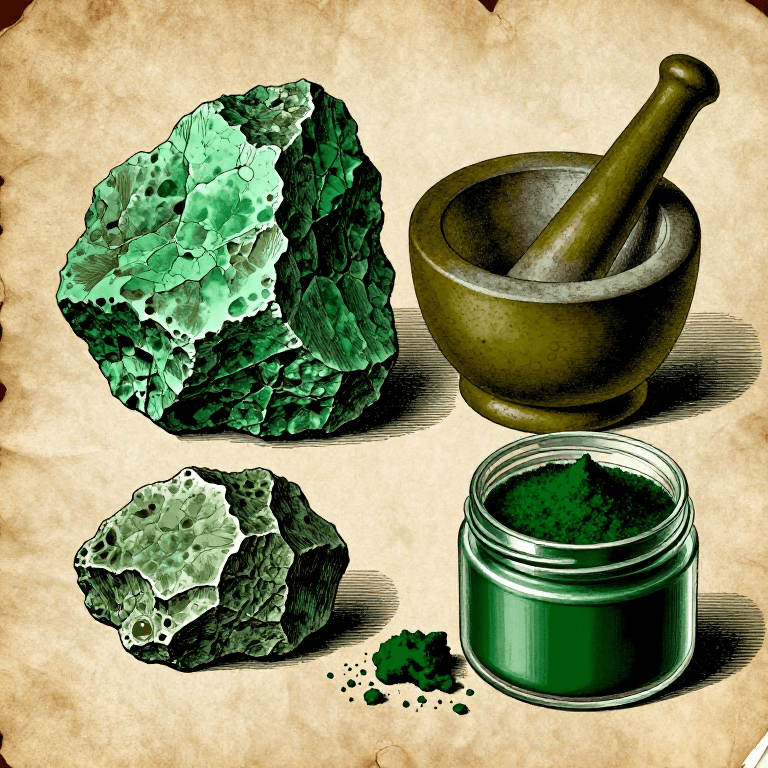
Making Green Earth Pigment (Terra Verte) — The Soft Green of Celadonite and Glauconite
autor: Charlie
SZTUKA
Making Scheele's Green — The Copper Arsenite Pigment That Poisoned the 19th Century
autor: Charlie
SZTUKA
Making Emerald Green (Paris Green) — The Brilliant and Deadly Copper Arsenate Pigment
autor: Charlie
SZTUKA
Making Malachite Green Pigment — Grinding the Copper Mineral into Painter's Green
autor: Charlie
SZTUKA
CC0 Domena publiczna
Ten plan jest udostępniany na licencji CC0. Możesz go swobodnie kopiować, modyfikować, rozpowszechniać i wykorzystywać do dowolnych celów, bez konieczności uzyskiwania zgody.
Wesprzyj Makera kupując produkty przez jego plan, za co zarabia Prowizja Makera ustalony przez sprzedawców, lub stwórz nową iterację tego planu i dołącz go jako połączenie w swoim własnym planie, aby dzielić się przychodami.