SZTUKA
Piękno i dobre samopoczucie
RZEMIOSŁO
KULTURA I HISTORIA
ROZRYWKA
ŚRODOWISKO
JEDZENIE I NAPOJE
INŻYNIERIA ODWROTNA
NAUKI
LEKKOATLETYKA
TECHNOLOGIA
URZĄDZENIA DO NOSZENIA


PET Resin: Terephthalic Acid and Ethylene Glycol, Whinfield and Dickson
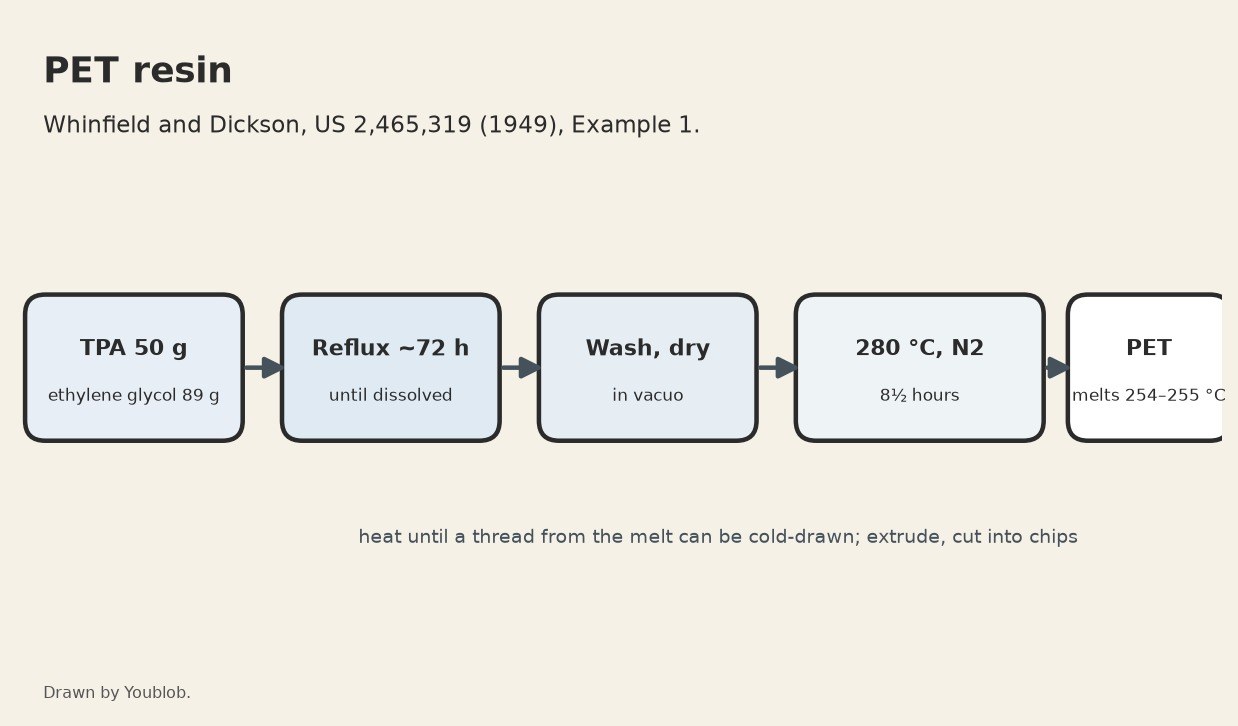
PET (polyethylene terephthalate) was invented by Whinfield and Dickson, whose patent (US 2,465,319, 1949) gives this first example: boil terephthalic acid in ethylene glycol until it dissolves, wash and dry the glycol ester, then heat it at 280 °C under nitrogen until it is a viscous polymer that melts at 254–255 °C and can be drawn into fibre. The melt is extruded and cut into chips (pellets) for moulding and spinning.
The picture: our diagram.
Zaawansowany
About 4 days
Instrukcje
1
1
Boil the acid in glycol
Boil the acid in glycol
Reflux 50 g terephthalic acid with 89 g ethylene glycol for about 72 hours, until it has all dissolved. This makes glycol terephthalate.
Materiały do tego kroku:
 Kwas tereftalowy50 g
 Glikol etylenowy89 g
Potrzebne narzędzia:
 Waga szalkowa
 Kolba kulista
 Wężownica skraplacza
 Płyta grzejna
2
2
Wash and dry the ester
Wash and dry the ester
Wash the glycol terephthalate with water and dry it under vacuum.
Potrzebne narzędzia:
 Woda destylowana
 Lejek szklany z nóżką
 Bibuła filtracyjna
 Pompa próżniowa
3
3
Heat at 280 °C under nitrogen
Heat at 280 °C under nitrogen
Melt it and heat at 280 °C for 8½ hours in a slow stream of nitrogen: no air may reach it. It grows thick as it polymerises.
Potrzebne narzędzia:
Kolba kulistaPłyta grzejna Termopara z odczytem
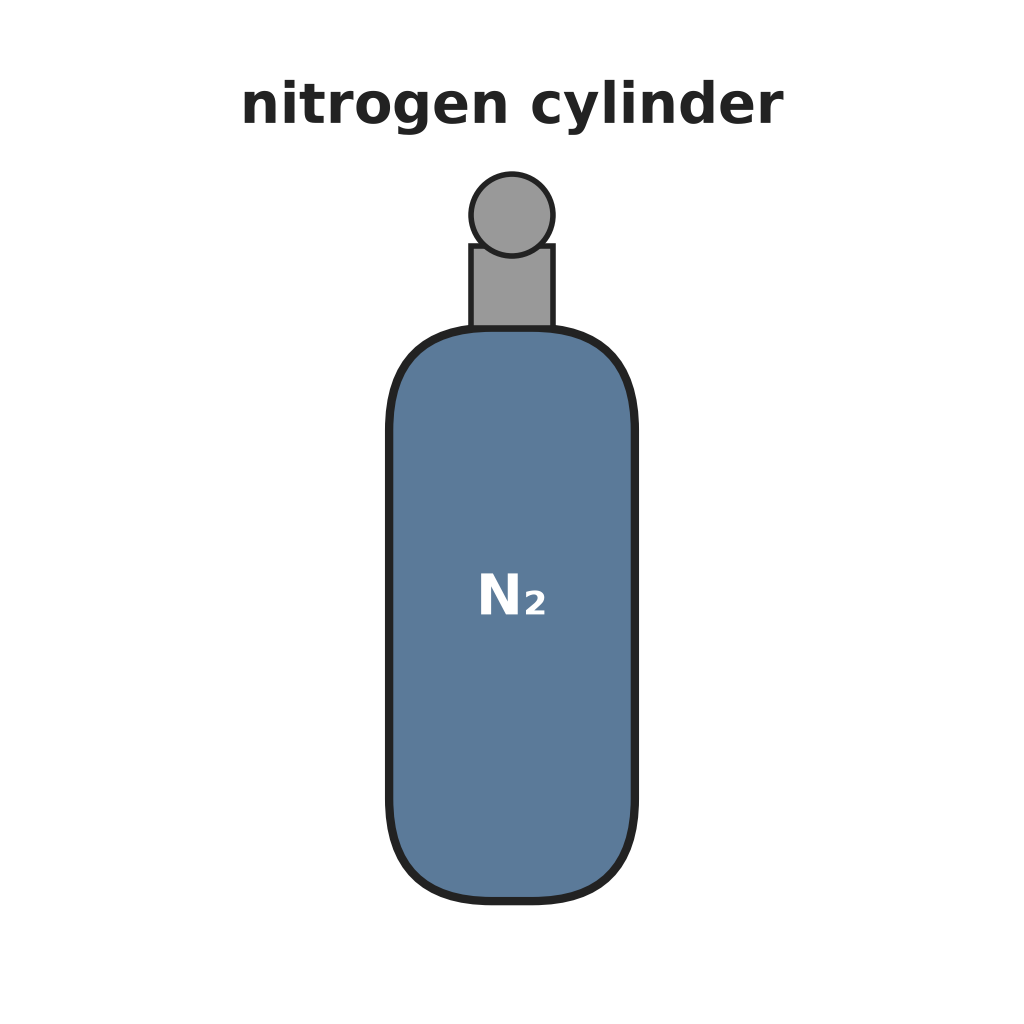 Butla z azotem
 Rękawice żaroodporne
 Gogle chemiczne
4
4
Test for cold-drawing
Test for cold-drawing
Pull a thread from the melt with a rod and let it cool. It is ready when the cold thread can be stretched to several times its length. The finished polymer melts at 254–255 °C.
Potrzebne narzędzia:
 Bagietka szklanaRękawice żaroodporne
5
5
Extrude and cut into chips
Extrude and cut into chips
Extrude the molten polymer, let it cool, and cut it into chips (pellets).
Potrzebne narzędzia:
 Wytłaczarka do tworzyw sztucznych
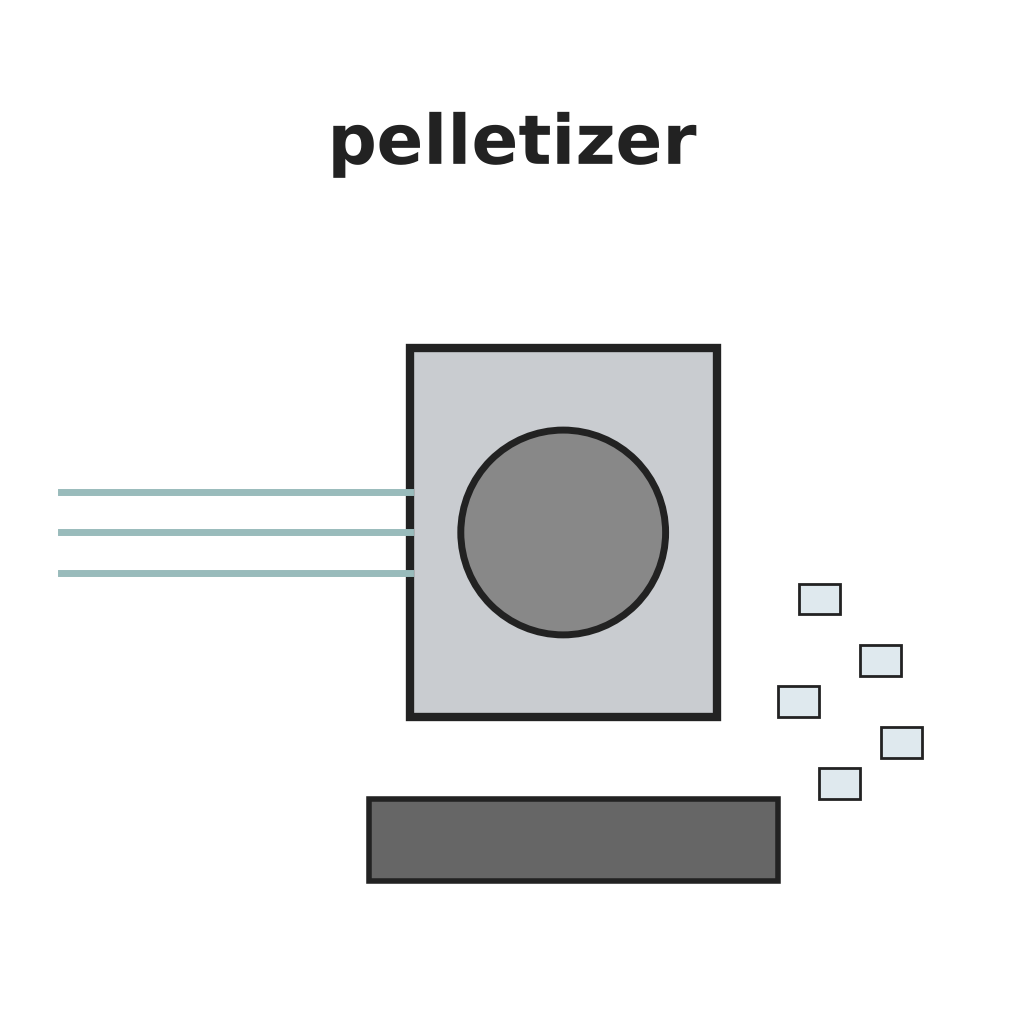 GranulatorRękawice żaroodporne
Materiały
2- 50 gZastępnik
- 89 gZastępnik
Wymagane narzędzia
15- Zastępnik
- Zastępnik
- Zastępnik
- Zastępnik
- Zastępnik
- Zastępnik
- Zastępnik
- 1 vendor sell this, none ship to you yetZastępnik
- Zastępnik
- Zastępnik
- Zastępnik
- Zastępnik
- Zastępnik
- Zastępnik
- Zastępnik
Według tego planu powstaje
Powiązane blueprinty
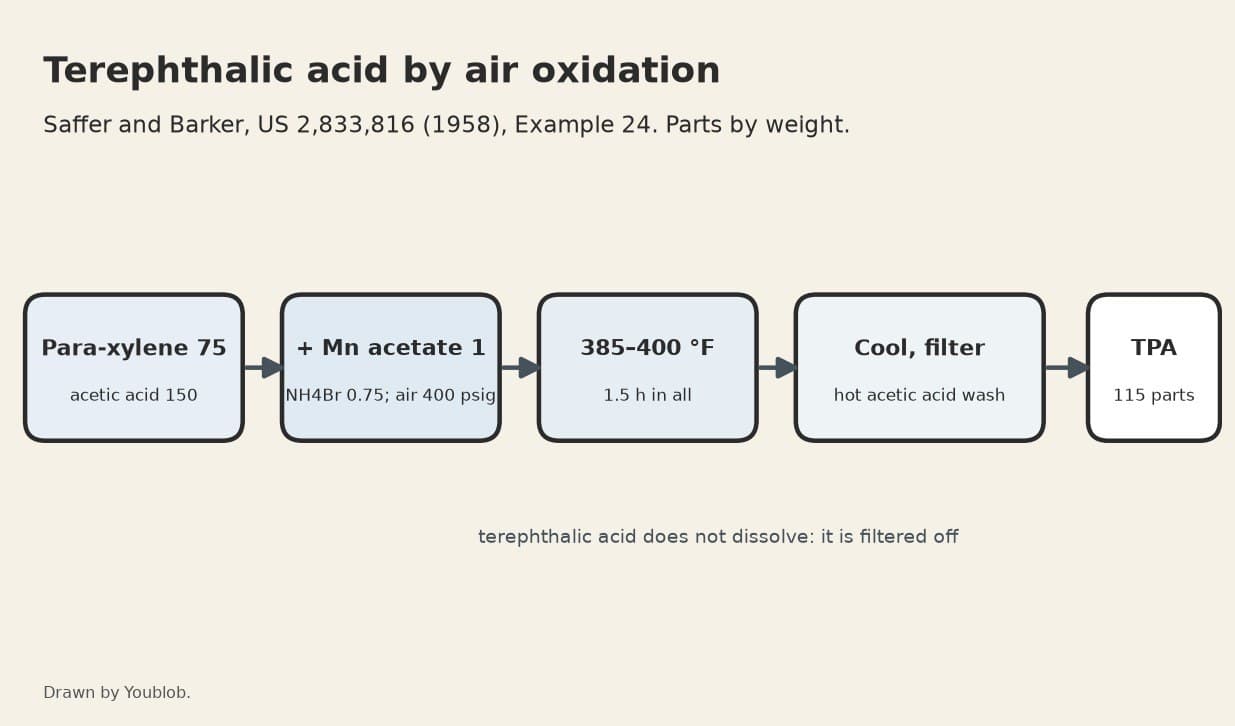
Te blueprinty dzielą się wiedzą — technikami, materiałami lub zasadami
CC0 Domena publiczna
Ten plan jest udostępniany na licencji CC0. Możesz go swobodnie kopiować, modyfikować, rozpowszechniać i wykorzystywać do dowolnych celów, bez konieczności uzyskiwania zgody.
Wesprzyj Makera kupując produkty przez jego plan, za co zarabia Prowizja Makera ustalony przez sprzedawców, lub stwórz nową iterację tego planu i dołącz go jako połączenie w swoim własnym planie, aby dzielić się przychodami.