SZTUKA
Piękno i dobre samopoczucie
RZEMIOSŁO
KULTURA I HISTORIA
ROZRYWKA
ŚRODOWISKO
JEDZENIE I NAPOJE
INŻYNIERIA ODWROTNA
NAUKI
LEKKOATLETYKA
TECHNOLOGIA
URZĄDZENIA DO NOSZENIA
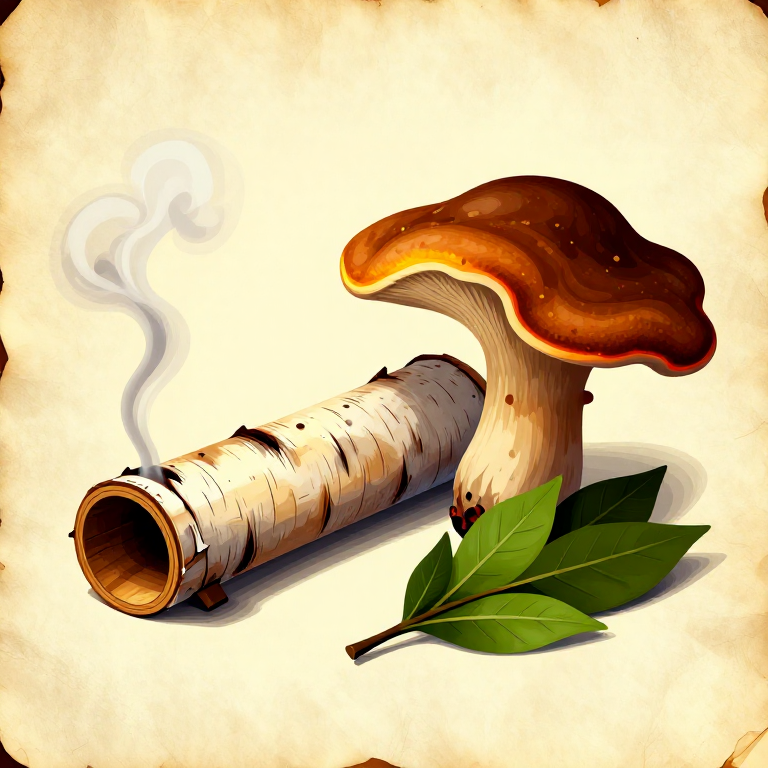


Carrying Fire on the Move — Ember Transport Methods for Nomadic Peoples
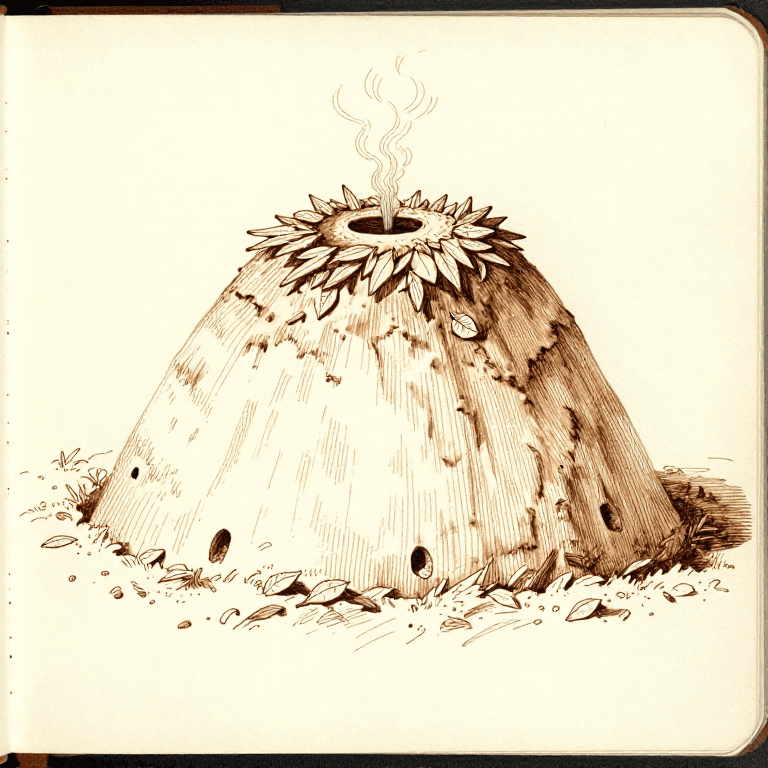
For nomadic and semi-nomadic peoples throughout prehistory, fire was the single most critical resource to maintain. Starting a fire from scratch — whether by friction (bow drill, hand drill) or percussion (flint on pyrite) — requires dry tinder, considerable effort, and favourable weather conditions. In wet, cold, or windy environments, fire-starting can be impossible. The practical solution, documented ethnographically across every continent, was to carry fire: transporting a live ember or smouldering material during travel so that a full fire could be quickly rekindled at the next camp. Three primary methods evolved independently worldwide. First, the ember-in-bark-bundle: a glowing coal wrapped in layers of green leaves and bark that insulates heat while the moisture in the green material prevents the bundle from igniting. Second, the slow match: a piece of bracket fungus (Fomes fomentarius, also called the tinder fungus or hoof fungus) that smoulders at an extremely slow rate — a fist-sized piece can maintain a glowing ember for 8 to 12 hours without reigniting into flame. Third, the bark tube carrier: a section of rolled bark packed with dry punk wood (soft, rotted wood that smoulders rather than flames) with a live coal embedded in the centre. This blueprint teaches all three methods, their advantages, limitations, and the practical knowledge needed to keep fire alive during travel in rain, wind, and cold.
Początkujący
30-60 minutes
Instrukcje
1
1
Prepare an Ember from the Campfire
Prepare an Ember from the Campfire
Select a well-established coal from the fire — not a piece still actively flaming, but a dense, glowing ember that has burned past the volatile gas stage. Hardwood coals are far superior to softwood: an oak or birch coal maintains heat for much longer than pine or spruce, which burn fast and crumble to ash quickly. The ideal ember is roughly walnut-sized (3 to 4 cm across), glowing a uniform dull red, and structurally solid when prodded with a stick. If it crumbles at a touch, it is too far consumed to survive transport.
2
2
Method One: Ember-in-Bark Bundle
Method One: Ember-in-Bark Bundle
Take a piece of thick, fresh birch bark approximately 30 by 30 cm. Lay several layers of green (living) leaves on the bark — broad leaves like maple, hazel, or dock work best. The green leaves serve as a moisture barrier that prevents the bark from catching fire while conducting enough heat to keep the ember alive. Place the glowing ember in the centre of the leaf bed. Fold the bark around the ember loosely, creating an envelope with the green leaves separating the coal from the bark on all sides. Leave a small gap or opening at one end for minimal airflow — the ember needs trace amounts of oxygen to continue smouldering but must not receive enough to reignite.
Materiały do tego kroku:
 Birch Bark1 arkusz
3
3
Secure the Bark Bundle
Secure the Bark Bundle
Tie the folded bark bundle closed with a strip of inner bark, flexible root, or cordage. The bundle should be firm enough that the ember does not shift around inside during walking but not so tight that all airflow is cut off. A well-wrapped ember bundle maintains a viable coal for 2 to 4 hours depending on conditions. In cold weather the coal fades faster because the surrounding air absorbs heat more quickly; in calm, mild conditions it can last up to 6 hours. Check the bundle periodically by feeling for warmth through the bark — if the exterior is no longer warm, the ember may have died and needs rekindling before you lose it entirely.
4
4
Method Two: Bracket Fungus Slow Match
Method Two: Bracket Fungus Slow Match
Locate bracket fungus (Fomes fomentarius) growing on dead or dying birch, beech, or other hardwood trees. This hoof-shaped fungus has a hard, woody exterior and a dense, fibrous interior called the trama layer. Cut the fungus from the tree and slice it in half to expose the trama. The trama layer — the brown, felt-like inner tissue — is the material that smoulders. Light the exposed trama surface by pressing a glowing ember directly against it and blowing gently until the trama catches and begins to glow. Once ignited, the fungus smoulders extremely slowly: a piece the size of a fist (approximately 8 to 10 cm across) can maintain a creeping ember for 8 to 12 hours.
Potrzebne narzędzia:
 Flint Knife
5
5
Carry the Smouldering Fungus
Carry the Smouldering Fungus
The smouldering bracket fungus can be carried directly in the hand, hung from the belt in a bark pouch, or tucked into a carrying bag with adequate ventilation. The exterior of the fungus remains cool enough to handle — only the exposed trama surface glows, and the dense fungal body insulates the heat. In light rain, the hard exterior shell protects the smouldering interior from moisture. In heavy rain, shelter the fungus inside a bark wrap or under a hide flap. To verify the fungus is still alive, blow on the glowing face — it should brighten to a visible glow. If it has gone out, the greyish-white ash on the surface can sometimes be reignited by vigorous blowing if the interior is still warm.
6
6
Method Three: Bark Tube Fire Carrier
Method Three: Bark Tube Fire Carrier
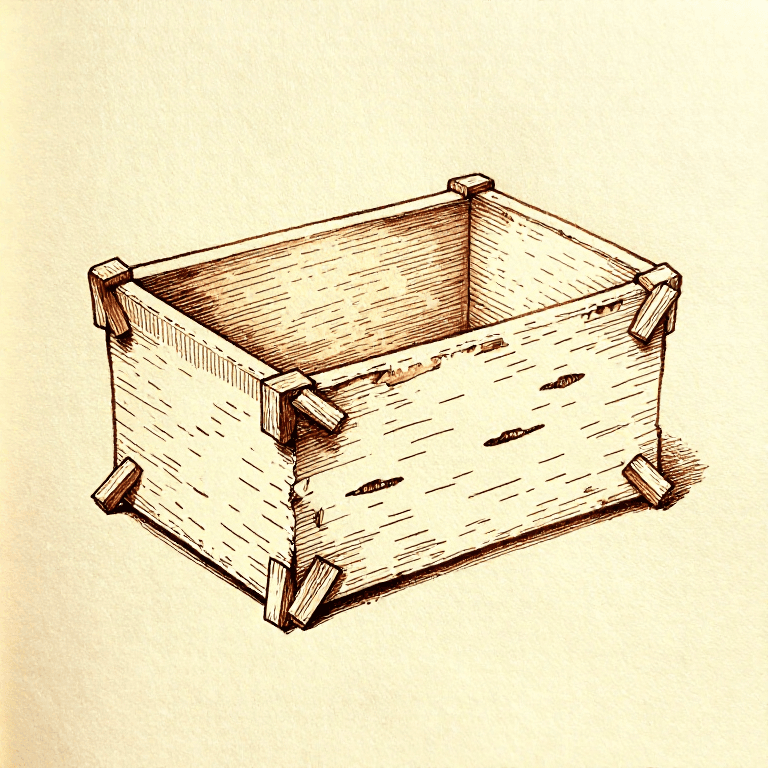
Roll a piece of thick birch bark or elm bark into a tube approximately 25 to 30 cm long and 6 to 8 cm in diameter. Tie the tube at three points along its length to hold the cylindrical shape. Pack the bottom third of the tube loosely with dry punk wood — soft, rotted wood that crumbles easily and smoulders rather than flames. Punk wood from dead birch, willow, or poplar works well. The punk should be loosely packed, not compressed, to allow air circulation between the fibres.
Materiały do tego kroku:
Birch Bark1 arkuszPotrzebne narzędzia:
Flint Knife7
7
Insert the Ember into the Bark Tube
Insert the Ember into the Bark Tube
Place a glowing ember on top of the punk wood layer inside the tube. Add another loose layer of punk wood on top of the ember, filling the tube to about two-thirds full. Leave the top third empty for airflow. The ember smoulders into the surrounding punk wood gradually, consuming it at a slow, steady rate. As the punk below the ember turns to ash, the ember slowly descends through the tube. A well-packed bark tube carrier can maintain a transportable fire source for 4 to 8 hours, depending on the density of the punk wood and the airflow.
8
8
Manage Airflow During Transport
Manage Airflow During Transport
The bark tube carrier must be carried upright or at a gentle angle with the open end facing up. This allows just enough natural convection (warm air rising out of the tube, drawing a tiny draft of fresh air from any gaps at the bottom) to keep the ember alive. If the tube is laid on its side, airflow stalls and the ember suffocates. If the tube is pointed directly into the wind, excessive airflow fans the ember into active combustion that consumes the punk wood too quickly. In windy conditions, plug the top loosely with a wad of green grass to reduce airflow without sealing it completely.
9
9
Rekindle a Full Fire from the Transported Ember
Rekindle a Full Fire from the Transported Ember
When ready to make camp, prepare a fire lay: a nest of fine, dry tinder (shredded bark, dried grass, cattail fluff) surrounded by progressively larger kindling. Transfer the transported ember — whether from a bark bundle, fungus slow match, or bark tube — into the centre of the tinder nest. Blow gently and steadily on the ember to increase its heat until the surrounding tinder catches. Once flame appears, feed it with small kindling, then larger fuel. The entire rekindling process from carried ember to established fire takes 2 to 5 minutes — dramatically faster and more reliable than starting a fire from scratch.
10
10
Rain and Wet Weather Strategies
Rain and Wet Weather Strategies
Rain is the greatest threat to transported fire. The bark bundle and bark tube methods are inherently vulnerable because moisture conducts heat away from the ember and dampens the punk wood or leaf insulation. The bracket fungus slow match is the most rain-resistant method because its hard exterior shell sheds water and its dense trama smoulders even when the surface is slightly damp. In sustained rain, carry the fire source under a hide cloak or inside a waterproof bark container. Many nomadic cultures carried multiple fire sources simultaneously as insurance — if one died, another was still viable. Keeping two fungus slow matches going was the most common redundancy strategy.
Materiały
1- 1 arkuszZastępnik
Wymagane narzędzia
1- Zastępnik
Materiały z połączonych planów
Powiązane blueprinty
Te blueprinty dzielą się wiedzą — technikami, materiałami lub zasadami

CC0 Domena publiczna
Ten plan jest udostępniany na licencji CC0. Możesz go swobodnie kopiować, modyfikować, rozpowszechniać i wykorzystywać do dowolnych celów, bez konieczności uzyskiwania zgody.
Wesprzyj Makera kupując produkty przez jego plan, za co zarabia Prowizja Makera ustalony przez sprzedawców, lub stwórz nową iterację tego planu i dołącz go jako połączenie w swoim własnym planie, aby dzielić się przychodami.