SZTUKA
Piękno i dobre samopoczucie
RZEMIOSŁO
KULTURA I HISTORIA
ROZRYWKA
ŚRODOWISKO
JEDZENIE I NAPOJE
INŻYNIERIA ODWROTNA
NAUKI
LEKKOATLETYKA
TECHNOLOGIA
URZĄDZENIA DO NOSZENIA
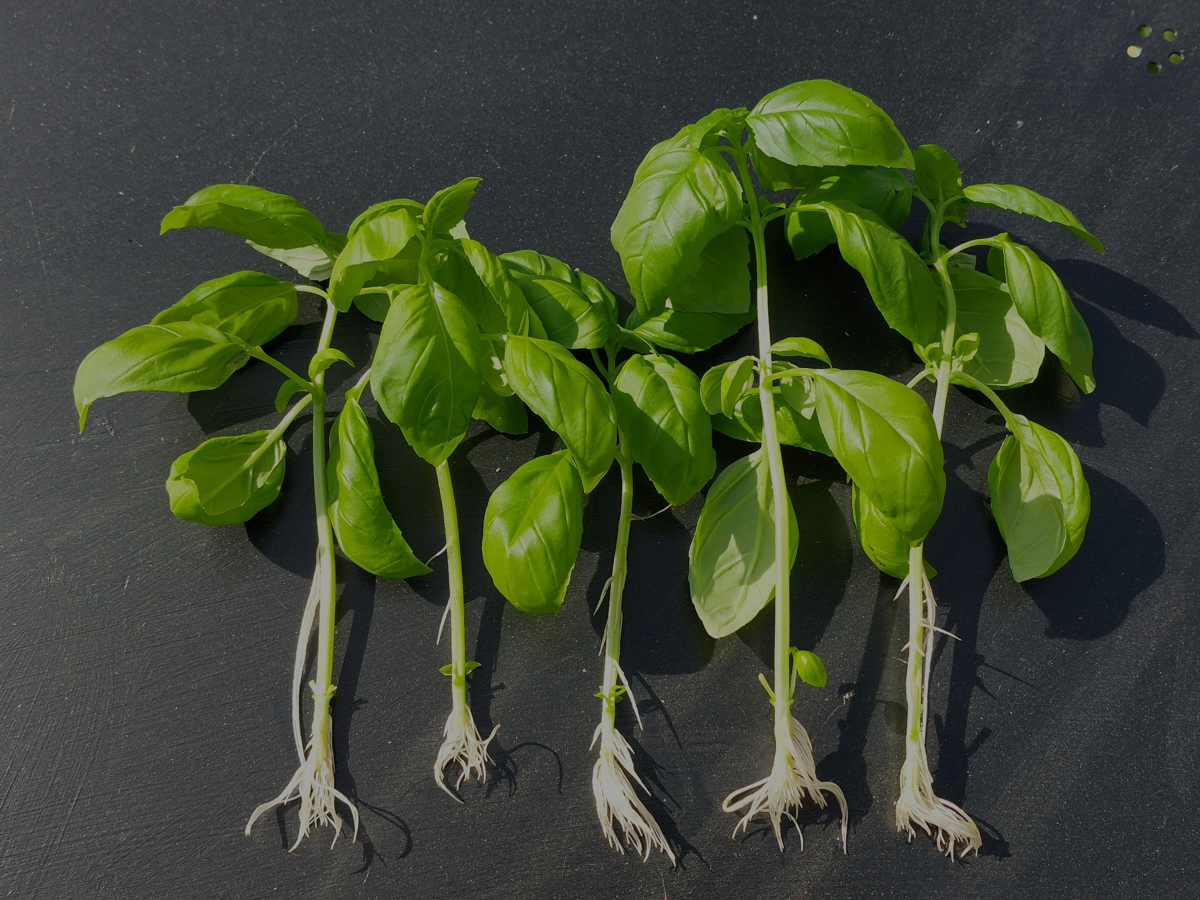
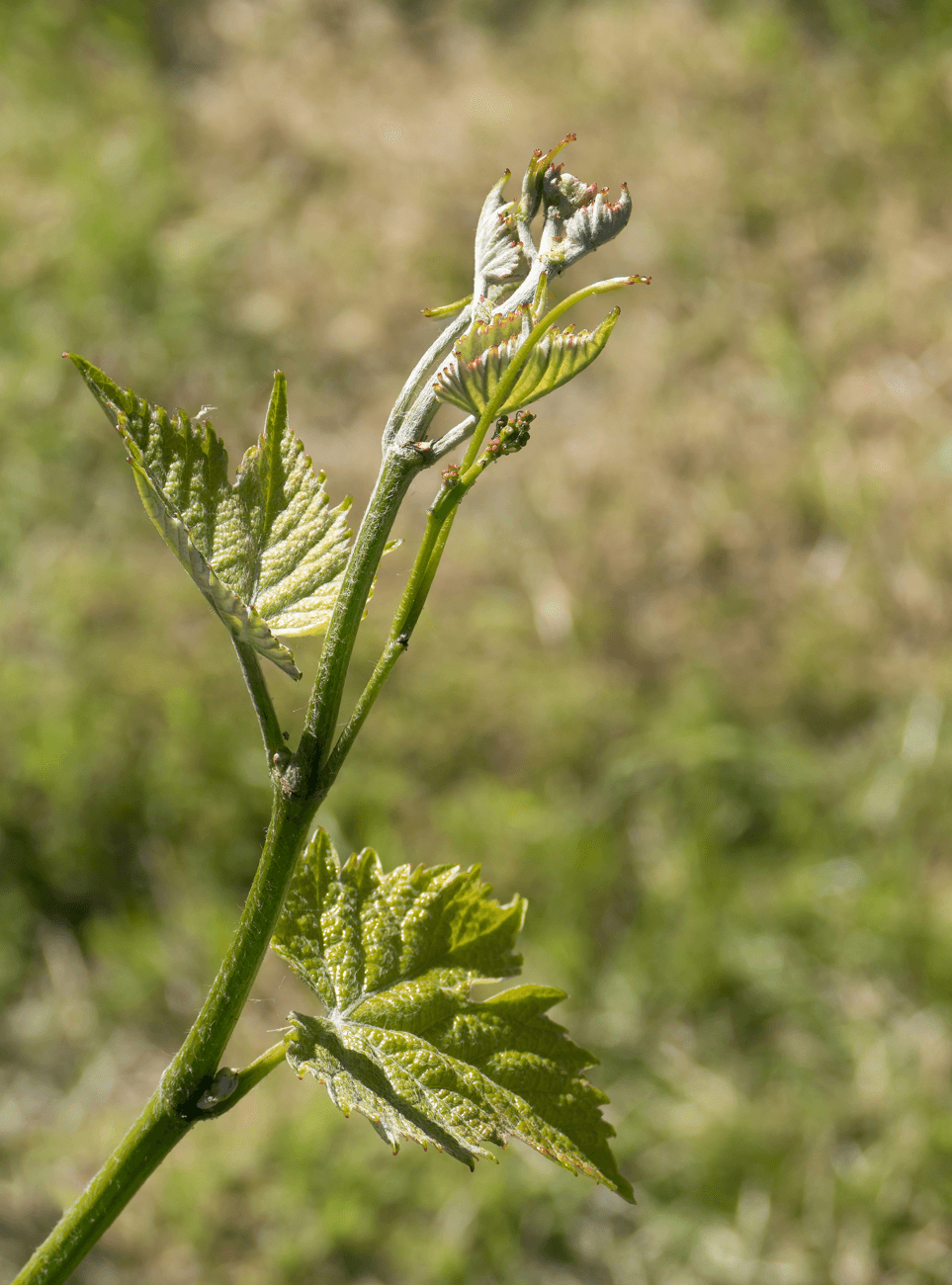
Schlaghecken Josef · CC BY-SA 4.0


Rooting Kitchen Herbs in Water — A Free Herb Garden from a Supermarket Bunch
One bought bunch of basil or mint can become a windowsill of free plants. Snip healthy stems, stand them in a glass of water, and in a week or two they grow roots — pot them up and you have your own herbs forever. A buildable school project in the softwood cutting, done the simplest way there is.
Początkujący
One to two weeks to root
Instrukcje
1
1
A bunch of herbs is a bag of cuttings
A bunch of herbs is a bag of cuttings
Soft-stemmed herbs like basil and mint root so easily that a bunch bought to cook with is really a bundle of ready-made cuttings. Put a few stems in water and they grow roots; pot them up and you never need to buy that herb again.
2
2
Choose healthy stems
Choose healthy stems
Pick fresh, firm, non-flowering stems about 10 cm long from a bunch of basil, mint, oregano or similar. Cut each cleanly JUST BELOW a node — the little joint where leaves attach — because that is where roots form most readily.
Materiały do tego kroku:
 Bazylia1 bunch
Potrzebne narzędzia:
 Sekator
3
3
Strip the lower leaves
Strip the lower leaves
Pull the leaves off the bottom half of each stem, so no leaves will sit under the water (submerged leaves rot and foul it) and a bare node or two will be down where the roots should grow. Leave a few leaves at the top.
4
4
Stand them in water
Stand them in water
Put the stems in a glass of water on a bright windowsill out of scorching midday sun. Change the water every couple of days to keep it clear and oxygenated. In one to two weeks you'll see white roots growing from the submerged nodes — basil and mint are among the fastest.
Materiały do tego kroku:
 Słoiki szklane z pokrywkami1 sztuka
5
5
Pot up your new plants
Pot up your new plants
Once a stem has a good handful of roots a few centimetres long, pot it into compost, water it in, and keep it out of harsh sun for a few days while it settles. Pinch out the tips as it grows to make it bushy — and take more cuttings from your new plants to make even more.
Materiały do tego kroku:
 Ziemia doniczkowa1 bag
 Etykiety samoprzylepne1 arkusz
6
6
Compendium — the easiest cutting of all
Compendium — the easiest cutting of all
Rooting a herb in a glass is just a stem CUTTING taken to its simplest: a piece of soft green stem, given warmth and moisture, grows brand-new ADVENTITIOUS roots from the cells around a node, driven by the plant's own rooting hormone (auxin) which pools there — the very same process as rooting a grapevine or any other cutting, only these tender herbs are so eager that plain water is enough and no rooting powder is needed. Because it is a cutting, the new plant is a genetic CLONE of the parent bunch — identical flavour and habit, true to type. The rules are the ones every cutting obeys: cut below a node (most root-forming cells are there), strip the lower leaves (a leafless node roots; a submerged leaf just rots), and keep a little leaf on top to power the stem while it works. Two cautions specific to the water method: change the water so it stays fresh and oxygenated (roots need to breathe, and stagnant water breeds rot), and don't leave the cutting in water too long once rooted, because roots grown in water are softer and adapt better to soil if potted promptly. Soft herbs — basil, mint, oregano, lemon balm, sage — root fastest; woodier ones like rosemary and thyme are slower and often prefer to root in gritty compost rather than water. It is the perfect first propagation to try: cheap, quick, visible through the glass, and it turns one shopping-trip herb into a permanent, self-renewing supply.
Materiały
5- 1 bunchZastępnik
- 1 sztukaZastępnik
- 1 bagZastępnik
- 1 arkuszZastępnik
- 1 sztukaZastępnik
Powiązane blueprinty
Te blueprinty dzielą się wiedzą — technikami, materiałami lub zasadami
CC0 Domena publiczna
Ten plan jest udostępniany na licencji CC0. Możesz go swobodnie kopiować, modyfikować, rozpowszechniać i wykorzystywać do dowolnych celów, bez konieczności uzyskiwania zgody.
Wesprzyj Makera kupując produkty przez jego plan, za co zarabia Prowizja Makera ustalony przez sprzedawców, lub stwórz nową iterację tego planu i dołącz go jako połączenie w swoim własnym planie, aby dzielić się przychodami.