SZTUKA
Piękno i dobre samopoczucie
RZEMIOSŁO
KULTURA I HISTORIA
ROZRYWKA
ŚRODOWISKO
JEDZENIE I NAPOJE
INŻYNIERIA ODWROTNA
NAUKI
LEKKOATLETYKA
TECHNOLOGIA
URZĄDZENIA DO NOSZENIA
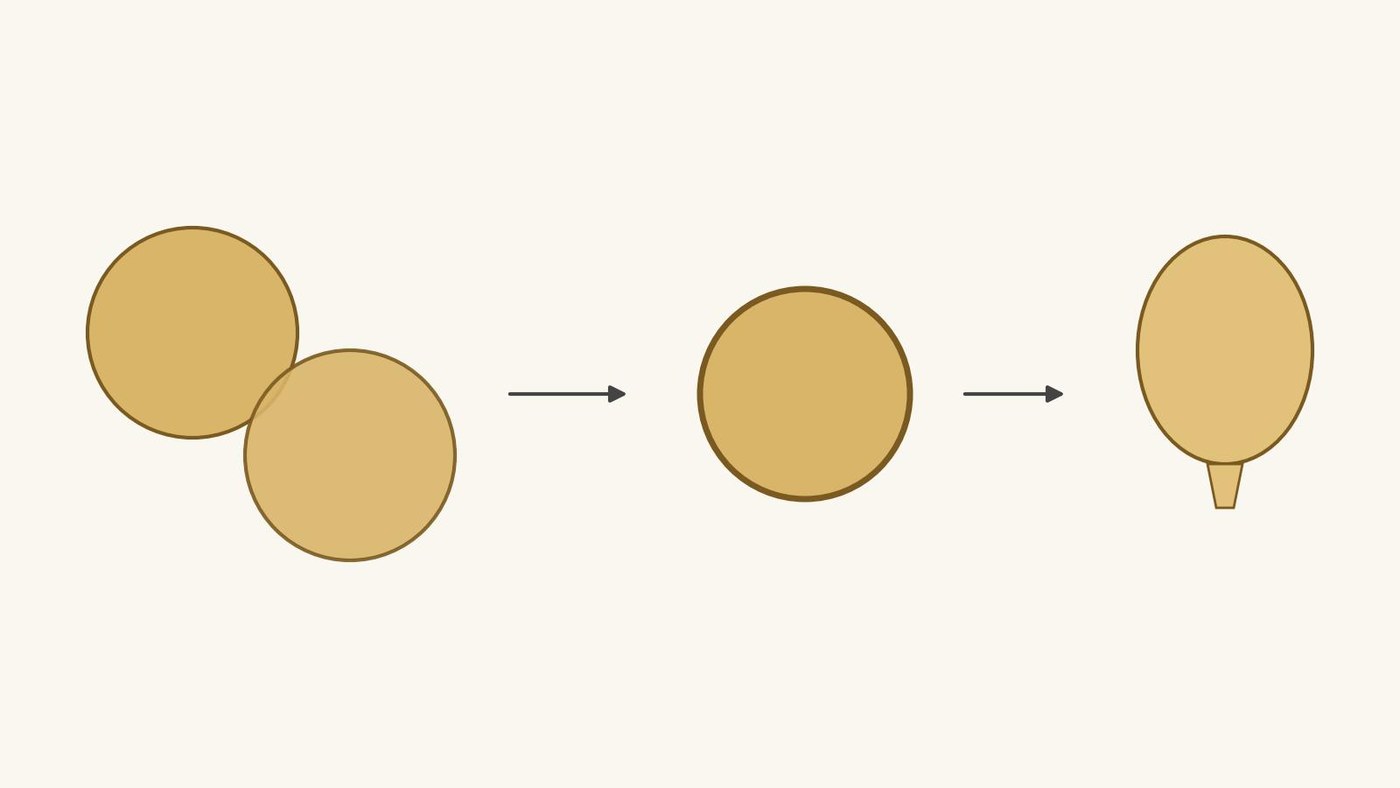


Rubber Balloons: Two Circles of Natural Rubber Sheet Pressed Together at the Edge
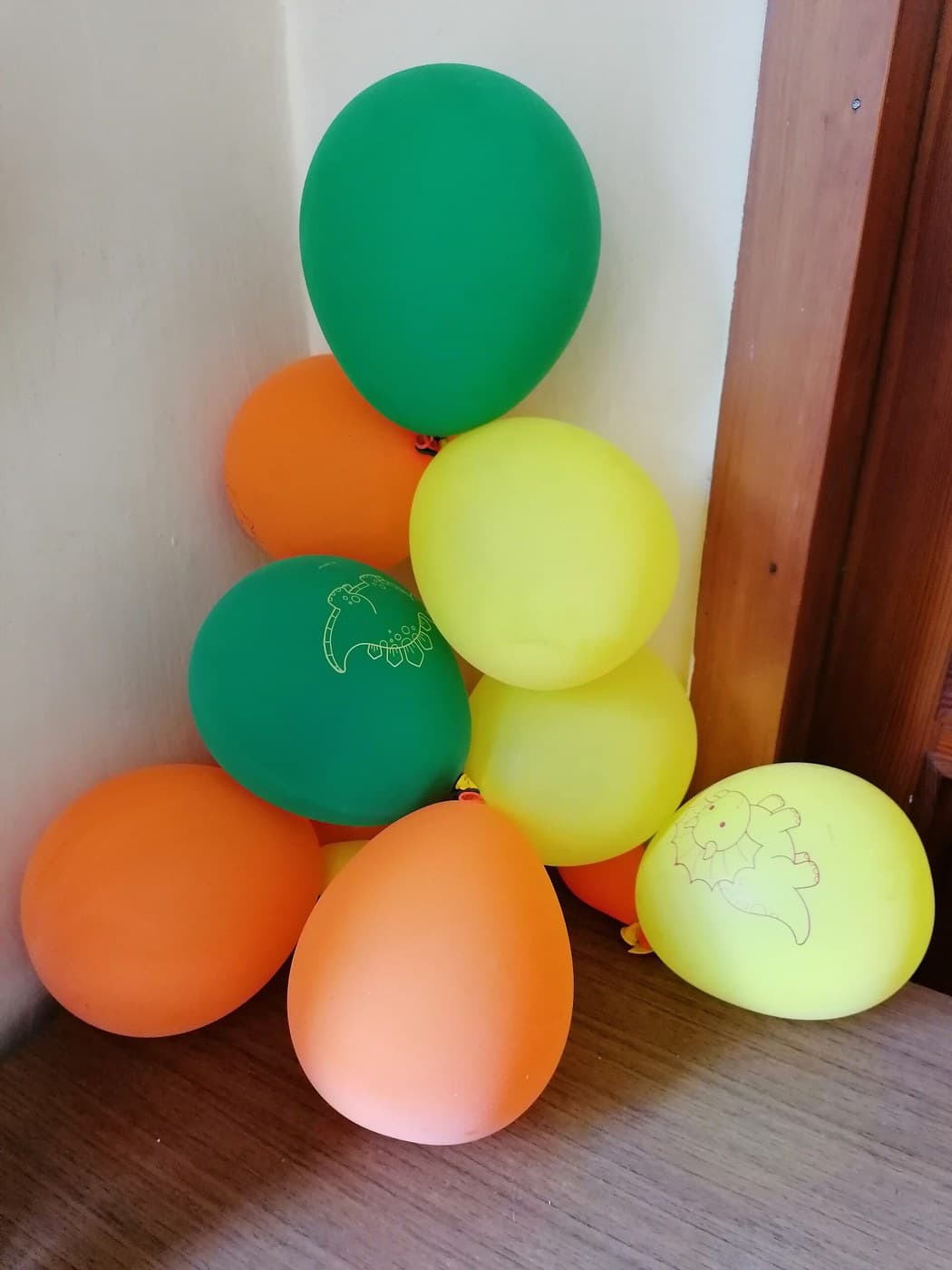
Michael Faraday made the first rubber balloon in 1824, and by 1825 Thomas Hancock sold them as two rubber circles to be joined by pressing their edges together. Cut two circles with a neck tab from thin natural rubber sheet, dust the inner faces, and press the fresh-cut edges hard together.
The picture: our diagram, two circles joined into a balloon.
Początkujący
Half an hour
Instrukcje
1
1
Cut the circles
Cut the circles
Draw a paper circle with a short neck tab, lay it on thin rubber sheet and cut two matching pieces.
Materiały do tego kroku:
 Płyta z kauczuku naturalnego0.05 m2
Potrzebne narzędzia:
 Papier
 Ołówek
 Nożyczki
2
2
Dust the insides
Dust the insides
Dust the inner face of each piece lightly with talc, keeping it off the outer edge.
Potrzebne narzędzia:
 Talk
3
3
Join the edges
Join the edges
Lay the two pieces together and press and rub the fresh-cut edges hard all round, leaving the neck open.
Potrzebne narzędzia:
Nożyczki4
4
Test
Test
Blow gently into the neck and listen for leaks; press any leaking edge again.
Potrzebne narzędzia:
Talk5
5
Circle size
Circle size
Wczytywanie notatnika Jupyter…
Materiały
1- 0.05 m2Zastępnik
Według tego planu powstaje
Powiązane blueprinty
Te blueprinty dzielą się wiedzą — technikami, materiałami lub zasadami


CC0 Domena publiczna
Ten plan jest udostępniany na licencji CC0. Możesz go swobodnie kopiować, modyfikować, rozpowszechniać i wykorzystywać do dowolnych celów, bez konieczności uzyskiwania zgody.
Wesprzyj Makera kupując produkty przez jego plan, za co zarabia Prowizja Makera ustalony przez sprzedawców, lub stwórz nową iterację tego planu i dołącz go jako połączenie w swoim własnym planie, aby dzielić się przychodami.