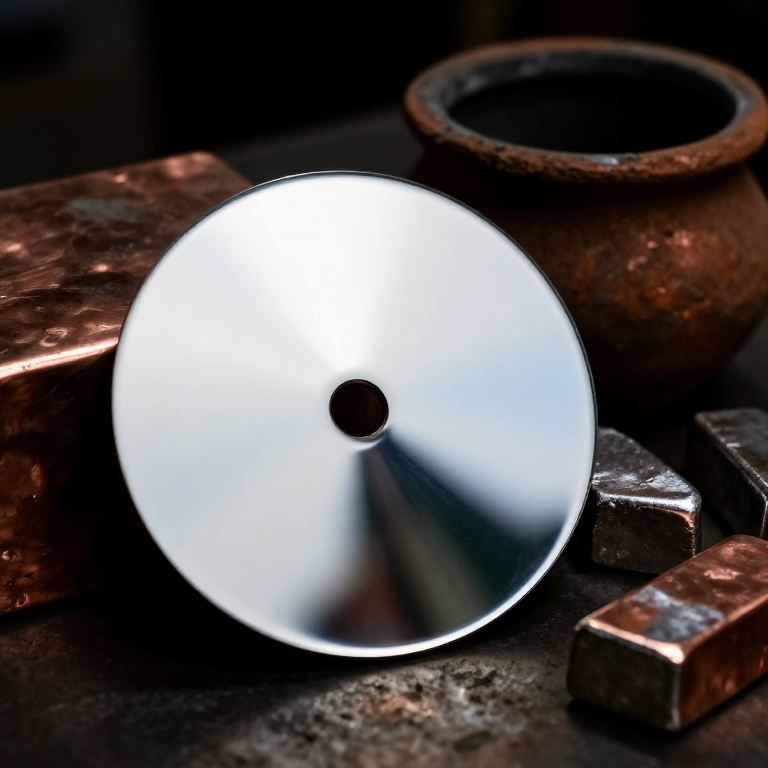


Casting and Grinding a Speculum Metal Telescope Mirror — Newton's Reflecting Alloy
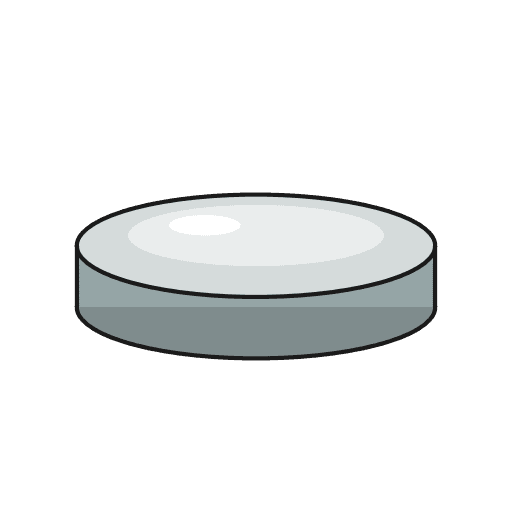
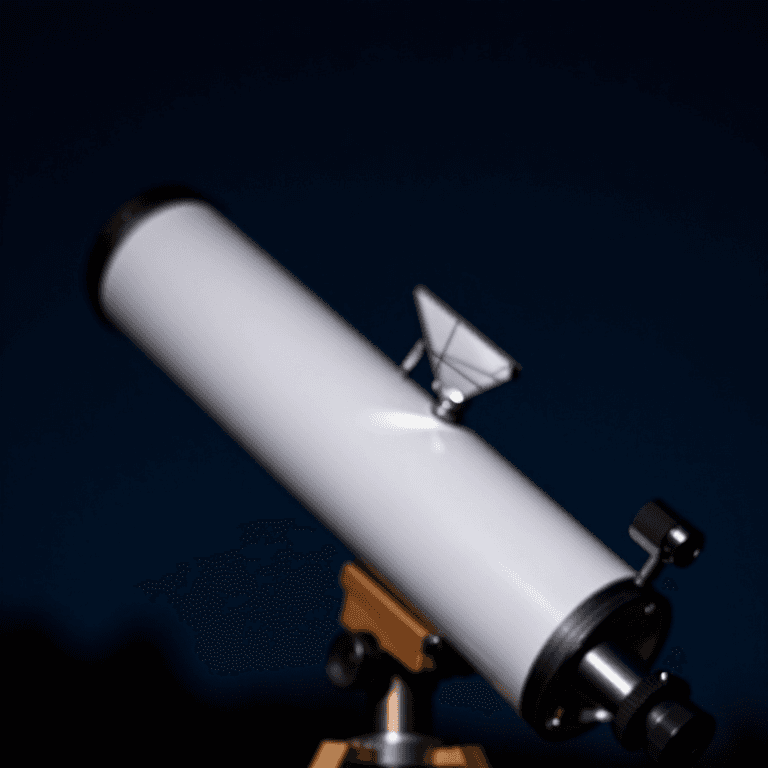
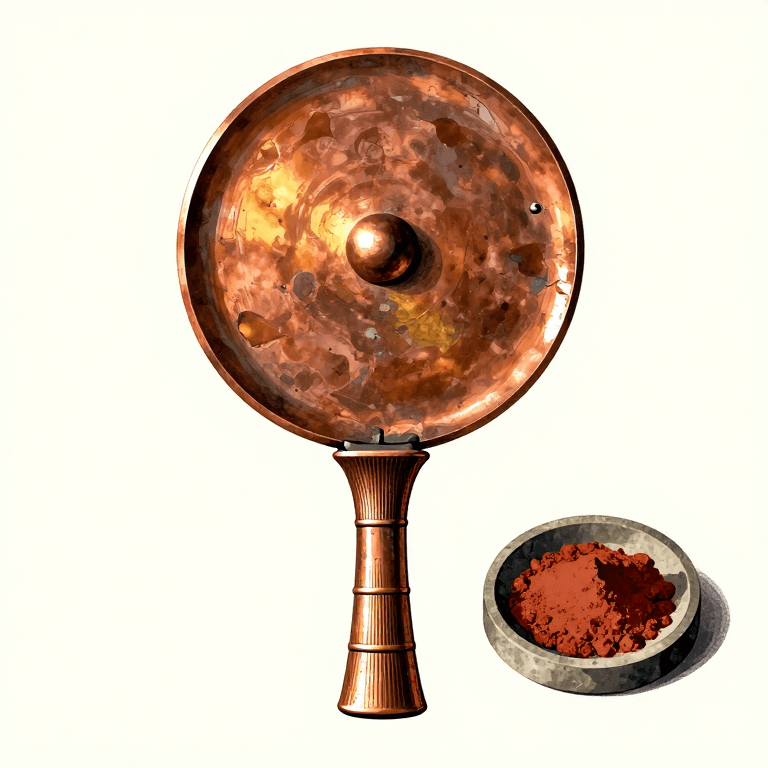
When Isaac Newton built his reflecting telescope in 1668, he needed a concave mirror to focus light — but silvered glass mirrors did not yet exist. Instead, he cast his mirror from speculum metal, a bronze alloy of approximately 68% copper and 32% tin that can be polished to a brilliant, highly reflective surface. Speculum metal had been known since antiquity — the Romans used it for hand mirrors (speculum is Latin for mirror) — but Newton was the first to grind it into a precise concave paraboloid for astronomical use. The alloy is hard, brittle, and takes a superb polish, but it tarnishes in air and must be periodically repolished. Every reflecting telescope before the 1850s used speculum metal mirrors, including William Herschel's great telescopes that discovered Uranus and mapped the Milky Way. This blueprint casts a speculum metal disc from copper and tin ingots, then grinds and polishes it into a concave mirror suitable for a Newtonian reflecting telescope.
Instrukcje
Understand speculum metal
Understand speculum metal
Weigh the copper and tin
Weigh the copper and tin
Materiały do tego kroku:
 Wlewek miedzi340 g
 Sztaba cyny160 g
Prepare the crucible and mould
Prepare the crucible and mould
Materiały do tego kroku:
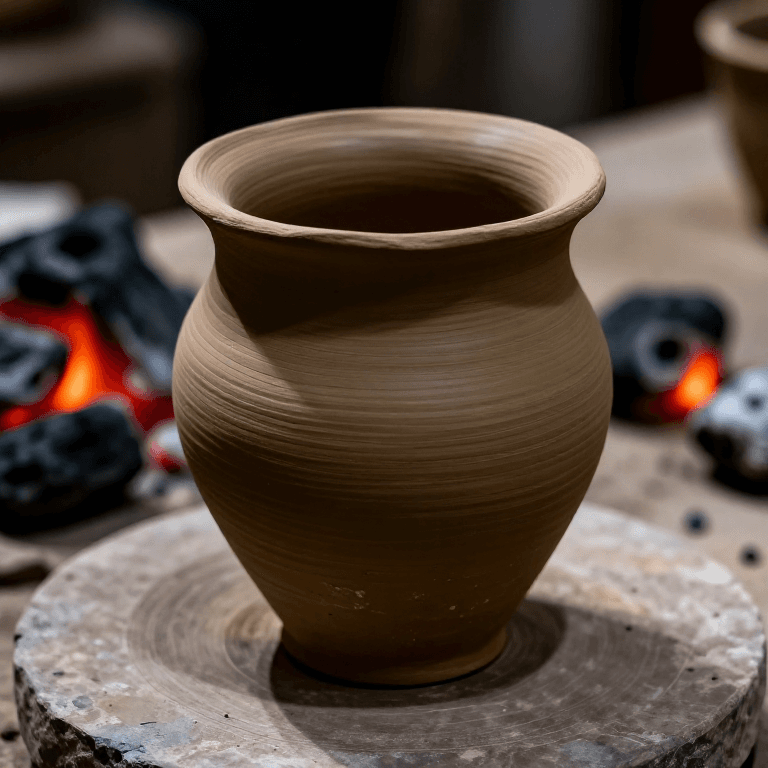
 Węgiel drzewny3 kg
Potrzebne narzędzia:
 Szczypce do tygla
 Głęboki tygiel gliniany
Melt the copper
Melt the copper
Add the tin and pour
Add the tin and pour
Potrzebne narzędzia:
Szczypce do tyglaAnneal the casting
Anneal the casting
Flatten one face on a lap
Flatten one face on a lap
Potrzebne narzędzia:
 Ścierniwo z węglika krzemu
Rough grind the concave curve
Rough grind the concave curve
Materiały do tego kroku:
 Tafla szklana1 sztuka
Potrzebne narzędzia:
Ścierniwo z węglika krzemuFine grind with progressively finer grits
Fine grind with progressively finer grits
Polish on a pitch lap
Polish on a pitch lap
Materiały do tego kroku:
 Klej ze smoły sosnowej100 g
 Tlenek cyny (tlenek cynowy)50 g
Potrzebne narzędzia:
 Pasta polerska
Test the mirror with a pinhole
Test the mirror with a pinhole
Protect the polished surface
Protect the polished surface
Materiały
6- 340 gZastępnik
- 160 gZastępnik
- 3 kgZastępnik
- 1 sztukaZastępnik
- Zastępnik
- Zastępnik
Wymagane narzędzia
4- Zastępnik
- Zastępnik
- Zastępnik
- Zastępnik
Materiały z połączonych planów
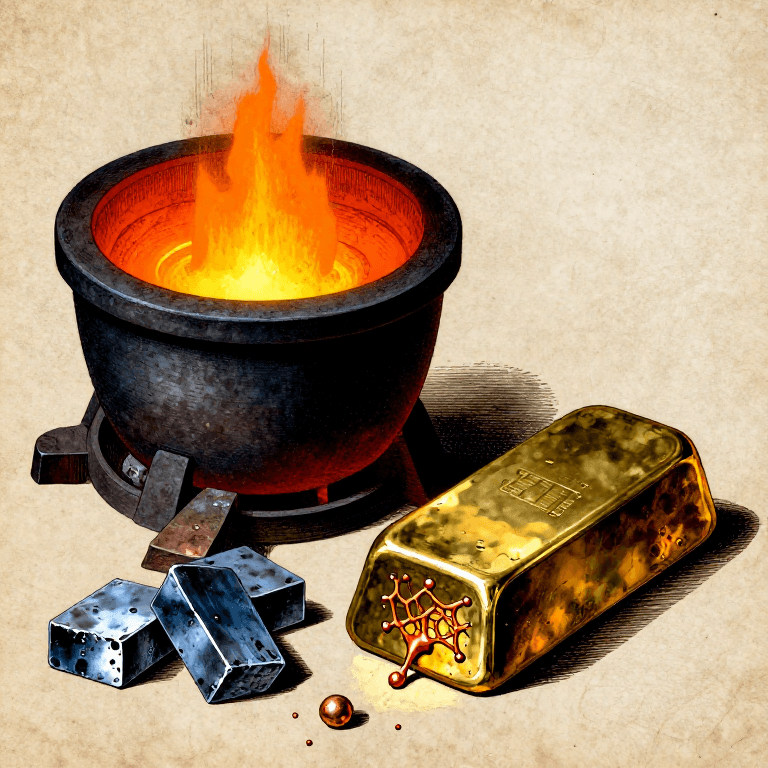

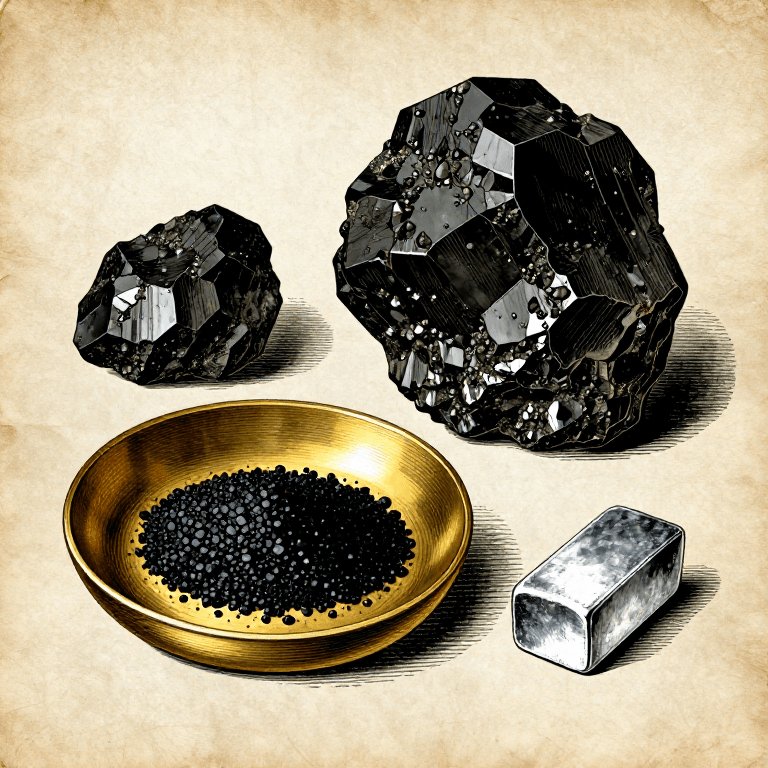

Według tego planu powstaje

Powiązane blueprinty
Te blueprinty dzielą się wiedzą — technikami, materiałami lub zasadami

CC0 Domena publiczna
Ten plan jest udostępniany na licencji CC0. Możesz go swobodnie kopiować, modyfikować, rozpowszechniać i wykorzystywać do dowolnych celów, bez konieczności uzyskiwania zgody.
Wesprzyj Makera kupując produkty przez jego plan, za co zarabia Prowizja Makera ustalony przez sprzedawców, lub stwórz nową iterację tego planu i dołącz go jako połączenie w swoim własnym planie, aby dzielić się przychodami.