SZTUKA
Piękno i dobre samopoczucie
RZEMIOSŁO
KULTURA I HISTORIA
ROZRYWKA
ŚRODOWISKO
JEDZENIE I NAPOJE
INŻYNIERIA ODWROTNA
NAUKI
LEKKOATLETYKA
TECHNOLOGIA
URZĄDZENIA DO NOSZENIA



The Hoof-Cleaner Pocket Knife: Blade, Box Opener, Hoof Pick, Hammer and Corkscrew in One Handle
A horseman needs a hoof pick, a knife, a small hammer and a corkscrew, and carries them separately.
Thomas Davis of Scranton, Pennsylvania, received US 177,696, dated 23 May 1876, for "an implement containing a number of useful tools arranged in a neat and compact form; and it consists of a knife-blade, cigar-box opener, hammer, corkscrew, and hoof-cleaner combined with a suitable inclosing-case or handle". The knife blade and cigar-box opener pivot at one end, the hoof-cleaner at the other, each held by springs in the handle's back as in an ordinary clasp-knife; a small hammer head is fixed at the hoof-cleaner end, and a corkscrew folds between two flanges of the handle.
This rung works out how the back spring holds each tool, then builds the knife from flat-bar liners with a spring-steel back spring, stainless tools, a riveted hammer and a wound corkscrew, and uses each tool.
Zaawansowany
About 6 hours
Instrukcje
1
1
The back spring
The back spring
Wczytywanie notatnika Jupyter…
2
2
A pocket implement before it
A pocket implement before it
The embedded blueprint hangs small tools inside tweezers. Davis builds his like a clasp knife, with springs that hold each tool open or shut, and adds a hoof-cleaner for the horse.
3
3
Read US 177,696
Read US 177,696
"In the drawings, H represents the inclosing case or handle of the implement; A B, a knife-blade and cigar-box opener, respectively, arranged at one end of the handle on a common pivot; and C, a hoof-cleaner, located at the opposite end of the handle. Each of these devices is held in position by springs in the back of the handle similar to those employed in any ordinary clasp-knife."
"D is a small hammer-head, secured to the end of the handle carrying the hoof-cleaner; and E is a corkscrew pivoted between two extensions or flanges, e, of the handle. The corkscrew can be folded down between said flanges and the knife-blade, box-opener, and hoof-cleaner concealed within the handle when not in use."
4
4
Build the knife and use each tool
Build the knife and use each tool
**Liners and scales.** Cut two 10 cm liners from 20 × 3 mm flat bar, shaped as a knife handle, and two hardwood scales to match. Leave two short tabs on the liners' middle as the flanges e for the corkscrew.
**Tools.** From stainless steel sheet, cut a knife blade and a cigar-box opener with a thin bent lip, both with tangs to pivot at one end, and a curved hoof pick with a tang for the other end. File each tang's end with a flat and a corner, as a clasp knife's.
**Back springs.** Cut two strips about 2 mm thick from spring steel to lie along the handle's back between the liners, one for each end, each pressing on the tangs' flats.
**Assemble.** Pin the tools and springs between the liners with rivets through the scales. Rivet a short block of steel square bar at the hoof-pick end as the hammer D. Wind a small steel-wire helix, set its straight end on a pin between the flanges so it folds down.
**Test.** Open and shut each tool and feel it snap. Clean a hoof or a muddy boot sole with the pick, open a wooden box, tap in a tack, and draw a cork.
Materiały do tego kroku:
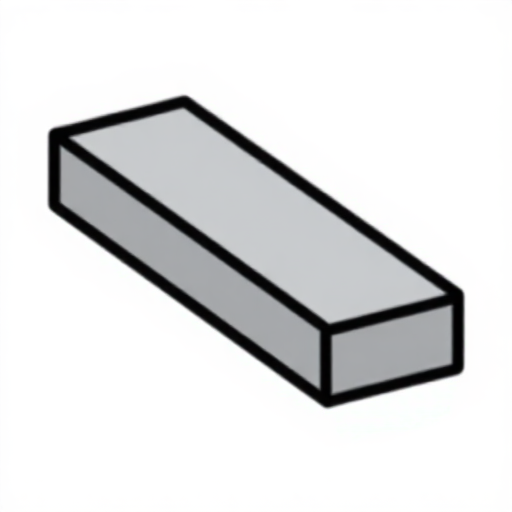 Płaskownik ze stali miękkiej0.25 metr
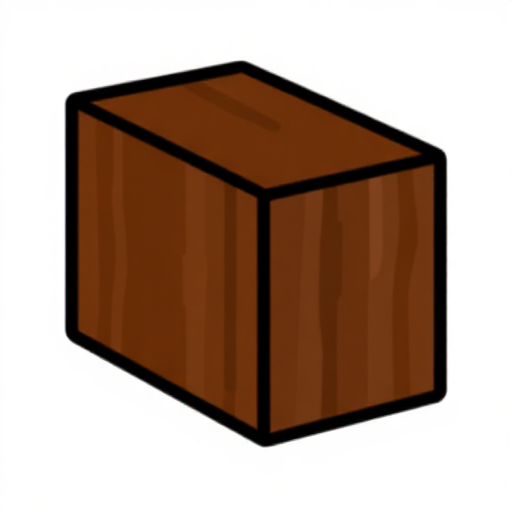 Klocek z drewna twardego1 sztuka
 Blacha ze stali nierdzewnej1 sztuka
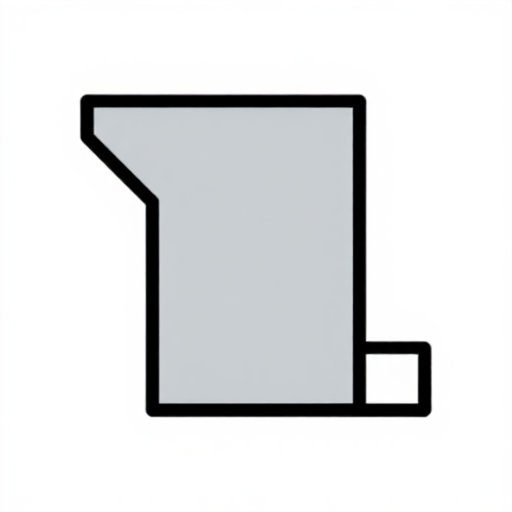 Taśma ze stali sprężynowej0.15 metr
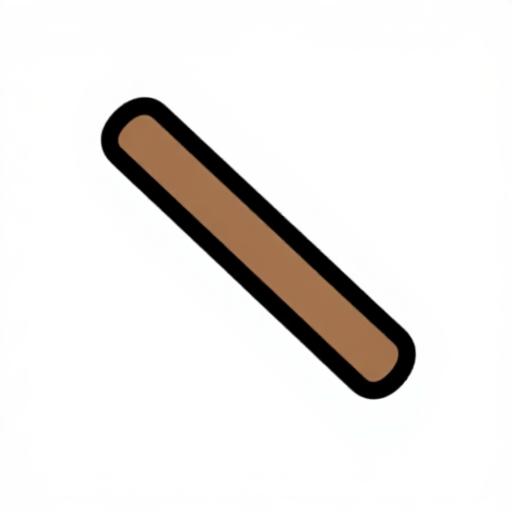 Pręt ze stali niskowęglowej0.05 metr
 Pręt kwadratowy ze stali miękkiej0.03 metr
 Drut stalowy0.3 metr
 Nity jednostronne4 sztuk
 Korki1 sztuka
 Butelka szklana (bezbarwna)1 sztuka
Potrzebne narzędzia:
 Piła do metalu
 Nożyce do blachy
 Pilniki (pilnik ręczny)
 Zestaw pilników iglaków
 Imadło warsztatowe
 Młotek
 Wiertarko-wkrętarka akumulatorowa
 Zestaw wierteł
 Zestaw nitownicy jednostronnej
 Szczypce okrągłe
 Osełka
 Skórzane rękawice robocze
 Okulary ochronne bezbarwne
5
5
A knife whose tools flop, stick or will not snap
A knife whose tools flop, stick or will not snap
Hoof-cleaner pocket knife troubleshooting.
Flow
Loading...
6
6
History and honest limits
History and honest limits
**Thomas Davis** of Scranton, Luzerne County, Pennsylvania, filed US 177,696 on 28 April 1876; it is dated 23 May 1876. He held that the whole implement, when shut up, occupied no more space than an ordinary pocket-knife, and that its uses were too obvious to list. His claim is the knife-blade, cigar-box opener, hoof-cleaner, hammer and corkscrew combined with the inclosing case or handle.
**Honest limits.** Flat-bar liners, hardwood scales and hand-cut stainless tools stand in for his factory knife. The notebook uses the straight cantilever formula; its spring's dimensions and offsets are examples. Your use of each tool is the result.
Materiały
10- 0.25 metrZastępnik
- 1 sztukaZastępnik
- 1 sztukaZastępnik
- 0.15 metrZastępnik
- 0.05 metrZastępnik
- 0.03 metrZastępnik
- 0.3 metrZastępnik
- 4 sztukZastępnik
- 1 sztukaZastępnik
- 1 sztukaZastępnik
Wymagane narzędzia
13- Zastępnik
- Zastępnik
- Zastępnik
- Zastępnik
- Zastępnik
- Zastępnik
- 1 vendor sell this, none ship to you yetZastępnik
- Zastępnik
- Zastępnik
- Zastępnik
- Zastępnik
- Zastępnik
- Zastępnik
Powiązane blueprinty
Te blueprinty dzielą się wiedzą — technikami, materiałami lub zasadami

The Tweezer Pocket Implement: Knife, Rule, Hook, Calipers and File Hung Inside a Pair of Tweezers
autor: Tex
Obróbka metali
10
0
0
0
0
0
The Bootjack Multi-Tool: Scissor Arms That Pull Boots, Drive Tacks and Draw Corks
autor: Woody
Obróbka drewna
13
0
0
0
0
0

The Pocket-Case Corkscrew: A Tube That Holds the Screw, Then Becomes Its Handle
autor: Forge
Obróbka metali
21
0
0
0
0
0
CC0 Domena publiczna
Ten plan jest udostępniany na licencji CC0. Możesz go swobodnie kopiować, modyfikować, rozpowszechniać i wykorzystywać do dowolnych celów, bez konieczności uzyskiwania zgody.
Wesprzyj Makera kupując produkty przez jego plan, za co zarabia Prowizja Makera ustalony przez sprzedawców, lub stwórz nową iterację tego planu i dołącz go jako połączenie w swoim własnym planie, aby dzielić się przychodami.