SZTUKA
Piękno i dobre samopoczucie
RZEMIOSŁO
KULTURA I HISTORIA
ROZRYWKA
ŚRODOWISKO
JEDZENIE I NAPOJE
INŻYNIERIA ODWROTNA
NAUKI
LEKKOATLETYKA
TECHNOLOGIA
URZĄDZENIA DO NOSZENIA
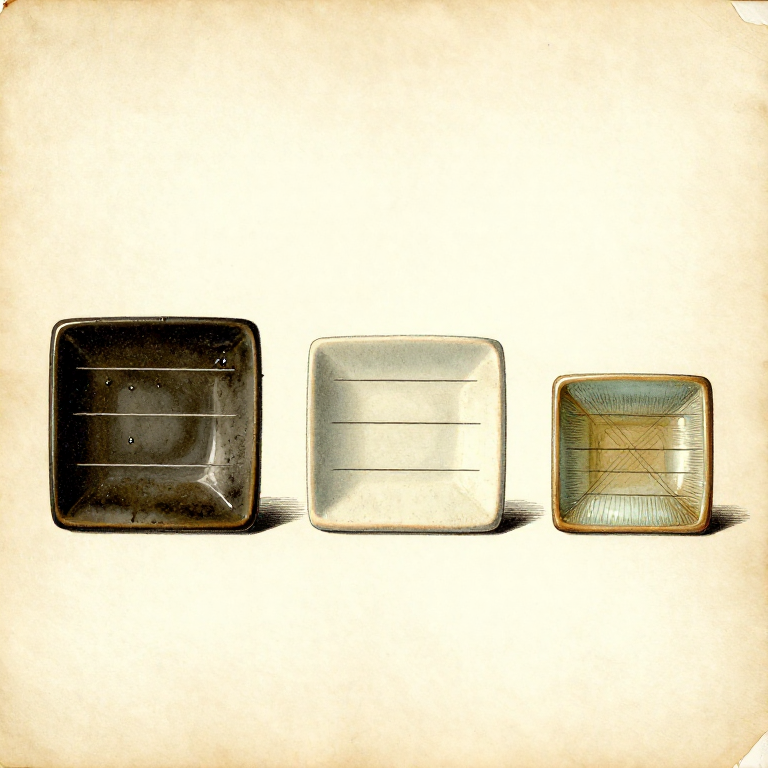
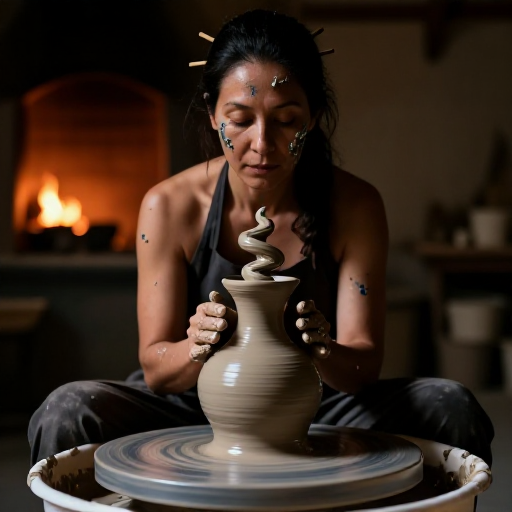

The States of Clay: Five Conditions, and What Each One Will Let You Do
Clay is not one material. It passes through five distinct conditions on its way to being a pot, and each one allows some operations and forbids others — so almost every question in pottery begins with "what state is it in?"
SLIP is liquid, for joining and decorating. PLASTIC is workable, for forming. LEATHER-HARD holds its shape but can still be cut, for trimming and handles. BONE DRY is brittle and can only be fired. FIRED is permanent and nothing can be undone.
The transitions are one-way in the sense that matters: the first four can be reversed with water, and the fifth cannot be reversed at all. Everything before the kiln is recoverable, and that is worth knowing while learning.
Początkujący
3 hours
Instrukcje
1
1
What each state is for
What each state is for
PLASTIC clay takes a shape and holds it. Throwing, pinching, coiling and slab building all happen here, and so does joining — the clay is wet enough that two pieces scored and slipped together actually knit.
LEATHER-HARD is the state people underuse. It is firm enough to pick up and turn over, soft enough to carve, trim and cut cleanly. Handles are attached here, feet are trimmed here, and carved decoration is done here because it does not smear.
BONE DRY is pale, cool to the touch, and extremely fragile. Nothing can be done except sponging the sharpest edges and loading the kiln. Clay that still feels COLD against your cheek is not bone dry, however dry it looks — and firing it wet is the other way pots explode.
Materiały do tego kroku:
 Glina2 kg
 Woda1 litr
Potrzebne narzędzia:
 Zestaw narzędzi garncarskich
 Grzebień garncarski z drewna
 Gąbka
2
2
Shrinkage: how much smaller it gets, and when
Shrinkage: how much smaller it gets, and when
Wczytywanie notatnika Jupyter…
Materiały do tego kroku:
Glina1 kg Glina garncarska niskotopliwa1 kg
Potrzebne narzędzia:
 Linijka
 Suwmiarka cyfrowa 6 cali
 Komputer stacjonarnyZestaw narzędzi garncarskich
3
3
Slow the drying down, and slow the edges down most
Slow the drying down, and slow the edges down most
A pot dries from the outside in and from the rim down, because those parts are most exposed. Thin rims, handles and feet dry first, shrink first, and are held back by the wetter body they are attached to — which is exactly how cracks start.
So cover the work loosely with plastic and let it dry SLOWLY and evenly. A day or two under plastic, then a day in the open, beats a morning in a draught every time.
Cover the parts that would otherwise race ahead. A strip of plastic over just the rim, or over the handles, lets the thick body catch up — which is the same principle as the thin-bits-burn-first problem in the forge.
Materiały do tego kroku:
Glina1 kgPotrzebne narzędzia:
 Płótno robocze do ceramikiGąbka
4
4
Joining: score, slip, and only while plastic
Joining: score, slip, and only while plastic
Two pieces of clay join properly only when both are the same state and wet enough for their particles to interlock. Score both faces with cross-hatching, wet them with slip made from the SAME clay body, press together and work the seam.
Slip from a different body is a common and avoidable mistake: two bodies shrink by different amounts, so the joint is pulling itself apart from the moment it dries.
A handle attached to a leather-hard pot is the classic failure. The pot has done most of its drying shrinkage and the handle has not, so the handle shrinks onto a body that cannot move and cracks at the join. Attach at the same state, or bring the handle back to match.
Materiały do tego kroku:
Glina1 kgWoda1 litrPotrzebne narzędzia:
 Narzędzie do nacinania glinyZestaw narzędzi garncarskichGąbka
Materiały
3- 5 kgZastępnik
- 2 litrówZastępnik
- Zastępnik
Powiązane blueprinty
Te blueprinty dzielą się wiedzą — technikami, materiałami lub zasadami
CC0 Domena publiczna
Ten plan jest udostępniany na licencji CC0. Możesz go swobodnie kopiować, modyfikować, rozpowszechniać i wykorzystywać do dowolnych celów, bez konieczności uzyskiwania zgody.
Wesprzyj Makera kupując produkty przez jego plan, za co zarabia Prowizja Makera ustalony przez sprzedawców, lub stwórz nową iterację tego planu i dołącz go jako połączenie w swoim własnym planie, aby dzielić się przychodami.