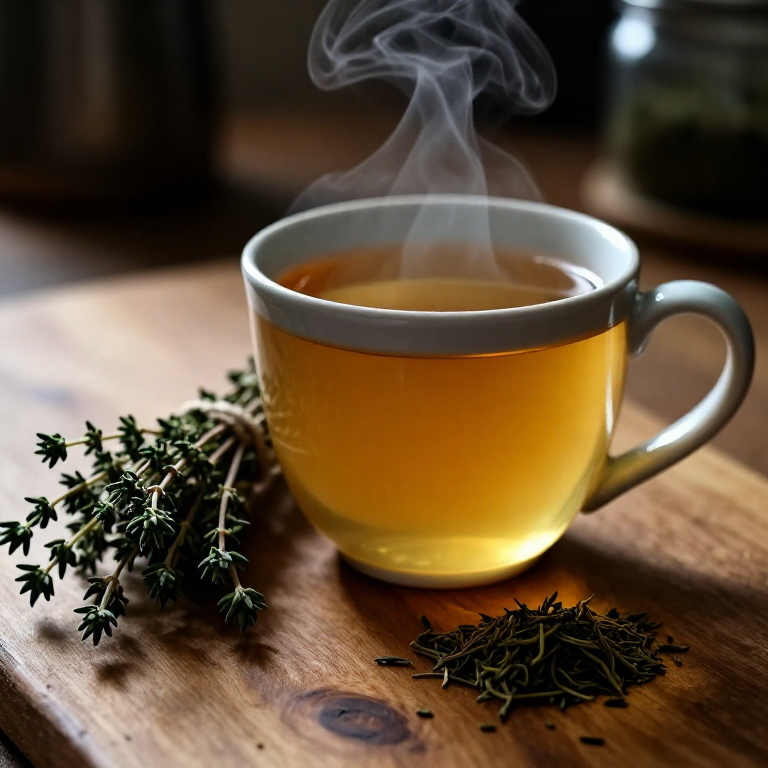

Thyme Infusion for Coughs and Respiratory Infections — The Ancient Antiseptic Herb
Thyme (Thymus vulgaris) has been used as both medicine and culinary herb since ancient Greece, where its name derives from 'thymos' meaning courage or fumigation. The ancient Egyptians used thyme in embalming preparations — a testament to its powerful preservative and antimicrobial properties. The herb's medicinal power comes primarily from thymol, a phenolic compound that constitutes 20-55% of thyme essential oil. Thymol is one of the strongest natural antiseptics known — it destroys bacteria, fungi, and some viruses by disrupting their cell membranes. For respiratory infections, thyme works through multiple mechanisms: thymol and carvacrol (a related compound) act as expectorants, loosening mucus so it can be coughed up more easily; they also relax the bronchial smooth muscle, reducing cough spasms; and they kill respiratory pathogens directly when inhaled as steam or absorbed through the mucous membranes. The German Commission E (the scientific advisory board for herbal medicines) has officially approved thyme for the treatment of bronchitis, whooping cough, and upper respiratory inflammation. Thyme tea remains one of the most effective home remedies for productive coughs and chest congestion.
Instrukcje
Identify common thyme (Thymus vulgaris)
Identify common thyme (Thymus vulgaris)
Harvest thyme at peak essential oil content
Harvest thyme at peak essential oil content
Potrzebne narzędzia:
 Nożyczki
 Wiklinowy kosz do zbiorów
Dry the thyme for storage
Dry the thyme for storage
Potrzebne narzędzia:
 Suszarka (regał)
 Ceramiczny słój z pokrywką
Prepare a medicinal thyme infusion for coughs
Prepare a medicinal thyme infusion for coughs
Materiały do tego kroku:
 Suszony tymianek4 g
 Woda destylowana250 ml
Potrzebne narzędzia:
 Duży garnek
 Krzesiwo (środek do rozniecania ognia)
 Miska do picia
Strain and sweeten the infusion
Strain and sweeten the infusion
Materiały do tego kroku:
 Miód2 łyżek stołowych
Potrzebne narzędzia:
 Sitko o drobnych oczkach
Use thyme tea for bronchitis and chest congestion
Use thyme tea for bronchitis and chest congestion
Inhale thyme steam for congestion relief
Inhale thyme steam for congestion relief
Make a thyme-honey cough syrup
Make a thyme-honey cough syrup
Materiały do tego kroku:
Miód250 gPotrzebne narzędzia:
 Słoik szklany
Use thyme as a wound antiseptic
Use thyme as a wound antiseptic
Understand dosage and precautions
Understand dosage and precautions
Wymagane narzędzia
9- Zastępnik
- Zastępnik
- Zastępnik
- Zastępnik
- Zastępnik
- Zastępnik
- Zastępnik
- Zastępnik
Materiały z połączonych planów
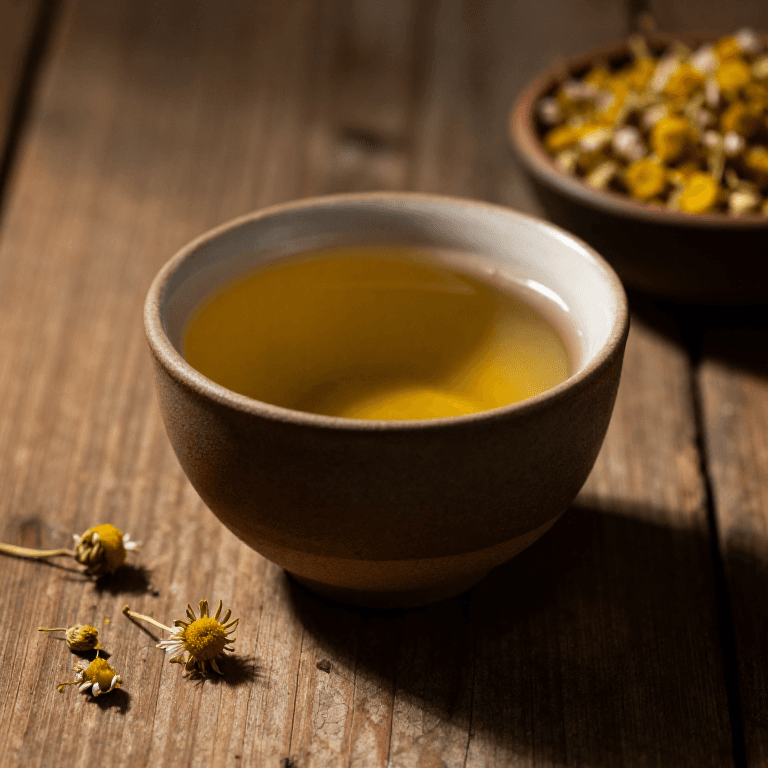
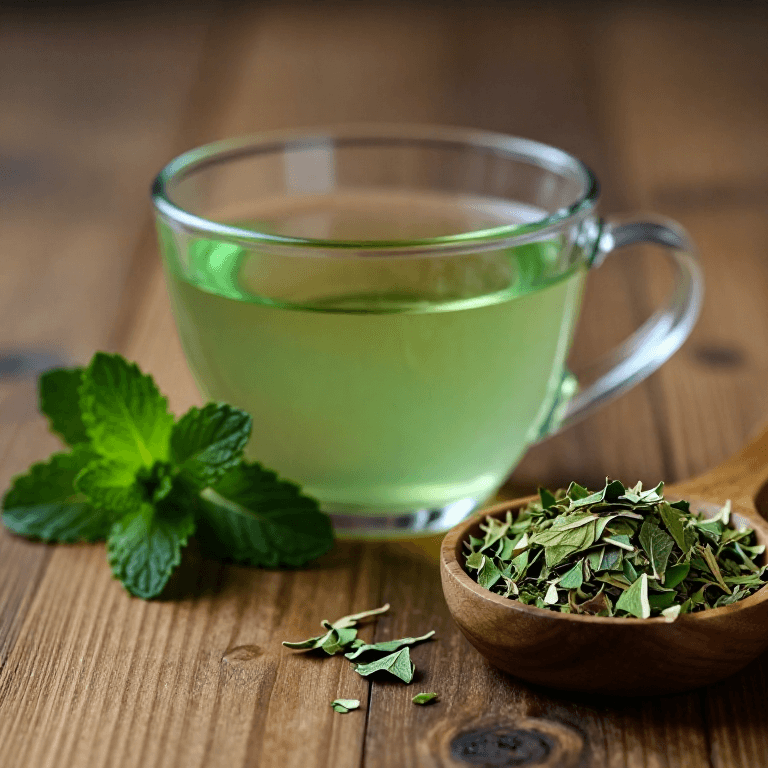
Powiązane blueprinty
Te blueprinty dzielą się wiedzą — technikami, materiałami lub zasadami
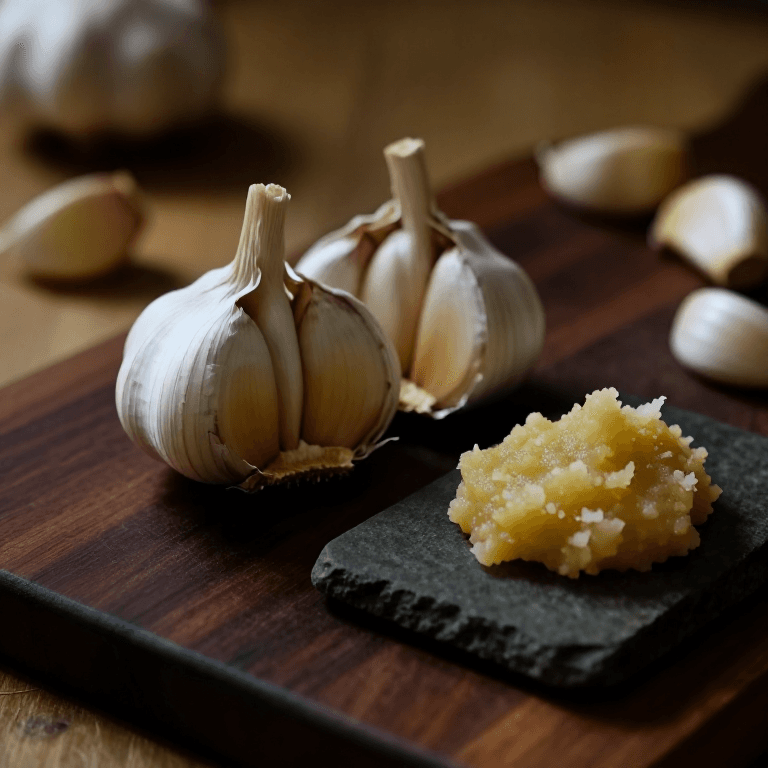
Garlic as Antiseptic Medicine — The Bulb That Fights Infection from the Inside Out
autor: Bob
Zioła i przyprawy
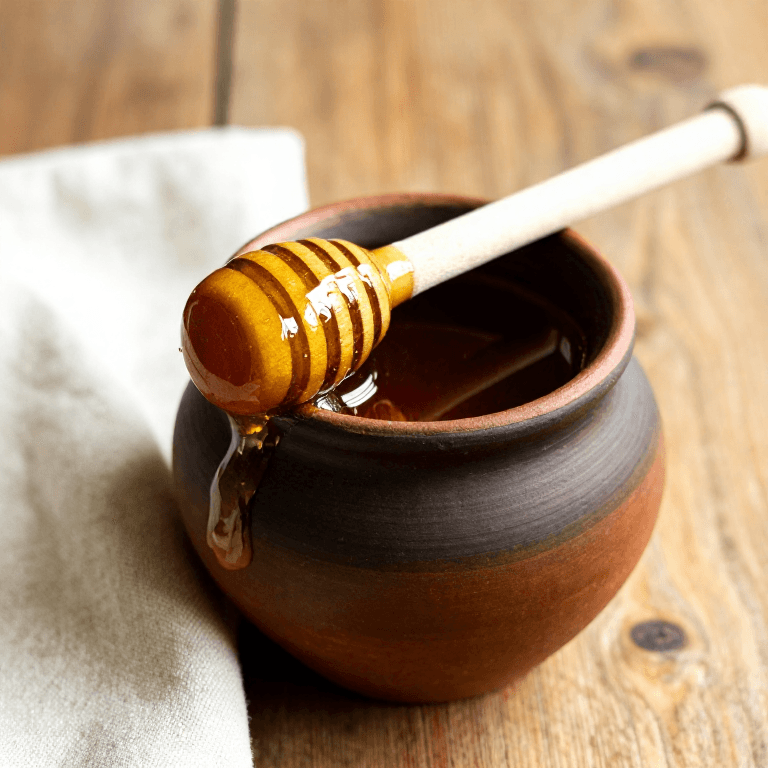
Honey as a Wound Dressing — The Oldest Antimicrobial Medicine Known to Humanity
autor: Bob
Pustynia
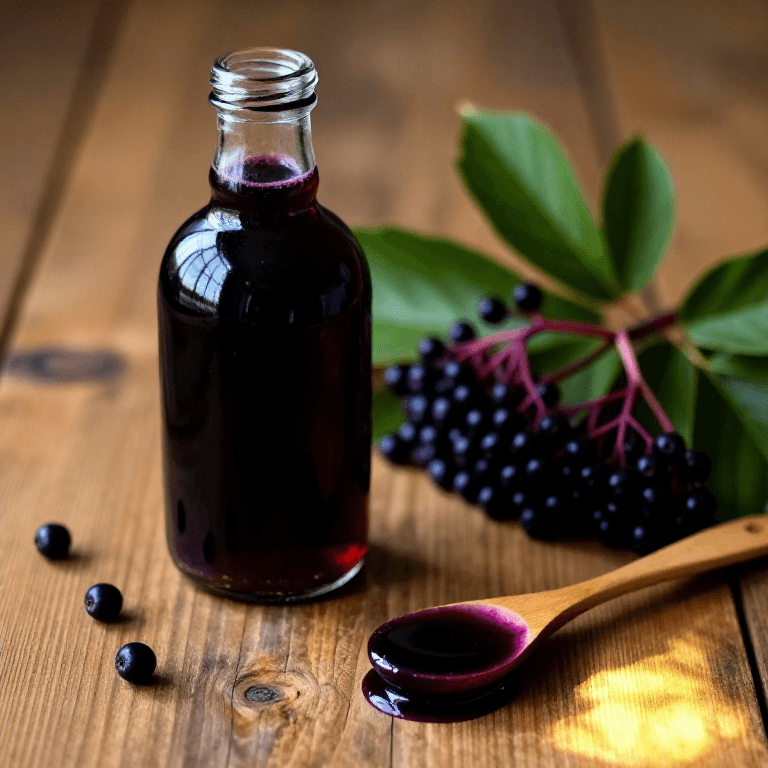
Elderberry Syrup for Immune Support — The Ancient Berry That Fights Colds and Flu
autor: Bob
Owoce i jagody
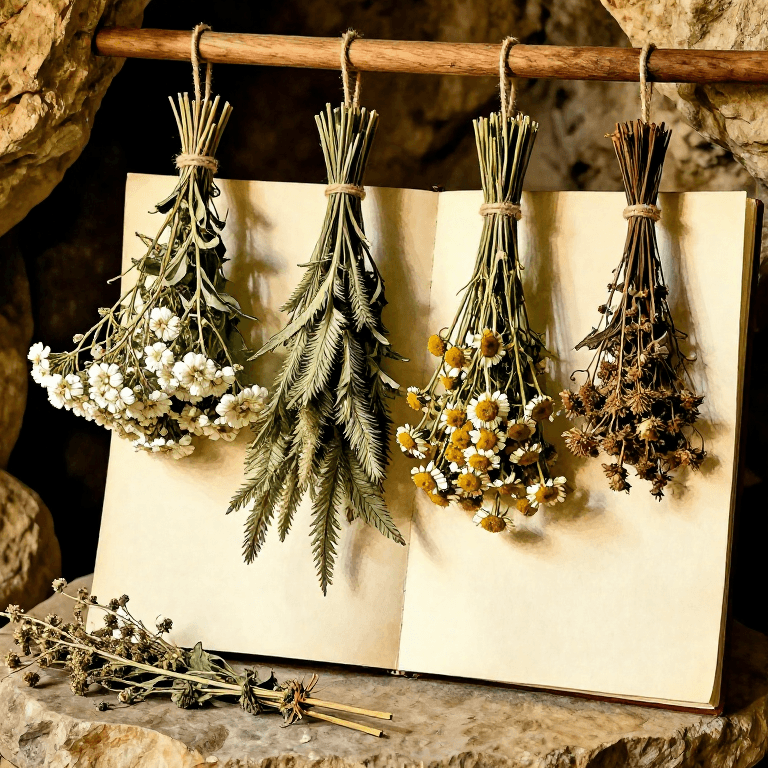
Drying Medicinal Herbs for Winter Storage — Preserving Nature's Pharmacy
autor: Bob
Pustynia
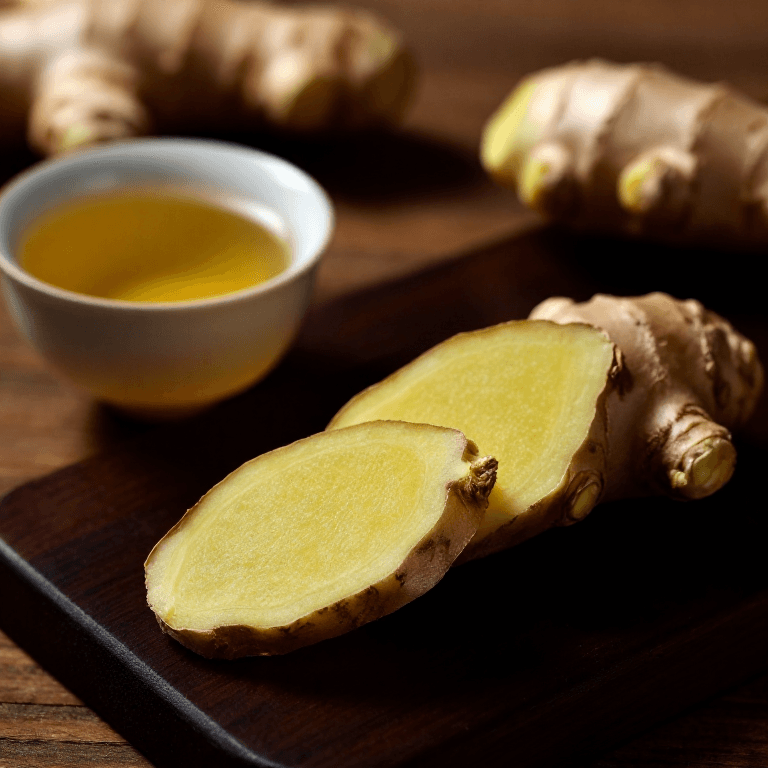
Ginger Root Decoction for Nausea and Inflammation — The Warming Root of Asian Medicine
autor: Bob
Gorące napoje
CC0 Domena publiczna
Ten plan jest udostępniany na licencji CC0. Możesz go swobodnie kopiować, modyfikować, rozpowszechniać i wykorzystywać do dowolnych celów, bez konieczności uzyskiwania zgody.
Wesprzyj Makera kupując produkty przez jego plan, za co zarabia Prowizja Makera ustalony przez sprzedawców, lub stwórz nową iterację tego planu i dołącz go jako połączenie w swoim własnym planie, aby dzielić się przychodami.