SZTUKA
Piękno i dobre samopoczucie
RZEMIOSŁO
KULTURA I HISTORIA
ROZRYWKA
ŚRODOWISKO
JEDZENIE I NAPOJE
INŻYNIERIA ODWROTNA
NAUKI
LEKKOATLETYKA
TECHNOLOGIA
URZĄDZENIA DO NOSZENIA
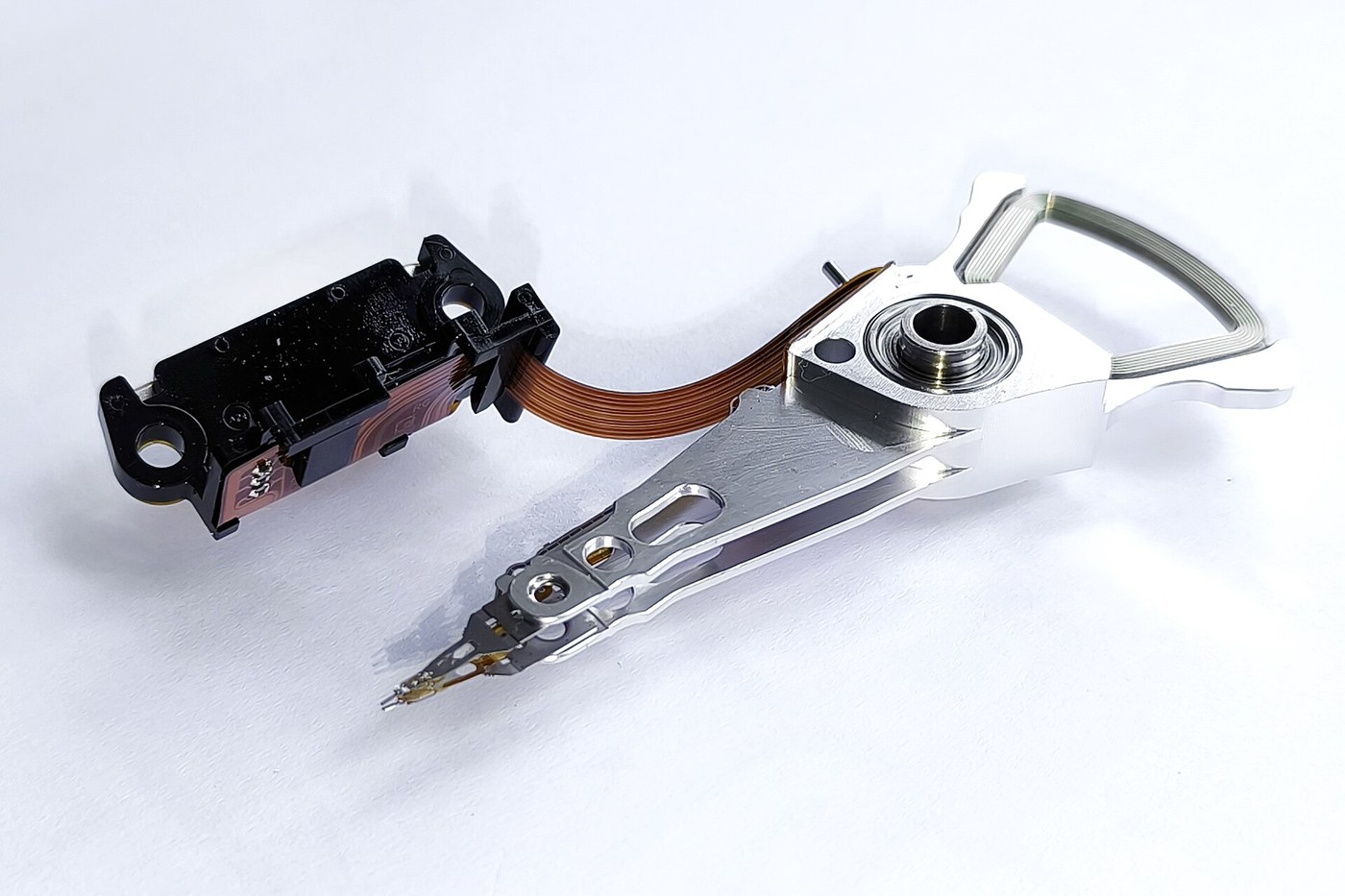


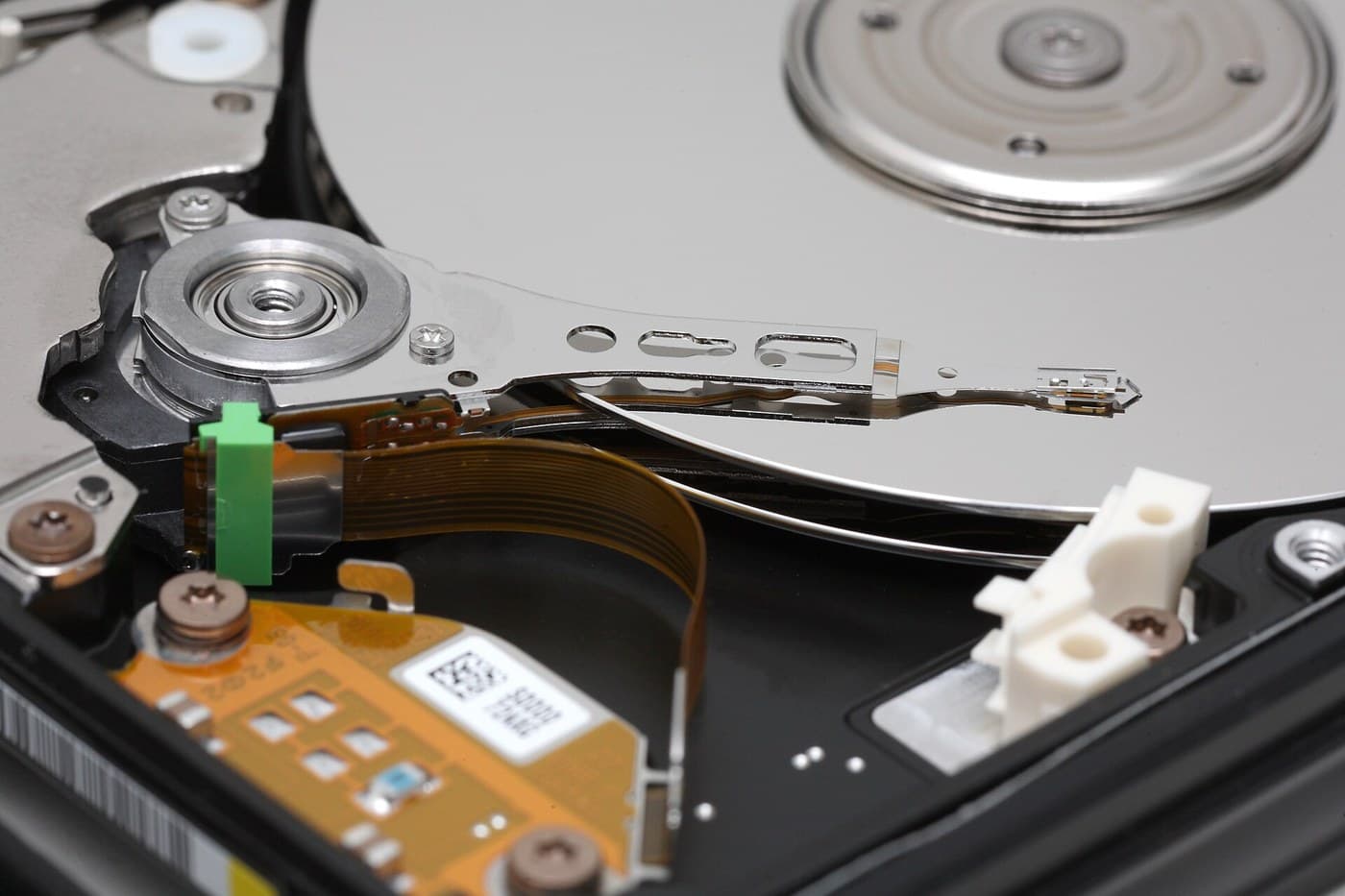
The Voice-Coil Actuator and Track Following
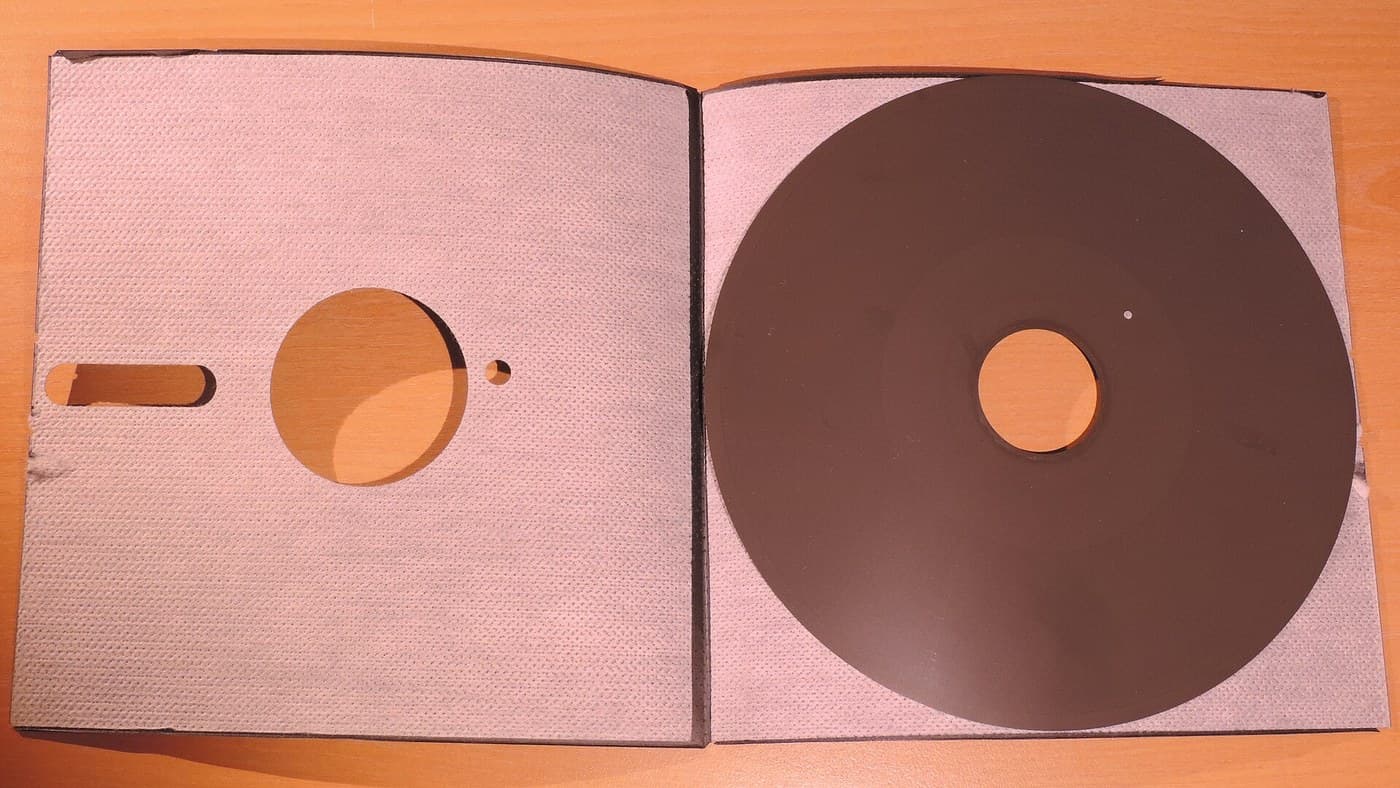
A floppy drive finds a track by counting steps out from a stop and hoping. It works because its tracks are 188 micrometres apart, which is roughly the width of a human hair and enormous by any other standard.
A hard disk cannot do that, and the reason is not precision — it is TEMPERATURE. An aluminium chassis fifty millimetres across grows twelve micrometres when it warms by twenty degrees, which is a normal morning for a drive. At 5000 tracks per inch that is four and a half whole tracks of movement, arriving while the drive is running, and no amount of factory calibration can anticipate it. The only answer is to stop guessing and MEASURE where the head actually is, continuously, and correct.
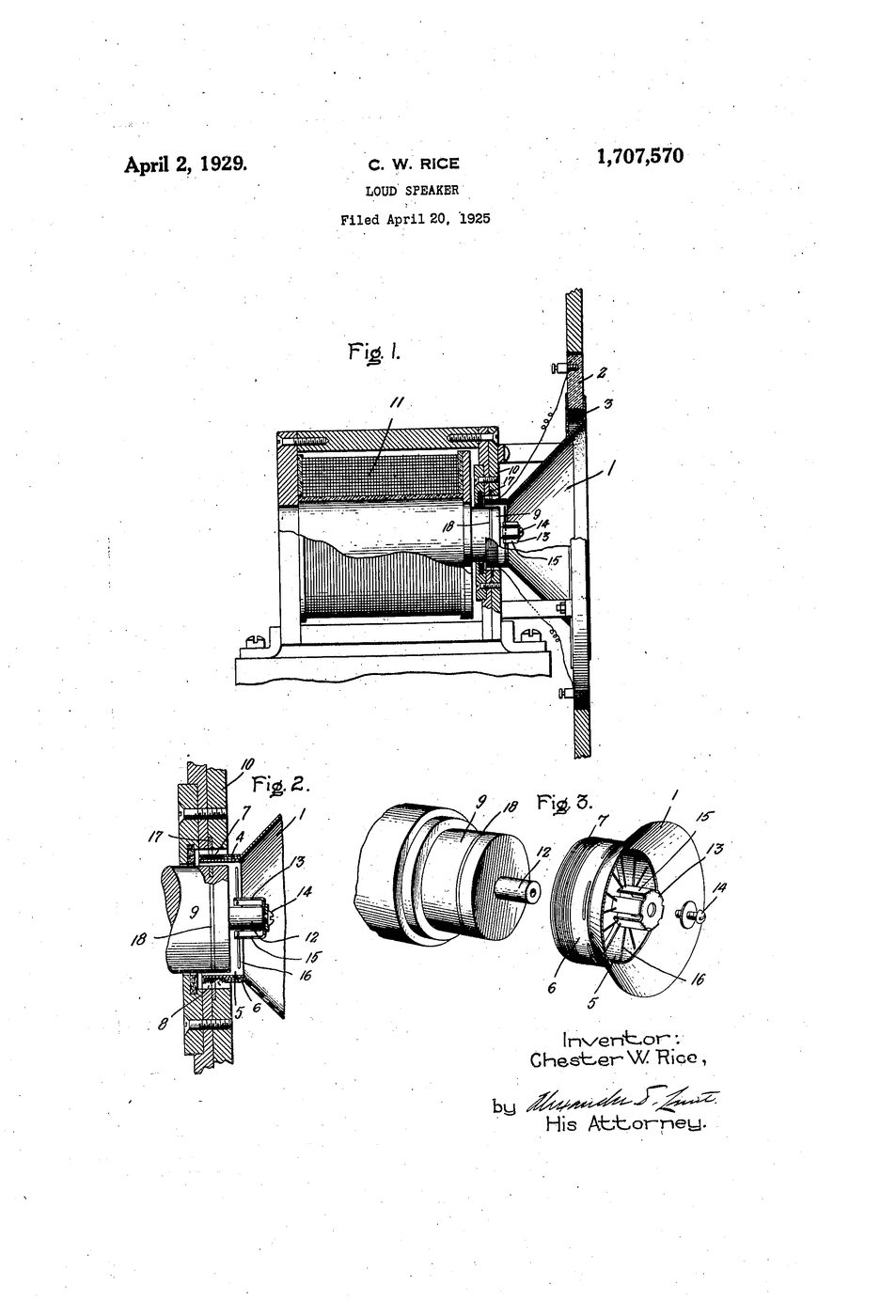
The actuator that does the correcting is a voice coil — the same motor as a loudspeaker, and for the same reason. A stepper has detents and stiction and can only stop where its teeth allow. A voice coil produces a force proportional to current, anywhere, with nothing to catch on. What it does NOT produce is a position: force integrated twice is position, so the arm is a double integrator, and a double integrator under proportional control alone oscillates no matter how gently you push it.
FULLY BUILDABLE, and this is the one in the batch worth doing properly. A loudspeaker, a position sensor and a PID loop on a microcontroller is a genuine track-following servo. The resonance you find and the settling time you measure are the same two numbers a drive engineer fights, four orders of magnitude apart.
Zaawansowany
5 hours
Instrukcje
1
1
Build the actuator and its sensor
Build the actuator and its sensor
Take a loudspeaker — a 3-inch full-range is ideal — and glue a stiff light pointer to the cone, a strip of card or a cocktail stick with a paper flag on the end. That flag is your head.
Mount the QRD1114 reflective optical detector so the flag moves across its field as the cone moves. Adjust the standoff until the analogue output swings across most of the ADC range over a few millimetres of travel, and write down the volts per millimetre — that is your sensor gain and every later number depends on it.
Drive the coil from an H-bridge or a power op-amp, NEVER straight from a GPIO pin: a voice coil is four to eight ohms and will draw an amp. Check the polarity by applying a small DC current and confirming the cone moves the way your sensor reads as positive.
Materiały do tego kroku:
 Głośnik (laboratoryjny)1 sztuka
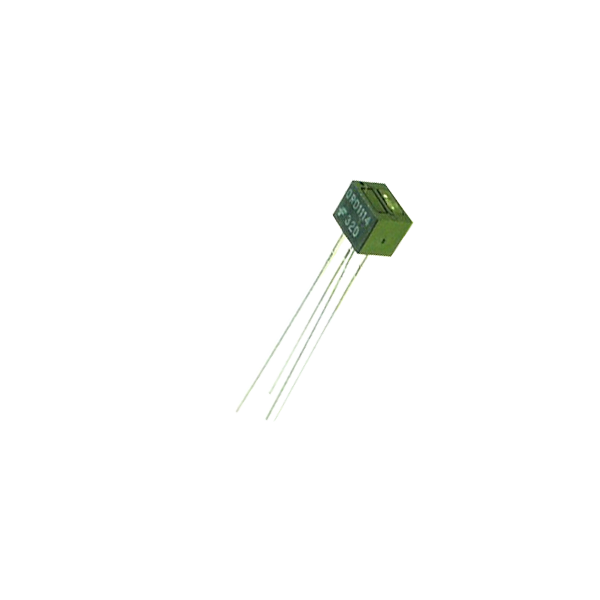 Optical Detector / Phototransistor - QRD11141 sztuka
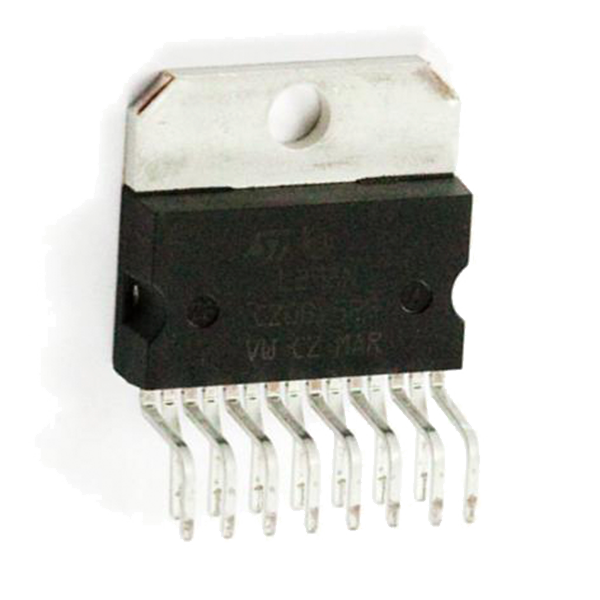 Full-Bridge Motor Driver Dual - L298N1 sztuka
 Zestaw rezystorów1 sztuka
Potrzebne narzędzia:
 Breadboard - Classic
 Zestaw przewodów połączeniowych
 Zasilacz laboratoryjny
 Multimetr cyfrowy klasy laboratoryjnej
 Oscyloskop cyfrowy
2
2
Close the loop and step the target
Close the loop and step the target
Flash the sketch. It runs a 500 Hz PID loop and steps the target every half second — a one-track seek — printing time, target, position, error and drive as CSV.
Do this experiment in order, because the order is the lesson.
First set KD to 0.0 and KI to 0.0, leaving only proportional control. Raise KP from very small. It will oscillate, and it will oscillate at ANY gain that is large enough to move the cone at all. That is not bad tuning: an actuator that produces FORCE gives you position two integrations later, which is 180 degrees of phase all by itself, so there is no phase margin left to lose.
Now add KD. The oscillation stops, because derivative action is the only thing supplying the missing phase. Then add KI and watch the steady-state offset from gravity disappear.
Finally, raise KP until it rings again and note the ringing frequency. That is your structure's first resonance, and it is the ceiling on everything.
voice_coil_servo.inocpp
Potrzebne narzędzia:
 Płytka rozwojowa ESP32
 Komputer stacjonarnyOscyloskop cyfrowyZasilacz laboratoryjny
3
3
Error budget, resonance, and where to put the servo
Error budget, resonance, and where to put the servo
Wczytywanie notatnika Jupyter…
Potrzebne narzędzia:
Komputer stacjonarny4
4
Compendium: force is not position
Compendium: force is not position
VOICE COIL, NOT STEPPER. A stepper is a position source with detents: strong, holds without feedback, and can only stop where its teeth allow. A voice coil is a FORCE source — F = BIL, linear in current, no cogging, no backlash, no stiction — so it can be commanded anywhere. It also cannot hold position unpowered, which is why a drive parks its heads with a spring or a latch.
THE COST OF BEING A FORCE SOURCE. Position is force integrated twice, so the plant arrives with 180 degrees of lag before you add anything. Proportional control alone therefore has zero phase margin and oscillates at every usable gain — you measured this in step 2. Derivative action supplies the missing phase and is not optional. Integral action then removes the standing error from gravity and windage, and needs an anti-windup clamp or a saturated stage never recovers.
SEEK IS NOT FOLLOWING. Getting to the track is bang-bang — accelerate, coast, decelerate — limited by the current the coil takes before it cooks. STAYING there is the linear loop, limited by the arm's first resonance. Real drives run two controllers and switch, which is why a seek shows a distinct settling tail on a scope.
Materiały
4- 1 sztukaZastępnik
- Optical Detector / Phototransistor - QRD111410% prowizji1 sztuka$1.17
- Full-Bridge Motor Driver Dual - L298N10% prowizji1 sztuka$3.51
- od$5.60
Wymagane narzędzia
7- Breadboard - Classic10% prowizji$9.36
- Zastępnik
- Zastępnik
- Oscyloskop cyfrowy10% prowizjiMagento Legacy Storeships internationallyZastępnik
- Zastępnik
- Zastępnik
Szacowany koszt
To, co kupił twórca. Materiały bez ceny kupujesz tam, gdzie je znajdziesz.
Powiązane blueprinty
Te blueprinty dzielą się wiedzą — technikami, materiałami lub zasadami


CC0 Domena publiczna
Ten plan jest udostępniany na licencji CC0. Możesz go swobodnie kopiować, modyfikować, rozpowszechniać i wykorzystywać do dowolnych celów, bez konieczności uzyskiwania zgody.
Wesprzyj Makera kupując produkty przez jego plan, za co zarabia Prowizja Makera ustalony przez sprzedawców, lub stwórz nową iterację tego planu i dołącz go jako połączenie w swoim własnym planie, aby dzielić się przychodami.