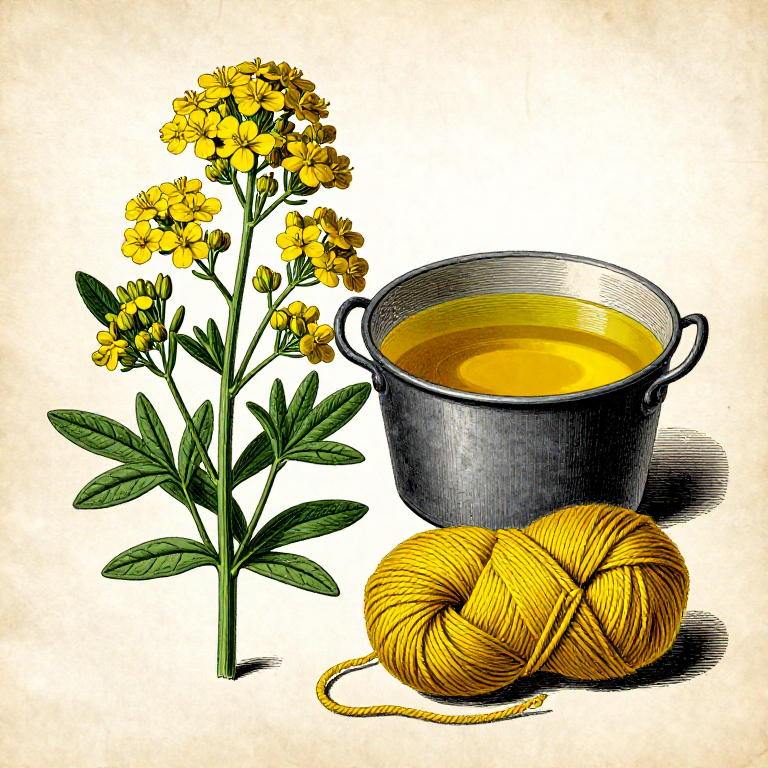


Extracting Yellow Dye from Weld Plant — The Oldest European Yellow
Инструкции
Harvest Weld
Harvest Weld
Harvest weld stalks (Reseda luteola) when the plant is at full flower — this is peak luteolin content
Материалы для этого шага:
 Резеда жёлтая (Reseda luteola)200 grams
Необходимые инструменты:
 Нож
НожChop Plant Material
Chop Plant Material
Chop the stalks, leaves, and flowers into 5 cm pieces to increase the surface area for extraction
Необходимые инструменты:
НожWeigh Plant and Fibre
Weigh Plant and Fibre
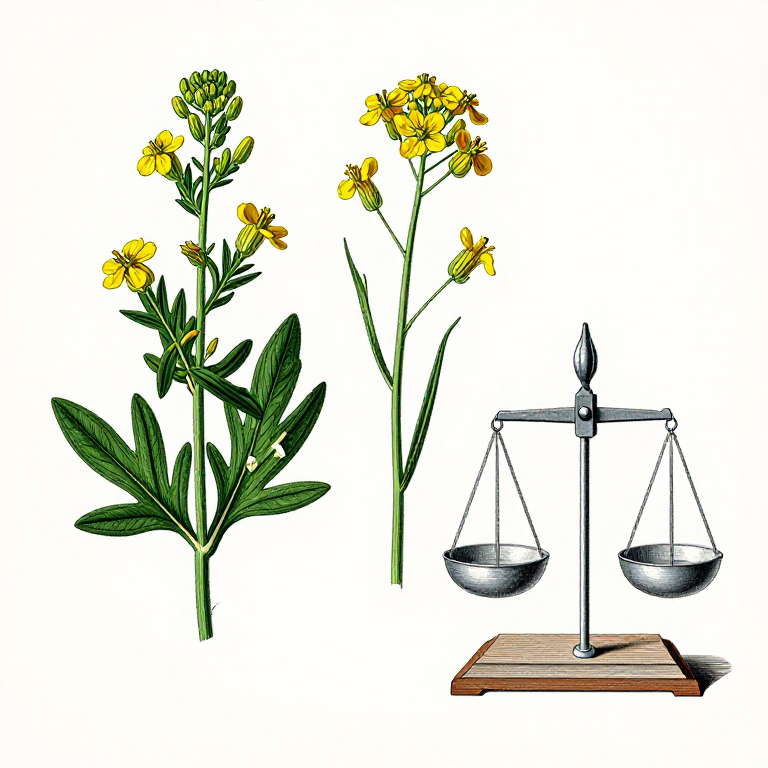
Weigh the chopped plant material — you need equal weight of plant to the weight of fibre you plan to dye
Add to Cold Water
Add to Cold Water
Fill a dye pot with cold water and add the chopped weld, submerging all plant matter completely
Материалы для этого шага:
 Вода10 литров
Необходимые инструменты:
 Высокая кастрюля
Heat to 80°C
Heat to 80°C
Heat the dye bath slowly to 80°C — do not let it boil, as temperatures above 90°C dull the yellow
Материалы для этого шага:
 Дрова1 пучок
Hold Temperature
Hold Temperature
Maintain the bath at 80°C for 45 minutes to extract the luteolin pigment from the plant cells
Strain the Bath
Strain the Bath
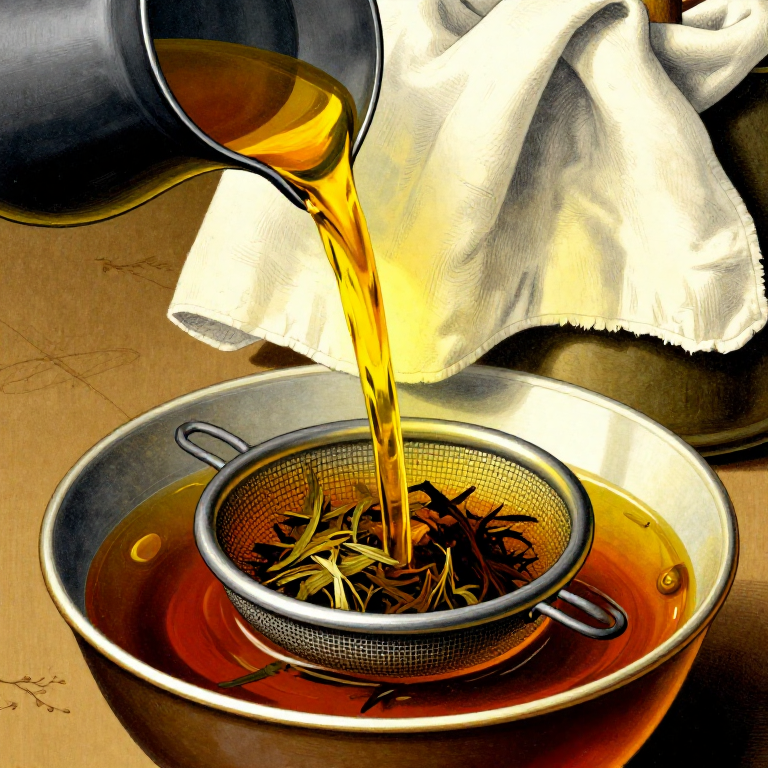
Strain the dye bath through cloth to remove all plant matter — the liquid should be a deep gold
Необходимые инструменты:
 Ткань (для процеживания)
Reheat Strained Dye
Reheat Strained Dye
Return the strained dye liquid to the pot and reheat to 70°C
Dissolve Alum
Dissolve Alum
Dissolve alum at 10% weight-of-fibre (e.g. 20 g alum for 200 g wool) in a cup of hot water
Материалы для этого шага:
 Квасцы (алюмокалиевые)20 grams
Add Alum to Bath
Add Alum to Bath
Pour the dissolved alum into the dye bath and stir thoroughly to distribute it evenly
Wet the Wool
Wet the Wool
Wet the wool or fabric thoroughly in warm water before adding it to the dye bath
Материалы для этого шага:
 Сырое руно200 grams
Submerge in Dye
Submerge in Dye
Lower the wetted fabric gently into the alum-dye bath, pressing it below the surface
Dye at 80°C
Dye at 80°C
Heat gently to 80°C and hold for 1 hour, turning the fabric every 10 minutes with a stick
Check Colour
Check Colour
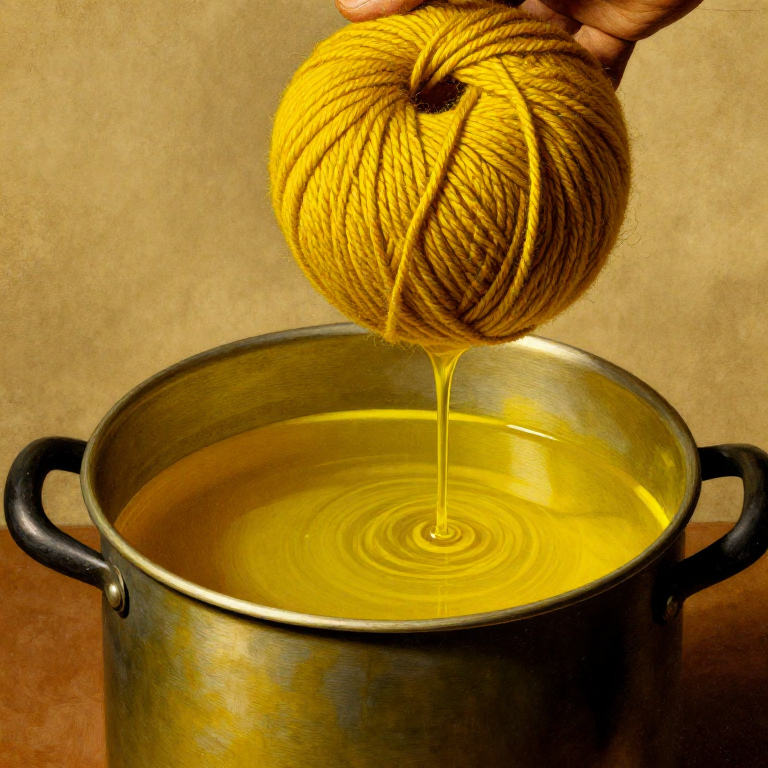
Lift a corner of the fabric to check the colour — it should be a rich golden yellow when wet
Remove Fabric
Remove Fabric
Remove the dyed fabric from the pot when the desired depth of colour is reached
Rinse Progressively
Rinse Progressively
Rinse the fabric in progressively cooler water until the rinse water runs clear
Материалы для этого шага:
Вода10 литровSqueeze Gently
Squeeze Gently
Squeeze out excess water gently between your palms — never wring or twist the dyed wool
Dry in Shade
Dry in Shade
Hang the dyed fabric in shade to dry completely — direct sun on wet dye can cause uneven fading
Материалы
5- 200 gramsЗаполнитель
- 10 литровЗаполнитель
- 1 пучокЗаполнитель
- 20 gramsЗаполнитель
- 200 gramsЗаполнитель
Материалы из связанных чертежей

CC0 Общественное достояние
Этот чертёж выпущен под лицензией CC0. Вы можете свободно копировать, изменять, распространять и использовать эту работу в любых целях без запроса разрешения.
Поддержите мейкера, покупая товары через его чертёж, где он получает Комиссию мейкера установленную продавцами, или создайте новую итерацию этого чертежа и включите его как связь в свой чертёж для распределения дохода.