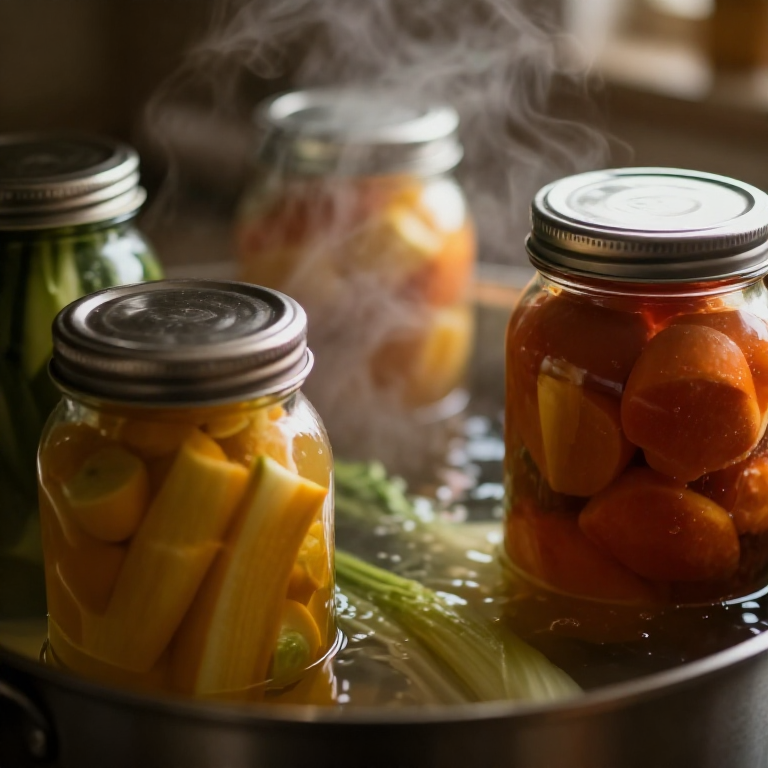


Preserving Food by Canning — Appert's Heat-and-Seal Method That Fed Armies
In 1810 a French confectioner named Nicolas Appert won a prize from Napoleon's government for solving a problem that had plagued every army and navy in history: how to keep food from spoiling. His answer was deceptively simple — pack food in a sealed container and heat it thoroughly. Food preserved this way kept for months, even years, and the modern canning industry was born.
Appert did not know why it worked; it would take Louis Pasteur, fifty years later, to show that heat kills the microbes that spoil food and the seal keeps new ones out. But the method worked perfectly without that knowledge. Soon glass jars gave way to soldered tin cans — lighter, unbreakable, and ideal for soldiers and sailors — and canned food spread around the world.
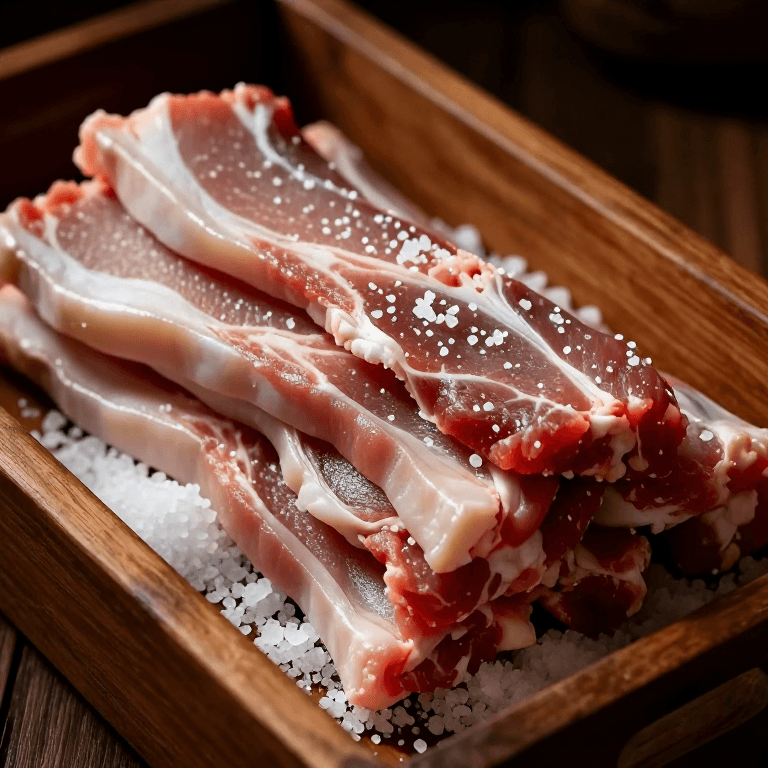
Canning sits alongside salting, drying, and smoking as one of humanity's great preservation methods, but it was the first to keep food fresh-tasting and the first born of the industrial age. One caution it shares with all low-acid preserving: ordinary boiling does not destroy the spores of botulism, so low-acid foods must be acidified or pressure-canned — a lesson learned long after Appert.
Инструкции
Understand the principle
Understand the principle
Choose and prepare the food
Choose and prepare the food
Материалы для этого шага:
 Свежие плоды огорода2 кг
Prepare the jars
Prepare the jars
Материалы для этого шага:
 Стеклянная банка6 штук
Pack the jars
Pack the jars
Материалы для этого шага:
 Поваренная соль50 г
Seal the jars
Seal the jars
Материалы для этого шага:
 Гранулы пчелиного воска100 г
Heat in a boiling water bath
Heat in a boiling water bath
Материалы для этого шага:
 Вода8 литров
Необходимые инструменты:
 Высокая кастрюля
Time by the food
Time by the food
Необходимые инструменты:
 Комнатный термометр
Cool and check the seal
Cool and check the seal
Необходимые инструменты:
 Щипцы для банок
Reject any failures
Reject any failures
Store cool and dark
Store cool and dark
Move to the tin can
Move to the tin can
Материалы для этого шага:
 Жестяная банка6 штук
Respect the botulism rule
Respect the botulism rule
Материалы
6- Заполнитель
- 6 штукЗаполнитель
- 50 гЗаполнитель
- Заполнитель
- 8 литровЗаполнитель
- 6 штукЗаполнитель
Требуемые инструменты
3- Заполнитель
- Заполнитель
- Заполнитель
Связанные чертежи
Эти чертежи делятся знаниями — техники, материалы или принципы


CC0 Общественное достояние
Этот чертёж выпущен под лицензией CC0. Вы можете свободно копировать, изменять, распространять и использовать эту работу в любых целях без запроса разрешения.
Поддержите мейкера, покупая товары через его чертёж, где он получает Комиссию мейкера установленную продавцами, или создайте новую итерацию этого чертежа и включите его как связь в свой чертёж для распределения дохода.