Сотрудничество
ИСКУССТВО
КРАСОТА И ЗДОРОВЬЕ
РЕМЕСЛО
КУЛЬТУРА И ИСТОРИЯ
РАЗВЛЕЧЕНИЯ
ЭКОЛОГИЯ
ЕДА И НАПИТКИ
ОБРАТНАЯ ИНЖЕНЕРИЯ
НАУКИ
СПОРТ
ТЕХНОЛОГИИ
НОСИМЫЕ УСТРОЙСТВА
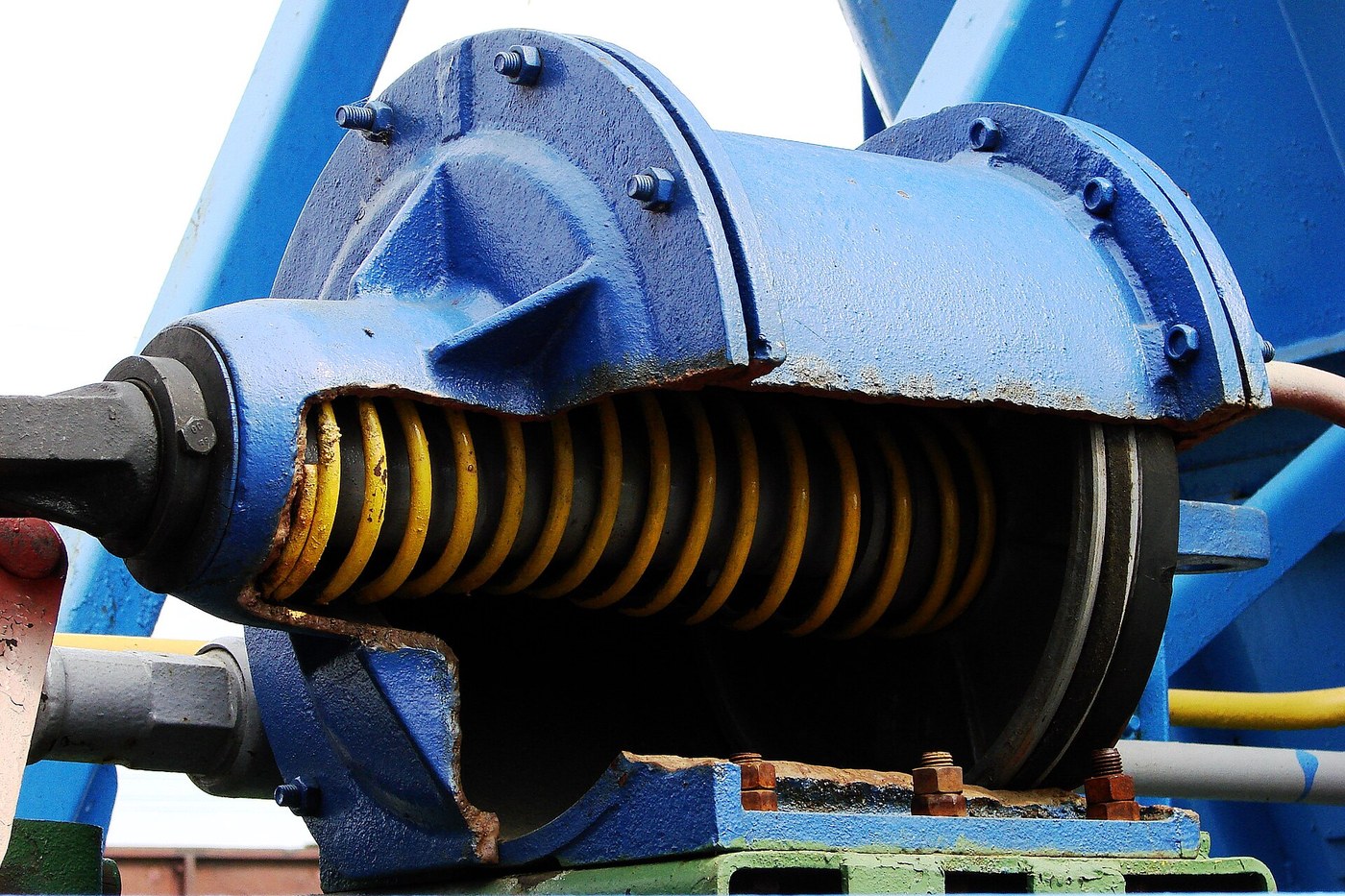


Brake Cylinder: Piston with Packing Leather, Expander Ring and Release Spring (Westinghouse Air Brake Co., 1901)
The air cylinder that puts on a railway car's brakes. Air let into the pressure end drives the piston out, and its push rod works the brake levers. When the air is let out, a release spring pushes the piston back. A cup of leather, held against the wall by a spring ring, stops the air from leaking past the piston.
Result: a brake cylinder. In the book's driver-brake example, an 8-inch cylinder fully applied puts 2,500 pounds on its piston.
Source: Westinghouse Air Brake Company, Air Brake Instruction Book (1901), pp. 55-57 and 97. Unknown: every size except the 8-inch bore, and the metal of every part except the leather; the book does not give them. Picture: Wikimedia Commons.
Продвинутый
1 week
Инструкции
1
1
Bore the cylinder
Bore the cylinder
Make the cylinder with a pressure end and an open end closed by the non-pressure head. Cut a small groove along the wall, the leakage groove: a slight flow of air into the cylinder then escapes through it to the open end instead of pushing the piston out. Unknown: the metal and the sizes (the book's example is an 8-inch cylinder). Ours: bored on a lathe.
Материалы для этого шага:
 Неизвестный металл1 as required
Необходимые инструменты:
 Токарный станок по металлу
 Расточная оправка
 Набор токарных резцов по дереву (HSS)
 Штангенциркуль
 Неизвестные размеры
2
2
Make piston, follower and heads
Make piston, follower and heads
Turn the piston with its sleeve, into which the push rod from the brake levers fits, a follower plate, and the non-pressure head. Drill the piston for the studs that hold the follower. Unknown: metal and sizes. Ours: lathe and drill press.
Материалы для этого шага:
Неизвестный металл1 as requiredНеобходимые инструменты:
Токарный станок по металлуНабор токарных резцов по дереву (HSS) Сверлильный станокШтангенциркульНеизвестные размеры
3
3
Fit the packing leather
Fit the packing leather
Clamp the packing leather to the piston under the follower plate with studs and nuts; its flange presses against the cylinder wall to keep the air from escaping past the piston. Put the round spring packing expander inside the flange to hold it against the wall. Keep the follower nuts tight. Ours: the leather cut to shape with a knife.
Материалы для этого шага:
 Выделанная кожа1 as requiredНеизвестный металл1 studs and expander ring
 Шестигранная гайка1 набор
Необходимые инструменты:
 Строительный нож
 Разводной ключНеизвестные размеры
4
4
Assemble with the release spring
Assemble with the release spring
Slide the piston into the cylinder, put the release spring behind it and close the cylinder with the non-pressure head, so the spring forces the piston back to release whenever the air pressure is let out of the pressure end. The book's maintenance rule: a light grease in the cylinder, especially at the top and inside the packing leather where the expander rests.
Материалы для этого шага:
 Набор пружин сжатия1 release spring
Необходимые инструменты:
Разводной ключНеизвестные размерыМатериалы
4- 1 studs and expander ringЗаполнитель
- 1 as requiredЗаполнитель
- 1 наборЗаполнитель
- 1 release springЗаполнитель
Требуемые инструменты
8- Заполнитель
- Заполнитель
- Заполнитель
- Заполнитель
- Заполнитель
- Заполнитель
- Заполнитель
- Заполнитель
По этому чертежу делают

CC0 Общественное достояние
Этот чертёж выпущен под лицензией CC0. Вы можете свободно копировать, изменять, распространять и использовать эту работу в любых целях без запроса разрешения.
Поддержите мейкера, покупая товары через его чертёж, где он получает Комиссию мейкера установленную продавцами, или создайте новую итерацию этого чертежа и включите его как связь в свой чертёж для распределения дохода.