ИСКУССТВО
КРАСОТА И ЗДОРОВЬЕ
РЕМЕСЛО
КУЛЬТУРА И ИСТОРИЯ
РАЗВЛЕЧЕНИЯ
ЭКОЛОГИЯ
ЕДА И НАПИТКИ
ОБРАТНАЯ ИНЖЕНЕРИЯ
НАУКИ
СПОРТ
ТЕХНОЛОГИИ
НОСИМЫЕ УСТРОЙСТВА
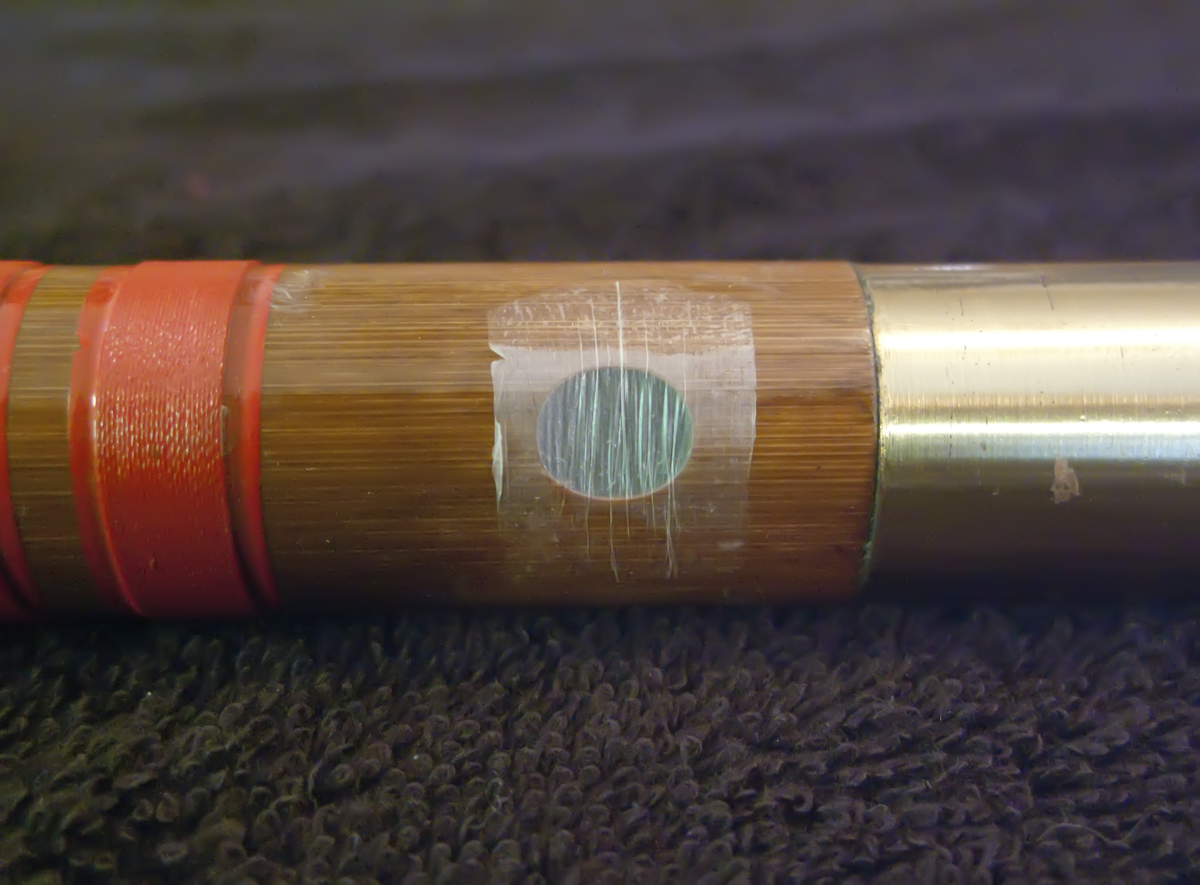


Making a Dizi — The Chinese Bamboo Flute with a Buzzing Membrane
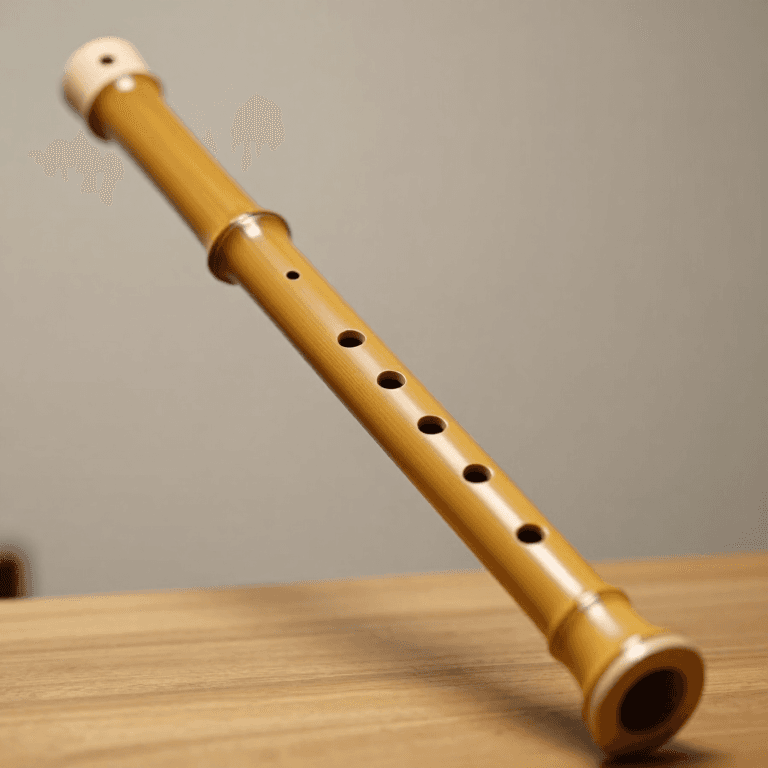
Build a dizi, the Chinese transverse bamboo flute with a secret: a thin membrane (the dimo) stretched over an extra hole that buzzes and gives the flute its bright, reedy voice. Cut the blowing hole, the membrane hole and the finger holes, glue the dimo, and play. A buildable school project in the side-blown flute and the buzzing membrane.
Начинающий
45 minutes
Инструкции
1
1
A flute with a buzz
A flute with a buzz
The dizi is a Chinese bamboo flute you blow across from the side. Its secret is a thin membrane over an extra hole that buzzes, giving the dizi its bright, reedy, singing voice.
2
2
Choose a bamboo tube
Choose a bamboo tube
Pick a straight bamboo tube about 45 cm long and a thumb thick, with a solid node left near one end to seal it. The far end stays open.
Материалы для этого шага:
 Бамбук1 штука
3
3
Clear the bore
Clear the bore
Push out the inner pith and nodes so the tube is clear — but keep the one node near the top sealed, just behind where the blowing hole will go.
Необходимые инструменты:
 Шило
Шило4
4
Cut the blowing hole
Cut the blowing hole
A couple of centimetres below the sealed node, cut a round blowing hole. You blow ACROSS this hole from the side, not into the end of the tube.
Необходимые инструменты:
 Резчицкий нож слойд
5
5
Cut the membrane hole
Cut the membrane hole
A little below the blowing hole, cut a second round hole — the membrane hole. This one is the dizi's secret and carries the buzzing dimo.
Необходимые инструменты:
Резчицкий нож слойд6
6
Cut the six finger holes
Cut the six finger holes
Further down the tube, cut six finger holes in a line, spaced to fall comfortably under your fingers.
Необходимые инструменты:
Шило7
7
Cut the end holes
Cut the end holes
Near the open end, cut one or two extra holes. These set the lowest note and, on real dizi, hold the hanging tassels.
Необходимые инструменты:
Резчицкий нож слойд8
8
Prepare the dimo membrane
Prepare the dimo membrane
Take a small piece of thin dimo membrane — traditionally the inner skin of a reed. Very thin tissue or an onion skin will also buzz.
Материалы для этого шага:
 Мембрана дицзы (димо)1 штука
9
9
Glue the membrane
Glue the membrane
Brush a little garlic juice or weak glue around the membrane hole and lay the dimo over it with TINY wrinkles across the grain. The wrinkles are what make it buzz.
10
10
Test the buzz
Test the buzz
Blow across the blowing hole. The membrane trembles and adds a bright, buzzing shimmer to the note — that reedy rasp is the true voice of the dizi.
11
11
Play the scale
Play the scale
Cover all six finger holes for the lowest note and lift them one by one to climb. Blow harder to overblow into the higher register.
12
12
Tune the buzz
Tune the buzz
Press the wrinkles tighter for a mellow tone, or loosen them for a brighter, louder buzz. A fresh, taut dimo sings; a slack one rattles.
13
13
Compendium — the membrane flute
Compendium — the membrane flute
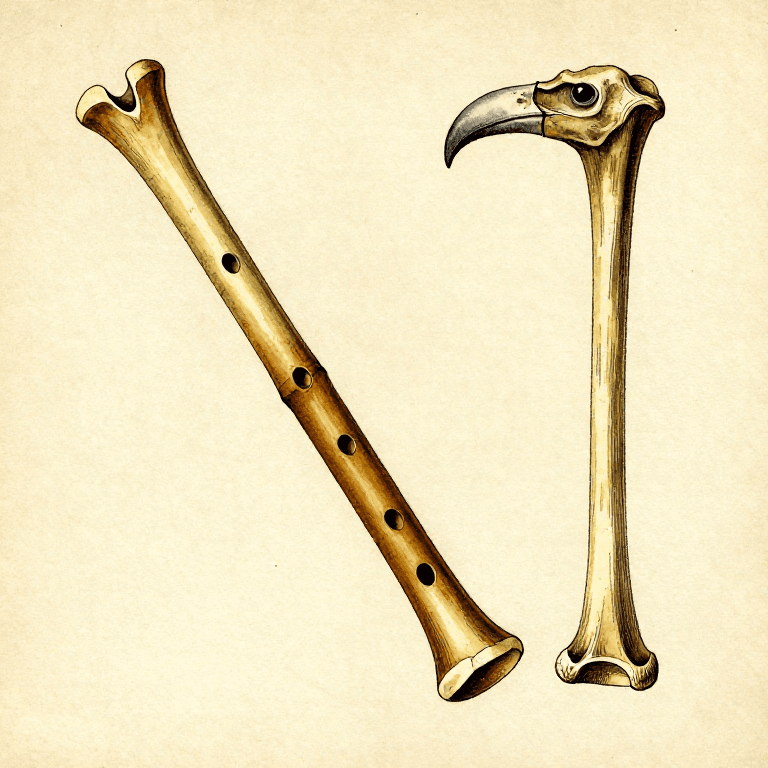
The dizi is a transverse, or side-blown, flute: you blow across the blowing hole so the ribbon of air splits on its edge and sets the air column inside vibrating — the same edge-tone that sounds a Western flute, and quite unlike the end-blown recorder or panpipe. The finger holes change the pitch in the usual way, by shortening the vibrating air column when you open them. What makes the dizi unique is the dimo: a thin membrane stretched over its own hole. When the air column vibrates it drives the membrane too, and the lightly wrinkled membrane buzzes at many frequencies at once, pouring extra high harmonics into every note — a bright, reedy shimmer. This is a mirliton: a membrane that buzzes in sympathy with a sound, exactly the principle of a kazoo or a comb-and-paper. Bamboo flutes are ancient in China — the bone flutes of Jiahu are about 9,000 years old — and the membrane dizi became the standard voice of Chinese music over the last thousand years. Tighten the dimo for a soft tone or loosen it for a rasp; it is the one part of the flute you can re-tune every time you play.
По этому чертежу делают

Связанные чертежи
Эти чертежи делятся знаниями — техники, материалы или принципы
CC0 Общественное достояние
Этот чертёж выпущен под лицензией CC0. Вы можете свободно копировать, изменять, распространять и использовать эту работу в любых целях без запроса разрешения.
Поддержите мейкера, покупая товары через его чертёж, где он получает Комиссию мейкера установленную продавцами, или создайте новую итерацию этого чертежа и включите его как связь в свой чертёж для распределения дохода.