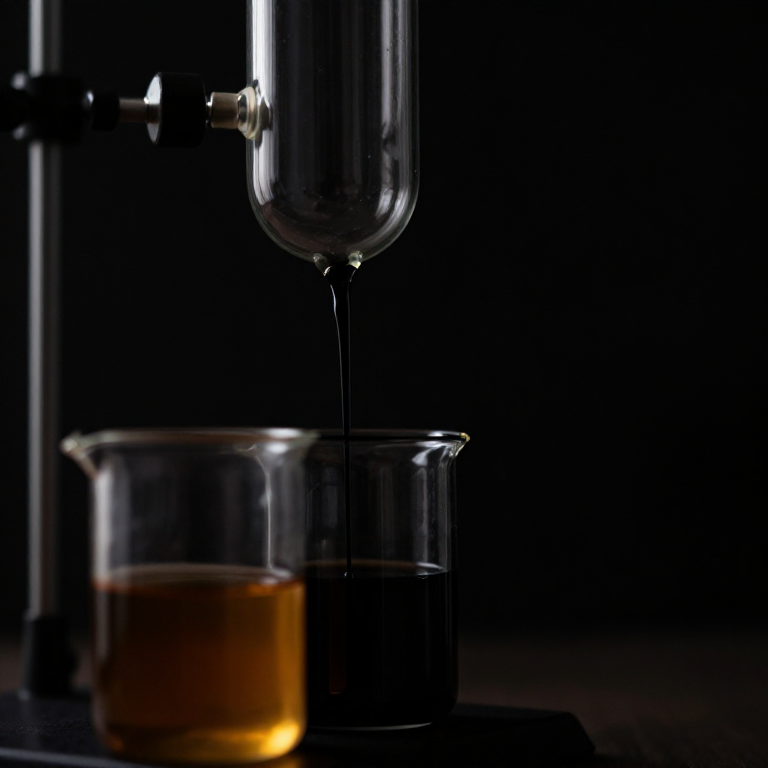

Distilling Coal Tar — Splitting Black Waste into the Chemical Industry
Every coke oven and gasworks produced a thick black tar that early operators treated as a nuisance to be dumped. Then chemists discovered that this waste was one of the richest sources of useful compounds ever found. Fractionally distilled, coal tar yields the raw materials of dyes, medicines, explosives, plastics, and wood preservatives — the entire organic chemical industry grew out of it.
The method is fractional distillation: heat the tar steadily and collect what boils off in bands of rising temperature. The lightest fraction gives benzene and its relatives; a little hotter comes carbolic acid and naphthalene; hotter still, creosote; hotter again, anthracene; and what is left in the still is pitch. Each band is a different family of chemicals with a different use.
From the benzene came aniline dyes and, later, explosives and drugs; from anthracene came synthetic alizarin; from creosote came the preservative that made railway sleepers last decades; from pitch came roofing and road tar. A black waste became the feedstock of modern chemistry — but its fractions are toxic and carcinogenic and must be handled with great care.
Опасный контент
Этот чертёж содержит опасные процедуры. Войдите в систему и включите опасный контент в настройках аккаунта, чтобы просмотреть пошаговые инструкции.
ВойтиПо этому чертежу делают

Лёгкое креозотовое масло
Free
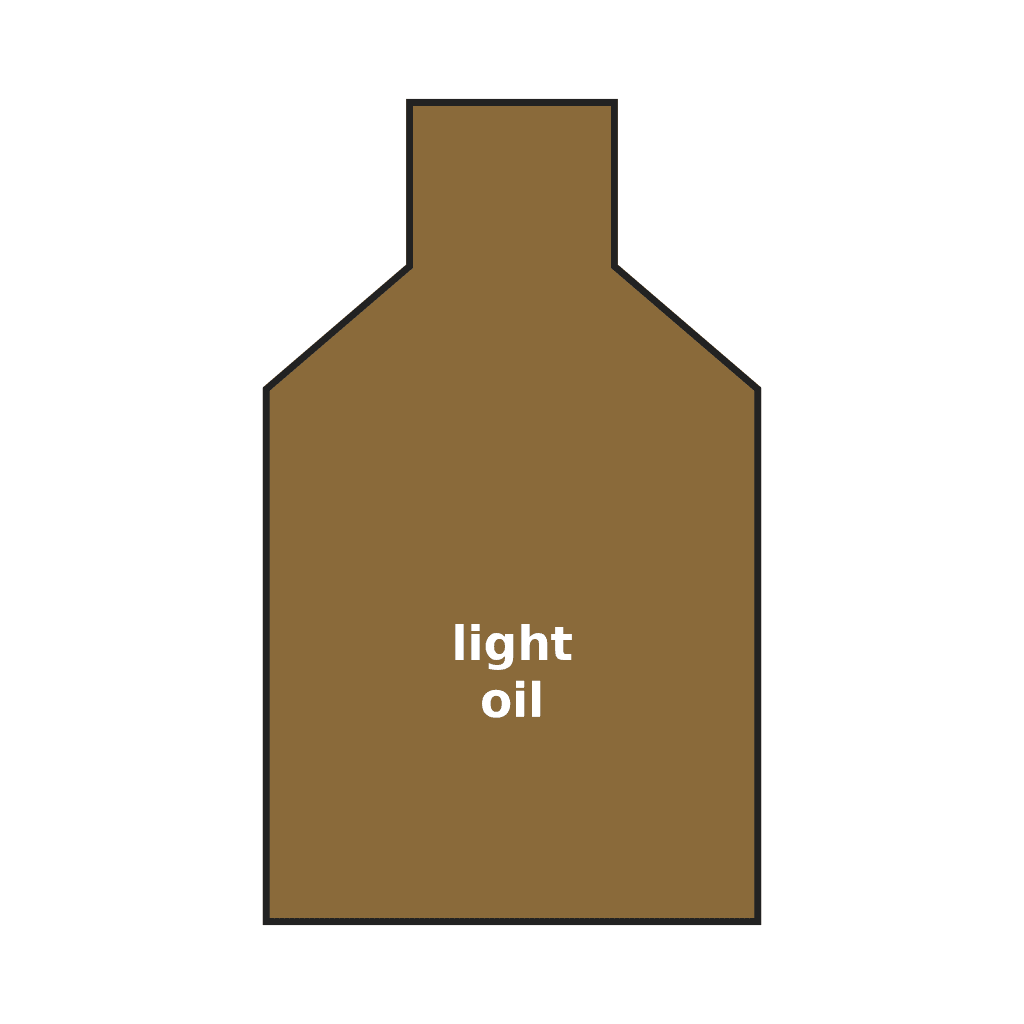
Лёгкое масло каменноугольной смолы
Free
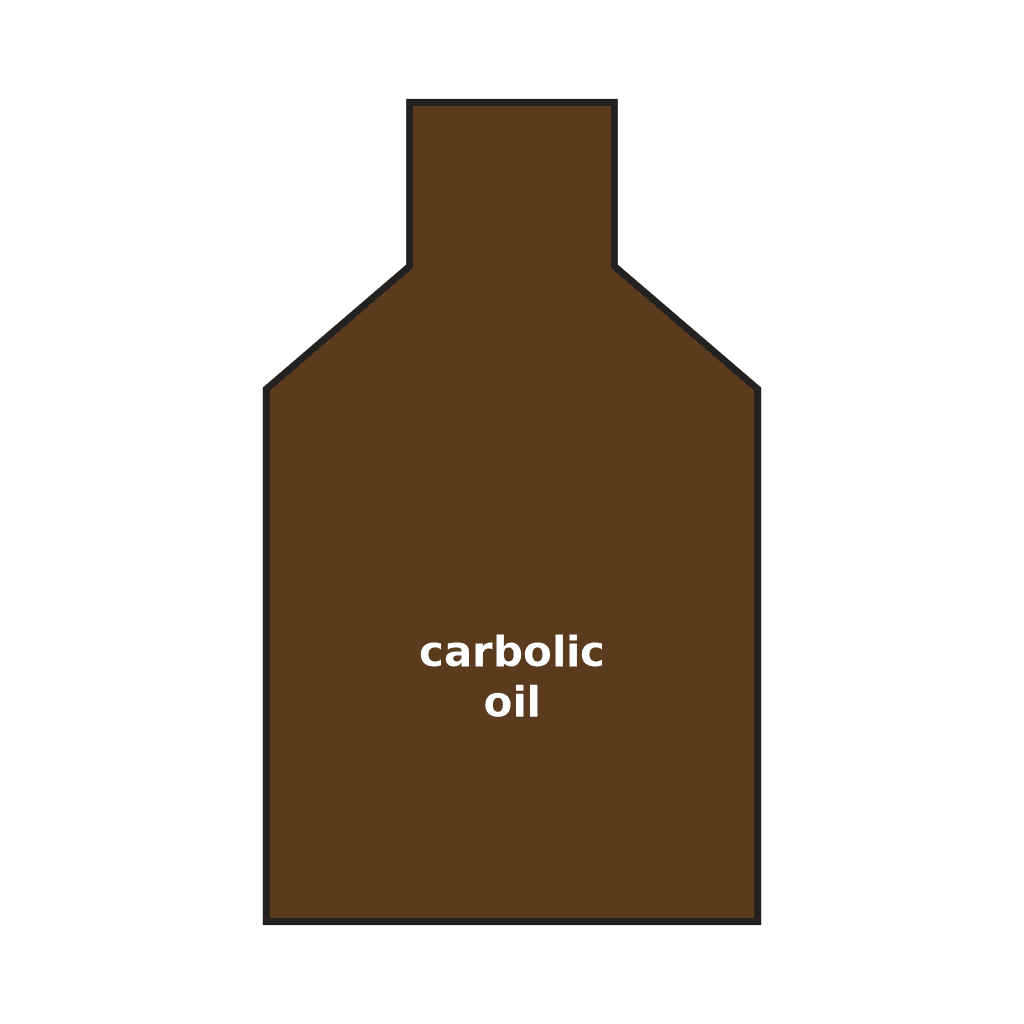
Карболовое масло
Free
Связанные чертежи
Эти чертежи делятся знаниями — техники, материалы или принципы
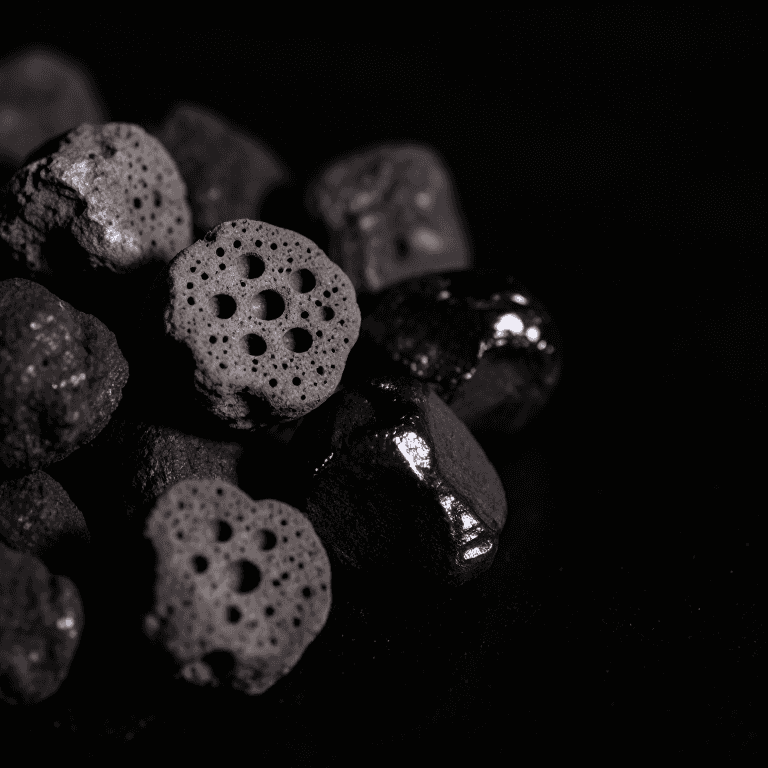
Making Coke from Coal — The Smokeless Fuel That Forged the Industrial Revolution
от Gimli
Металлообработка
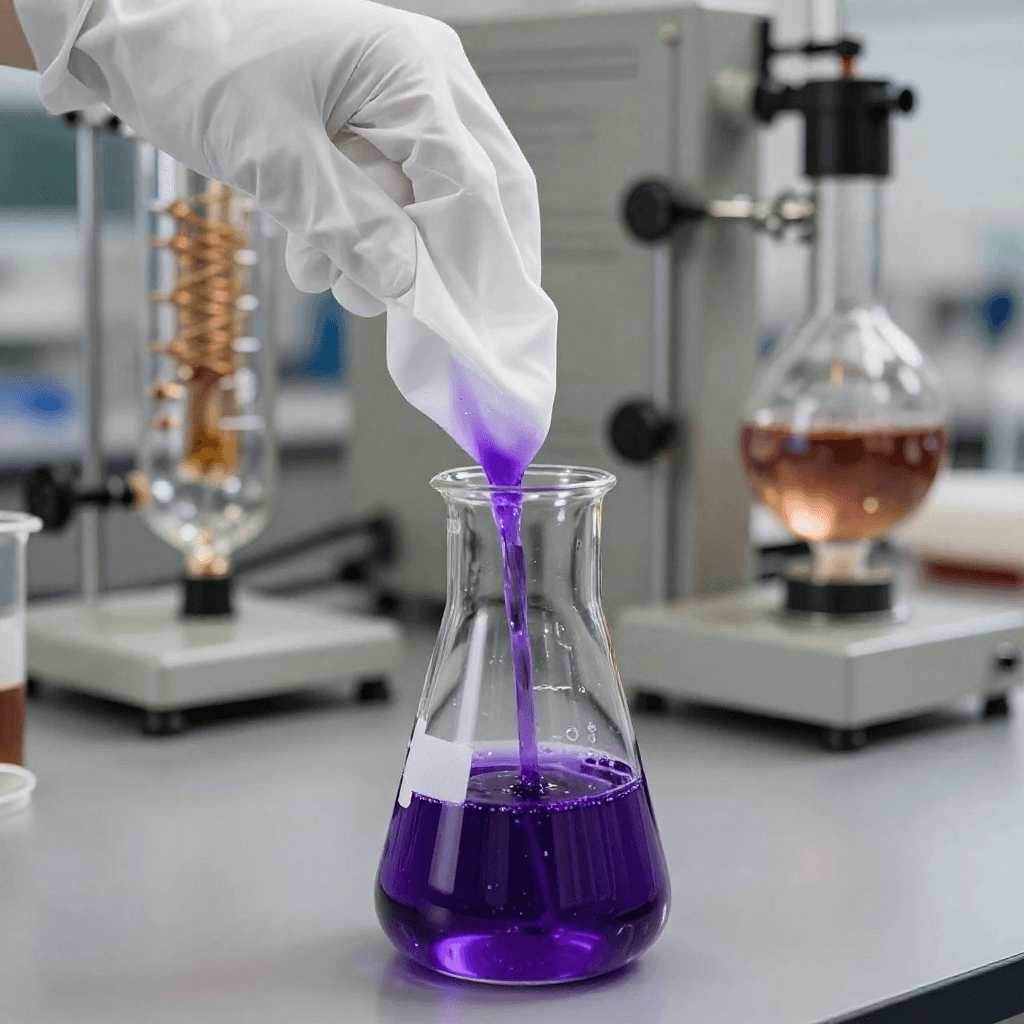
Perkin's Mauveine — The First Synthetic Aniline Dye from Coal Tar
от Tex
Текстиль и кожа
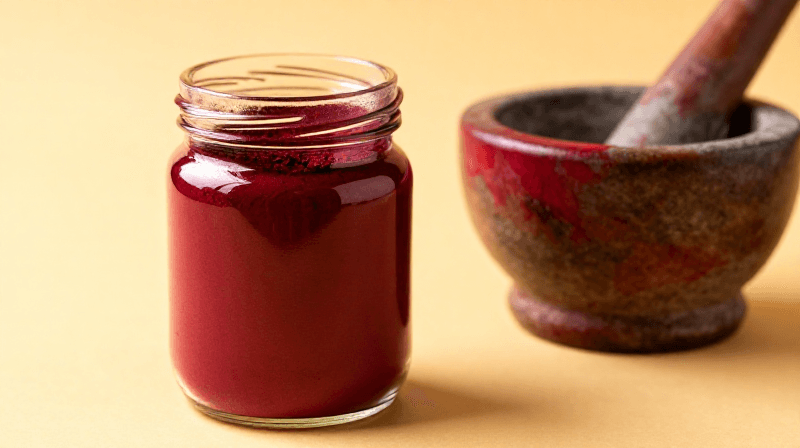
Making Synthetic Alizarin Crimson — The Coal Tar Pigment That Destroyed the Madder Industry
от Charlie
ИСКУССТВО
CC0 Общественное достояние
Этот чертёж выпущен под лицензией CC0. Вы можете свободно копировать, изменять, распространять и использовать эту работу в любых целях без запроса разрешения.
Поддержите мейкера, покупая товары через его чертёж, где он получает Комиссию мейкера установленную продавцами, или создайте новую итерацию этого чертежа и включите его как связь в свой чертёж для распределения дохода.