Сотрудничество
ИСКУССТВО
КРАСОТА И ЗДОРОВЬЕ
РЕМЕСЛО
КУЛЬТУРА И ИСТОРИЯ
РАЗВЛЕЧЕНИЯ
ЭКОЛОГИЯ
ЕДА И НАПИТКИ
ОБРАТНАЯ ИНЖЕНЕРИЯ
НАУКИ
СПОРТ
ТЕХНОЛОГИИ
НОСИМЫЕ УСТРОЙСТВА
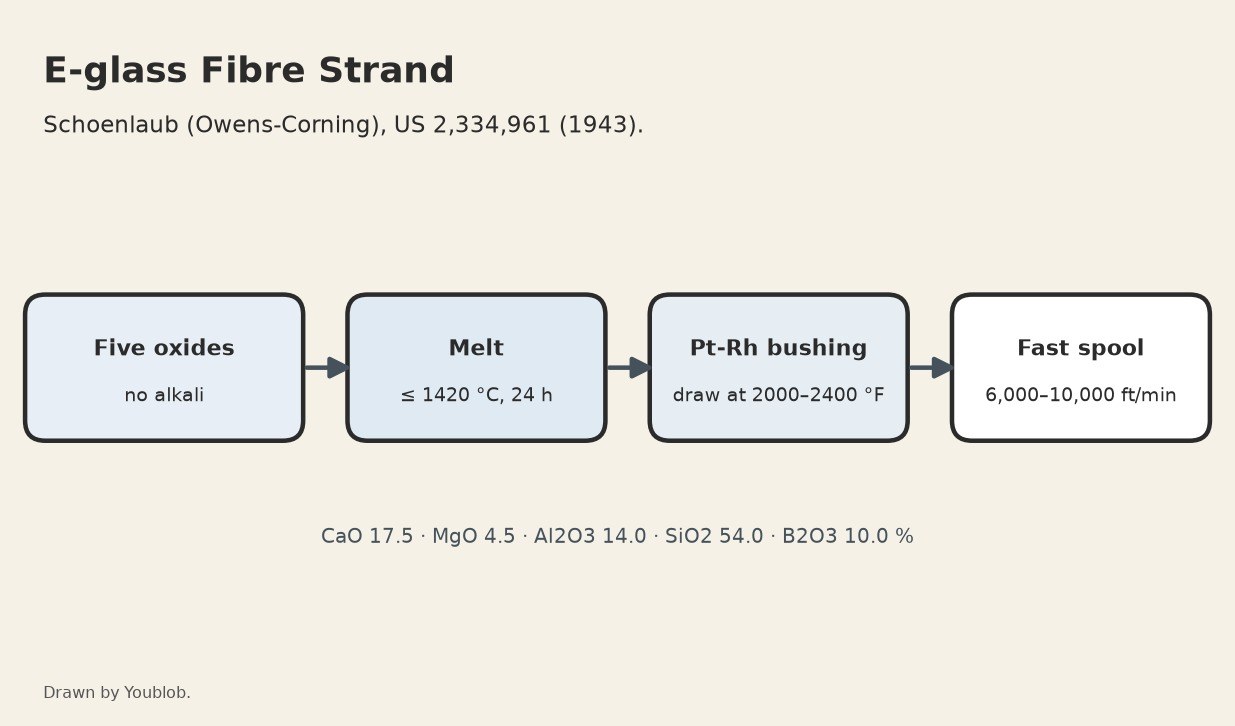


E-glass Fibre Strand: Alkali-Free Lime-Alumina-Borosilicate Glass Drawn to Filament
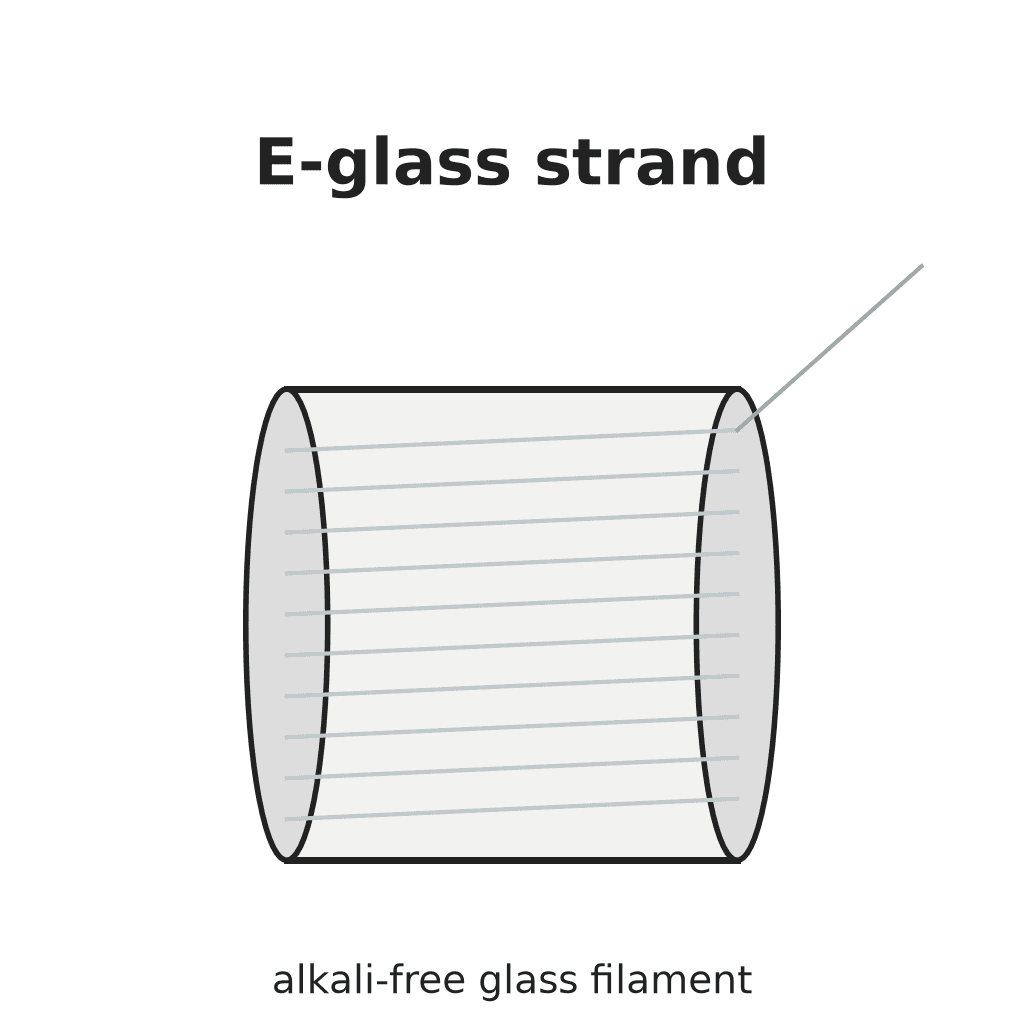
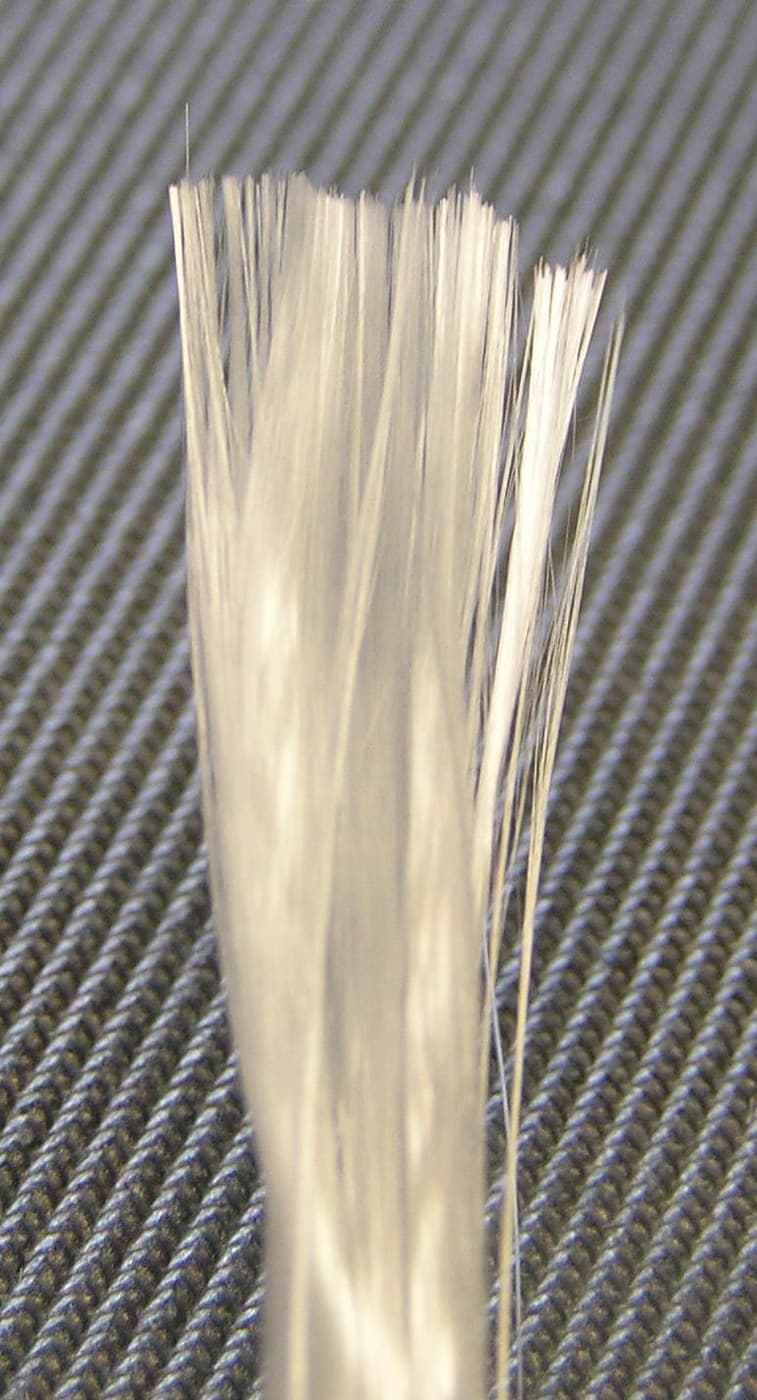
Fibre from ordinary glass carries alkali on its huge surface; it takes up water from the air and slowly destroys itself, and it conducts electricity. Schoenlaub's Owens-Corning glass (US 2,334,961, 1943) has no alkali at all: lime, magnesia, alumina and silica fluxed with boric oxide. It was made to be drawn into fibres for insulation and textiles. It is melted at up to 1420 °C and drawn into continuous filaments on a fast spool.
The picture: our diagram.
Продвинутый
2 days
Инструкции
1
1
Weigh out the batch
Weigh out the batch
The patent's example glass: lime (CaO) 17.5 %, magnesia (MgO) 4.5 %, alumina 14.0 %, silica 54.0 %, boric oxide 10.0 %. Ours: weigh those five oxides in those proportions and mix them. Keep within the patent's limits; small changes make this glass devitrify.
Материалы для этого шага:
 Негашёная известь17.5 parts
 Оксид магния4.5 parts
 Порошок глинозёма (оксид алюминия)14 parts
 Кварцевый песок54 parts
 Оксид бора10 parts
Необходимые инструменты:
 Рычажные весы
 Защитные очки
2
2
Melt at no more than 1420 °C
Melt at no more than 1420 °C
Melt the batch in a glass tank furnace without going above 1420 °C; the patent's day tanks ran on a 24-hour cycle.
Необходимые инструменты:
 Стекловаренная печь
 Пирометр
 Термостойкие перчаткиЗащитные очки
3
3
Feed the platinum bushing
Feed the platinum bushing
Draw from a platinum-rhodium bushing like Slayter and Thomas's, heated by an adjustable current. The drawing range of this glass is about 2000–2400 °F (1090–1320 °C). A blower below the nozzles sets each filament.
Необходимые инструменты:
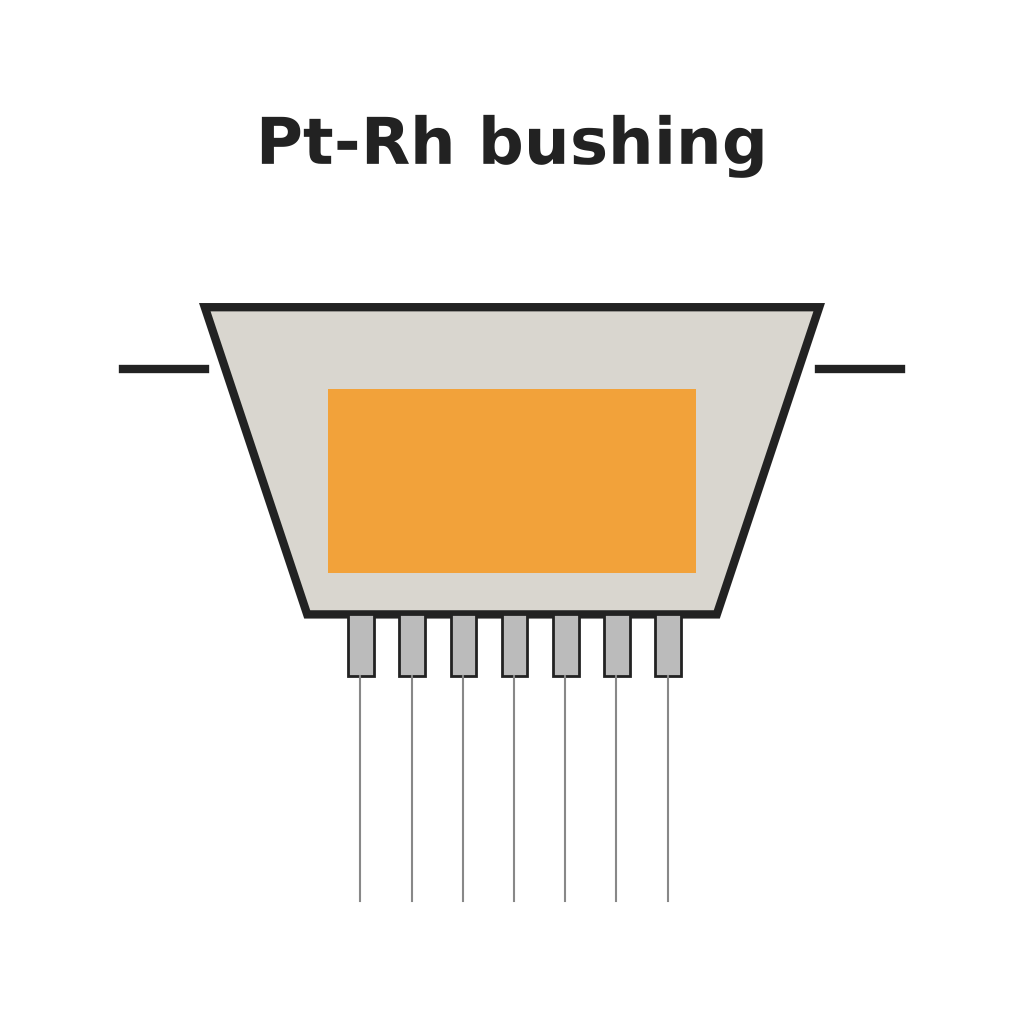 Платинородиевая фильера
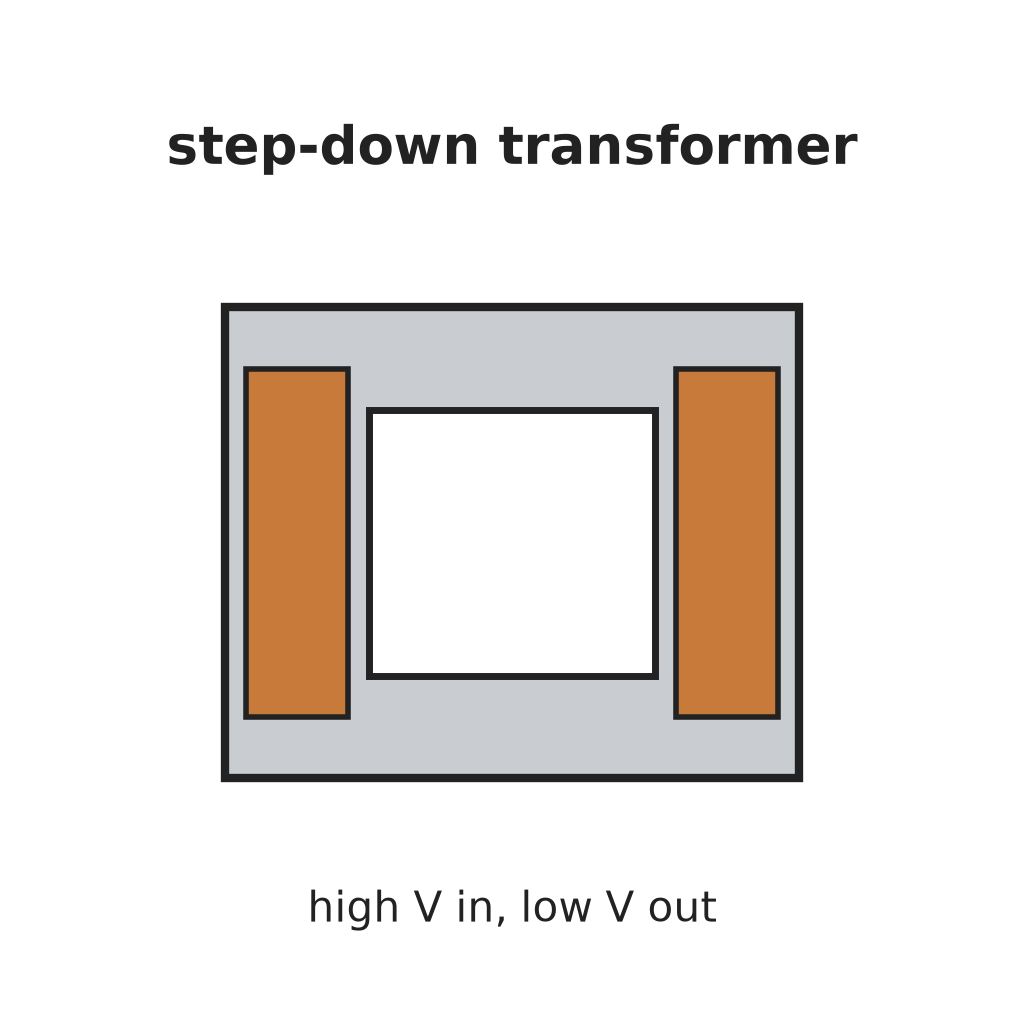 Понижающий трансформаторПирометр
 ВоздуходувкаТермостойкие перчатки
4
4
Wind on a fast spool
Wind on a fast spool
Gather the filaments into a strand and wind it on a spool running as fast as 6,000–10,000 ft per minute (30–50 m/s). Filaments come out about .0001–.0003 in (2.5–7.6 µm) thick. The strand can then be twisted and plied into yarn.
Необходимые инструменты:
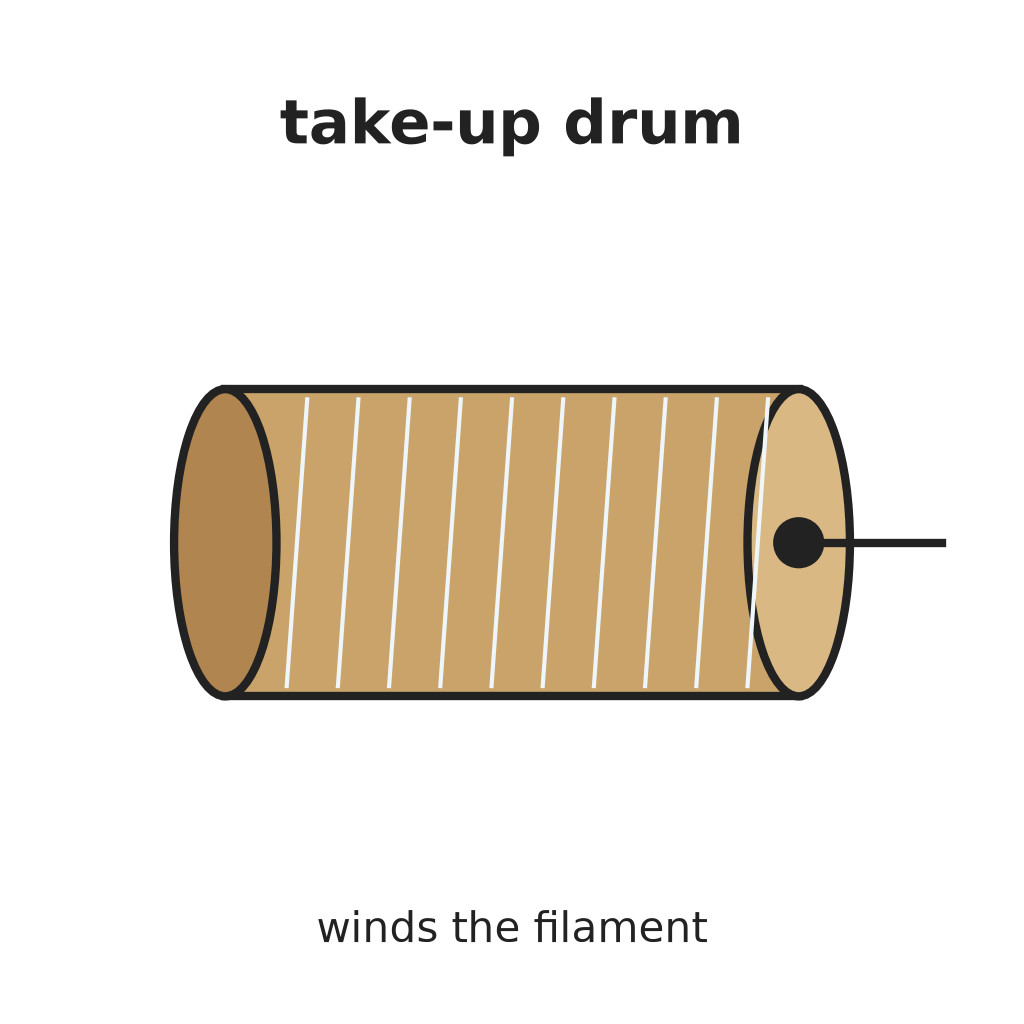 Приёмный барабан
Материалы
5- 17.5 partsЗаполнитель
- 4.5 partsЗаполнитель
- Заполнитель
- 54 partsЗаполнитель
- 10 partsЗаполнитель
Требуемые инструменты
9- Заполнитель
- Заполнитель
- Заполнитель
- Заполнитель
- Заполнитель
- Заполнитель
- Заполнитель
- Заполнитель
- Заполнитель
По этому чертежу делают
Связанные чертежи
Эти чертежи делятся знаниями — техники, материалы или принципы
CC0 Общественное достояние
Этот чертёж выпущен под лицензией CC0. Вы можете свободно копировать, изменять, распространять и использовать эту работу в любых целях без запроса разрешения.
Поддержите мейкера, покупая товары через его чертёж, где он получает Комиссию мейкера установленную продавцами, или создайте новую итерацию этого чертежа и включите его как связь в свой чертёж для распределения дохода.