Сотрудничество
ИСКУССТВО
КРАСОТА И ЗДОРОВЬЕ
РЕМЕСЛО
КУЛЬТУРА И ИСТОРИЯ
РАЗВЛЕЧЕНИЯ
ЭКОЛОГИЯ
ЕДА И НАПИТКИ
ОБРАТНАЯ ИНЖЕНЕРИЯ
НАУКИ
СПОРТ
ТЕХНОЛОГИИ
НОСИМЫЕ УСТРОЙСТВА
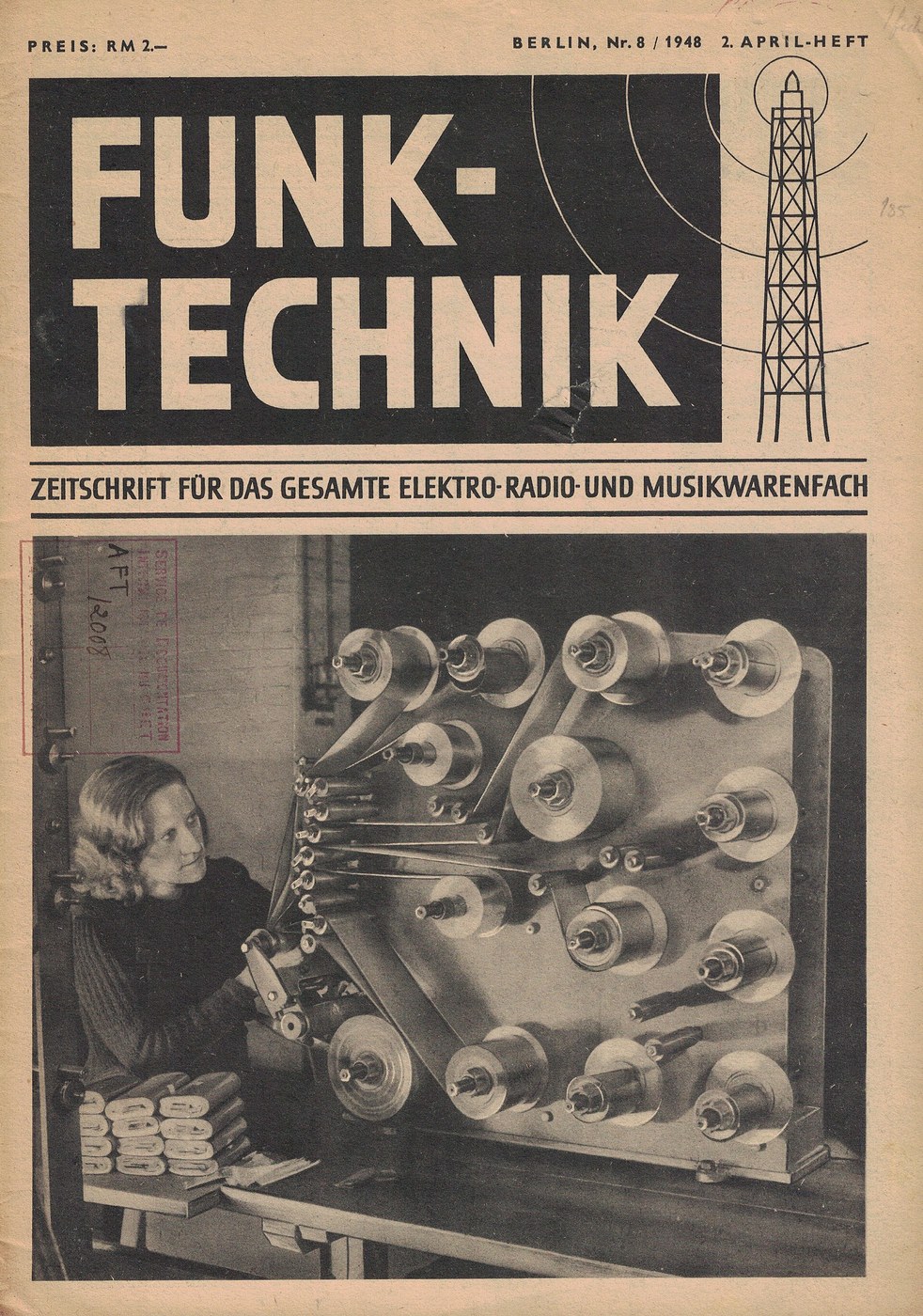


Electrolytic Capacitors: Borate Paper Wound with Formed Aluminium Foil and Vacuum-Impregnated (Danziger, US 2,107,780)
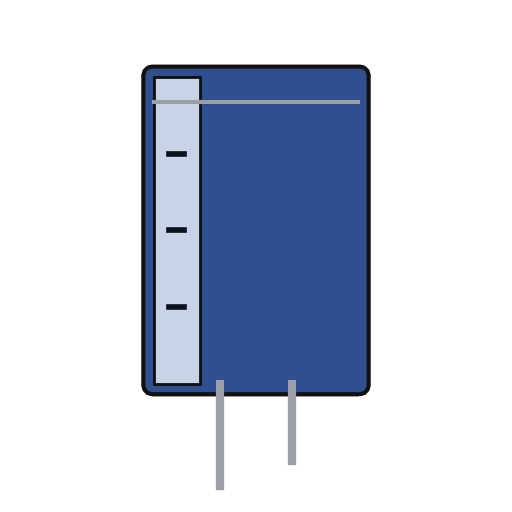
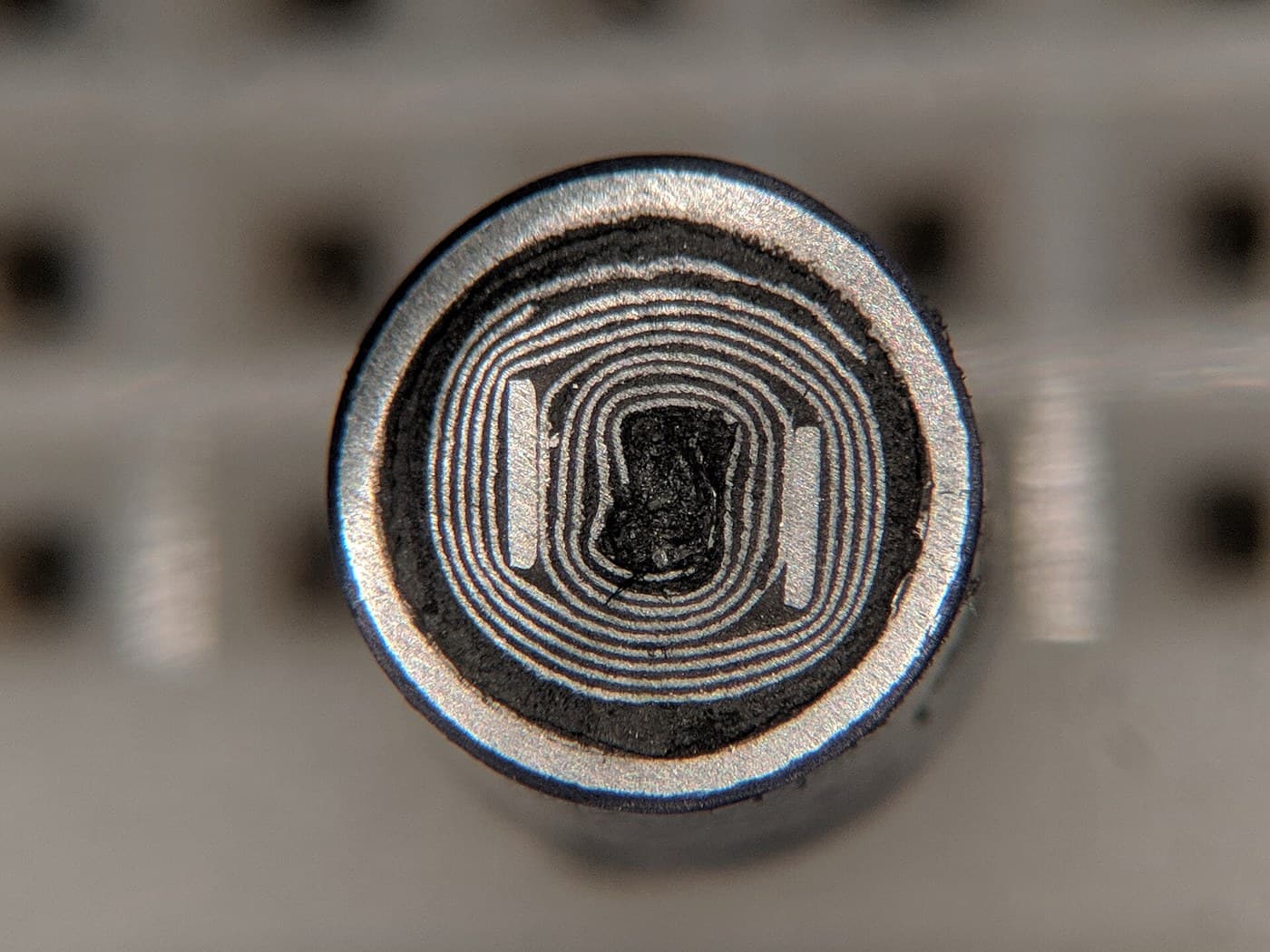
A dry electrolytic capacitor wound from aluminium foil and paper. The paper is first soaked in ammonium borate and dried, so the salt is already in its fibres. After winding, the bodies are soaked under heat and vacuum in borate dissolved in glycol, boxed and aged at 500 volts.
Result: electrolytic capacitors. In the patent's tests these lost only 4.8 % of their capacity, against about 33 % for bodies made the ordinary way, and their power-factor loss rose 87 % on life test against 250 %.
Source: H. I. Danziger and A. Di Giacomo, US 2,107,780 (1938). Unknown: how the anode foil is formed, which paper, the tab metal, and how the ammonium borate is made; the patent does not give them. Picture: Wikimedia Commons.
Продвинутый
1 day
Инструкции
1
1
Salt the paper
Salt the paper
Draw the paper strip through a saturated solution of ammonium borate in water, about 15 to 30 seconds for each part of it, then dry it at about 80 °C for about 15 seconds and reel it up. The salted paper keeps until needed. Unknown: which paper. Ours: a tray for the bath and a drying oven.
Материалы для этого шага:
 Конденсаторная бумага-прокладка1 strip
 Борат аммония1 to saturate
Необходимые инструменты:
 Вода
 Поднос
 Сушильная печь
2
2
Wind the bodies
Wind the bodies
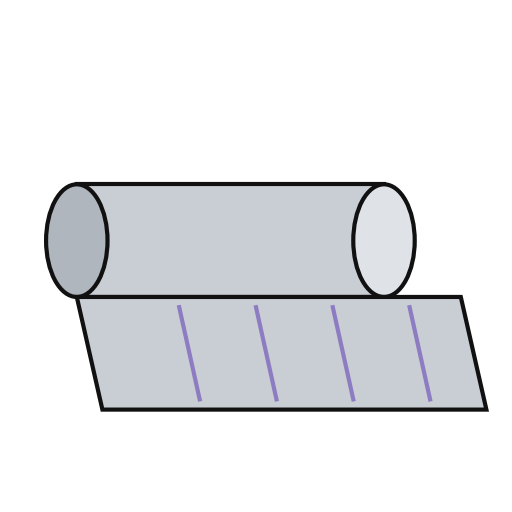
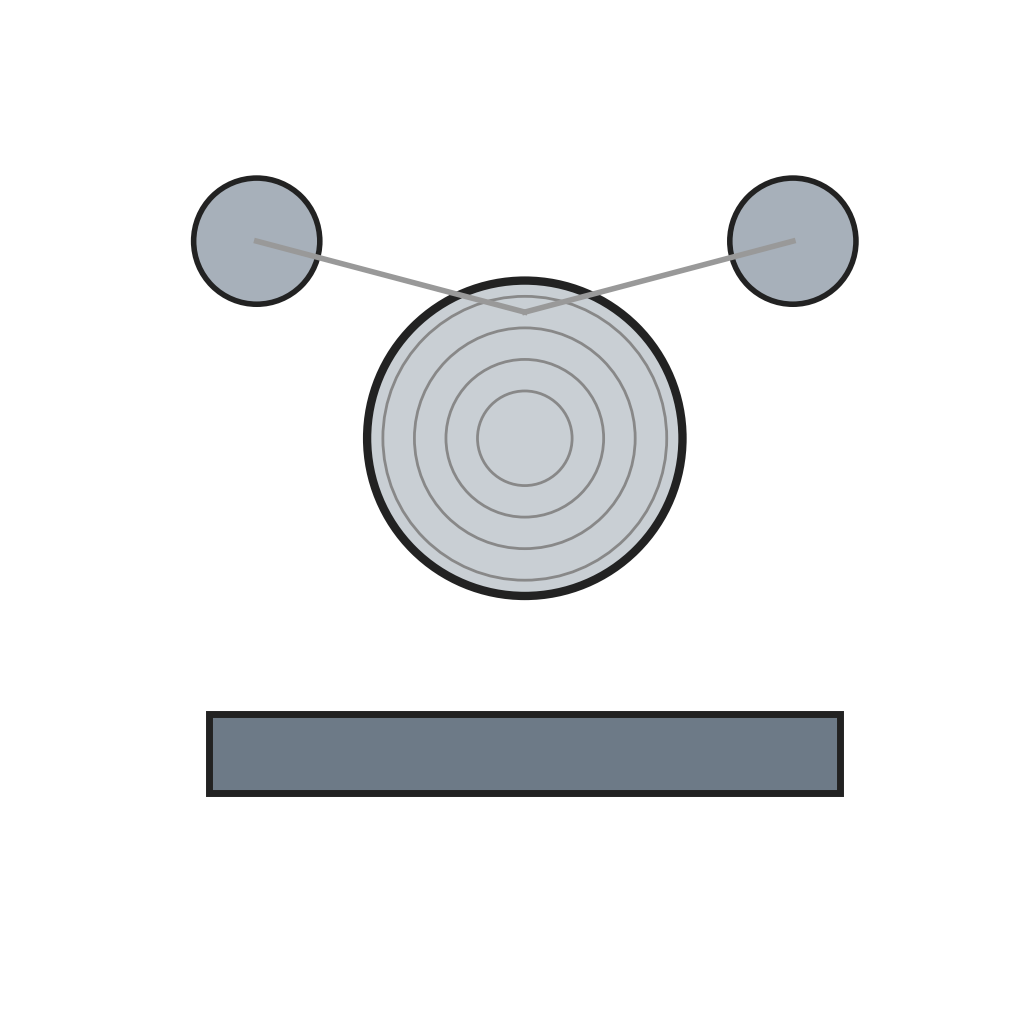
On a winding machine, wind two aluminium foil strips with the salted paper between them onto a mandrel; at least one foil must already carry its electrolytic film. One paper strip is enough. Let the paper stand out at both ends, bring a connection tab out of each end, cut the strips and hold the body wound with a rubber band. Unknown: how the foil was formed, and the tab metal.
Материалы для этого шага:
 Формованная алюминиевая фольга1 strip
 Алюминиевая фольга1 strip
 Неизвестный металл2 tabs
Необходимые инструменты:
 Намоточный станок для конденсаторов
 Резинки
3
3
Make the impregnant
Make the impregnant
Heat ethylene glycol to about 90 °C, then stir in powdered ammonium borate slowly and continuously until the solution reaches about 122 °C. Ours: a hot plate and thermometer.
Материалы для этого шага:
 Этиленгликоль1 as requiredБорат аммония1 as required
Необходимые инструменты:
 Электроплитка
 Термометр
4
4
Soak under heat and vacuum
Soak under heat and vacuum
Rack the bodies in a vacuum tank heated to about 50 °C and draw about 745 mm of vacuum for about an hour to pull out air and moisture. Draw in the impregnant at about 85 °C, ease the vacuum to about 310 mm, and hold at about 85 °C for about another hour.
Необходимые инструменты:
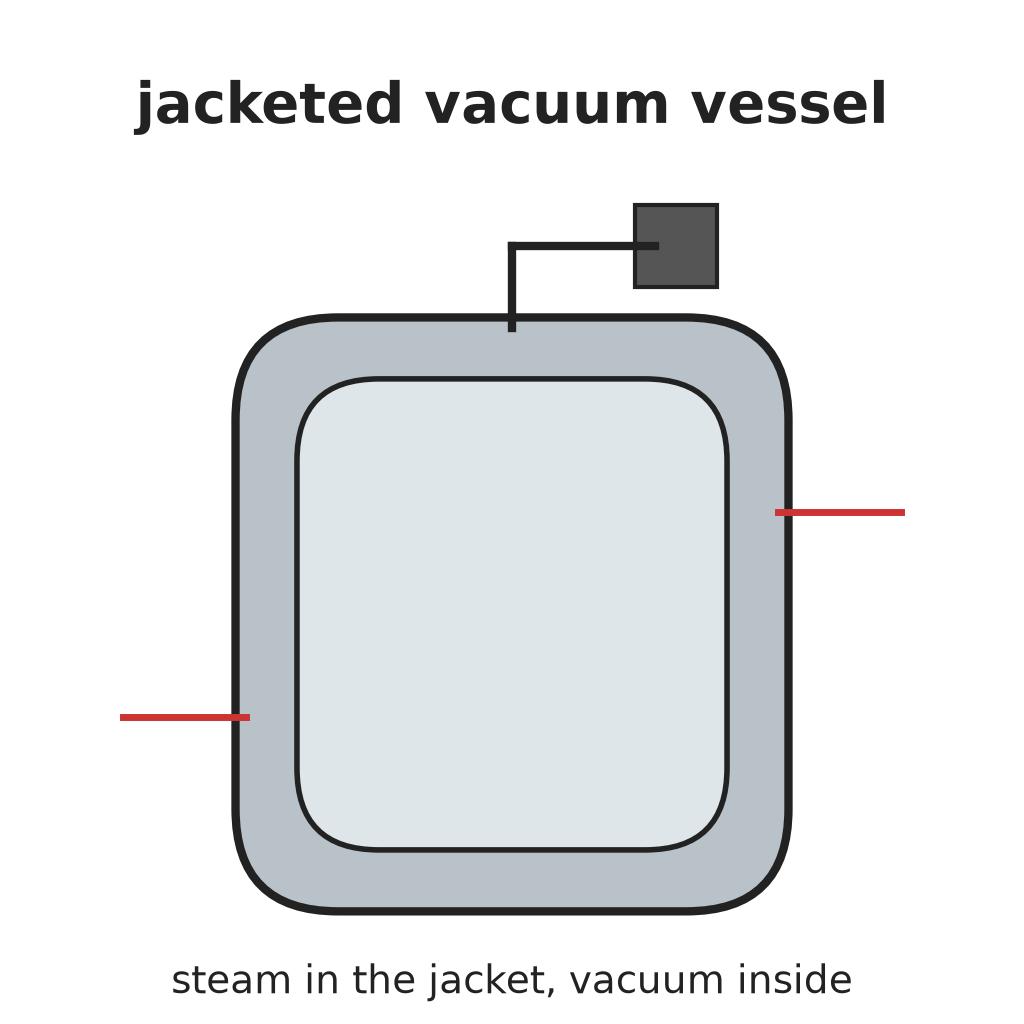 Вакуумный сосуд с паровой рубашкой
 Вакуумный насосТермометр
5
5
Box and age
Box and age
Take the bodies out, put them in cardboard containers, and age them at about 500 volts DC for about three hours.
Материалы для этого шага:
 Картонная туба1 per capacitor
Необходимые инструменты:
 Высоковольтный источник постоянного тока (настольный)
Материалы
7- Заполнитель
- 1 as requiredЗаполнитель
- Заполнитель
- 1 stripЗаполнитель
- 2 tabsЗаполнитель
- 1 as requiredЗаполнитель
- 1 per capacitorЗаполнитель
Требуемые инструменты
10- Заполнитель
- Заполнитель
- Заполнитель
- Заполнитель
- Заполнитель
- Заполнитель
- Заполнитель
- Заполнитель
- 1 vendor sell this, none ship to you yetЗаполнитель
По этому чертежу делают
Связанные чертежи
Эти чертежи делятся знаниями — техники, материалы или принципы
CC0 Общественное достояние
Этот чертёж выпущен под лицензией CC0. Вы можете свободно копировать, изменять, распространять и использовать эту работу в любых целях без запроса разрешения.
Поддержите мейкера, покупая товары через его чертёж, где он получает Комиссию мейкера установленную продавцами, или создайте новую итерацию этого чертежа и включите его как связь в свой чертёж для распределения дохода.