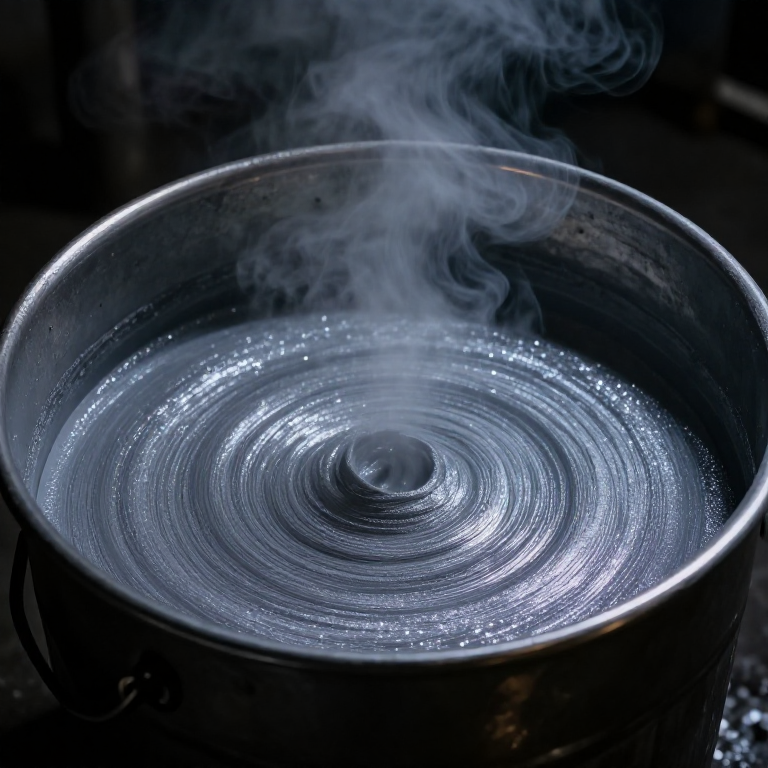


Galvanizing Iron with Zinc — A Coat That Rusts So the Iron Will Not
Iron's great weakness is rust. Left in the weather, an iron roof or bucket flakes away to nothing in a few years. In 1837 the French engineer Stanislas Sorel patented a cure that is still used on a vast scale today: dip the iron in a bath of molten zinc. The zinc bonds to the surface and shields the iron beneath, and galvanized iron suddenly lasted for decades outdoors.
The zinc protects in two ways at once. It is a barrier, sealing the iron from air and water — but more cleverly, it is a sacrifice. Zinc is more reactive than iron, so even where the coating is scratched and bare iron shows, the surrounding zinc corrodes first and spares the iron. The coating gives up itself to save the metal underneath.
Hot-dip galvanizing clad the Industrial Revolution's wire, nails, pipes, and the corrugated iron roofs that sheltered half the world. It is simple in principle — clean the iron, flux it, and dip it in molten zinc — but every step matters, because a missed patch of grease or rust leaves a hole in the armour.
Инструкции
Understand galvanizing
Understand galvanizing
Degrease the iron
Degrease the iron
Материалы для этого шага:
 Каустическая сода (гидроксид натрия)200 г
Pickle off the rust
Pickle off the rust
Материалы для этого шага:
 Серная кислота2 литров
Необходимые инструменты:
 Ванна для кислоты
Rinse and flux
Rinse and flux
Материалы для этого шага:
 Хлорид цинка и аммония300 г
Dry the fluxed part
Dry the fluxed part
Melt the zinc bath
Melt the zinc bath
Материалы для этого шага:
 Цинковый слиток50 кг
Dip the iron
Dip the iron
Необходимые инструменты:
 Щипцы для тигля
Hold until soaked through
Hold until soaked through
Необходимые инструменты:
Щипцы для тигляWithdraw and drain
Withdraw and drain
Необходимые инструменты:
 Корзина для погружения
Cool the coating
Cool the coating
Материалы для этого шага:
 Вода20 литров
Inspect the coat
Inspect the coat
Необходимые инструменты:
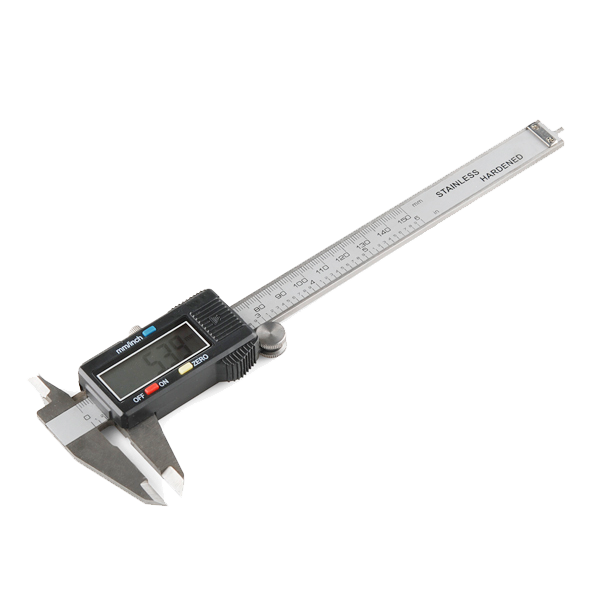 Calipers
Understand sacrificial protection
Understand sacrificial protection
Материалы
5- Заполнитель
- 2 литровЗаполнитель
- Заполнитель
- 50 кгЗаполнитель
- 20 литровЗаполнитель
Требуемые инструменты
4- Заполнитель
- Заполнитель
- Заполнитель
- Digital Calipers - 152.4 mm10% комиссия$14.06
Материалы из связанных чертежей
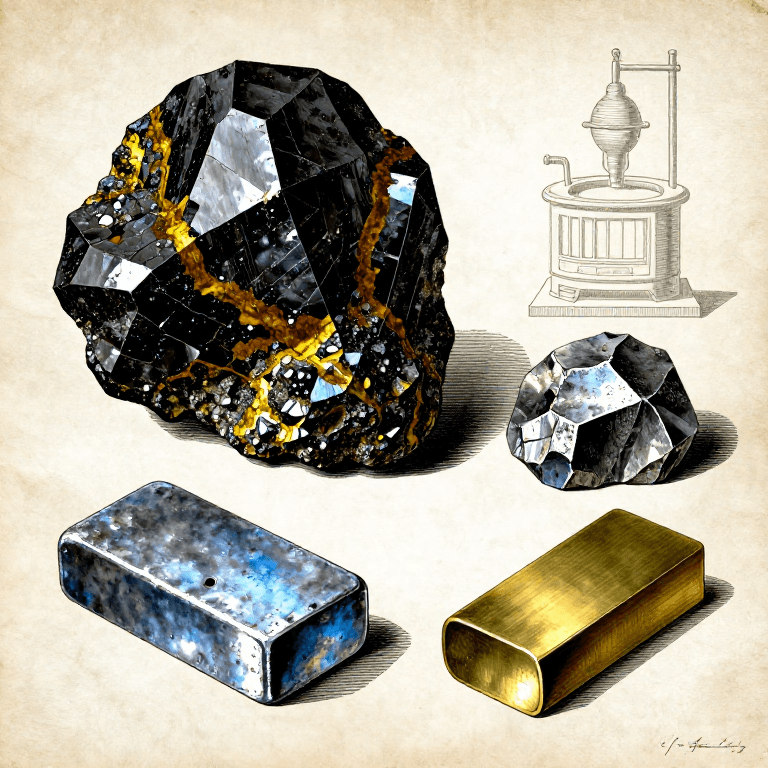


По этому чертежу делают

Связанные чертежи
Эти чертежи делятся знаниями — техники, материалы или принципы

CC0 Общественное достояние
Этот чертёж выпущен под лицензией CC0. Вы можете свободно копировать, изменять, распространять и использовать эту работу в любых целях без запроса разрешения.
Поддержите мейкера, покупая товары через его чертёж, где он получает Комиссию мейкера установленную продавцами, или создайте новую итерацию этого чертежа и включите его как связь в свой чертёж для распределения дохода.