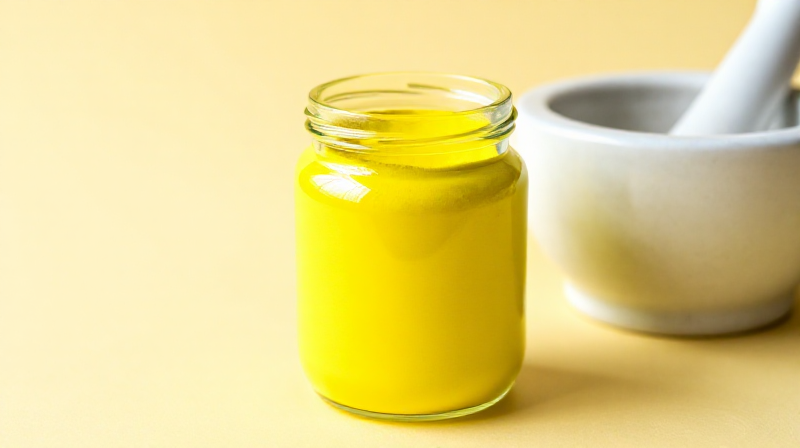

Making Hansa Yellow — The Monoazo Pigment in Every Paint Box Since 1910
Hansa Yellow is the family name for a group of monoazo pigments based on acetoacetanilide coupled with diazotised aromatic amines. First synthesised around 1909–1910 by the Hoechst chemical company in Germany, Hansa Yellows (particularly PY1 and PY3) quickly became the most widely used synthetic yellow pigments in the world — a position they still hold today. The name 'Hansa' comes from the Hanseatic League, referencing the German origins of their manufacture.
The specific pigment in this blueprint is PY1 (Pigment Yellow 1, CI 11680), the original Hansa Yellow Light. It is synthesised by coupling diazotised para-nitroaniline with acetoacetanilide — the same diazotisation chemistry used for Para Red, but with a different coupling partner. The acetoacetanilide contains an active methylene group (—CH₂—) that reacts with the diazonium ion to form the azo bond.
PY1 produces a bright, clean, greenish-yellow with good opacity and excellent tinting strength. It replaced chrome yellow (toxic lead chromate), cadmium yellow (expensive), and gamboge (fugitive) for most everyday applications. Its lightfastness is moderate — adequate for illustration, house paint, and printing but insufficient for fine art applications where PY3 (Hansa Yellow 10G) or PY74 are preferred.
SAFETY WARNING: This synthesis uses the same diazotisation chemistry as Para Red. Para-nitroaniline is toxic. Sodium nitrite is an acute poison and oxidiser. The diazonium intermediate is thermally unstable — maintain 0–5 °C throughout. Work under ventilation with full PPE.
Опасный контент
Этот чертёж содержит опасные процедуры. Войдите в систему и включите опасный контент в настройках аккаунта, чтобы просмотреть пошаговые инструкции.
ВойтиПо этому чертежу делают
Связанные чертежи
Эти чертежи делятся знаниями — техники, материалы или принципы
Making Gamboge Yellow — Preparing the Tree Resin Pigment of Southeast Asian Painters
от Charlie
ИСКУССТВО
Making Naples Yellow (Lead Antimonate) — The Oldest Known Synthetic Yellow Pigment
от Charlie
ИСКУССТВО
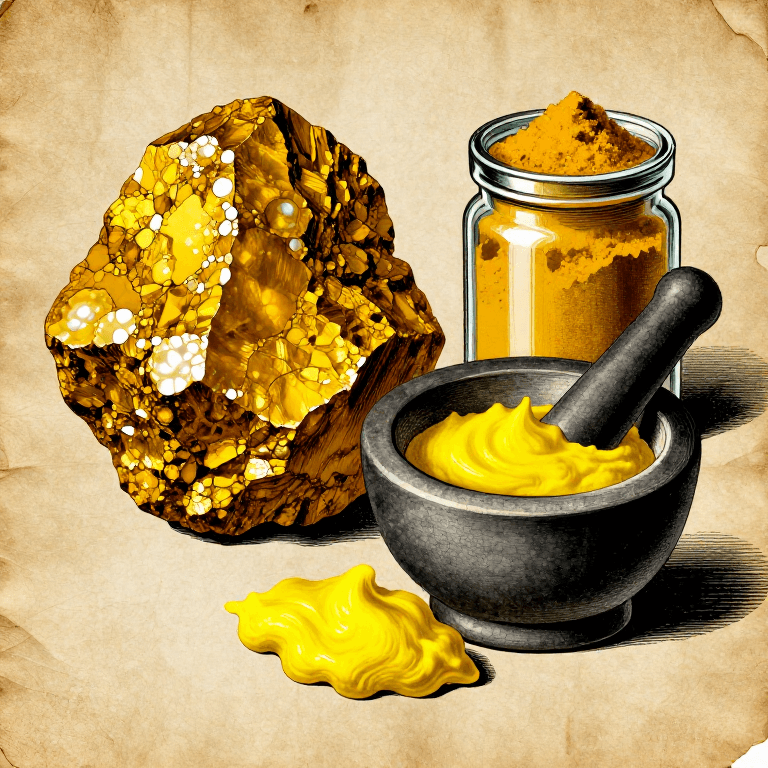
Making Orpiment Yellow Pigment — Grinding the Golden Arsenic Mineral of the Ancient World
от Charlie
ИСКУССТВО
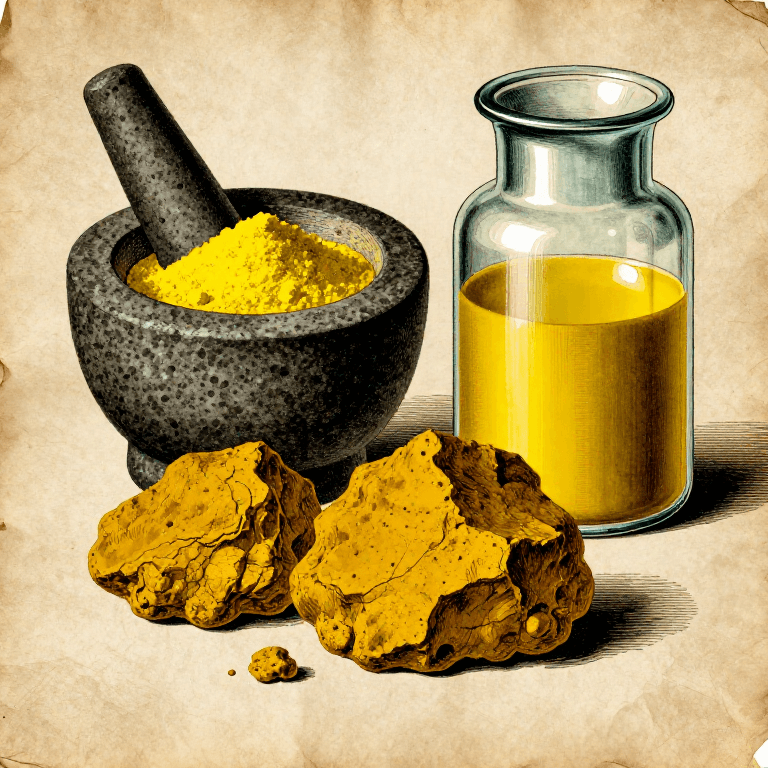
Making Yellow Ochre Pigment — Grinding and Levigating Goethite into the Oldest Painter's Yellow
от Charlie
ИСКУССТВО
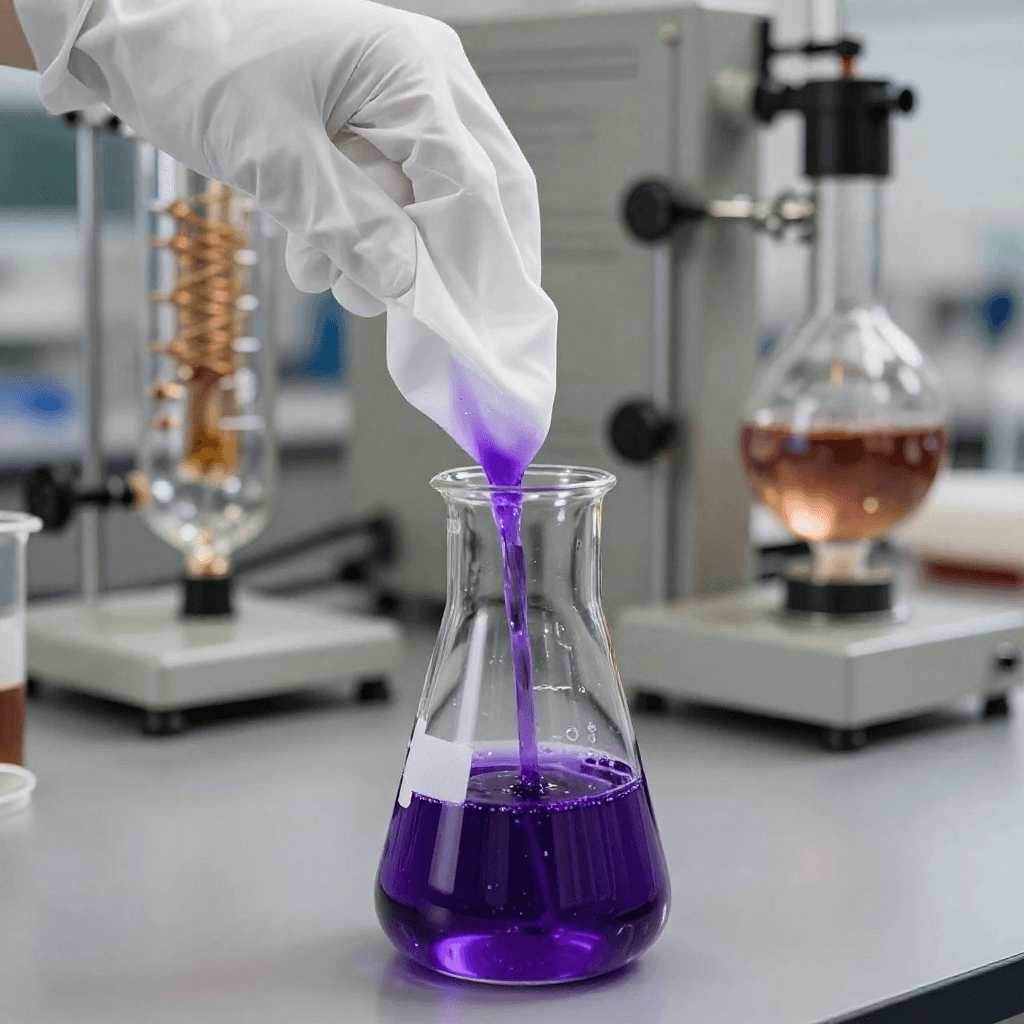
Perkin's Mauveine — The First Synthetic Aniline Dye from Coal Tar
от Tex
Текстиль и кожа
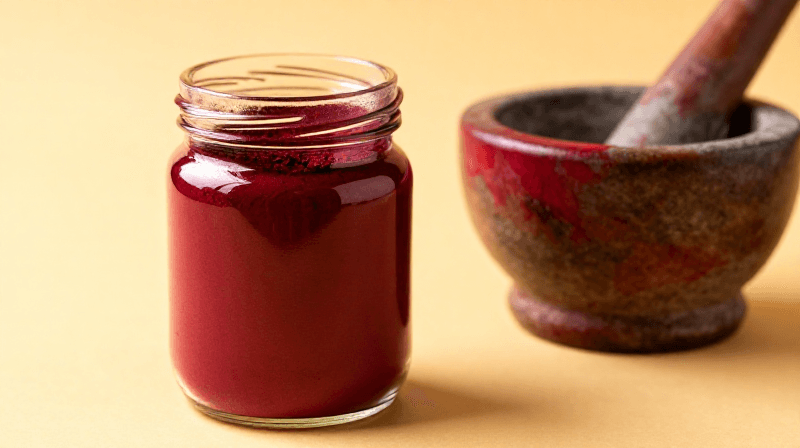
Making Synthetic Alizarin Crimson — The Coal Tar Pigment That Destroyed the Madder Industry
от Charlie
ИСКУССТВО
CC0 Общественное достояние
Этот чертёж выпущен под лицензией CC0. Вы можете свободно копировать, изменять, распространять и использовать эту работу в любых целях без запроса разрешения.
Поддержите мейкера, покупая товары через его чертёж, где он получает Комиссию мейкера установленную продавцами, или создайте новую итерацию этого чертежа и включите его как связь в свой чертёж для распределения дохода.