ИСКУССТВО
КРАСОТА И ЗДОРОВЬЕ
РЕМЕСЛО
КУЛЬТУРА И ИСТОРИЯ
РАЗВЛЕЧЕНИЯ
ЭКОЛОГИЯ
ЕДА И НАПИТКИ
ОБРАТНАЯ ИНЖЕНЕРИЯ
НАУКИ
СПОРТ
ТЕХНОЛОГИИ
НОСИМЫЕ УСТРОЙСТВА
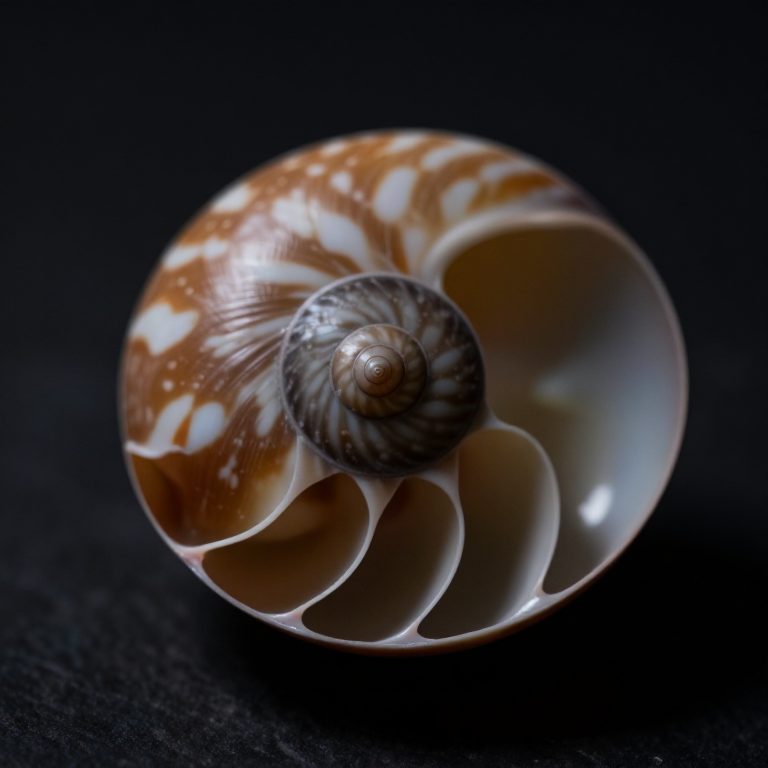


Fibonacci Numbers — Count the Spirals on a Pinecone
A hands-on maths project: count the two sets of spirals on a real pinecone or sunflower and discover they are Fibonacci numbers, then find the golden ratio hiding in the sequence. A Python cell shows the ratios closing in on 1.618, and a compendium separates the real maths of nature from the myths.
Начинающий
30 minutes
Инструкции
1
1
Nature's favourite numbers
Nature's favourite numbers
In 1202 Leonardo of Pisa -- Fibonacci -- wrote down a sequence where each number is the sum of the two before: 1, 1, 2, 3, 5, 8, 13, 21... The astonishing thing is that plants count with these numbers, and you can check it yourself.
2
2
Count the spirals
Count the spirals
Take a pinecone (a sunflower head or a pineapple works too). Look at the base: the scales form spirals winding one way and another set winding the other way. Mark a starting scale and count the spirals going clockwise, then count those going anticlockwise. Write both numbers down.
Необходимые инструменты:
 Набор графитных карандашей
 Набор для поделок из желудей и шишек
3
3
Find the Fibonacci numbers
Find the Fibonacci numbers
Your two spiral counts are almost always two numbers that sit next to each other in the Fibonacci sequence -- very often 8 and 13, or 5 and 8, or 13 and 21. Check them against the sequence 1, 1, 2, 3, 5, 8, 13, 21, 34. Plants grow this way because it packs the seeds most efficiently.
Необходимые инструменты:
 Калькулятор
4
4
Meet the golden ratio
Meet the golden ratio
Загрузка блокнота Jupyter…
Необходимые инструменты:
 Настольный компьютерКалькулятор
5
5
Compendium: real patterns and tall tales
Compendium: real patterns and tall tales
What is true and what is exaggerated. (1) Fibonacci spiral counts in pinecones, sunflowers, pineapples and daisy petals are REAL, and happen because each new part grows at the 'golden angle' of about 137.5 degrees, which packs them tightest. (2) The ratio of neighbouring Fibonacci numbers genuinely approaches the golden ratio, phi = (1 + square root of 5) over 2 = 1.618..., the number satisfying phi-squared = phi + 1. (3) But be sceptical of claims that the golden ratio rules the Parthenon, the Mona Lisa or the 'perfect' face -- many are cherry-picked or made up. The maths in the pinecone is beautiful and real; not every romantic story about it is.
Материалы
1- 1 листЗаполнитель
Требуемые инструменты
4- Заполнитель
- Заполнитель
- Заполнитель
- Заполнитель
Связанные чертежи
Эти чертежи делятся знаниями — техники, материалы или принципы
CC0 Общественное достояние
Этот чертёж выпущен под лицензией CC0. Вы можете свободно копировать, изменять, распространять и использовать эту работу в любых целях без запроса разрешения.
Поддержите мейкера, покупая товары через его чертёж, где он получает Комиссию мейкера установленную продавцами, или создайте новую итерацию этого чертежа и включите его как связь в свой чертёж для распределения дохода.