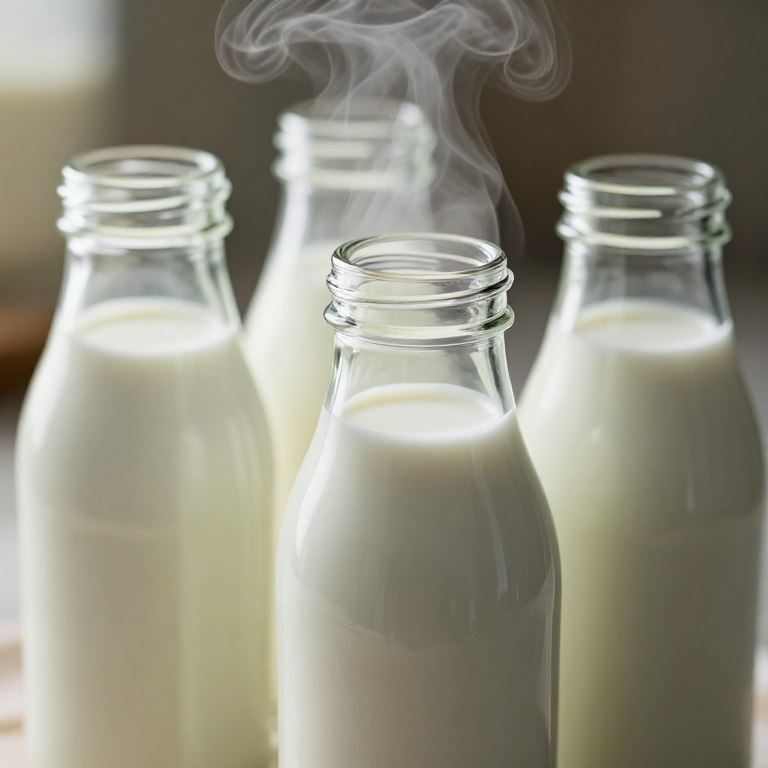


Pasteurising Milk and Wine — Gentle Heat That Kills the Germs Without Cooking
In the 1860s Louis Pasteur proved that the spoiling of wine, the souring of milk, and many diseases were all caused by the same thing: living micro-organisms too small to see. From that insight came a simple, world-changing technique that bears his name — pasteurisation. Heat a perishable liquid just enough to kill most of the microbes in it, but not enough to cook it, and it keeps far longer and becomes safe to drink.
The trick is restraint. Boiling would sterilise milk but ruin its taste; pasteurisation instead holds it at a modest temperature — around 63 degrees for half an hour, or 72 degrees for a few seconds — which destroys the dangerous bacteria while leaving the flavour and most of the nutrition intact. Cool it quickly and seal it clean, and you have a product that is both safe and good.
Pasteurisation does not make food immortal — some spores survive, so pasteurised milk still needs to be kept cold. But it made milk safe for children, ending much of the tuberculosis and infant death that raw milk carried, and it let wine and beer travel the world without turning to vinegar. It is one of the quiet triumphs of public health.
Инструкции
Understand germ theory
Understand germ theory
Choose the liquid
Choose the liquid
Материалы для этого шага:
 Свежее молоко2 литров
Set up a gentle heat bath
Set up a gentle heat bath
Необходимые инструменты:
 Бак для консервирования на водяной бане
Heat to the target temperature
Heat to the target temperature
Необходимые инструменты:
 Комнатный термометр
Hold for the set time
Hold for the set time
Watch the thermometer
Watch the thermometer
Необходимые инструменты:
Комнатный термометрCool quickly
Cool quickly
Материалы для этого шага:
 Кубики льда2 кг
Seal in clean containers
Seal in clean containers
Материалы для этого шага:
 Стеклянные бутылки с плотными крышками4 штук
Know its limits
Know its limits
Compare with sterilisation
Compare with sterilisation
Verify it worked
Verify it worked
Необходимые инструменты:
 Набор для анализа почвы
Appreciate the impact
Appreciate the impact
Материалы
3- 2 литровЗаполнитель
- 2 кгЗаполнитель
- Заполнитель
Требуемые инструменты
3- Заполнитель
- Заполнитель
- Заполнитель
Связанные чертежи
Эти чертежи делятся знаниями — техники, материалы или принципы
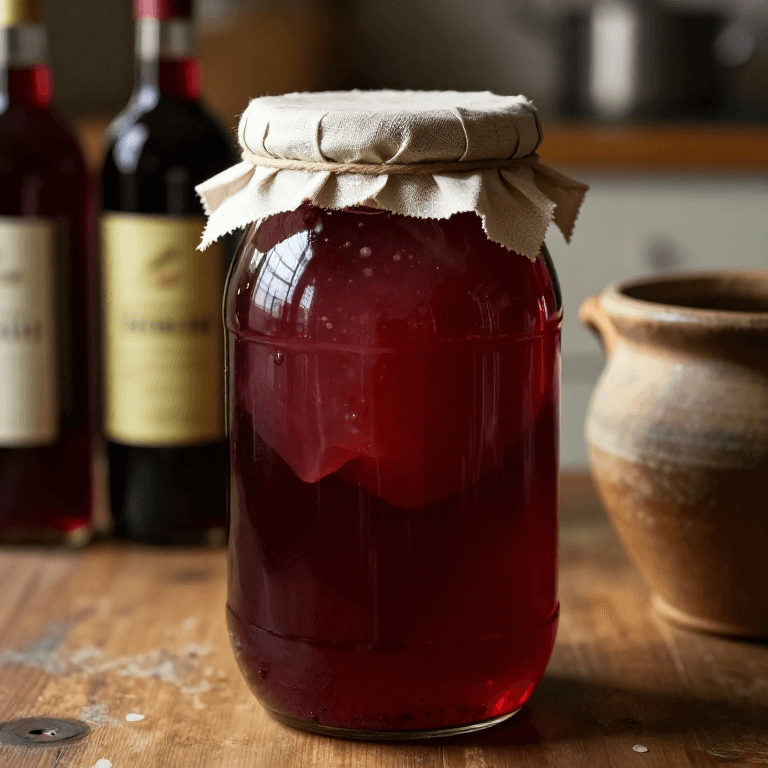


CC0 Общественное достояние
Этот чертёж выпущен под лицензией CC0. Вы можете свободно копировать, изменять, распространять и использовать эту работу в любых целях без запроса разрешения.
Поддержите мейкера, покупая товары через его чертёж, где он получает Комиссию мейкера установленную продавцами, или создайте новую итерацию этого чертежа и включите его как связь в свой чертёж для распределения дохода.