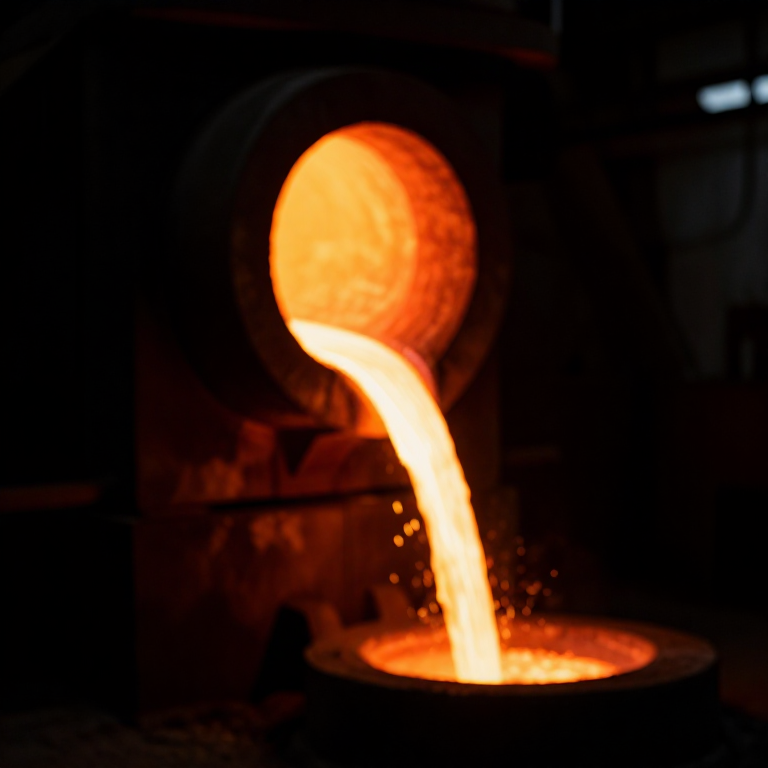


Smelting Pig Iron in a Coke Blast Furnace — Molten Iron at Industrial Scale
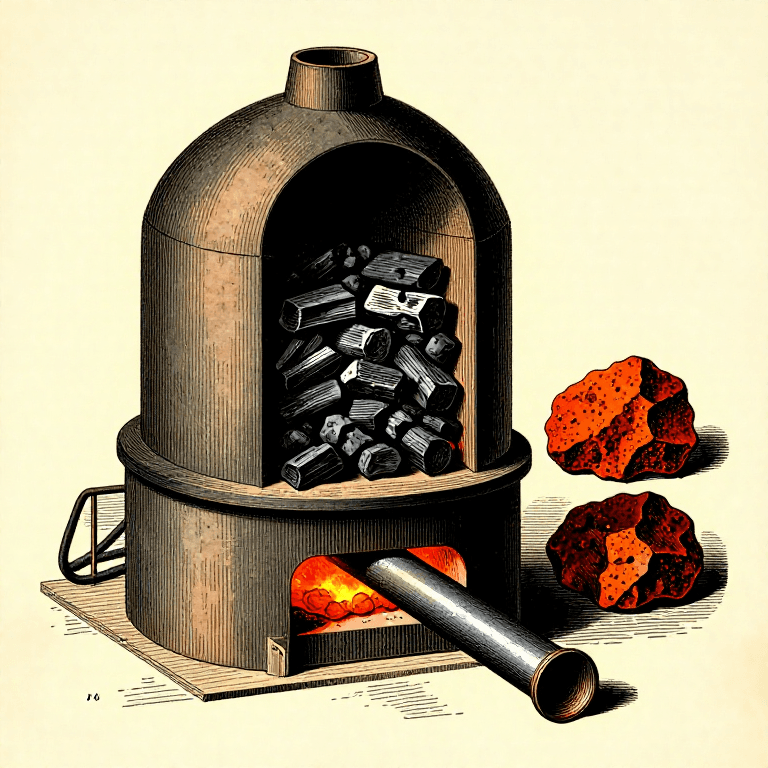
The bloomery gave the ancient world iron, but only in small spongy lumps, one slow batch at a time. The blast furnace changed everything: a tall shaft kept continuously charged and blown produces a steady river of molten iron. Where a bloomery never melts its metal, a blast furnace runs hot enough to liquefy iron entirely, letting it pool at the hearth and be tapped out by the tonne.
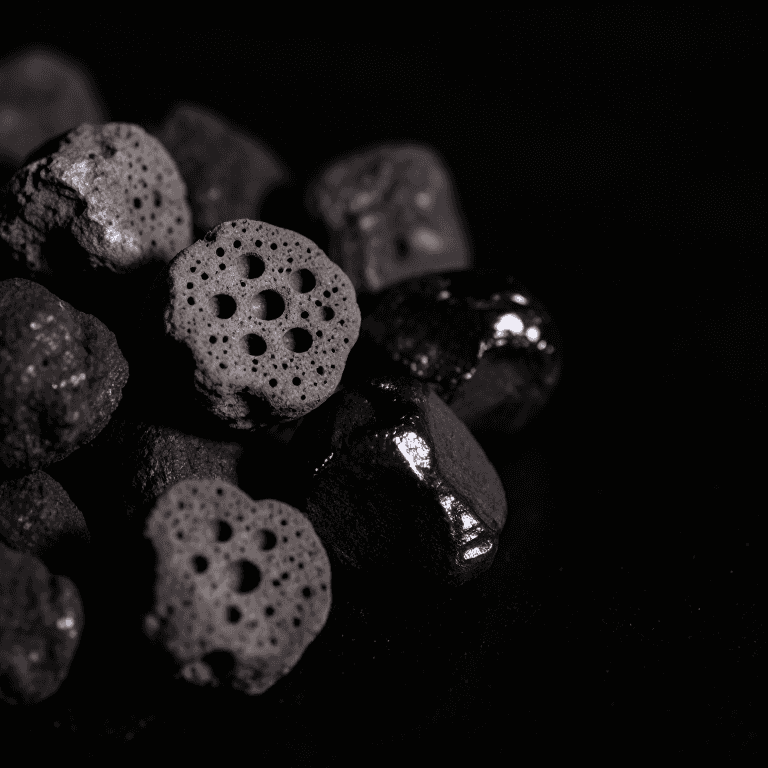
The key is heat and chemistry working together. A powerful air blast burns coke to carbon monoxide, which strips the oxygen from iron ore; meanwhile the descending iron soaks up carbon until it melts. Limestone added as flux carries off the stony impurities as a floating slag. What runs out of the tap hole is pig iron — iron saturated with about four percent carbon: hard, brittle, and perfect for casting or for refining into wrought iron and steel.
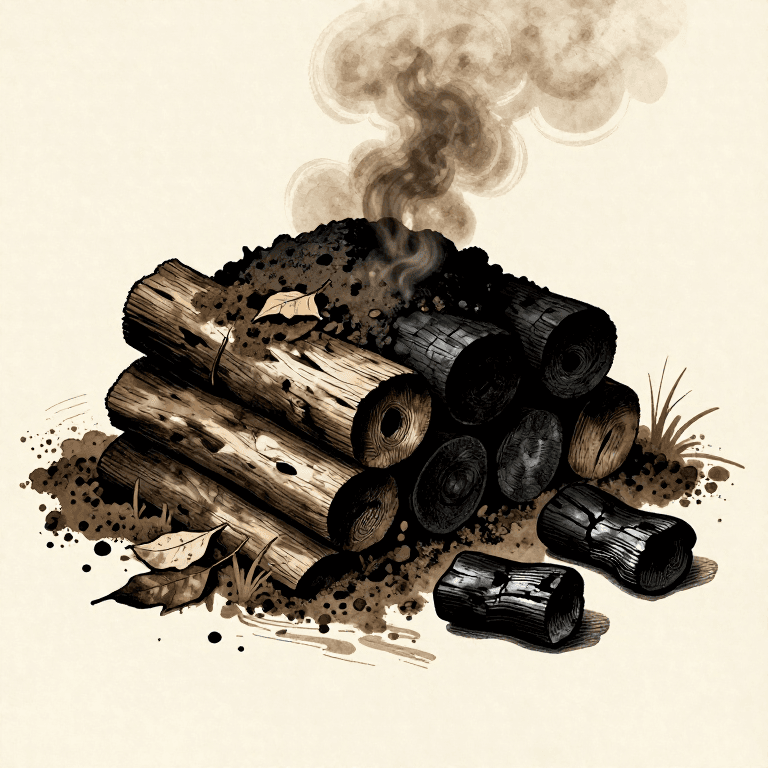
When coke replaced charcoal as the blast-furnace fuel in the early 1700s, iron could finally be made in unlimited quantity without consuming whole forests. Cheap pig iron became the raw material of the Industrial Revolution — the metal behind rails, bridges, engines, and machines.
Инструкции
Understand pig iron
Understand pig iron
Build the shaft furnace
Build the shaft furnace
Материалы для этого шага:
 Огнеупорный кирпич80 штук
Необходимые инструменты:
 Садовый совок
Crush the ore and flux
Crush the ore and flux
Материалы для этого шага:
 Сушёная болотная железная руда30 кг
 Известняковая плита8 кг
Необходимые инструменты:
 Молоток
Set up the air blast
Set up the air blast
Необходимые инструменты:
 Меха (кузнечные)
Light the coke bed
Light the coke bed
Материалы для этого шага:
 Металлургический кокс40 кг
Charge in layers
Charge in layers
Материалы для этого шага:
Металлургический кокс40 кгReduce the ore
Reduce the ore
Melt and carburize
Melt and carburize
Form and tap the slag
Form and tap the slag
Необходимые инструменты:
 Ломик для выпуска
Tap the molten iron
Tap the molten iron
Необходимые инструменты:
Ломик для выпускаCast the pigs
Cast the pigs
Материалы для этого шага:
 Формовочный песок50 кг
Cool, break, and identify
Cool, break, and identify
Необходимые инструменты:
МолотокМатериалы
5- 80 штукЗаполнитель
- Заполнитель
- Заполнитель
- Заполнитель
- 50 кгЗаполнитель
Материалы из связанных чертежей

Связанные чертежи
Эти чертежи делятся знаниями — техники, материалы или принципы


CC0 Общественное достояние
Этот чертёж выпущен под лицензией CC0. Вы можете свободно копировать, изменять, распространять и использовать эту работу в любых целях без запроса разрешения.
Поддержите мейкера, покупая товары через его чертёж, где он получает Комиссию мейкера установленную продавцами, или создайте новую итерацию этого чертежа и включите его как связь в свой чертёж для распределения дохода.