ИСКУССТВО
КРАСОТА И ЗДОРОВЬЕ
РЕМЕСЛО
КУЛЬТУРА И ИСТОРИЯ
РАЗВЛЕЧЕНИЯ
ЭКОЛОГИЯ
ЕДА И НАПИТКИ
ОБРАТНАЯ ИНЖЕНЕРИЯ
НАУКИ
СПОРТ
ТЕХНОЛОГИИ
НОСИМЫЕ УСТРОЙСТВА
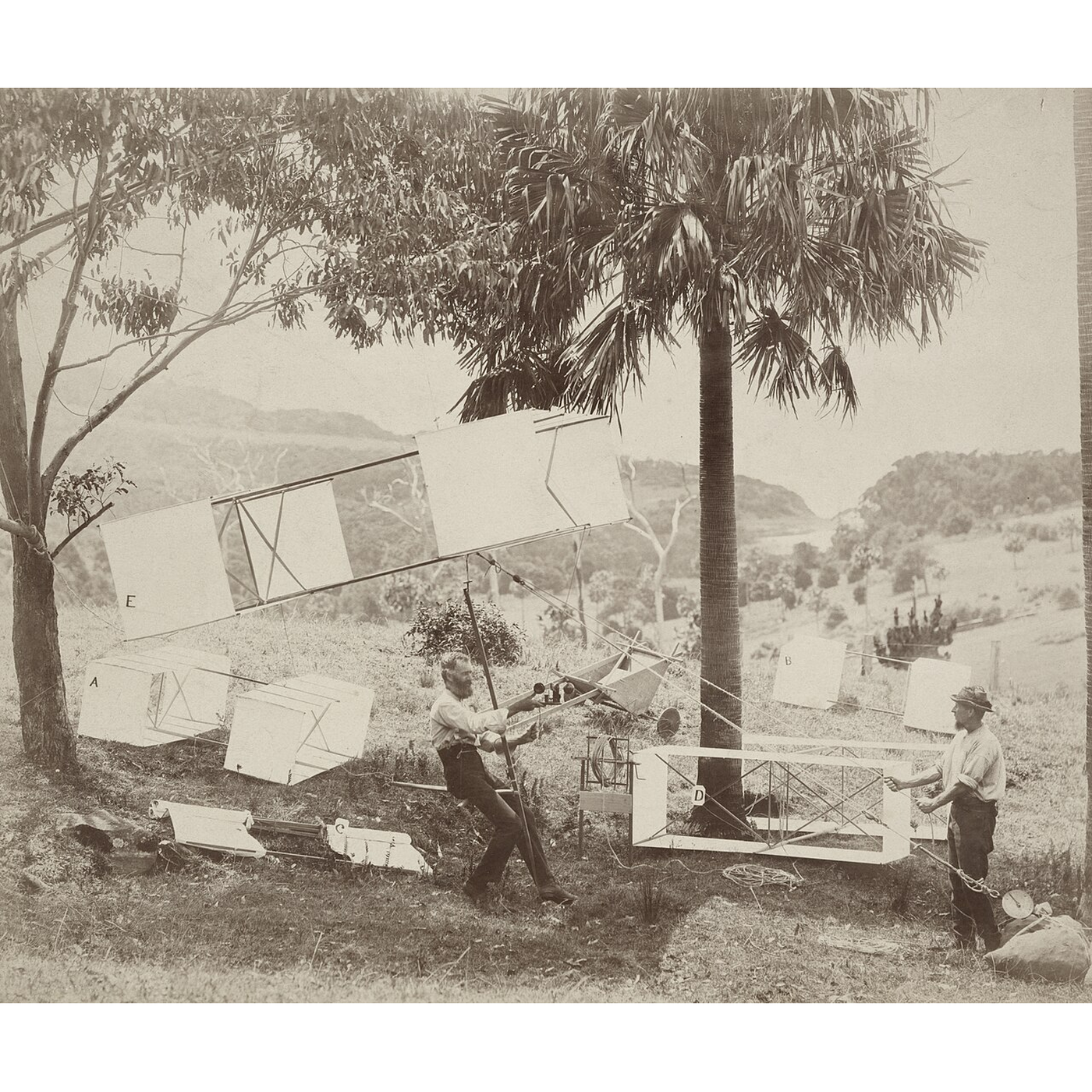


The Box Kite: Two Cells of Cloth That Hold Themselves Steady
Flat kites need a tail to stay steady and fly only in a narrow range of wind. Lawrence Hargrave, an English-born engineer working in Sydney on the problem of flight, built kites of two open boxes of cloth on a light frame in 1893. The horizontal faces lift, the vertical faces keep the kite facing the wind like a weathervane, and it flies steady without a tail.
On 12 November 1894, at Stanwell Park beach, he lifted himself off the ground under a train of four box kites. He published his work freely and took out no patents, believing discoveries should be shared. The box-kite cell shaped the early biplanes.
This rung works out a box kite's lift and the wind it needs, and builds one.
Начинающий
About 4 hours
Инструкции
1
1
Lift, weight and the wind it needs
Lift, weight and the wind it needs
Загрузка блокнота Jupyter…
2
2
Where lift was first measured
Where lift was first measured
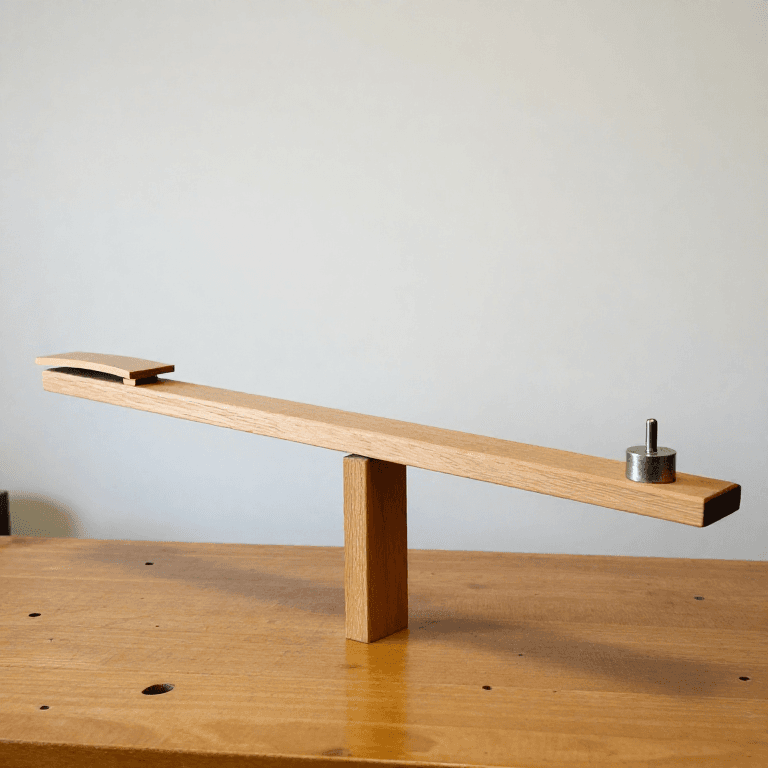
Cayley measured the lift of inclined surfaces on a whirling arm. The embedded blueprint repeats it; a kite is the same surface held on a line.
3
3
Build a Hargrave box kite
Build a Hargrave box kite
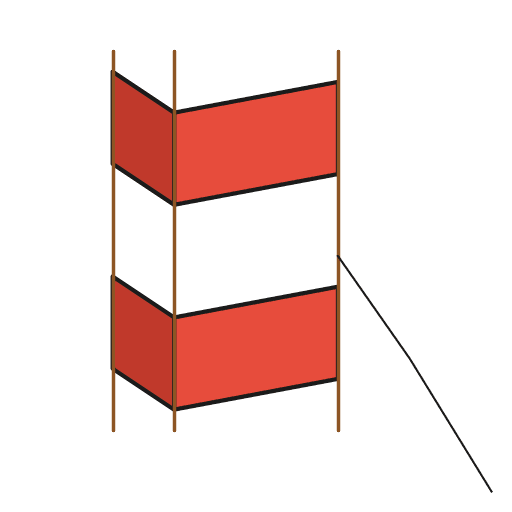
Cut four 900 mm pine dowels as longerons and eight 400 mm dowels as cross-spars. Sew two bands of ripstop nylon, each 1600 mm round and 300 mm wide, with a pocket at each corner for a longeron: these are the two cells, set 300 mm apart on the longerons.
Slide the longerons into the corner pockets so the bands form two square tubes. Fit two pairs of cross-spars inside each cell, diagonally, notched at the ends to grip the longerons and tension the cloth.
Tie a bridle to one longeron at the front of the front cell and the front of the rear cell, and tie the flying line to it about a third of the way back from the front. Fly it in open ground well away from power lines and roads.
Материалы для этого шага:
 Набор сосновых шкантов1 штука
 Нейлон рипстоп1 штука
 Хлопчатобумажный кухонный шпагат1 штука
 Леска (мононить)1 штука
Необходимые инструменты:
 Швейная машина
 Линейка
 Рулетка
 Клеевой пистолет
4
4
Measure the line pull against the wind
Measure the line pull against the wind
Tie a spring scale into the line near the ground anchor and read the pull at steady flight. At the same time measure the wind speed at head height with a handheld anemometer. Repeat on several days.
Plot line pull against wind speed squared: roughly a straight line, as lift goes with $v^2$. Fit it and work out your kite's $C_L$ from the notebook's formula, using the area of its horizontal faces.
Необходимые инструменты:
 Ручной анемометр
 Динамометр (пружинные весы)
 Секундомер
5
5
A box kite that will not fly well
A box kite that will not fly well
Box kite problems.
Flow
Loading...
6
6
History and honest limits
History and honest limits
**Lawrence Hargrave** (1850–1915) developed the box kite in Sydney in 1893 and lifted himself under four of them at Stanwell Park on 12 November 1894. He shared his results openly and did not patent them. Early aircraft makers, including those building the first European biplanes, took up the box-kite cell.
**Honest limits.** The lift coefficient in the notebook is an illustrative value; your measurements give your kite's. Man-lifting kites are dangerous and are not something to try.
Материалы
4- 1 штукаЗаполнитель
- 1 штукаЗаполнитель
- Заполнитель
- 1 штукаЗаполнитель
Требуемые инструменты
7- Заполнитель
- Заполнитель
- 1 vendor sell this, none ship to you yetЗаполнитель
- Заполнитель
- Заполнитель
- Заполнитель
- Заполнитель
По этому чертежу делают
Связанные чертежи
Эти чертежи делятся знаниями — техники, материалы или принципы


CC0 Общественное достояние
Этот чертёж выпущен под лицензией CC0. Вы можете свободно копировать, изменять, распространять и использовать эту работу в любых целях без запроса разрешения.
Поддержите мейкера, покупая товары через его чертёж, где он получает Комиссию мейкера установленную продавцами, или создайте новую итерацию этого чертежа и включите его как связь в свой чертёж для распределения дохода.