ИСКУССТВО
КРАСОТА И ЗДОРОВЬЕ
РЕМЕСЛО
КУЛЬТУРА И ИСТОРИЯ
РАЗВЛЕЧЕНИЯ
ЭКОЛОГИЯ
ЕДА И НАПИТКИ
ОБРАТНАЯ ИНЖЕНЕРИЯ
НАУКИ
СПОРТ
ТЕХНОЛОГИИ
НОСИМЫЕ УСТРОЙСТВА
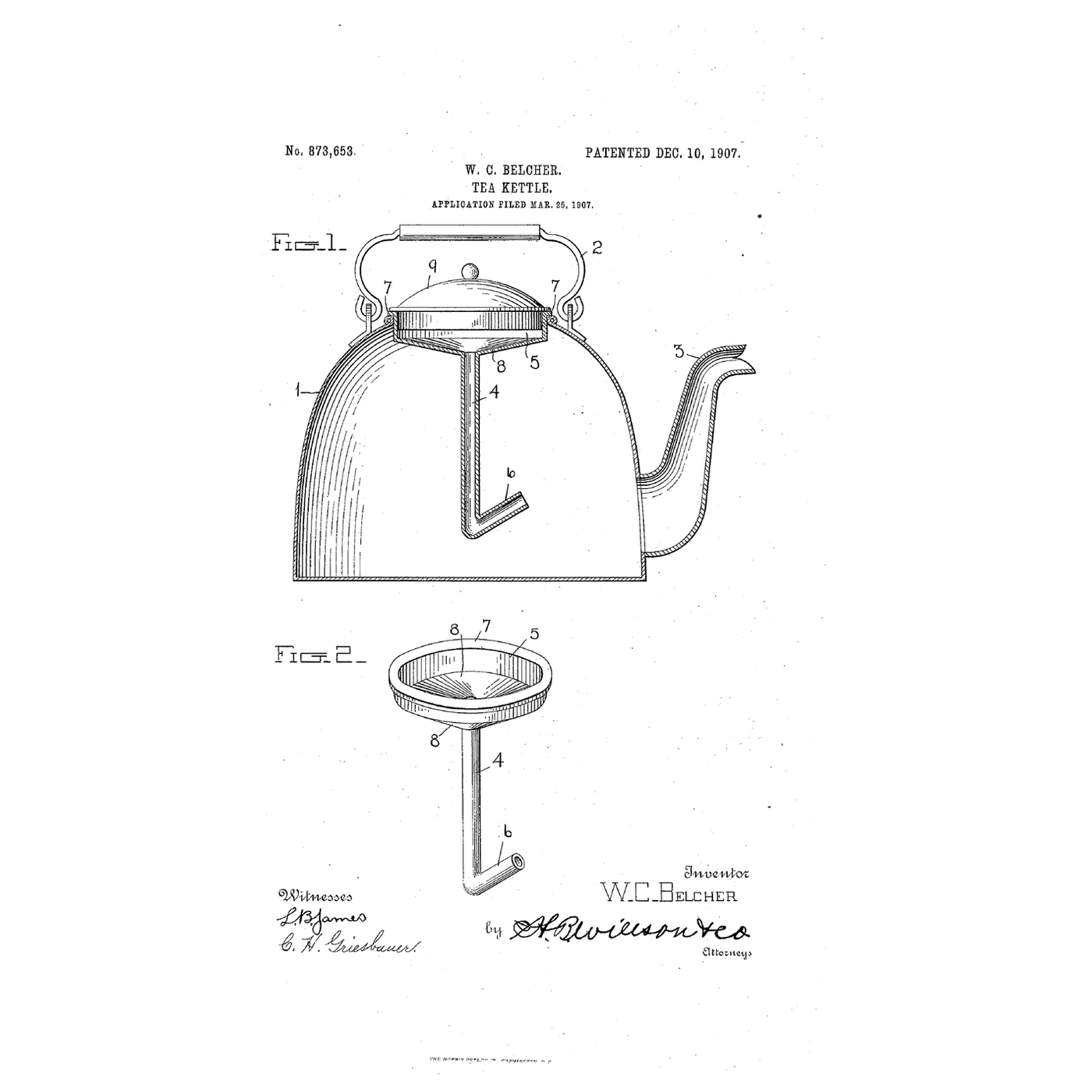


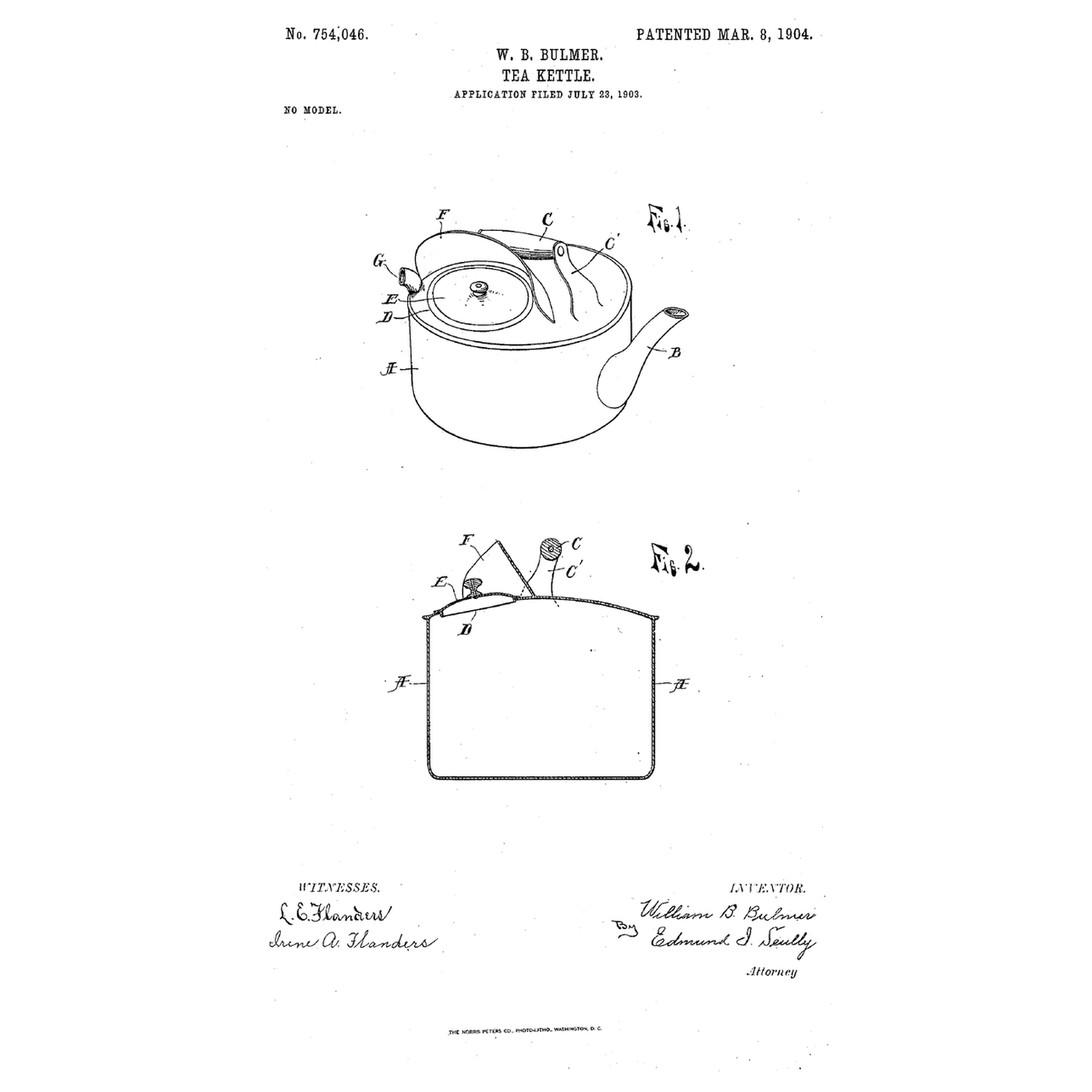
The Elbow-Sealed Kettle Funnel: A Filling Pipe That Keeps Its Own Water Seal
Steam escaping from a kettle's lid rises under the hand on the handle and scalds it.
Winner C. Belcher of Colfax, California, received US 873,653, patented 10 December 1907, for a funnel seated in the kettle's mouth by an outturned flange, with a lid, and a pipe reaching near the bottom whose outlet turns up toward the spout at about 45 degrees; the elbow "will at all times hold sufficient water to seal the lower end of the filling pipe and prevent the steam escaping upwardly therethrough", while the kettle still fills through it unhindered.
This rung works out the seal the elbow keeps as the kettle tips, then solders a flanged funnel head to a copper pipe with a 45-degree outlet and looks for steam at the top.
Средний
About 4 hours
Инструкции
1
1
Seal in the elbow
Seal in the elbow
Загрузка блокнота Jupyter…
2
2
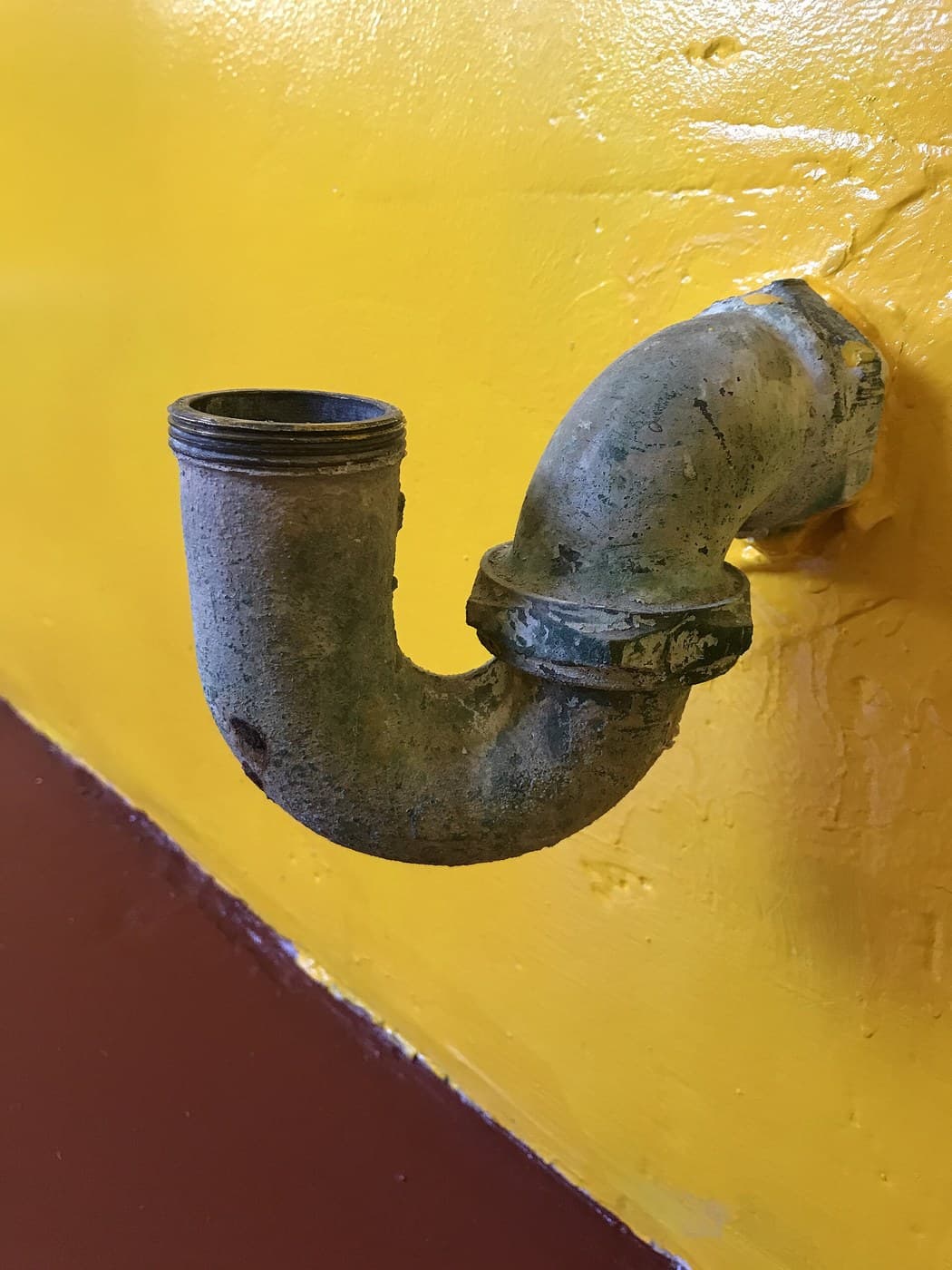
A water seal in a bent pipe before it
A water seal in a bent pipe before it
The embedded blueprint seals a drain against sewer gas with water held in a bend of the pipe. Belcher bends a kettle's filling pipe the same way, so water held in its elbow keeps the steam in.
3
3
Read US 873,653
Read US 873,653
"A funnel, comprising a vertical funnel pipe 4 which terminates at its upper end in a funnel head 5, and has an elbow in its lower part to provide an oblique, forwardly extending outlet pipe 6, which extends upwardly and forwardly toward the spout of the tea kettle at an angle of about forty-five degrees with respect to said pipe 4, fits in said kettle."
"Owing to the pipe 6 being upwardly inclined there is formed at the lower end of the pipe 4 an elbow, which will at all times hold sufficient water to seal the lower end of the filling pipe and prevent the steam escaping upwardly therethrough."
4
4
Solder the funnel and look for steam
Solder the funnel and look for steam
**Head.** Cut a clean tin can down to a cup 4 cm deep that drops into the kettle's mouth. Cut a ring from a second can's lid, 1 cm wider all round than the mouth, and solder it round the cup's top as the flange that rests on the mouth. Drill a hole in the cup's floor to take 10 mm copper tube.
**Pipe.** Cut copper tube long enough to reach from the cup to 2 cm above the kettle's floor, plus 4 cm. Bend the last 4 cm up by hand, slowly, round a jar, to 45 degrees from the pipe. Clean the pipe's top and the hole with steel wool, flux them, push the pipe through the cup's floor, and solder it with the torch and lead-free plumbing solder. Wash off the flux.
**Lid.** Cut a disc from a can lid that sits inside the cup's rim.
**Test.** Seat the funnel in the kettle's mouth with the outlet toward the spout. Fill through the funnel, noting how fast it runs, put the lid on, and bring the kettle to the boil with only a little water in it. Hold a cold spoon over the funnel's lid and another over the spout and see which one mists.
Материалы для этого шага:
 Жестяная банка2 штук
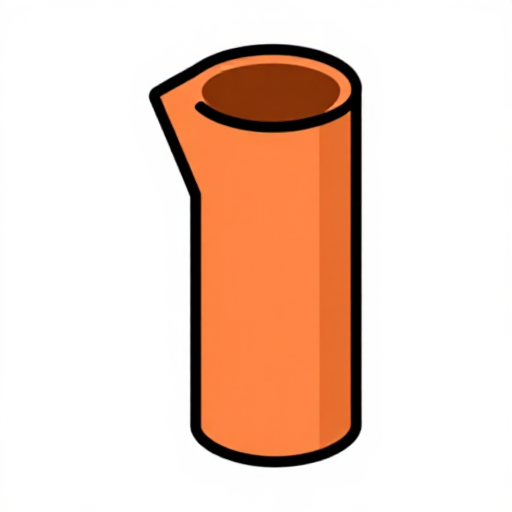 Медная труба1 штука
 Бессвинцовый водопроводный припой1 штука
Необходимые инструменты:
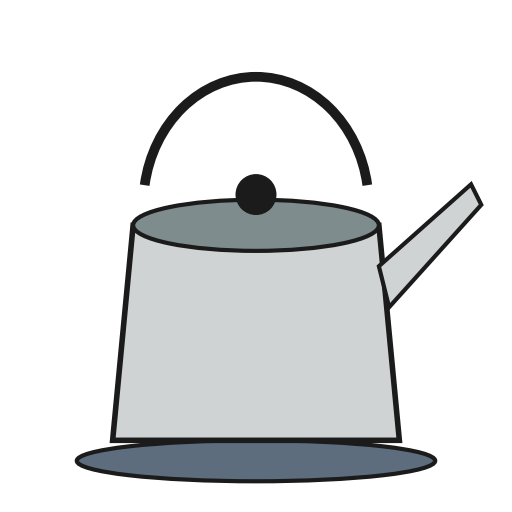 Чайник для плиты
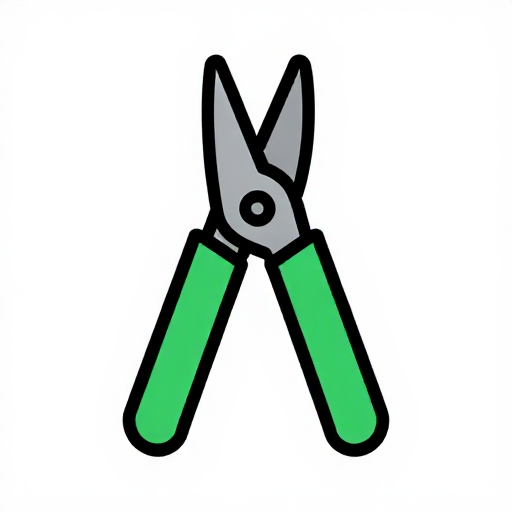 Ножницы по металлу
 Труборез
 Аккумуляторная дрель
 Набор свёрл
 Пропановая горелка
 Напильники (ручной напильник)
 Линейка
 Термостойкие перчатки
 Прозрачные защитные очки
 Стальная вата
 Сантехнический флюс
5
5
A funnel that lets steam through, leaks or kinks
A funnel that lets steam through, leaks or kinks
Elbow-sealed kettle funnel troubleshooting.
Flow
Loading...
6
6
History and honest limits
History and honest limits
**Winner C. Belcher** of Colfax, Placer County, California, filed US 873,653 on 25 March 1907; it was patented 10 December 1907. The funnel head 5 is preferably a basin with an outward annular flange 7 and a slanting bottom 8, and its mouth is closed by a lid 9 fitted in it. The funnel need only be taken out to clean the kettle. His claim covers a kettle with a mouth and spout, a funnel removably seated in the mouth by an outturned flange, a vertical tube ending near the bottom in an upwardly inclined outlet opening toward the spout, wholly open and unobstructed, and a cover for the funnel's mouth.
**Honest limits.** A tin-can head with a flat floor stands in for his basin with a slanting bottom. The notebook treats the seal as the rise of a straight outlet; its lengths and angles are examples. What your spoons show is the result.
Материалы
3- 2 штукЗаполнитель
- 1 штукаЗаполнитель
- Заполнитель
Требуемые инструменты
12- Заполнитель
- Заполнитель
- Заполнитель
- 1 vendor sell this, none ship to you yetЗаполнитель
- Заполнитель
- Заполнитель
- Заполнитель
- Заполнитель
- Заполнитель
- Заполнитель
- Заполнитель
- Заполнитель
Связанные чертежи
Эти чертежи делятся знаниями — техники, материалы или принципы



CC0 Общественное достояние
Этот чертёж выпущен под лицензией CC0. Вы можете свободно копировать, изменять, распространять и использовать эту работу в любых целях без запроса разрешения.
Поддержите мейкера, покупая товары через его чертёж, где он получает Комиссию мейкера установленную продавцами, или создайте новую итерацию этого чертежа и включите его как связь в свой чертёж для распределения дохода.