ИСКУССТВО
КРАСОТА И ЗДОРОВЬЕ
РЕМЕСЛО
КУЛЬТУРА И ИСТОРИЯ
РАЗВЛЕЧЕНИЯ
ЭКОЛОГИЯ
ЕДА И НАПИТКИ
ОБРАТНАЯ ИНЖЕНЕРИЯ
НАУКИ
СПОРТ
ТЕХНОЛОГИИ
НОСИМЫЕ УСТРОЙСТВА
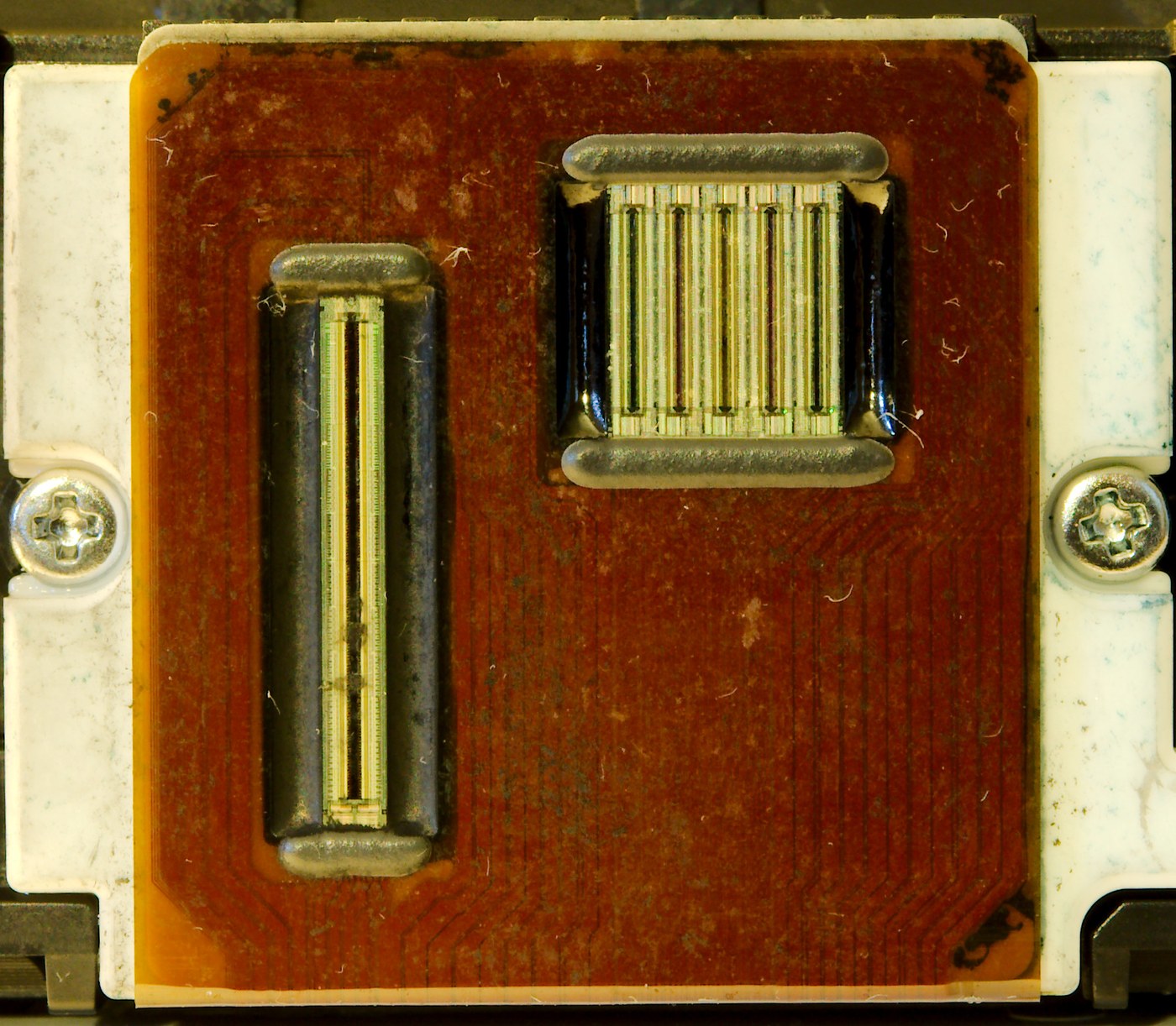

The Thermal Inkjet
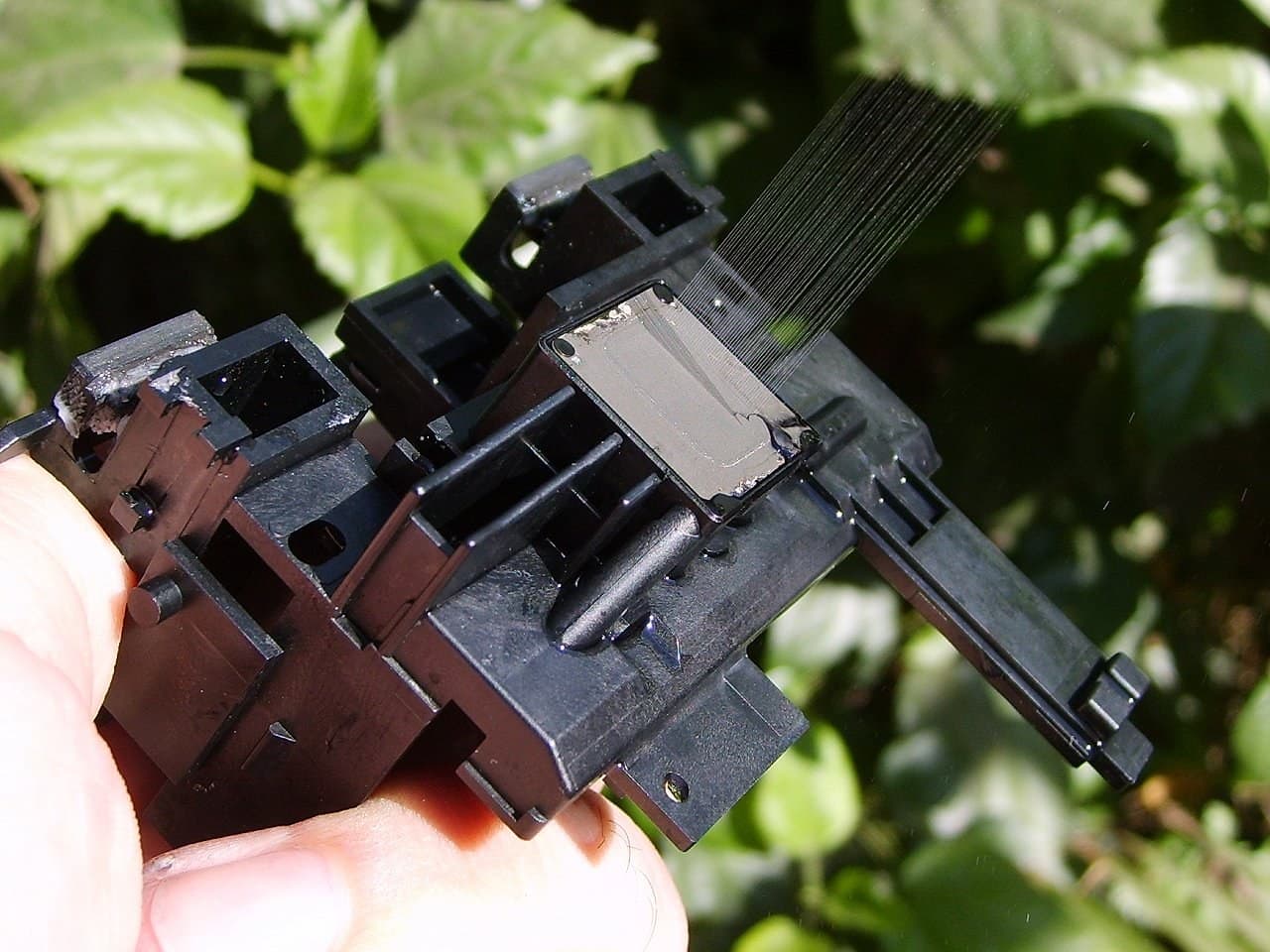
Ichiro Endo's laboratory at Canon in 1977 had a syringe of ink on the bench when a hot soldering iron touched it and the ink squirted. John Vaught reached the same idea at Hewlett-Packard in 1979 from the other direction, thinking about percolators. Both had noticed that if you heat a liquid fast enough you do not get boiling in the ordinary sense - you get a single explosive bubble, and a bubble in a confined channel is a piston.
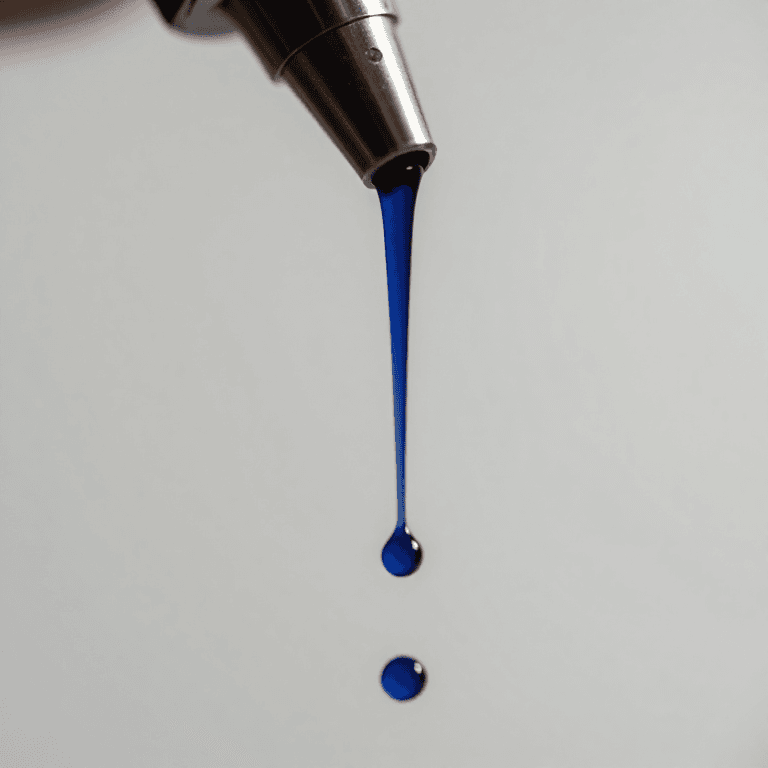
A thermal inkjet nozzle is therefore a resistor with no moving part anywhere near it. Pulse a forty-micrometre-square thin film for a couple of microseconds and the water touching it passes about three hundred degrees, the homogeneous nucleation limit where it can no longer remain liquid at any pressure. The layer that flashes is a fifth of a micrometre thick and weighs a third of a nanogram. That is the whole engine.
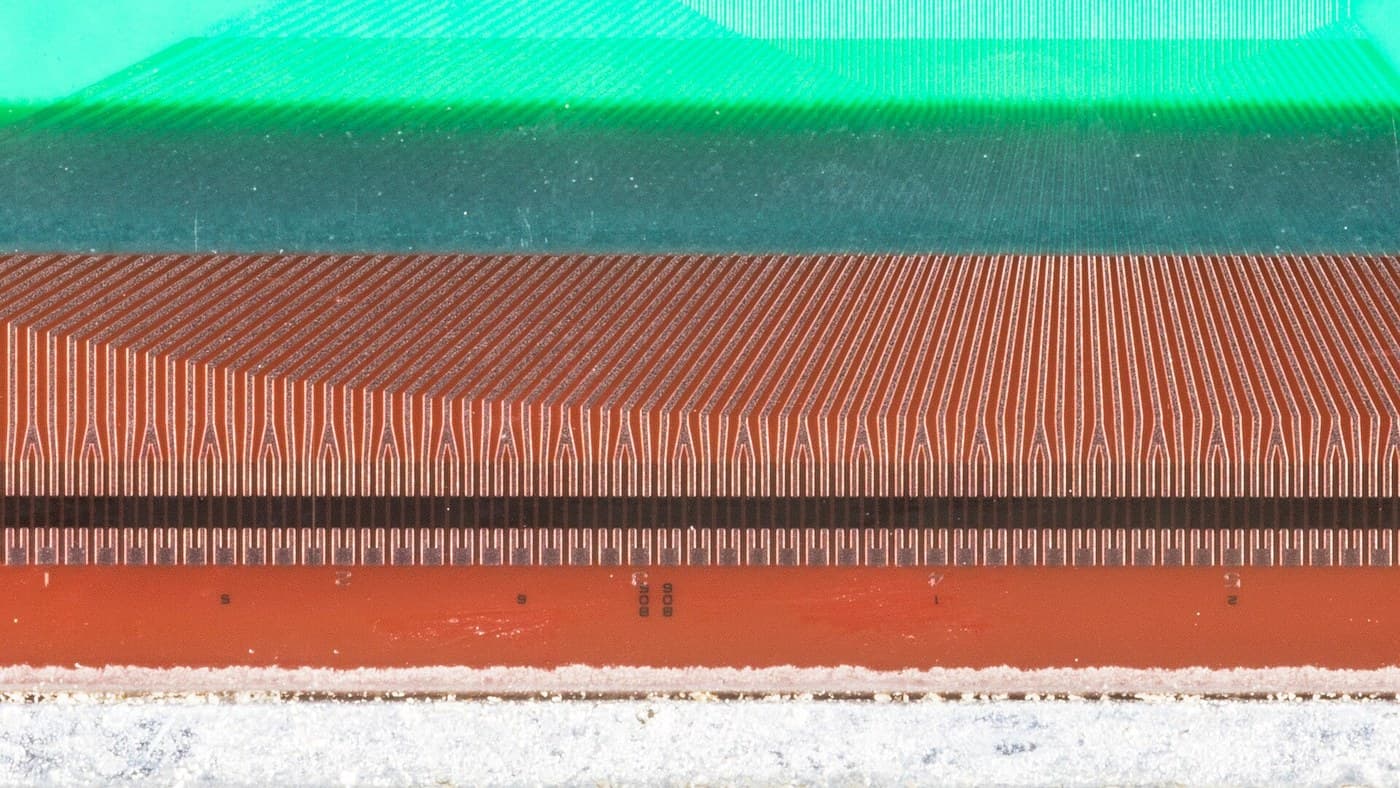
What limits it is not the boiling. Getting the ink back is slow: capillary refill takes tens of microseconds against the couple that the bubble takes, so a thermal nozzle fires at tens of kilohertz while its heater could go far faster. The answer to a faster printer was therefore never a faster nozzle - it was more of them, photolithographed side by side by the thousand.
Compared with a piezo head it is worse in almost every measurable way: a hundred times the energy per drop, an ink that must be mostly water and nearly free of solids, and a head that erodes and fouls in months. It won anyway, because it is a silicon chip. Adding nozzles is free the way adding transistors is free, and a head that wears out gets sold with the ink as a cartridge - which turns a precision component into something the customer replaces themselves.
Продвинутый
3 hours
Инструкции
1
1
See the bubble
See the bubble
Stretch a short piece of fine nichrome across a slide, cover it with a drop of distilled water and a coverslip, and put it under the microscope.
Pulse it from the bench supply through the MOSFET, a few microseconds at a time, and raise the energy slowly. Below threshold: nothing. Above it: one bubble, appearing and gone between frames. There is no gentle onset - that step is the nucleation limit.
Материалы для этого шага:
 Нихромовая проволока50 mm
 Дистиллированная вода50 мл
 Предметные стёкла с покровными10 штук
Необходимые инструменты:
 Цифровой микроскоп
 Лабораторный источник питания
 N-канальный MOSFET IRF540N
 Генератор сигналов
 Цифровой осциллограф
2
2
Find the threshold, then poison it
Find the threshold, then poison it
Measure the pulse energy at which the bubble first appears, then repeat with glycerol added to the water. The threshold moves, because you changed the boiling point.
Now run a hundred pulses in dyed water and look at the wire. The dark film on it is kogation - dissolved solids baked onto the heater - and it is the reason a thermal ink may not carry pigment the way a piezo ink can.
Материалы для этого шага:
 Глицерин20 мл
 Пищевой краситель5 млНихромовая проволока50 mm
Необходимые инструменты:
Цифровой микроскопЦифровой осциллографЛабораторный источник питания3
3
Nucleation energy, the bubble as a piston, and refill
Nucleation energy, the bubble as a piston, and refill
Загрузка блокнота Jupyter…
Необходимые инструменты:
 Настольный компьютер
4
4
Compendium: cavitation, and why the ink is so constrained
Compendium: cavitation, and why the ink is so constrained
The bubble collapses as violently as it formed, and it collapses onto the heater. That is cavitation, the same process that eats ship propellers, happening tens of thousands of times a second a fraction of a micrometre from a thin film. A bare resistor would not last an hour, so the stack carries a silicon nitride and silicon carbide passivation with a tantalum cavitation layer on top - a sacrificial metal whose only job is to be destroyed slowly instead of the heater. Head life is that layer's thickness divided by the erosion rate.
Kogation is the other clock. Anything dissolved in the ink that is less soluble hot than cold precipitates onto the superheated film and bakes there, and a few hundred nanometres of residue insulates the heater enough to push the drop out of spec. This is why a thermal ink is mostly water with a soluble dye, a humectant such as glycol to stop the nozzle drying, and very little else - and why pigment inks, which are a suspension of solid particles, arrived on thermal heads decades after they were ordinary on piezo ones, and only with dispersants engineered specifically not to bake.
Материалы
5- 50 mmЗаполнитель
- Заполнитель
- Заполнитель
- 20 млЗаполнитель
- Заполнитель
Требуемые инструменты
6- Заполнитель
- Заполнитель
- Заполнитель
- Заполнитель
- 1 vendor sell this, none ship to you yetЗаполнитель
- Заполнитель
Связанные чертежи
Эти чертежи делятся знаниями — техники, материалы или принципы


CC0 Общественное достояние
Этот чертёж выпущен под лицензией CC0. Вы можете свободно копировать, изменять, распространять и использовать эту работу в любых целях без запроса разрешения.
Поддержите мейкера, покупая товары через его чертёж, где он получает Комиссию мейкера установленную продавцами, или создайте новую итерацию этого чертежа и включите его как связь в свой чертёж для распределения дохода.