ИСКУССТВО
КРАСОТА И ЗДОРОВЬЕ
РЕМЕСЛО
КУЛЬТУРА И ИСТОРИЯ
РАЗВЛЕЧЕНИЯ
ЭКОЛОГИЯ
ЕДА И НАПИТКИ
ОБРАТНАЯ ИНЖЕНЕРИЯ
НАУКИ
СПОРТ
ТЕХНОЛОГИИ
НОСИМЫЕ УСТРОЙСТВА
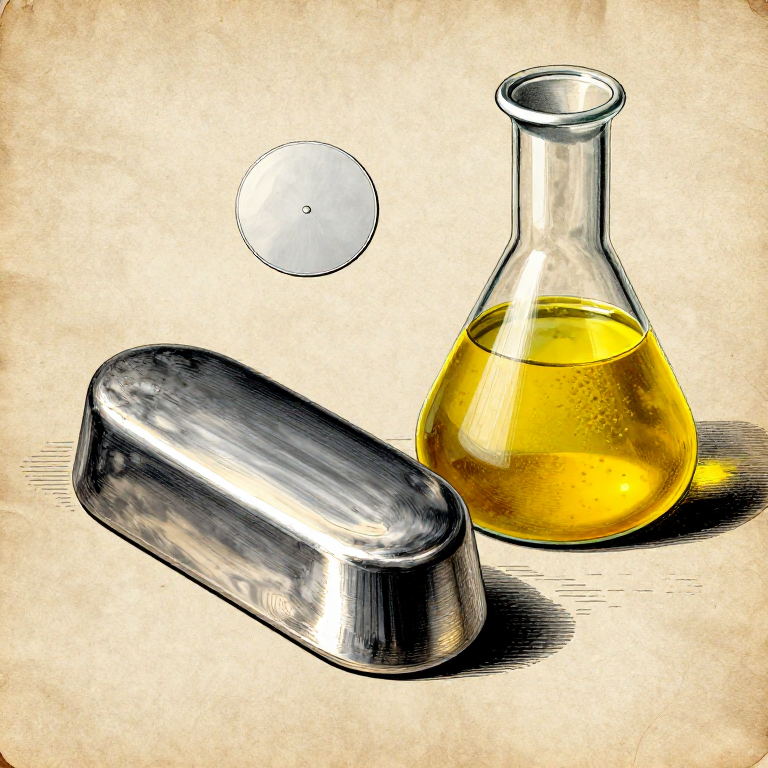
Understanding Palladium from Platinum Group Ore — The Catalyst That Cleans the Air
Средний
Инструкции
1
1
Understand Palladium's Discovery
Understand Palladium's Discovery
William Hyde Wollaston discovered palladium in 1803 by dissolving crude platinum in aqua regia, then precipitating platinum with ammonium chloride. The remaining solution yielded a new metal when treated with mercuric cyanide. He named it after the asteroid Pallas, itself discovered just one year earlier. Wollaston anonymously offered palladium for sale in a London shop, sparking controversy until he publicly demonstrated its isolation in 1805.
2
2
Identify Palladium Sources
Identify Palladium Sources
Russia's Norilsk-Talnakh complex produces 40% of world palladium from massive nickel-copper sulfide deposits, where palladium concentrates in pentlandite and chalcopyrite. South Africa's Bushveld Complex produces 35% from the Merensky Reef. Unlike the other PGMs, palladium occasionally forms its own minerals — stibiopalladinite (Pd₅Sb₂) and potarite (PdHg) — though these are mineralogical curiosities, not commercial sources. Annual production is approximately 210 tonnes.
Материалы для этого шага:
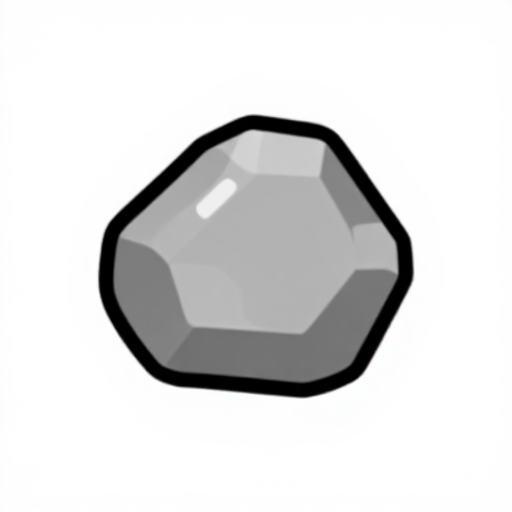 Образец платиновой группы
Необходимые инструменты:
 Ручная лупа 10xРучная лупа 10x
 Бисквитная пластинка (неглазурованный фарфор)
 Иглы твёрдости по Моосу
3
3
Trace PGM Refining for Palladium
Trace PGM Refining for Palladium
Palladium dissolves more readily than other PGMs — it dissolves in hot nitric acid, unlike platinum, rhodium, and iridium. In the Wohlwill process, after platinum is precipitated as ammonium hexachloroplatinate, palladium remains in solution and is precipitated by adding dimethylglyoxime, forming a bright yellow palladium dimethylglyoximate complex. This elegant selective precipitation achieves 99.9% purity in a single step.
Необходимые инструменты:
 Закрытые защитные очки
 Химически стойкие перчатки
4
4
Examine Palladium Metal Properties
Examine Palladium Metal Properties
Palladium is the lightest and lowest-melting platinum group metal: density 12.02 g/cm³, melting point 1555°C. It is silvery-white, soft, and ductile — easily cold-worked into thin sheets and fine wire. Its most remarkable physical property is absorbing up to 900 times its own volume of hydrogen gas at room temperature, expanding visibly as hydrogen atoms occupy interstitial sites in the face-centered cubic lattice.
5
5
Understand Catalytic Converter Dominance
Understand Catalytic Converter Dominance
Palladium catalyzes the oxidation of unburned hydrocarbons and carbon monoxide in automotive exhaust: 2CO + O₂ → 2CO₂. As emissions standards tightened globally, automakers shifted from platinum to palladium for gasoline engine converters because palladium performs better at the higher exhaust temperatures of stoichiometric engines. Catalytic converters consume 85% of global palladium production — approximately 8.5 million ounces annually.
6
6
Explore Hydrogen Purification Membranes
Explore Hydrogen Purification Membranes
Palladium membranes selectively pass hydrogen and nothing else — hydrogen molecules dissociate on the palladium surface, diffuse through as individual atoms, then recombine on the other side. A palladium-silver alloy membrane (77% Pd, 23% Ag) produces 99.99999% pure hydrogen in a single step. This technology purifies hydrogen for semiconductor manufacturing, fuel cells, and chemical synthesis where even trace impurities are unacceptable.
7
7
Discover Cross-Coupling Catalysis
Discover Cross-Coupling Catalysis
Palladium-catalyzed cross-coupling reactions — Suzuki, Heck, and Negishi reactions — revolutionized organic chemistry and earned the 2010 Nobel Prize. These reactions form carbon-carbon bonds by coupling an organic halide with an organometallic reagent using palladium(0) catalysts. Virtually every pharmaceutical company uses these reactions daily — over 25% of all drug synthesis steps involve palladium catalysis.
8
8
Survey Electronics and Dental Applications
Survey Electronics and Dental Applications
Multilayer ceramic capacitors (MLCCs) use palladium-silver internal electrodes — a single smartphone contains about 1,000 MLCCs. Palladium's resistance to corrosion and wear makes it ideal for electrical contacts in connectors and relay switches. In dentistry, palladium-copper-gold alloys have been used for dental crowns and bridges since the 1970s, though rising palladium prices have shifted many applications to base metal alternatives.
9
9
Understand Supply Dynamics and Recycling
Understand Supply Dynamics and Recycling
Palladium's price surpassed gold in 2019, reaching $2,700/oz in 2022 — driven by tightening emissions standards and Russian supply uncertainty. Russia's Norilsk Nickel holds strategic stockpiles that create market opacity. Recycling from spent catalytic converters provides 30% of supply. Each converter contains 2-7 grams of palladium. The recycling chain — collection, assay, smelting, refining — takes 8-12 weeks from scrapyard to refined metal.
Необходимые инструменты:
 Прецизионные весы
10
10
Document Findings and Future Outlook
Document Findings and Future Outlook
Record palladium's key data: atomic number 46, density 12.02 g/cm³, melting point 1555°C, silvery-white metal that absorbs hydrogen. The electric vehicle transition threatens long-term palladium demand since EVs need no catalytic converters. However, hydrogen fuel cell vehicles use palladium catalysts, and growing pharmaceutical demand provides a floor. Palladium's role in green hydrogen production via electrolysis membrane electrodes may create entirely new demand streams.
11
11
Ore grade: how much platinum group per kilogram
Ore grade: how much platinum group per kilogram
Загрузка блокнота Jupyter…
Материалы
1- 1 штукаЗаполнитель
Требуемые инструменты
6- Заполнитель
- Заполнитель
- Заполнитель
- Заполнитель
- Заполнитель
Материалы из связанных чертежей
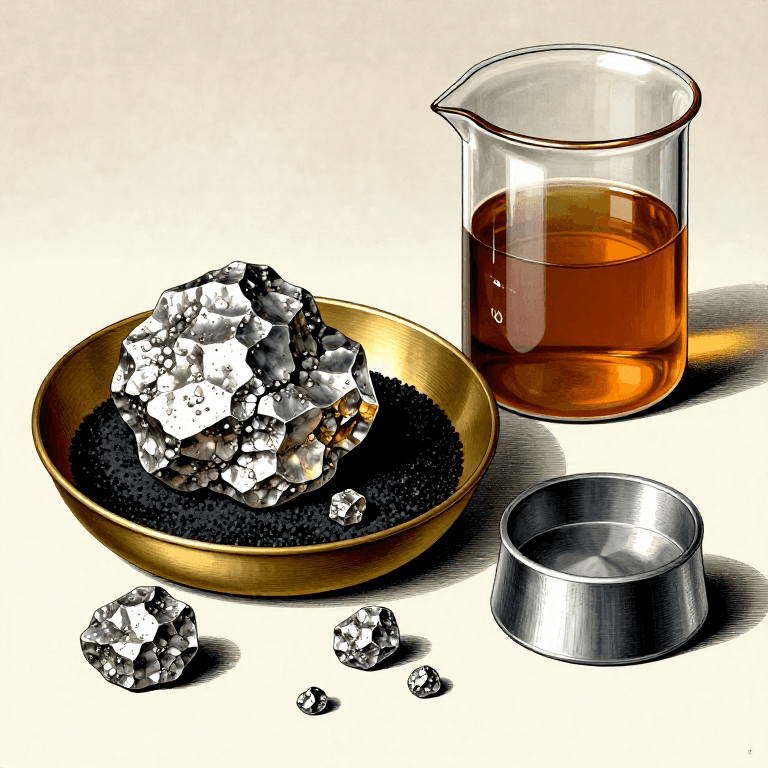
Опасно
10% атрибуция
Isolating Platinum from Alluvial Deposits — The Unwanted Silver of the Conquistadors
от Peter
Горное дело
66
0
0
0
6
0

10% атрибуция
Understanding Rhodium from Platinum Group Ore — The Most Expensive Industrial Metal
от Peter
Промышленный
19
0
0
0
4
0
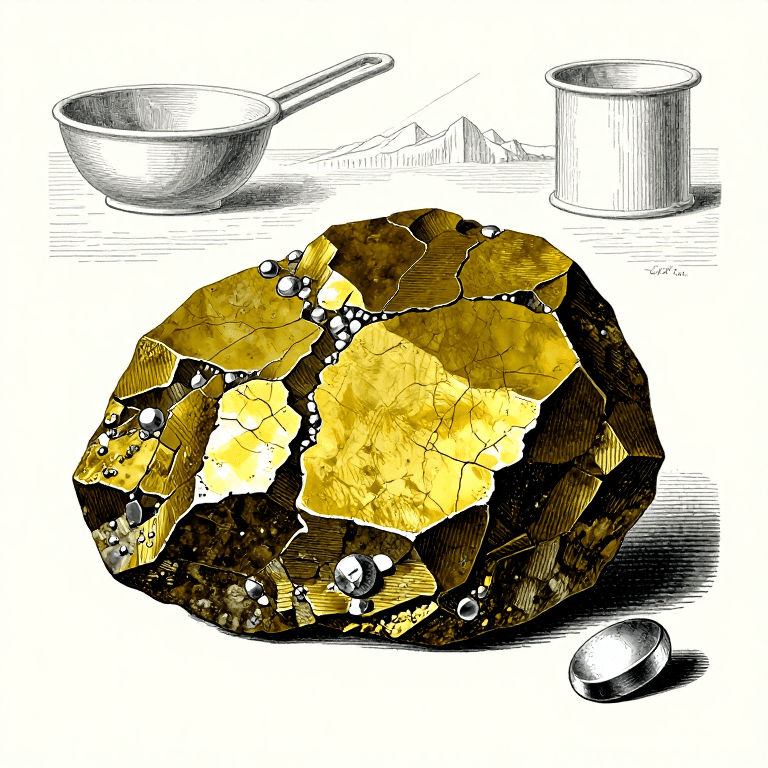
Опасно
10% атрибуция
Extracting Nickel from Pentlandite — The Devil's Copper That Wouldn't Behave
от Peter
Металлообработка
51
0
0
0
5
0

10% атрибуция
Understanding Ruthenium from Platinum Group Ore — The Hardest Platinum Metal
от Peter
Горное дело
20
0
0
0
6
0
10% атрибуция
Smelting Copper from Malachite — From Green Ore to Red Metal
от Peter
Металлообработка
108
0
0
0
10
0
Связанные чертежи
Эти чертежи делятся знаниями — техники, материалы или принципы

CC0 Общественное достояние
Этот чертёж выпущен под лицензией CC0. Вы можете свободно копировать, изменять, распространять и использовать эту работу в любых целях без запроса разрешения.
Поддержите мейкера, покупая товары через его чертёж, где он получает Комиссию мейкера установленную продавцами, или создайте новую итерацию этого чертежа и включите его как связь в свой чертёж для распределения дохода.