UBUHANZI
UBWIZA N'UBUZIMA
UBUKORIKORI
UMUCO N'AMATEKA
IMYIDAGADURO
IBIDUKIKIJE
IBIRIBWA N'IBINYOBWA
UBWUBATSI BUSUBIRA INYUMA
UBUMENYI
SIPORO
IKORANABUHANGA
IBYAMBARWA
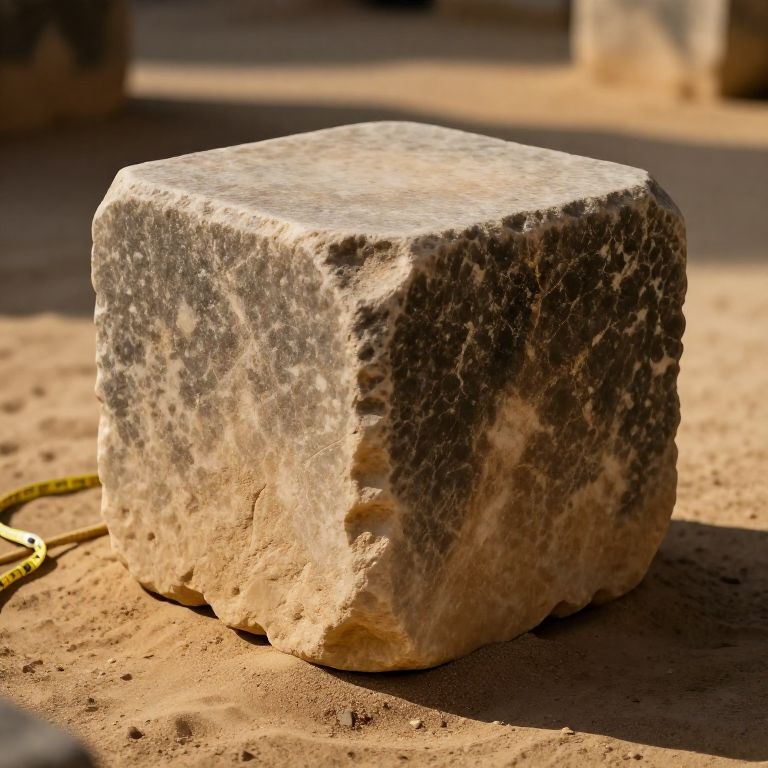


Heron's Square Roots — Fold a Rectangle Toward a Square
A hands-on maths project: draw a rectangle of a chosen area, then repeatedly average its sides to reshape it toward a perfect square -- and its side is the square root. This is Heron's 2,000-year-old averaging method; a Python cell shows how fast it converges, and a compendium reveals it is secretly Newton's method.
Utangiye
30 minutes
Amabwiriza
1
1
The root of an awkward number
The root of an awkward number
What is the square root of 10? It has no neat answer. Over 2,000 years ago Hero of Alexandria found a way to close in on it by averaging. The square root of a number is the side of a square with that area -- so you will chase a square.
2
2
Draw a rectangle of the right area
Draw a rectangle of the right area
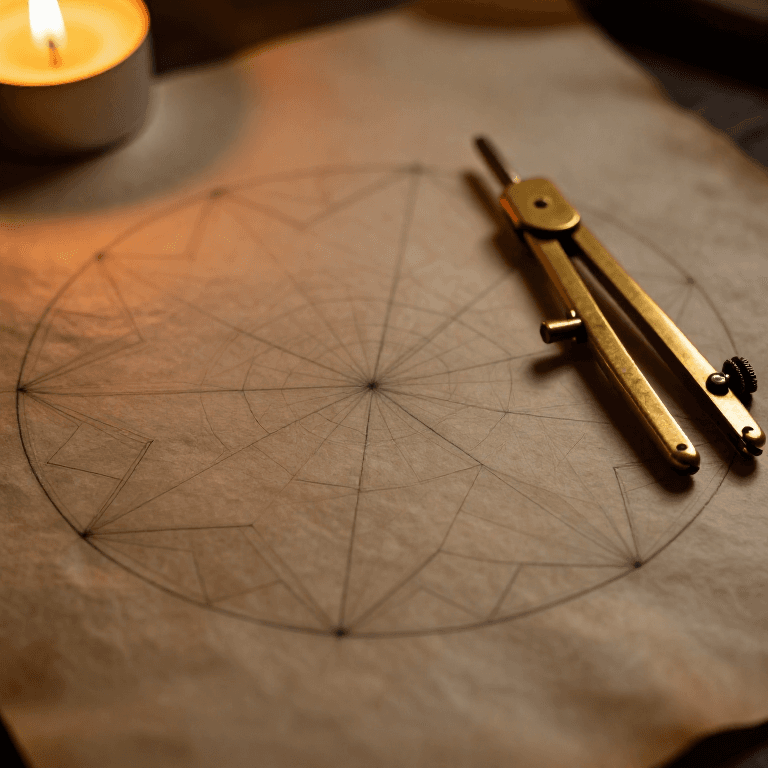
You want the square root of 10, so draw a rectangle with area 10 square units -- say 10 by 1, or 5 by 2. It is the wrong shape (a long thin rectangle), but it has the right area.
Ibikoresho by'iyi ntambwe:
 Impapuro Zikomeye1 igice
Ibikoresho bikenewe:
 Umurongo w'ipima
 Amakaramu Menshi ya Girafite
3
3
Average the sides, again and again
Average the sides, again and again
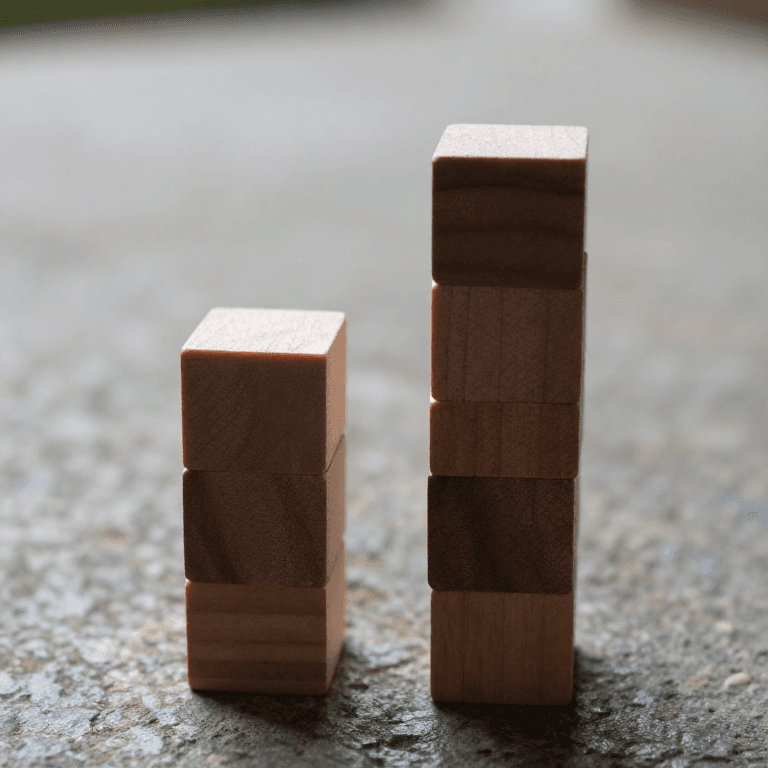
Take the two side lengths and AVERAGE them to get a new width; the new height is the area divided by that width (so the area stays 10). Draw the new, less lopsided rectangle. Repeat two or three times: 5 and 2 average to 3.5 (height 2.857), then 3.18 (height 3.14), then 3.162... The rectangle squares up, and its side is the square root of 10, about 3.162.
Ibikoresho bikenewe:
 Ikibariro
4
4
Watch it converge
Watch it converge
Gupakira ikaye ya Jupyter…
Ibikoresho bikenewe:
 Mudasobwa yo ku MezaIkibariro
5
5
Compendium: an ancient method that never left
Compendium: an ancient method that never left
What your squaring-up shows. (1) If a guess is too big, the area divided by it is too small, and the true root lies between -- so their average is a better guess. (2) The accuracy roughly DOUBLES each step ('quadratic convergence'), so about five rounds reach full calculator precision. (3) Start with a sensible guess, near the root, and it races in immediately. (4) Heron's averaging is exactly what you get by applying Newton's method to 'x squared minus S' -- but Hero found it about 1,600 years before Newton, and it is still how calculators and computer chips extract square roots today.
Ibikoresho
2- 1 igiceUmwanya
- 1 urupapuroUmwanya
Ibikoresho bikenewe
4- Umwanya
- Umwanya
- Umwanya
- Umwanya
Blueprint zijyanye
Izi blueprint zisangira ubumenyi — uburyo, ibikoresho cyangwa amahame
CC0 Umurenge rusange
Iyi blueprint yasohowe munsi ya CC0. Ushobora gukoporora, guhindura, gukwirakwiza no gukoresha nta kwemererwa.
Shyigikira Umuremyi ugura ibicuruzwa binyuze muri Blueprint ye Komisiyo y'Umuremyi byashyizweho n'Abacuruzi, cyangwa kora verisiyo nshya y'iyi Blueprint ukayinjiza nk'isano muri Blueprint yawe kugira ngo musangire inyungu.