UBUHANZI
UBWIZA N'UBUZIMA
UBUKORIKORI
UMUCO N'AMATEKA
IMYIDAGADURO
IBIDUKIKIJE
IBIRIBWA N'IBINYOBWA
UBWUBATSI BUSUBIRA INYUMA
UBUMENYI
SIPORO
IKORANABUHANGA
IBYAMBARWA
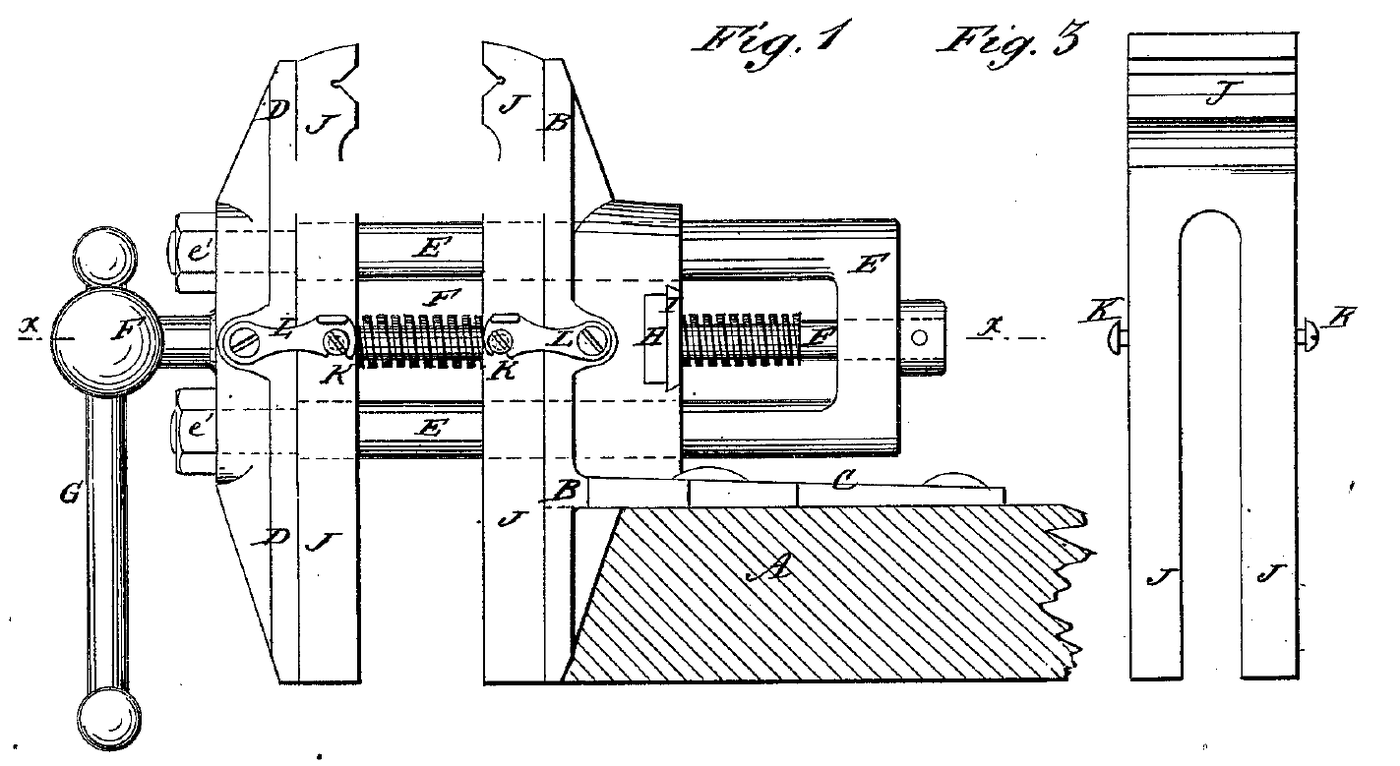


Bench Vise with Parallel Double Slide: Grimmitt, 1879
Thomas Grimmitt of Rockford, Illinois, patented this bench vise in 1879, US 214,907. The fixed jaw is bolted to the bench by a plate formed on its back. The movable jaw is fixed to the open ends of a U-shaped double slide whose arms pass through both jaws, so the two jaws always stay exactly parallel. A screw with a sliding lever handle, swivelled to the slide, works in a nut in the fixed jaw and moves the front jaw both ways. Detachable notched wooden jaws slip over the slide and screw to hold rectangular or round work, and the vise can be fitted on top of the bench for carriage and wagon work or reversed underneath for carpenters' and cabinet-makers' work.
Hagati
Workshop process
Amabwiriza
1
1
Jaws and plate
Jaws and plate
Make the inner jaw with a plate formed on its rear side, holed for the bolts that secure it to the bench, and the outer movable jaw of the same general form. Make both jaws double, so the plate can be fixed to the top of the bench or, reversed, to its underside with the lower jaw ends flush with the bench top.
Ibikoresho by'iyi ntambwe:
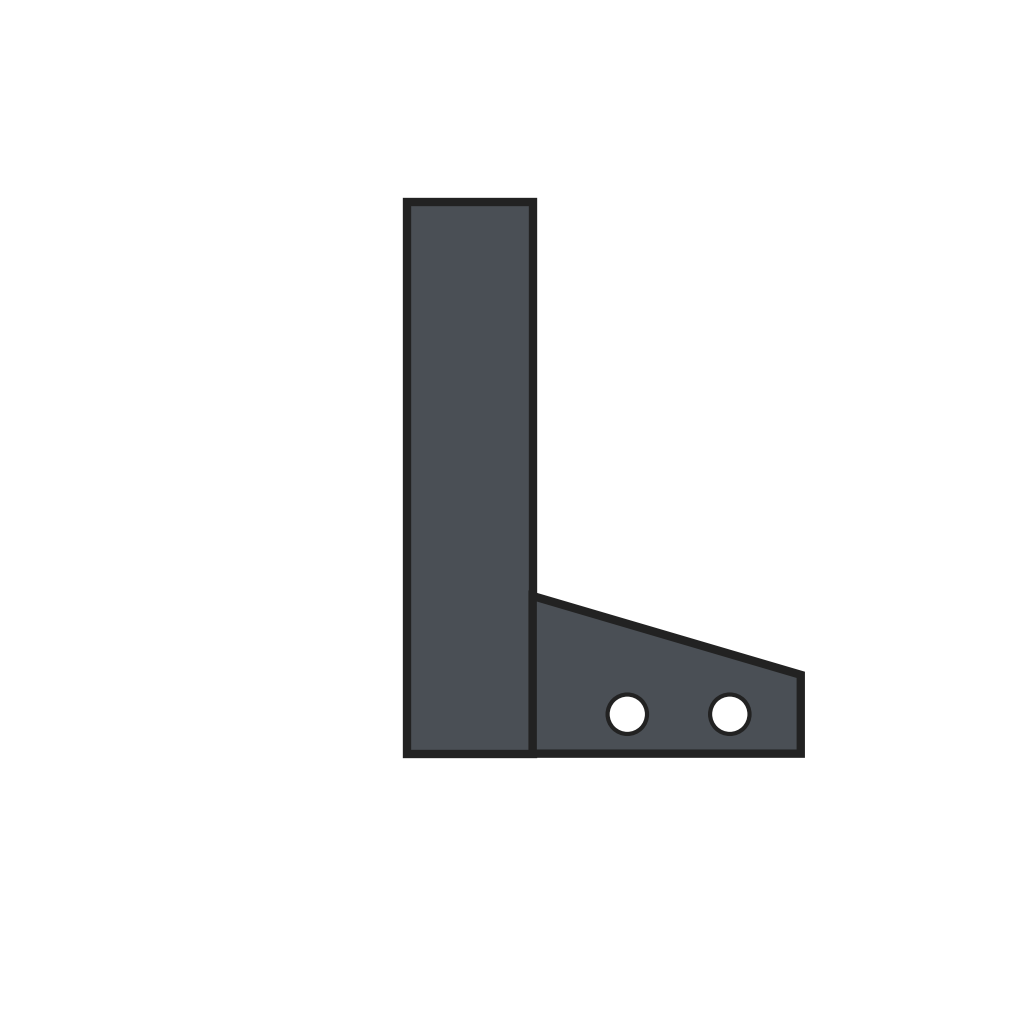 Ingome idahinduka ifite urubaho rw'intebe1 igice
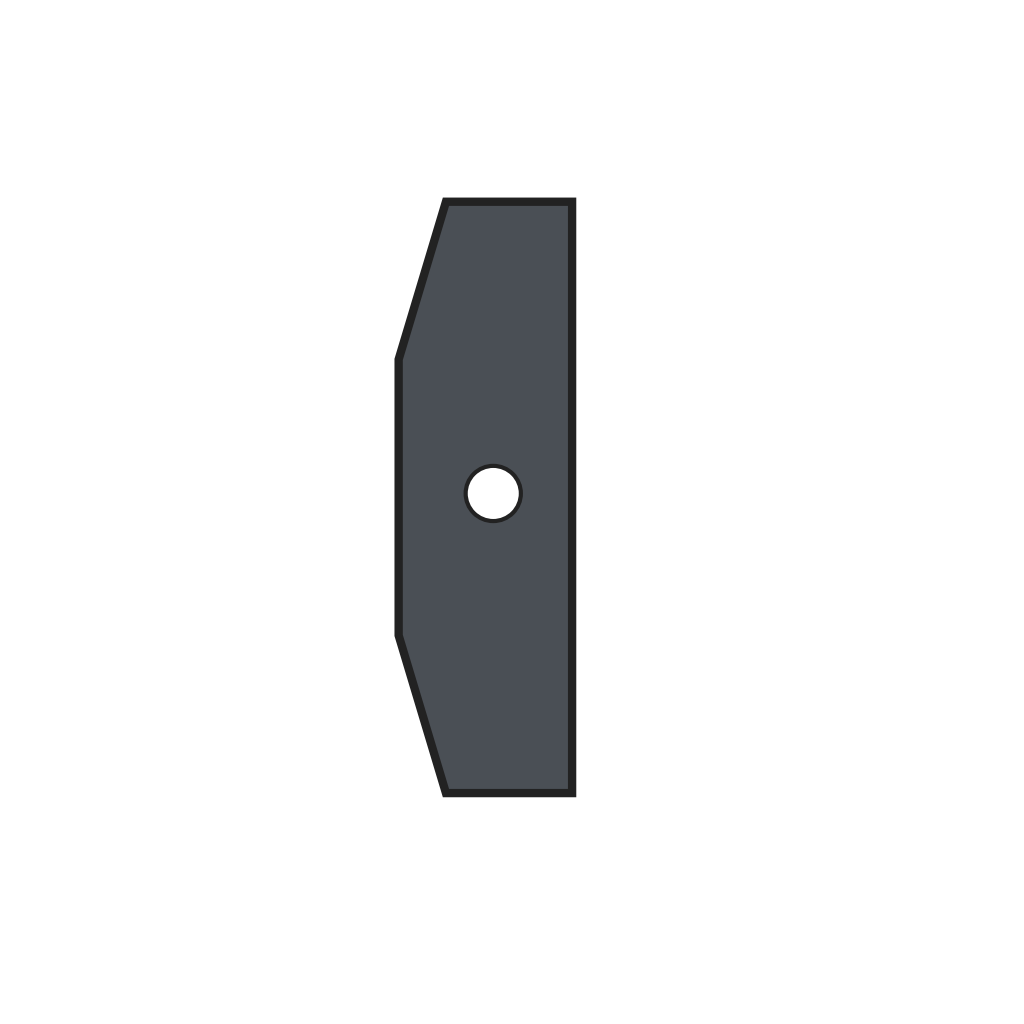 Ingome yimuka y'icyuma cyo gufata1 igice
Ibikoresho bikenewe:
 Icyuma Cyivumbura Gihagaze
 Ibyuma Byinshi byo Gucukura
 Amakariso (Ikariso ry'Intoki)
2
2
Double slide
Double slide
Pass the arms of the U-shaped double slide through holes in both jaws and secure their ends to the outer jaw with nuts, so the outer jaw is always held exactly parallel to the inner one.
Ibikoresho by'iyi ntambwe:
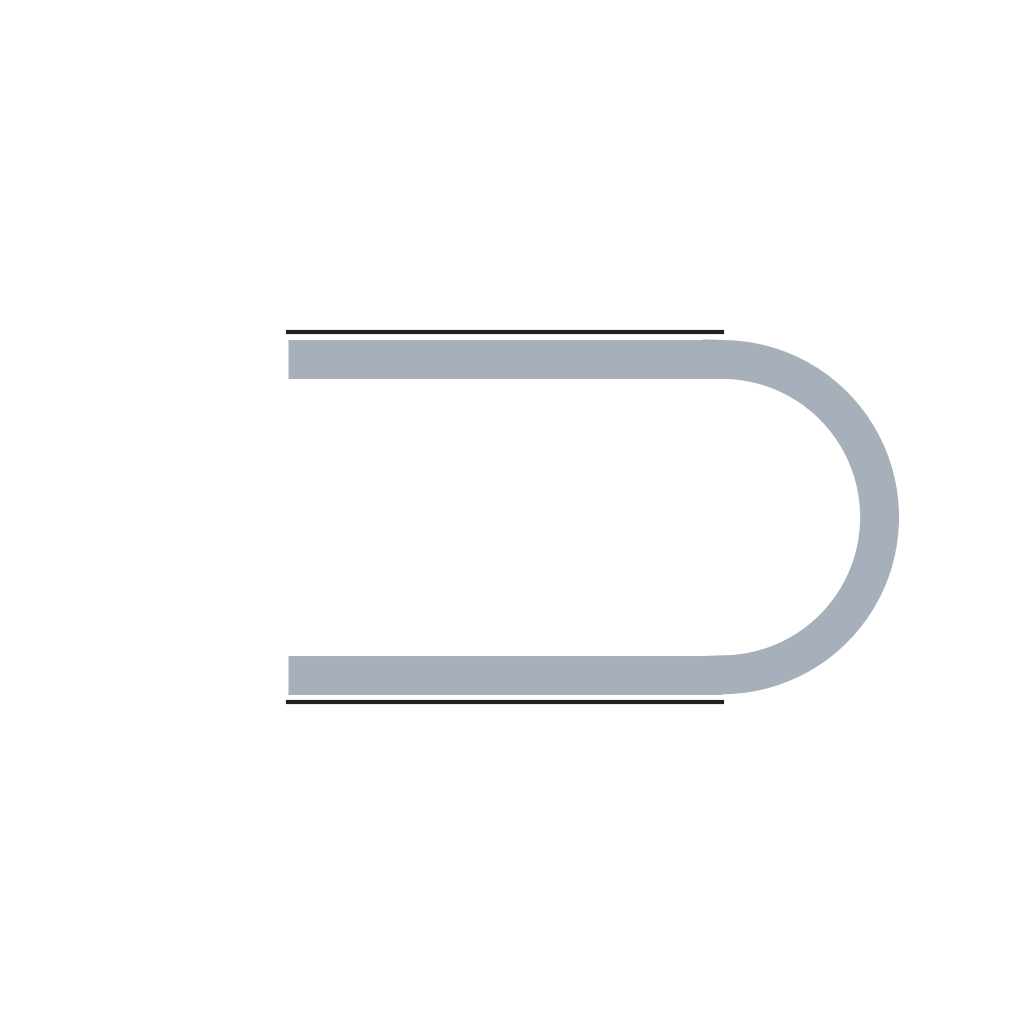 Inyerezo ebyiri zisa na U1 igice
Ibikoresho bikenewe:
 Isupana ihinduka
3
3
Screw and nut
Screw and nut
Pass the screw through a hole in both jaws midway between the slide's arms, swivel its forward end to the slide at the centre of its bend, and slide a lever handle through its outer head. The screw works in a nut set in a cross-notch at the back of the inner jaw, held by a dovetailed plate slid into the notch's sides.
Ibikoresho by'iyi ntambwe:
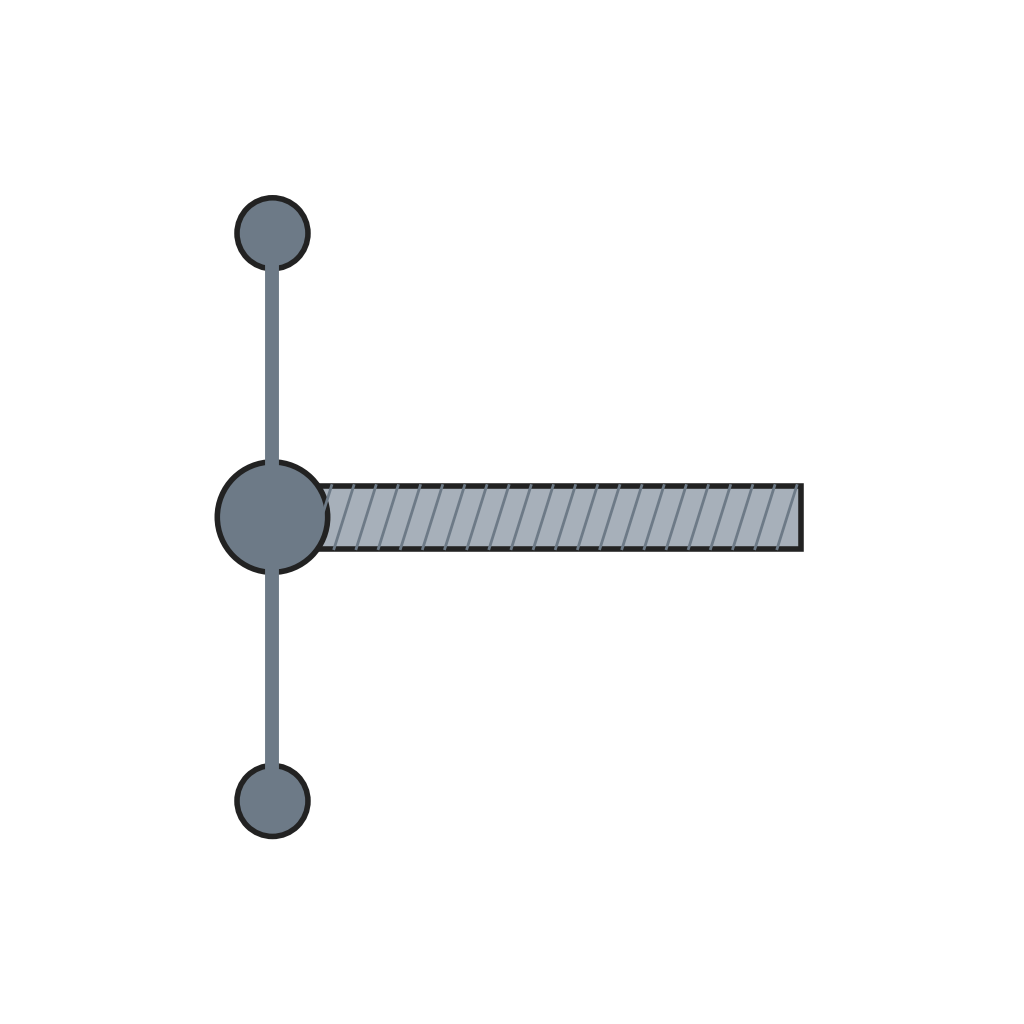 Umusumari w'icyuma cyo gufata ufite ukuboko kunyerera1 igice
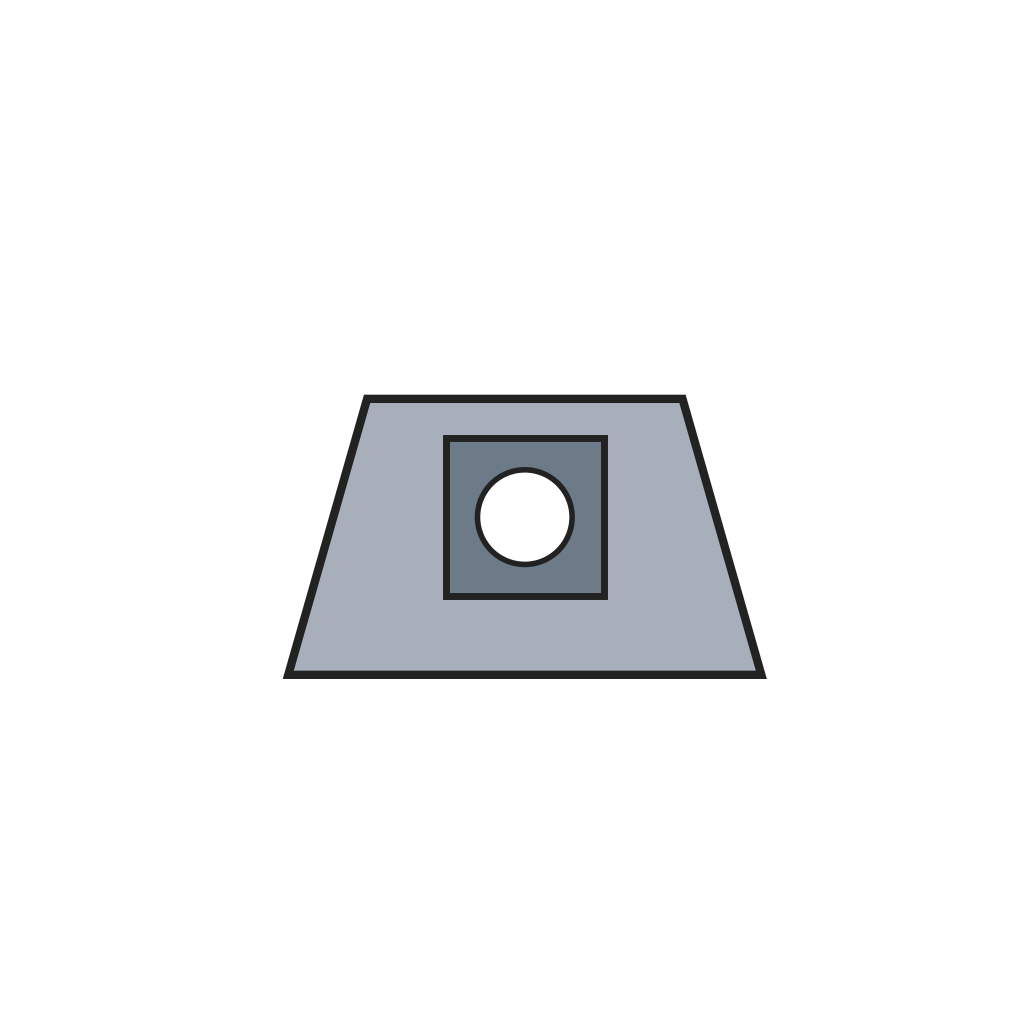 Ecrou y'icyuma cyo gufata ifite urubaho rw'umurizo w'inuma1 igice
Ibikoresho bikenewe:
Amakariso (Ikariso ry'Intoki)Isupana ihinduka4
4
Wooden jaws
Wooden jaws
Slot the wooden jaws from their lower ends so they slip down over the slide's arms and the screw between the metal jaws. Notch their faces for rectangular or round work, and hold them to the metal jaws with hooks pivoted on the metal jaws' side edges that catch screws or pins on the wooden jaws.
Ibikoresho by'iyi ntambwe:
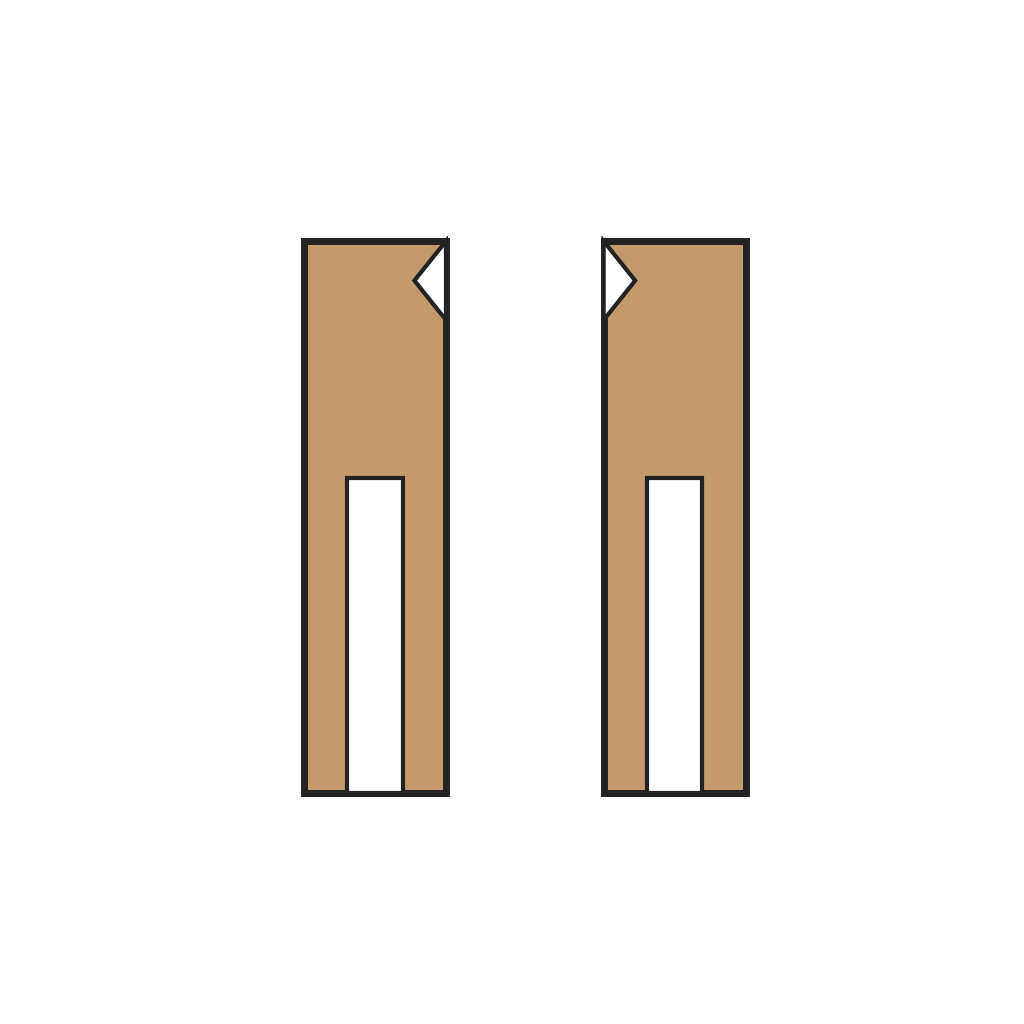 Ingome z'imbaho zifite inkanka zivanwaho1 igice
Ibikoresho bikenewe:
 Umucumita w'Intoki
 Ibikoresho by'amasuka
 Ikusanyirizo ry'ibitorezi
Ibikoresho
6- Umwanya
- Umwanya
- 1 igiceUmwanya
- Umwanya
- Umwanya
Ibikoresho bikenewe
7- Umwanya
- Umwanya
- Umwanya
- Umwanya
- Umwanya
- Umwanya
Iki gishushanyo gikora
Blueprint zijyanye
Izi blueprint zisangira ubumenyi — uburyo, ibikoresho cyangwa amahame
CC0 Umurenge rusange
Iyi blueprint yasohowe munsi ya CC0. Ushobora gukoporora, guhindura, gukwirakwiza no gukoresha nta kwemererwa.
Shyigikira Umuremyi ugura ibicuruzwa binyuze muri Blueprint ye Komisiyo y'Umuremyi byashyizweho n'Abacuruzi, cyangwa kora verisiyo nshya y'iyi Blueprint ukayinjiza nk'isano muri Blueprint yawe kugira ngo musangire inyungu.